

Issue · Healthcare
Healthcare
Every healthcare bill, vote, and legislator stance in United States, automatically classified by Maddy, our AI policy reader.
Total bills
3,118
119th Congress
Top supporter
Alan Armstrong
83% support rate
Top opponent
Ashley Moody
20% support rate
Ranked legislators
10
5 support · 5 oppose
Key legislators
Who's moving healthcare in United States
| Legislator | Party | Stance | Support rate | Decisive votes |
|---|---|---|---|---|
|
AA
Alan Armstrong
Senate
|
R |
Strong +
|
83% | 6 |
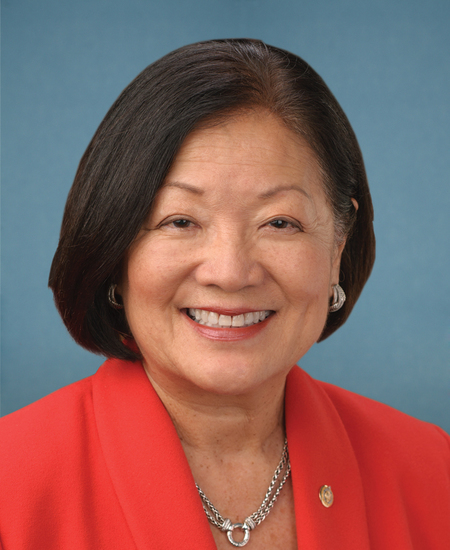
Mazie K. Hirono
Senate
|
D |
Strong +
|
80% | 20 |
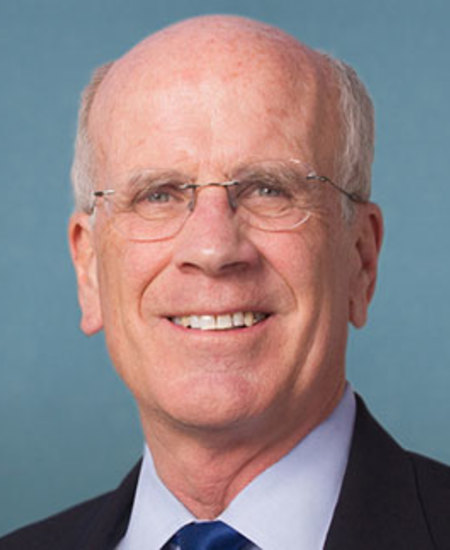
Peter Welch
Senate
|
D |
Strong +
|
80% | 20 |
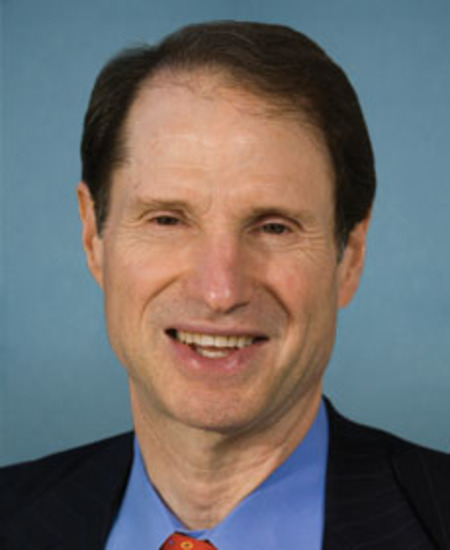
Ron Wyden
Senate
|
D |
Strong +
|
80% | 20 |

Alex Padilla
Senate
|
D |
Support
|
74% | 19 |

Ashley Moody
Senate
|
R |
Strong −
|
20% | 20 |
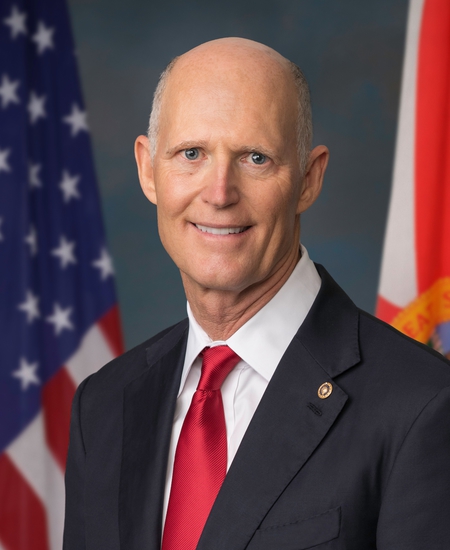
Rick Scott
Senate
|
R |
Strong −
|
20% | 20 |

Rand Paul
Senate
|
R |
Oppose
|
25% | 20 |
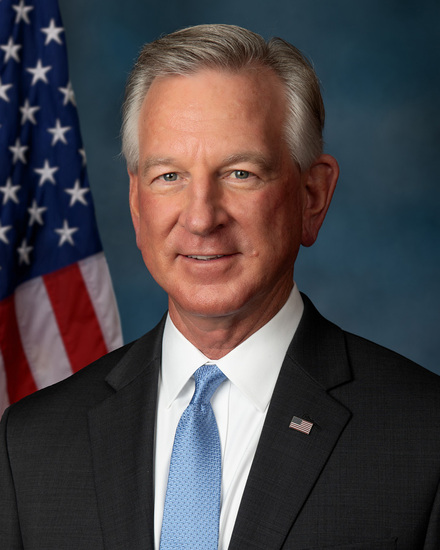
Tommy Tuberville
Senate
|
R |
Oppose
|
26% | 19 |

Bill Hagerty
Senate
|
R |
Oppose
|
28% | 18 |
Showing 2,861–2,870 of 3,118
bills
All healthcare bills
SRES 105: A resolution condemning the mass terminations of employees of the Department of Veterans Affairs carried out with no justification or analysis of the impact on veterans and their families.
Topics
✓ HealthcareSupports HealthcareBill explicitly condemns VA terminations harming mental health care services, a critical healthcare service, and opposes cuts to these programs.
✓ Labor & EmploymentSupports Labor & EmploymentCondemns unjust terminations of VA employees, calling for reinstatement to protect workers' rights and service continuity, aligning with labor protections.
✗ VeteransOpposes VeteransCondemns VA employee terminations harming veteran services, calls for reinstatement to protect healthcare and claims processing
S 3349: PBM Disclosure Act
S 2673: MEDIC Careers Act of 2025
Topics
✓ HealthcareSupports HealthcareFunds $5M annual pilot program to ease military medics' transition into civilian healthcare roles, directly strengthening healthcare workforce development.
✓ Labor & EmploymentSupports Labor & EmploymentBill creates $5M annual pilot program to fund bridge programs addressing credential barriers for military medics transitioning to civilian healthcare careers, directly improving employment opportunities.
✓ VeteransSupports VeteransBill creates $5M pilot program and requires Defense Secretary to address barriers for military medics transitioning to civilian healthcare careers, directly supporting veteran employment.
HR 6074: To amend the Internal Revenue Code of 1986 to extend the enhancement of the health care premium tax credit.
Topics
✓ Budget & TaxesSupports Budget & TaxesExtends enhanced health care tax credits for lower-income households, maintaining fiscal support for affordable insurance through 2028, directly providing tax relief.
✓ HealthcareSupports HealthcareExtends enhanced health care premium tax credit through 2028, maintaining affordability for lower-income households and expanding insurance access by preserving credits above 400% FPL.
✓ Labor & EmploymentSupports Labor & EmploymentExtends health care premium tax credits, increasing access to affordable health benefits for lower-income households including workers, aligning with worker benefit expansion indicators.
HR 2114: Block Organ Transplant Purchases from China Act of 2025
HRES 693: Expressing support for the designation of September 9 as "National African Immigrant and Refugee HIV/AIDS and Hepatitis Awareness Day" or "NAIRHHA Day".
Topics
✓ HealthcareSupports HealthcareDesignates awareness day for HIV/hepatitis disparities in African immigrants, promoting prevention and reducing stigma - direct healthcare awareness initiative supporting vulnerable populations.
✓ ImmigrationSupports ImmigrationDesignates a day to raise awareness about HIV/AIDS/hepatitis disparities in African immigrant/refugee communities, directly supporting immigrant health services and reducing stigma
Sub-Topics
Refugees & Asylum
S 3280: Measuring Availability of Providers (MAP) for Veterans Act
Topics
✓ HealthcareSupports HealthcareBill ensures veterans retain access to healthcare services via VA hospitals and Community Care Program, improving access to care for veterans.
✓ VeteransSupports VeteransEnsures veterans retain access to Community Care Program without interruption if new VA hospitals are built, protecting existing healthcare access in specified states.
S 3522: No Red Tape For Addiction Treatment Act
Topics
✓ Criminal JusticeSupports Criminal JusticeBill promotes addiction treatment access through Medicaid, reducing barriers to rehabilitation that can help prevent recidivism and support criminal justice reform.
✓ HealthcareSupports HealthcareMandates Medicaid coverage of MAT without prior auth/dosage limits, expanding access to addiction treatment services per bill's core requirement.
S 1709: Nurse Staffing Standards for Hospital Patient Safety and Quality Care Act of 2025
Topics
✓ HealthcareSupports HealthcareEstablishes mandatory nurse-to-patient ratios for patient safety and quality care, directly strengthening healthcare standards and protecting patient rights through staffing requirements.
✓ Labor & EmploymentSupports Labor & EmploymentEstablishes mandatory nurse-to-patient ratios, prohibits unsafe overtime, and protects nurses refusing unsafe assignments - directly advancing workplace safety standards for healthcare workers.