Issue · Healthcare

Healthcare

Every healthcare bill, vote, and legislator stance in United States, automatically classified by Maddy, our AI policy reader.

Total bills
3,150
119th Congress
Top supporter
Darline Graham
100% support rate
Top opponent
Ashley Moody
18% support rate
Ranked legislators
10
5 support · 5 oppose
Key legislators

Who's moving healthcare in United States

Legislators moving healthcare in United States
Legislator Party Stance Support rate Decisive votes
Darline Graham
Darline Graham Senate
R
Strong +
100% 6
AA
Alan Armstrong Senate
R
Strong +
88% 8
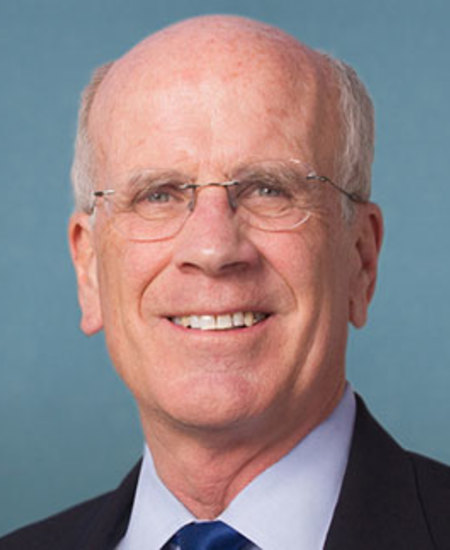
Peter Welch
Peter Welch Senate
D
Strong +
82% 22
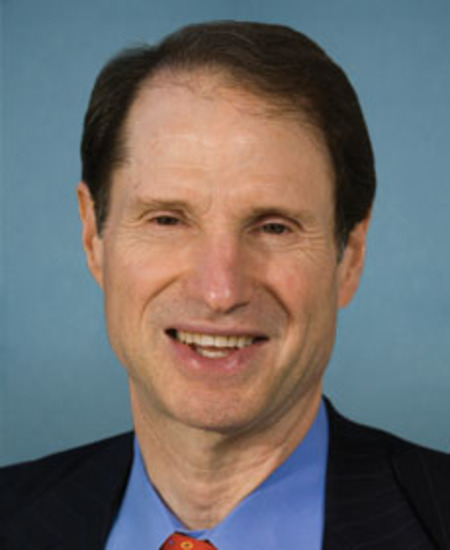
Ron Wyden
Ron Wyden Senate
D
Support
77% 22
Alex Padilla
Alex Padilla Senate
D
Support
76% 21
Ashley Moody
Ashley Moody Senate
R
Strong −
18% 22
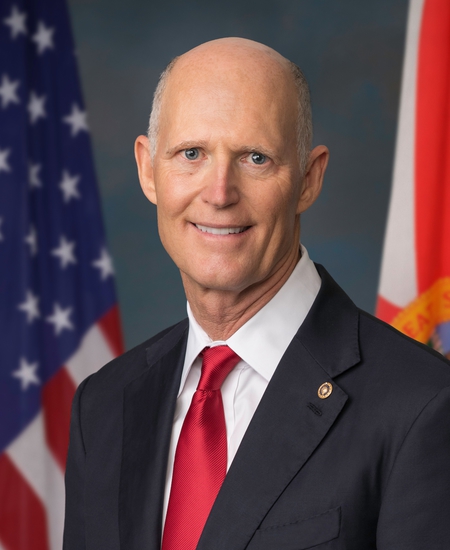
Rick Scott
Rick Scott Senate
R
Strong −
18% 22
Rand Paul
Rand Paul Senate
R
Oppose
23% 22
Brad Knott
Brad Knott House · District 13
R
Oppose
28% 18
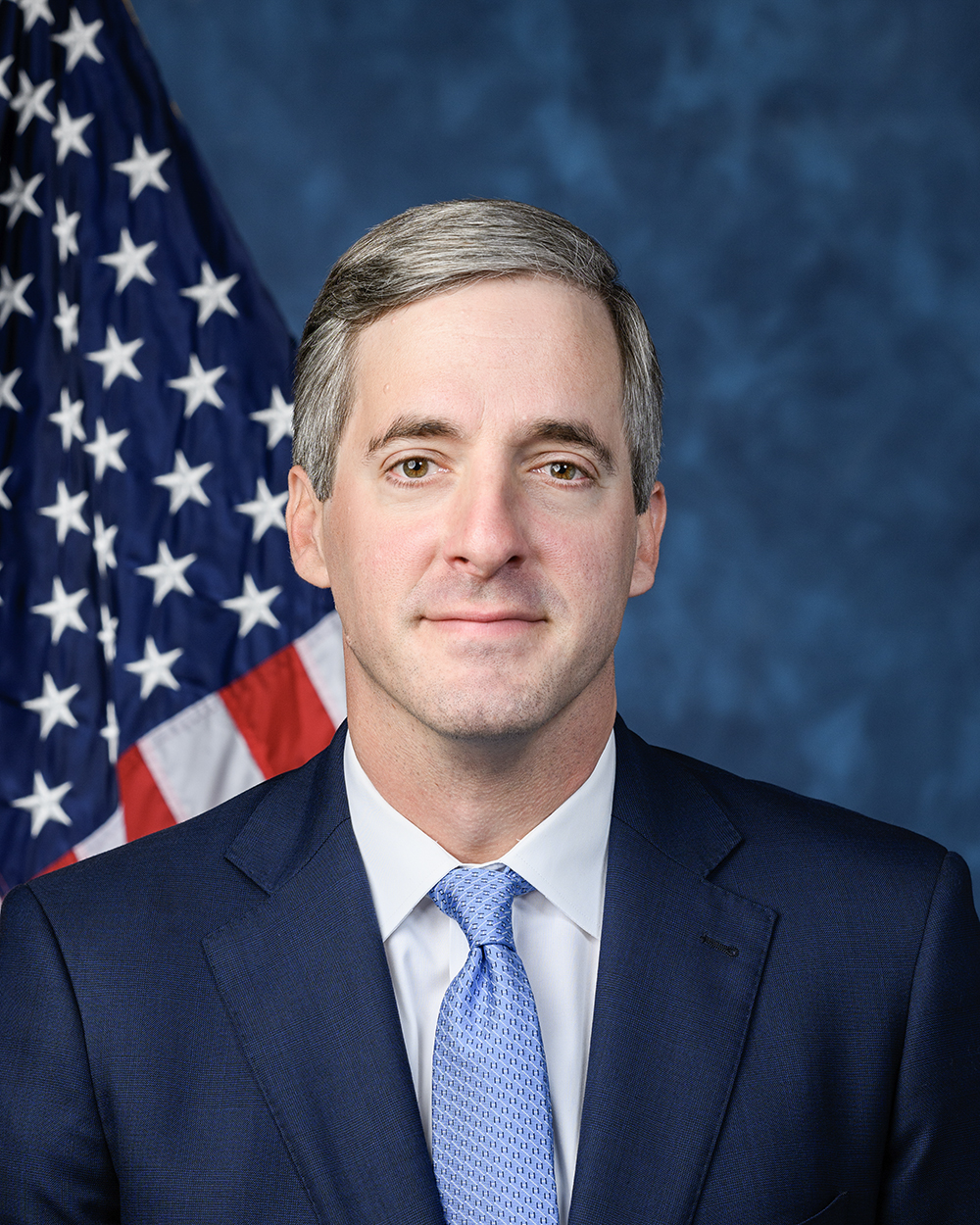
Pat Harrigan
Pat Harrigan House · District 10
R
Oppose
28% 18
Showing 2,631–2,640 of 3,150 bills

All healthcare bills

in committee · United States · Senate Jan 27, 2026

S 3697: SAVE Moms and Babies Act of 2026

The SAVE Moms and Babies Act of 2026 prohibits the FDA from approving new abortion drugs or granting investigational exemptions for them. It requires existing approved abortion drugs to be dispensed only in-person by certified healthcare providers in clinics or hospitals (not pharmacies), mandates providers to verify pregnancy duration and handle complications, and enforces strict adverse event reporting to the FDA. The bill directly affects healthcare providers prescribing abortion drugs, patients seeking these medications, and the FDA’s regulatory authority over such drugs. Key provisions include banning use after 70 days gestation, requiring provider certification for specific medical capabilities, and mandating documentation of risks to patients.
Sub-Topics Women's Health
in committee · United States · Senate Jan 7, 2026

S 3593: Punishing Health Care Fraudsters Act

S 3593, the "Punishing Health Care Fraudsters Act," increases penalties for healthcare fraud committed against federal programs like Medicare and Medicaid. It raises maximum prison sentences under federal law from 10 to 25 years and 20 to 30 years, and boosts fines from $100,000 to $250,000 per violation. The bill also requires the U.S. Sentencing Commission to update guidelines to better reflect the severity of fraud, considering factors like victim harm, financial loss, and privacy violations. This directly affects individuals or entities committing healthcare fraud, aiming to strengthen deterrence through harsher consequences.
in committee · United States · Senate Sep 17, 2025

S 2847: Occupational Therapy Mental Health Parity Act

This bill requires the Secretary of Health and Human Services to provide education and outreach about existing Medicare coverage for occupational therapy services. Specifically, it mandates that within one year of enactment, the Secretary must clarify how Medicare covers occupational therapy for mental health and substance use disorder treatment using specific HCPCS codes. The bill directly affects Medicare beneficiaries seeking these services and healthcare providers billing under those codes. It does not change coverage rules but ensures stakeholders understand current policy.
in committee · United States · House May 8, 2025

HR 3288: Access to Prescription Digital Therapeutics Act of 2025

Access to Prescription Digital Therapeutics Act of 2025 This bill provides for Medicare and Medicaid coverage of prescription digital therapeutics (i.e., software applications that are used to prevent, manage, or treat medical conditions). The Centers for Medicare & Medicaid Services must establish a Medicare payment methodology for payments to manufacturers that takes into account certain factors (e.g., ongoing use); manufacturers must report specified information about private payors, subject to civil penalties.
in committee · United States · Senate Nov 20, 2025

S 3274: Healthy MOM Act

The Healthy MOM Act (S 3274) would require health insurance plans to provide a special enrollment period for pregnant individuals beginning when pregnancy is reported to the insurer. It mandates that group health plans cover maternity care for dependents regardless of age, including labor and delivery, and extends Medicaid eligibility during pregnancy and postpartum. The bill requires 12 months of continuous coverage for pregnant and postpartum individuals under Medicaid and CHIP, replacing the current 60-day postpartum coverage period. These provisions aim to improve access to maternity care for women, particularly those from communities disproportionately affected by maternal mortality, such as Black and American Indian/Alaska Native women. The changes would apply to plan years beginning January 1, 2027, with some provisions having earlier effective dates for certain programs.
in committee · United States · Senate Jul 31, 2025

S 2587: Departments of Labor, Health and Human Services, and Education, and Related Agencies Appropriations Act, 2026

# Summary of the Departments of Labor, Health and Human Services, and Education, and Related Agencies Appropriations Act, 2026 This comprehensive appropriations bill allocates funding for the fiscal year 2026 to the Department of Labor, Department of Health and Human Services (HHS), Department of Education, and several related agencies. The bill contains numerous specific funding allocations, restrictions, and procedural requirements. Key elements include: 1. **Major Funding Areas**: - HHS receives significant funding for programs including Medicaid, CHIP, Social Security, and public health initiatives - Education receives substantial funding for student financial assistance, career and technical education, and research - Related agencies receive funding for programs like the Corporation for National and Community Service and the Social Security Administration 2. **Key Restrictions**: - Prohibits using funds for abortions except in cases of rape, incest, or to save a woman's life (Section 506-507) - Bans funding for embryonic research or creation of human embryos for research (Section 508) - Prohibits funding for advocacy of drug legalization (Section 509) - Requires transparency in reporting how federal funds are used (Section 505) - Prohibits using funds for propaganda or political activities (Section 503) 3. **Specific Provisions**: - Requires detailed reporting to Congress about fund usage (Sections 516-517) - Mandates notification to Congress before reprogramming funds (Section 514) - Includes numerous rescission provisions that cancel previously appropriated funds - Contains specific requirements for managing federal contracts and grants - Establishes restrictions on using funds for certain types of research or activities 4. **Notable Funding Amounts**: - $24.6 billion for Student Financial Assistance - $49.4 billion for the Supplemental Security Income Program - $14.7 billion for Social Security Administration administrative expenses - $3.2 billion for Higher Education programs - $2.1 billion for Career, Technical, and Adult Education The bill represents a comprehensive funding package with specific constraints on how funds may be used, reflecting ongoing policy debates about government spending priorities in health, education, and social services.
in committee · United States · House Dec 16, 2025

HR 6739: Clarity in Professional Degree Act

HR 6739, the Clarity in Professional Degree Act, amends the Higher Education Act to restore federal student aid eligibility for specific professional degree programs that were excluded under a recent Department of Education rule change. It directly affects students pursuing degrees in nursing (ADN, RN, BSN), occupational therapy, physical therapy, social work, accounting, architecture, education specialties, and public health. The bill adds these 10 degree types to the official definition of "professional degree" under federal aid rules, reversing a policy expected to take effect July 1, 2026, which would have removed their aid eligibility. This change ensures students in these critical fields can continue accessing federal loans and grants.
in committee · United States · House Mar 31, 2025

HR 2509: COMPLETE Care Act

HR 2509, the COMPLETE Care Act, creates Medicare payment incentives for primary care providers who integrate specific behavioral health services into their practice. It directly affects Medicare providers offering services identified by HCPCS codes 99484, 99492, 99493, 99494, G2214, and G0323 (covering models like Collaborative Care and Primary Care Behavioral Health) during 2027-2029. The bill increases Medicare payments for these services to 125-175% of standard rates (phasing down from 175% in 2027 to 125% in 2029) and waives budget neutrality rules to fund these higher payments. Additionally, it requires the HHS Secretary to provide technical assistance to primary care practices adopting these models by 2026, with dedicated funding for 2025-2029.
in committee · United States · House Feb 6, 2025

HR 1096: HOPE and Mental Wellbeing Act of 2025

This bill, the HOPE and Mental Wellbeing Act of 2025 (HR 1096), requires Medicare and Medicaid to cover the first three primary care visits annually without cost-sharing (like deductibles or copays), starting in 2026. It defines "primary care visit" to explicitly include mental health services, ensuring beneficiaries can access initial mental and physical health care without financial barriers. The provision applies to all Medicare Part B beneficiaries, Medicare Advantage enrollees, and Medicaid recipients nationwide. This policy change directly affects millions of older adults, people with disabilities, and low-income individuals who rely on these programs for healthcare.
in committee · United States · Senate Dec 17, 2025

S 3547: Part-Time Worker Bill of Rights Act

The Part-Time Worker Bill of Rights Act would expand benefits for part-time workers by reducing the eligibility requirement for family and medical leave from 12 months of employment to just 90 days. It prohibits discrimination against part-time employees based on their work hours and requires employers to offer preferred work schedules to existing part-time employees before hiring new staff or using contractors. The bill mandates that employers compensate part-time workers for hours they could not schedule due to new hires, and establishes enforcement mechanisms through the Department of Labor. This legislation directly affects part-time workers and employers with more than 15 employees across various sectors, including government agencies.
Showing 2,631 to 2,640 of 3,150 bills