Issue · Healthcare

Healthcare

Every healthcare bill, vote, and legislator stance in United States, automatically classified by Maddy, our AI policy reader.

Total bills
3,150
119th Congress
Top supporter
Darline Graham
82% support rate
Top opponent
Rick Scott
19% support rate
Ranked legislators
10
5 support · 5 oppose
Key legislators

Who's moving healthcare in United States

Legislators moving healthcare in United States
Legislator Party Stance Support rate Decisive votes
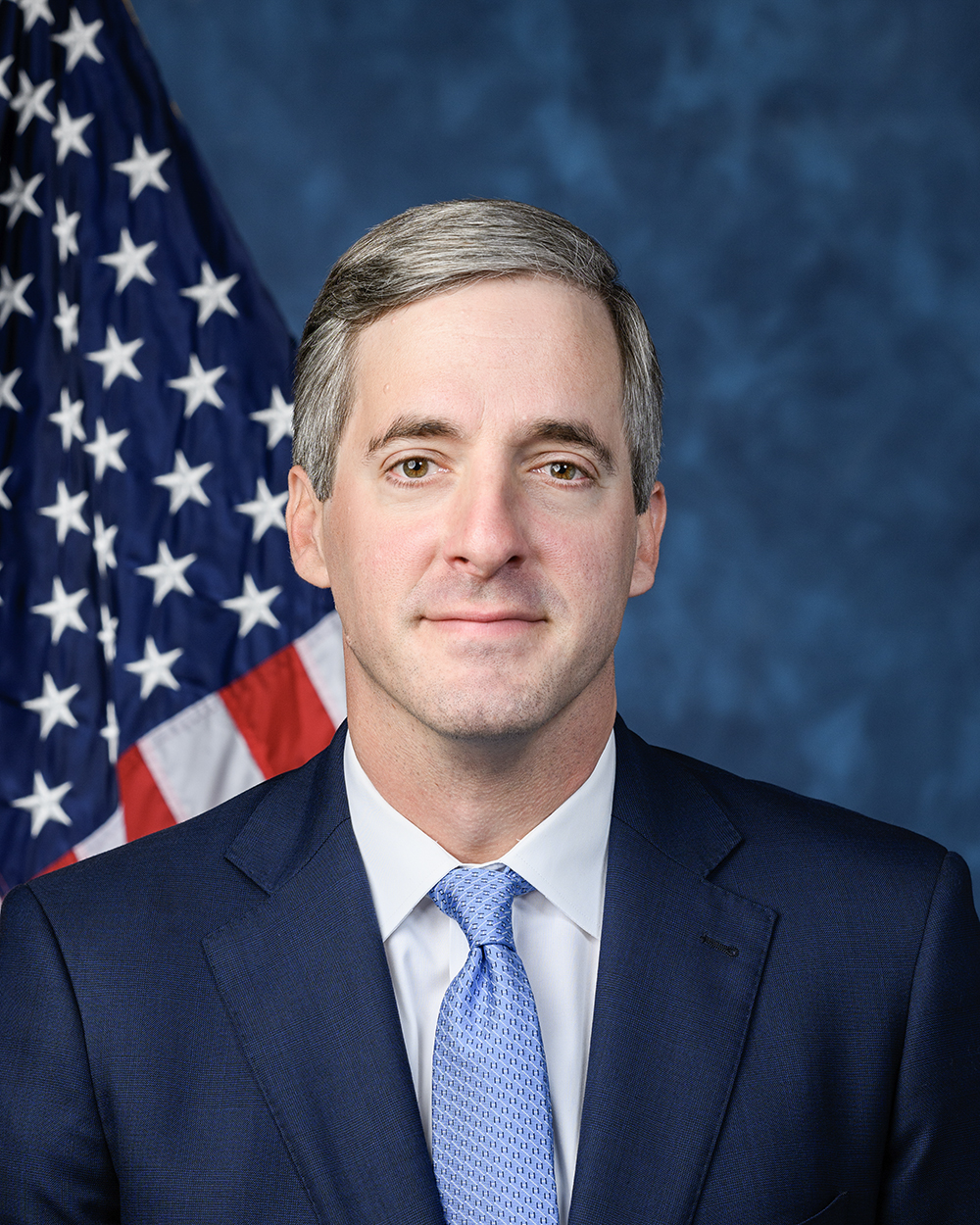
Darline Graham
Darline Graham Senate
R
Strong +
82% 11
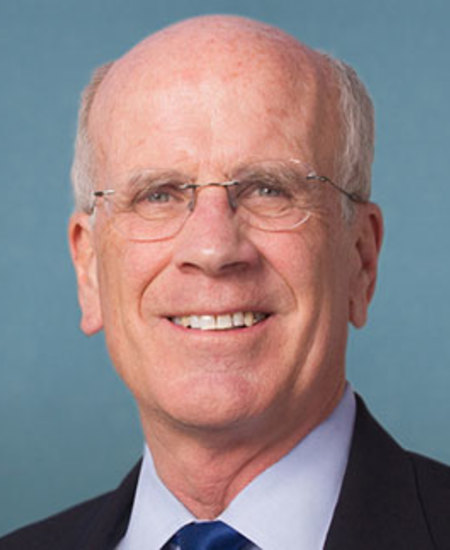
Peter Welch
Peter Welch Senate
D
Strong +
81% 27
Ron Wyden
Ron Wyden Senate
D
Support
78% 27
Alex Padilla
Alex Padilla Senate
D
Support
77% 26
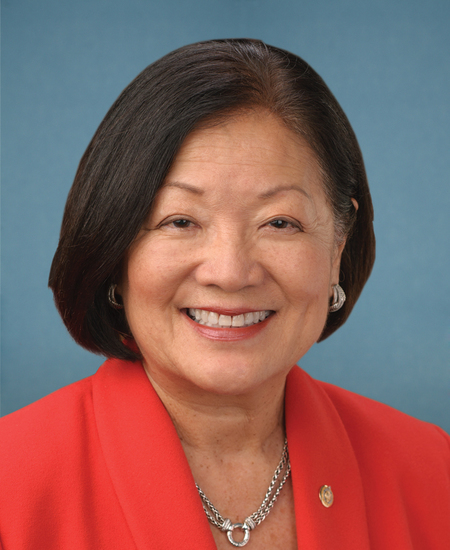
Mazie K. Hirono
Mazie K. Hirono Senate
D
Support
74% 27
Rick Scott
Rick Scott Senate
R
Strong −
19% 27
Ashley Moody
Ashley Moody Senate
R
Oppose
22% 27
Rand Paul
Rand Paul Senate
R
Oppose
22% 27
Brad Knott
Brad Knott House · District 13
R
Oppose
28% 18
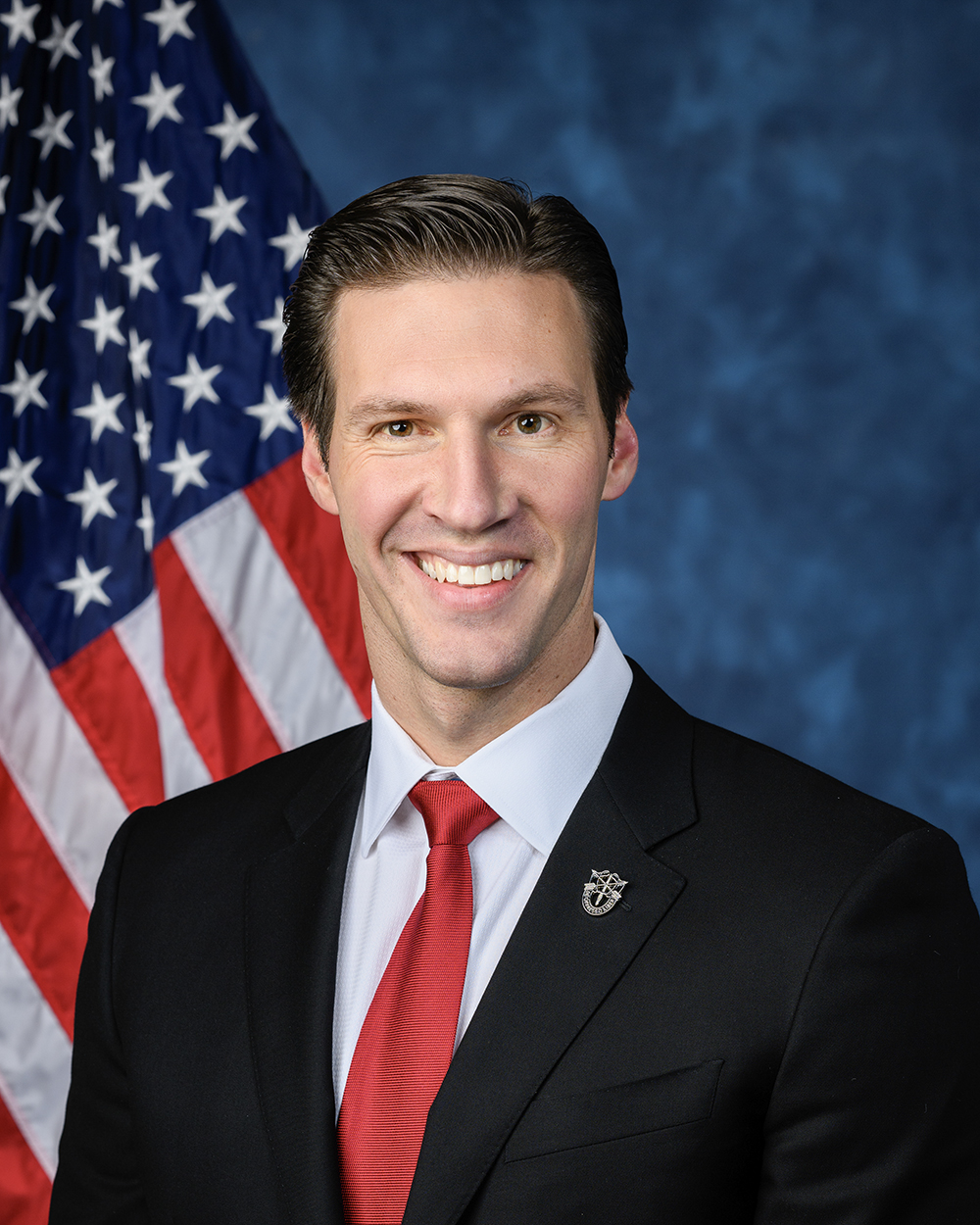
Pat Harrigan
Pat Harrigan House · District 10
R
Oppose
28% 18
Showing 2,321–2,330 of 3,150 bills

All healthcare bills

in committee · United States · House Feb 3, 2026

HR 7324: More Behavioral Health Providers Act of 2026

This bill expands Medicare incentives to increase mental health and substance use disorder care in underserved areas. It adds a 15% bonus payment to Medicare for specific mental health and substance use services provided by qualified non-physician providers (like clinical social workers, psychologists, and counselors) in designated "mental health professional shortage areas." The bonus applies to services furnished on or after January 1, 2027, directly benefiting Medicare beneficiaries in these areas and encouraging more providers to work there. The change modifies existing Medicare payment rules to include these new provider types and service categories.
in committee · United States · Senate Jun 2, 2025

S 1925: Expanding Access to Diabetes Self-Management Training Act of 2025

This bill expands Medicare coverage for diabetes self-management training for beneficiaries with diabetes. It requires 100% coverage with no cost-sharing for these services, including an initial 10 hours plus 2 additional hours annually, and allows physicians or qualified non-physician practitioners to authorize them. The bill also establishes a pilot program to test virtual training services starting in 2026, evaluating health outcomes and cost impacts. These changes apply to Medicare beneficiaries with diabetes beginning January 1, 2027.
Sub-Topics Medicaid Medicare
in committee · United States · Senate May 22, 2025

S 1914: Andrew Kearse Accountability for Denial of Medical Care Act of 2025

This bill requires federal law enforcement officers, Bureau of Prisons staff, and U.S. Marshals to immediately obtain or provide medical care when someone in federal custody shows medical distress (like breathing difficulties). It makes it a federal offense for covered officials to negligently fail to act, punishable by fines, up to one year in prison, or both. The bill mandates Inspector General investigations into such failures that cause harm and establishes confidential complaint processes. It also requires agencies to train covered officials on responding to medical distress in custody. The law directly affects individuals in federal custody and the specific federal officials responsible for their care.
in committee · United States · Senate Jul 30, 2025

S 635: Veterans Homecare Choice Act of 2025

This bill expands access to home healthcare for veterans by including nurse registries in the Veterans Community Care Program. It directly affects veterans seeking homecare services and healthcare workers like registered nurses, certified nursing assistants, and home health aides placed through these registries. The key change adds specific definitions to recognize "nurse registries" that connect veterans with these care providers, ensuring such registries meet state licensing requirements. This allows veterans to access a broader range of homecare support through existing program pathways.
in committee · United States · House May 14, 2026

HR 6993: BEACON Act of 2026

The BEACON Act of 2026 establishes two grant programs to improve treatment for veterans with chronic mild traumatic brain injury (mTBI). It authorizes $30 million over three years for grants to nonprofits, academic institutions, and health providers to develop and test non-drug neurorehabilitation approaches, focusing on mental health outcomes, suicide risk reduction, and long-term recovery. The bill requires grantees to prioritize patient-centered care, conduct clinical studies, and partner with VA facilities, with each grant capped at $5 million annually. A separate $10 million annual program funds independent research on TBI treatments, requiring third-party analysis and annual reports to Congress. The pilot programs expire after three years, with evaluations to determine future expansion.
in committee · United States · House Nov 4, 2025

HR 5925: HHS Reproductive and Sexual Health Ombuds Act of 2025

HR 5925, the HHS Reproductive and Sexual Health Ombuds Act of 2025, establishes a new Ombuds position within the Department of Health and Human Services (HHS) to improve access to reproductive and sexual health services. The Ombuds will educate the public, analyze HHS data on service access, identify gaps in health insurance coverage for these services (including abortion care), and help connect people to providers and abortion funds. This role directly affects individuals seeking reproductive health care, particularly those from underserved groups like LGBTQ+ individuals, racial minorities, people with disabilities, and low-income populations. The Ombuds will operate independently, produce annual reports for Congress, and focus on providing evidence-based information while avoiding the collection of personal health data.
in committee · United States · House Dec 9, 2025

HR 6501: Bipartisan Health Insurance Affordability Act

The Bipartisan Health Insurance Affordability Act extends and modifies premium tax credit rules to make health insurance more affordable for people with household incomes up to 700% of the poverty line, with specific provisions for different income tiers. The bill requires pharmacy benefit managers to pass through 100% of rebates to health plans, establishes transparency requirements for drug pricing, and creates mechanisms to prevent fraud in health insurance exchanges. It also extends the annual open enrollment period for 2026 and allows qualified Exchange enrollees to establish health savings accounts, with options to prepay annual premiums or direct part of their premium tax credit into a health savings account.
in committee · United States · House May 23, 2025

HR 3581: Protect DSH Act

HR 3581, the Protect DSH Act, delays federal payment reductions for Disproportionate Share Hospitals (DSH) that serve high numbers of Medicaid and uninsured patients. It amends the Social Security Act to extend the timeline for these payment reductions from 2026-2028 to 2029-2031. The bill directly affects hospitals qualifying as DSH by postponing the scheduled decrease in federal funding. This change provides temporary financial stability for these healthcare providers without altering the underlying payment structure. The bill focuses on procedural timing, not policy changes to the DSH program itself.
Sub-Topics Hospitals Medicaid
passed · United States · Senate Oct 1, 2026

S 3257: John A. Hauser Mental Health in Aviation Act

This bill requires the Federal Aviation Administration (FAA) to update regulations to encourage pilots and air traffic controllers to seek and disclose mental health care without fear of losing their medical certification. It mandates an annual review of the "special issuance" process (for medical certification) to consider new treatments, improve examiner training, and reduce backlogs, while allocating $15 million annually (2026-2029) to recruit more medical examiners and provide mental health training. Additionally, it funds a $1.5 million annual public campaign to destigmatize mental health care in aviation, improve trust with workers, and make resources easily accessible at aviation medical offices and training facilities. The FAA must consult with industry stakeholders and report progress to Congress on implementation.
Sub-Topics Mental Health Airports
in committee · United States · Senate Jun 10, 2025

S 2008: Stop Funding Genital Mutilation Act

This bill prohibits federal Medicaid and CHIP funding for specific medical procedures related to gender transition, as defined in the legislation. It amends the Social Security Act to block funding for surgeries (like hysterectomy, phalloplasty, or mastectomy), hormone therapies (including puberty blockers or supraphysiologic doses), and certain cosmetic procedures when performed to change physical characteristics to align with a person's gender identity. Exceptions apply for medically necessary treatments, such as puberty suppression for precocious puberty, correction of disorders of sex development, or life-threatening conditions. The bill directly affects Medicaid/CHIP recipients seeking these covered procedures and requires states to exclude them from funded services. It does not ban the procedures themselves but restricts federal financial support for them.
Showing 2,321 to 2,330 of 3,150 bills