Issue · Healthcare

Healthcare

Every healthcare bill, vote, and legislator stance in United States, automatically classified by Maddy, our AI policy reader.

Total bills
3,150
119th Congress
Top supporter
Darline Graham
82% support rate
Top opponent
Rick Scott
19% support rate
Ranked legislators
10
5 support · 5 oppose
Key legislators

Who's moving healthcare in United States

Legislators moving healthcare in United States
Legislator Party Stance Support rate Decisive votes
Darline Graham
Darline Graham Senate
R
Strong +
82% 11
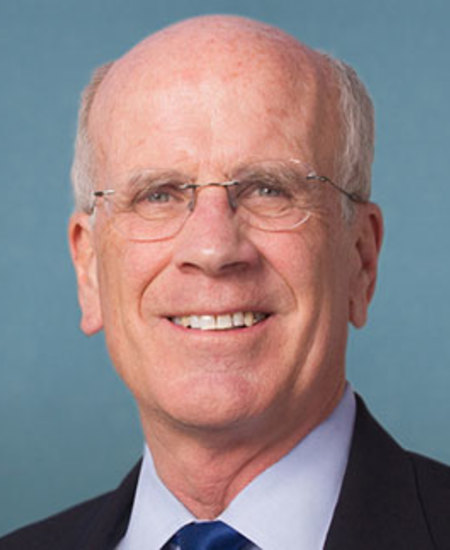
Peter Welch
Peter Welch Senate
D
Strong +
81% 27
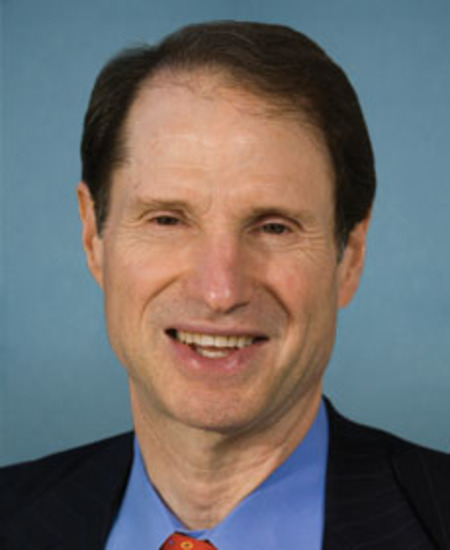
Ron Wyden
Ron Wyden Senate
D
Support
78% 27
Alex Padilla
Alex Padilla Senate
D
Support
77% 26
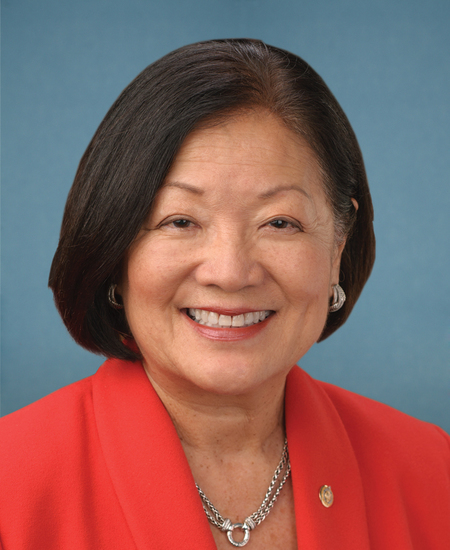
Mazie K. Hirono
Mazie K. Hirono Senate
D
Support
74% 27
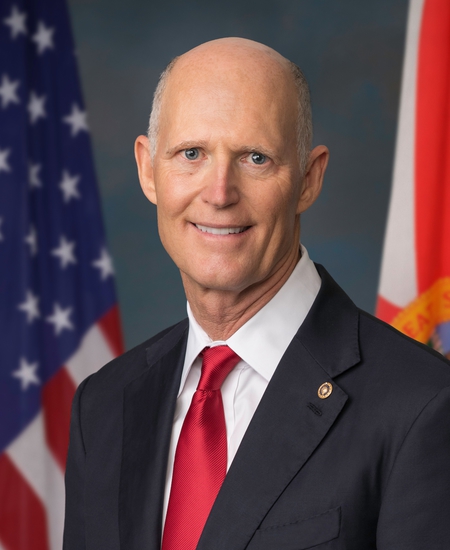
Rick Scott
Rick Scott Senate
R
Strong −
19% 27
Ashley Moody
Ashley Moody Senate
R
Oppose
22% 27
Rand Paul
Rand Paul Senate
R
Oppose
22% 27
Brad Knott
Brad Knott House · District 13
R
Oppose
28% 18
Pat Harrigan
Pat Harrigan House · District 10
R
Oppose
28% 18
Showing 2,331–2,340 of 3,150 bills

All healthcare bills

in committee · United States · Senate Apr 10, 2025

S 1040: Drug Competition Enhancement Act

The Drug Competition Enhancement Act (S.1040) prohibits drug manufacturers from engaging in "product hopping" - a practice where companies withdraw or disadvantage their original drug to push a newer "follow-on" version when generic or biosimilar competitors are about to enter the market. Specifically, it bans "hard switches" (officially withdrawing the original drug or destroying inventory to block generics) and "soft switches" (unfairly disadvantaging the original drug to favor the follow-on product) during a 3-year window before generic competition begins. The Federal Trade Commission (FTC) can enforce this by taking legal action against violators, seeking injunctions, or requiring disgorgement of profits gained from anti-competitive conduct. This law directly affects drug manufacturers holding approved "reference products" when generic or biosimilar applications are pending, aiming to prevent artificial barriers to lower-cost alternatives.
in committee · United States · House Feb 11, 2026

HR 7486: Protecting Hospitals from Disaster Act of 2026

HR 7486, the Protecting Hospitals from Disaster Act of 2026, requires Quality Improvement Organizations (QIOs) to help hospitals and specific healthcare facilities prepare for and respond to extreme weather events. The bill allocates $50 million from Medicare funds in fiscal year 2026 to support this QIO assistance. It directly affects hospitals, psychiatric hospitals, skilled nursing facilities, critical access hospitals, long-term care hospitals, rural emergency hospitals, and inpatient rehabilitation facilities. The key mechanism is mandating QIOs to provide preparedness support to these facilities using the dedicated funding.
in committee · United States · House Jul 14, 2025

HR 4384: Excluding Illegal Aliens from Medicaid Act

HR 4384, the "Excluding Illegal Aliens from Medicaid Act," accelerates the effective date for excluding undocumented immigrants (who are not qualified aliens and not children or pregnant women lawfully residing in the U.S.) from Medicaid eligibility from October 1, 2026, to July 4, 2025. The bill also establishes a higher federal funding rate for states that choose to provide health coverage to such individuals through state-funded programs, increasing federal support for these specific services. This change directly affects undocumented immigrants who do not qualify as "qualified aliens" under federal law and are not children or pregnant women, removing their Medicaid eligibility starting in 2025. States continuing to cover these individuals can do so via state programs with enhanced federal matching funds for that coverage.
in committee · United States · Senate Jul 31, 2025

S 2628: Catastrophic Specialty Hospital Act of 2025

S 2628, the Catastrophic Specialty Hospital Act of 2025, creates a new Medicare payment designation for long-term care hospitals specializing in spinal cord injury and acquired brain injury rehabilitation. Hospitals meeting strict criteria - such as having at least 80% of discharges for these conditions over three years, 175+ annual discharges per condition, 30% out-of-state patients, and research commitments - will receive special Medicare payments instead of standard rates. This directly affects qualifying specialized hospitals, changing how Medicare reimburses them for care. The designation lasts three years and requires annual renewal based on continued compliance with the criteria.
in committee · United States · Senate May 7, 2025

S 1637: MVP Act

Medicaid VBPs for Patients Act or the MVP Act This bill provides statutory authority for regulations that allow for the use of varying best price points under value-based purchasing arrangements for purposes of the Medicaid Drug Rebate Program. ( Value-based purchasing arrangements refer to arrangements in which the price of a drug is linked to clinical outcomes; such arrangements are particularly used for new high-cost treatments, such as gene therapies.) The Government Accountability Office must study the impact of value-based purchasing arrangements on federal health care programs, including with respect to the bill's changes. Additionally, the bill (1) exempts sales of drugs that are made under value-based purchasing arrangements from calculations of the manufacturer average sales price for purposes of payments under Medicare medical services, if the manufacturer reports multiple best prices under Medicaid in accordance with the bill's changes; and (2) requires the Centers for Medicare & Medicaid Services to issue guidance on how state Medicaid programs may cover drugs in inpatient settings via value-based purchasing arrangements.
in committee · United States · Senate Apr 8, 2025

S 1330: BRAIN Act

The BRAIN Act creates new research initiatives to improve brain tumor treatment and care. It establishes a searchable database of NIH-funded brain tumor biospecimens, funds a Glioblastoma Therapeutics Network with $50 million annually, and supports cellular immunotherapy research with $10 million annually. The bill also mandates a national awareness campaign about clinical trials and biomarker testing, and funds pilot programs to improve care coordination for brain tumor survivors. These provisions directly affect over 1 million Americans living with brain tumors and aim to improve research coordination, treatment options, and quality of life through concrete funding and policy changes.
in committee · United States · House Dec 15, 2025

HR 2528: Association Health Plans Act

This bill allows groups of small businesses or self-employed individuals to form a single health plan that treats all members as one employer for coverage purposes. It directly affects small business associations and self-employed people who can join such groups to access pooled health coverage, provided they meet specific requirements (e.g., 51+ total employees, 2+ years in existence, no health-based discrimination). Key mechanisms include permitting modified community rating for premiums (based on pooled claims) while prohibiting health status-related discrimination in enrollment, premiums, or pre-existing condition coverage. The plan remains subject to federal ERISA rules, and self-employed members must meet defined criteria to participate as both employers and employees.
Sub-Topics Insurance Tags Small Business
in committee · United States · House Mar 28, 2025

HR 1417: Rural Health Care Facility Technical Assistance Program Act

HR 1417 establishes a new program within the U.S. Department of Agriculture to provide tailored technical assistance to rural health care facilities. The program directly supports facilities like hospitals, clinics, and health centers in rural areas by helping them identify operational needs, improve financial management, and access USDA loan and grant programs. Key provisions include prioritizing facilities in medically underserved areas or facing financial vulnerability, with a $2 million annual funding limit for fiscal years 2026-2030. The program requires annual reports on outcomes and effectiveness to Congress, focusing on preventing facility closures and strengthening rural health care delivery.
Sub-Topics Hospitals Tags Rural Communities
in committee · United States · Senate Jul 15, 2025

S 2276: ETHIC Act

The ETHIC Act (S 2276) limits patent holders from asserting multiple related patents against generic drug and biosimilar manufacturers. It restricts claims to one patent per "Patent Group" (defined as commonly owned patents linked through specific disclaimer filings) in infringement lawsuits involving drug/biosimilar applicants. This applies to cases related to FDA applications under 505(b)(2), 505(j), or 351(k) pathways for new drug approvals. The law aims to reduce legal barriers for competition by preventing patent thickets from delaying generic/biosimilar market entry.
in committee · United States · House Sep 26, 2025

HCONRES 53: Expressing support for the recognition of September 26, 2025, as "World Contraception Day" and expressing the sense of the House of Representatives regarding global and domestic access to contraception.

HCONRES 53 is a symbolic resolution expressing the House of Representatives' support for recognizing September 26, 2025, as "World Contraception Day" and outlining policy principles for improving contraception access. It calls for expanding universal, affordable access to contraception - including over-the-counter options - and addressing disparities affecting Black, Indigenous, and other marginalized communities facing barriers like "contraceptive deserts" and discrimination. The resolution urges federal action to support comprehensive sex education, eliminate insurance cost-sharing for contraception, train healthcare providers on contraceptive care, and fund programs like Title X. It does not create new laws but affirms congressional support for policies that ensure reproductive autonomy and reduce preventable health issues linked to limited access.
Sub-Topics Women's Health
Showing 2,331 to 2,340 of 3,150 bills