Issue · Healthcare

Healthcare

Every healthcare bill, vote, and legislator stance in United States, automatically classified by Maddy, our AI policy reader.

Total bills
3,230
119th Congress
Top supporter
Darline Graham
82% support rate
Top opponent
Rick Scott
19% support rate
Ranked legislators
10
5 support · 5 oppose
Key legislators

Who's moving healthcare in United States

Legislators moving healthcare in United States
Legislator Party Stance Support rate Decisive votes
Darline Graham
Darline Graham Senate
R
Strong +
82% 11
Peter Welch
Peter Welch Senate
D
Strong +
81% 27
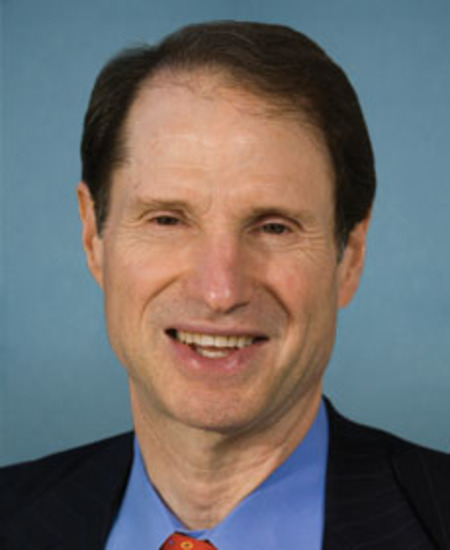
Ron Wyden
Ron Wyden Senate
D
Support
78% 27
Alex Padilla
Alex Padilla Senate
D
Support
77% 26
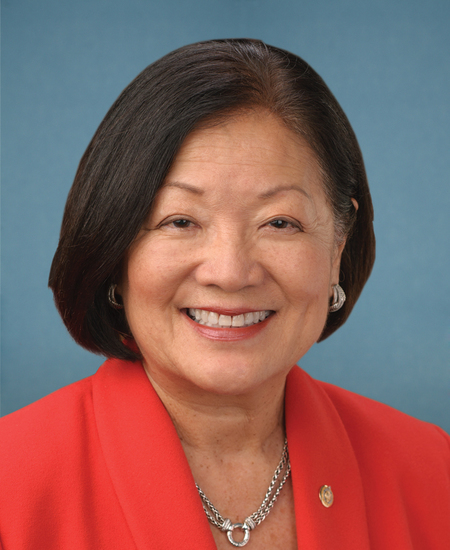
Mazie K. Hirono
Mazie K. Hirono Senate
D
Support
74% 27
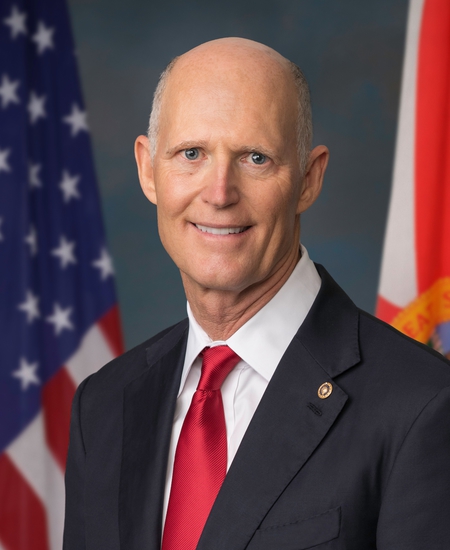
Rick Scott
Rick Scott Senate
R
Strong −
19% 27
Ashley Moody
Ashley Moody Senate
R
Oppose
22% 27
Rand Paul
Rand Paul Senate
R
Oppose
22% 27
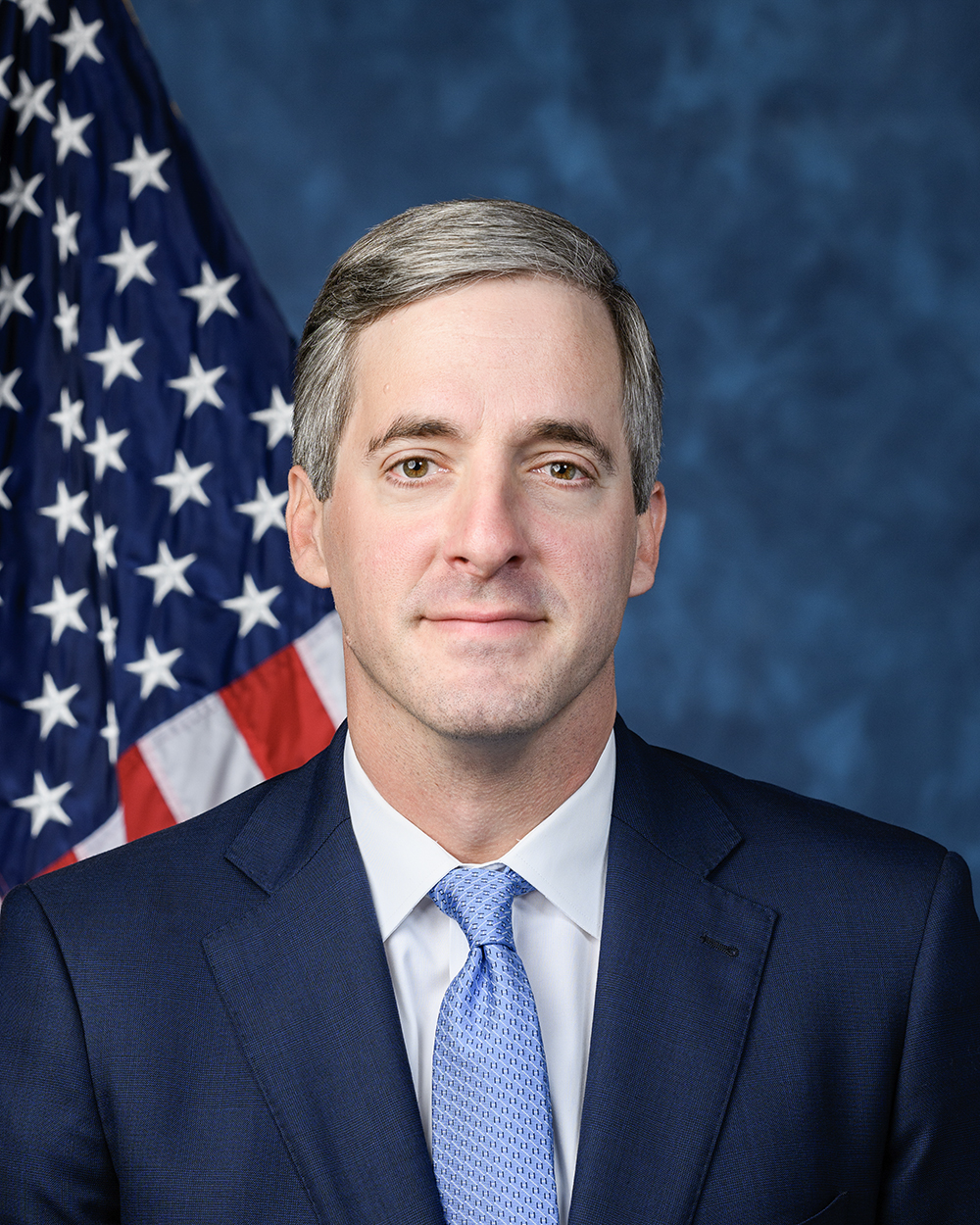
Brad Knott
Brad Knott House · District 13
R
Oppose
28% 18
Pat Harrigan
Pat Harrigan House · District 10
R
Oppose
28% 18
Showing 1,971–1,980 of 3,230 bills

All healthcare bills

passed · United States · Senate Dec 15, 2025

S 620: Veterinary Services to Improve Public Health in Rural Communities Act

S 620, the "Veterinary Services to Improve Public Health in Rural Communities Act," authorizes the Indian Health Service to provide public health veterinary services to tribal communities in rural areas to prevent and control zoonotic diseases (diseases that spread between animals and humans). These services include spaying/neutering, vaccinations, disease surveillance, and other activities that reduce disease transmission risk. The bill also requires the Department of Agriculture to study the delivery of oral rabies vaccines to wildlife in Arctic regions to protect tribal members, and mandates biennial reports to Congress on program implementation.
Sub-Topics Public Health Tags Rural Communities Tribal Nations
signed · United States · Senate Jul 16, 2025

S 331: HALT Fentanyl Act

Halt All Lethal Trafficking of Fentanyl Act or the HALT Fentanyl Act This act permanently places fentanyl-related substances as a class into schedule I of the Controlled Substances Act. A schedule I controlled substance is a drug, substance, or chemical that has a high potential for abuse; has no currently accepted medical value; and is subject to regulatory controls and administrative, civil, and criminal penalties under the Controlled Substances Act. Under the act, offenses involving fentanyl-related substances are triggered by the same quantity thresholds and subject to the same penalties as offenses involving fentanyl analogues (e.g., offenses involving 100 grams or more trigger a 10-year mandatory minimum prison term). Additionally, the act establishes a new, alternative registration process for certain schedule I research. The act also makes several other changes to registration requirements for conducting research with controlled substances, including permitting a single registration for related research sites in certain circumstances, waiving the requirement for a new inspection in certain situations, and allowing a registered researcher to perform certain manufacturing activities with small quantities of a substance without obtaining a manufacturing registration. Finally, the act expresses the sense that Congress agrees with the interpretation of the Controlled Substances Act in United States v. McCray , a 2018 case decided by the U.S. District Court for the Western District of New York. In that case, the court held that butyryl fentanyl, a controlled substance, can be considered an analogue of fentanyl even though, under the Controlled Substances Act, the term controlled substance analogue specifically excludes a controlled substance.
in committee · United States · House Nov 25, 2025

HR 6296: Advancing Access to Telehealth Act

The Advancing Access to Telehealth Act makes permanent Medicare's temporary telehealth flexibilities that were expanded during the public health emergency. It allows Medicare beneficiaries to receive telehealth services for mental health, stroke care, substance use disorder, and home dialysis without needing an initial in-person visit. The bill also expands eligibility for telehealth providers to include more healthcare professionals and permanently authorizes Federally Qualified Health Centers and Rural Health Clinics to offer telehealth services. Additionally, it permits audio-only telehealth calls for certain services, removing previous video-only requirements.
in committee · United States · Senate Jan 22, 2025

S 183: Fiscal Year 2025 Veterans Affairs Major Medical Facility Authorization Act

This bill authorizes $1.567 billion in funding for two specific Veterans Affairs (VA) facility projects in fiscal year 2025. It directly affects VA medical centers in West Los Angeles, California (for a new critical care center, utility plant, and building renovations) and Dallas, Texas (for expanded mental health space, parking, and land acquisition). The bill sets maximum spending limits for each project ($1.46 billion for LA and $106.4 million for Dallas) but does not create new policy or alter veteran benefits. It solely provides authorization for construction and renovation work at these designated locations.
in committee · United States · House Sep 10, 2025

HR 5281: REAL Health Providers Act

HR 5281, the REAL Health Providers Act, requires Medicare Advantage (MA) plans to maintain accurate, publicly accessible provider directories starting in 2028. It mandates that plans verify directory information every 90 days (or annually for hospitals), flag outdated entries, and remove providers no longer in-network within 5 business days. The bill also ensures Medicare beneficiaries are not charged extra for services from providers listed in directories but not actually in-network, covering the difference between in-network and out-of-network cost-sharing. MA plans must report annual accuracy scores to Medicare, which will be published online starting in 2029, with $4 million allocated for implementation. This directly affects MA organizations and beneficiaries by improving access to reliable provider information and reducing unexpected costs.
Sub-Topics Medicare
passed · United States · House Jun 24, 2025

HR 1520: Charlotte Woodward Organ Transplant Discrimination Prevention Act

This bill prohibits transplant centers and healthcare providers from denying organ transplants or related services solely based on a patient's disability. It requires covered entities to make reasonable modifications to policies (like considering a patient's support network or using communication aids) and to avoid denying care due to lack of auxiliary aids. The law applies to all transplant stages - including evaluation, listing, and post-transplant care - and explicitly states it complements, rather than replaces, existing disability rights laws like the ADA. It allows medical considerations only if a physician determines a disability is medically significant to the transplant, after individual evaluation.
Tags People with Disabilities
in committee · United States · Senate Mar 12, 2025

S 987: Protecting Life and Integrity in Research Act of 2025

This bill prohibits federal agencies from funding, supporting, or conducting research using human fetal tissue obtained from induced abortions. It allows federal research on tissue from miscarriages or stillbirths (defined as loss before 20 weeks or at 20+ weeks, respectively) and permits development of new cell lines not derived from abortion tissue. The bill amends the Public Health Service Act to restrict permissible tissue sources to miscarriage/stillbirth and revises definitions accordingly. It also repeals a prior provision allowing research on abortion-derived tissue and adds new restrictions on soliciting or accepting such tissue.
in committee · United States · House Jul 17, 2025

HR 4475: Medicare Orthotics and Prosthetics Patient-Centered Care Act

This bill prohibits Medicare from paying for orthotics or prosthetics delivered directly to patients without in-person training from a qualified provider (a "drop shipment"), ensuring beneficiaries receive proper fitting and use instructions. It expands the list of healthcare providers who can prescribe these devices to include physical therapists, occupational therapists, orthotists, and prosthetists. The bill also specifically requires Medicare to cover replacements for custom-fitted orthotics and custom-fabricated orthotic devices, aligning with existing rules for prosthetic replacements. These changes aim to improve patient safety and access to properly fitted devices under Medicare.
Sub-Topics Medicare
passed · United States · House Jul 21, 2026

HR 2001: Action for Dental Health Act

HR 2001 increases annual funding for a grant program supporting dental workforce development from $13.9 million to $15 million, extending the program through fiscal years 2026-2030 (previously 2019-2023) under the Public Health Service Act. The bill modifies existing funding levels to maintain support for addressing dental workforce shortages, with funds remaining available until expended. This change directly affects the operation of the grant program and its ability to fund dental workforce initiatives.
in committee · United States · Senate Jun 11, 2025

S 2029: My Body, My Data Act of 2025

The My Body, My Data Act of 2025 requires companies and services handling personal reproductive or sexual health information - such as health apps, clinics, or digital platforms - to only collect, retain, or share this data when strictly necessary for a service a person has requested. It gives individuals the right to access, correct, or delete their data easily (within 15 days, without fees), and mandates clear privacy policies explaining how data is used. The bill also prohibits companies from retaliating against people who exercise these rights, such as by charging higher prices or denying services. Enforcement will be handled by the Federal Trade Commission, with individuals able to sue for violations and seek penalties of up to $1,000 per violation per day.
Sub-Topics Consumer Data Protection Data Privacy Tags Privacy
Showing 1,971 to 1,980 of 3,230 bills