Issue · Healthcare

Healthcare

Every healthcare bill, vote, and legislator stance in United States, automatically classified by Maddy, our AI policy reader.

Total bills
3,230
119th Congress
Top supporter
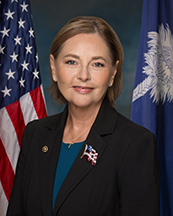
Darline Graham
82% support rate
Top opponent
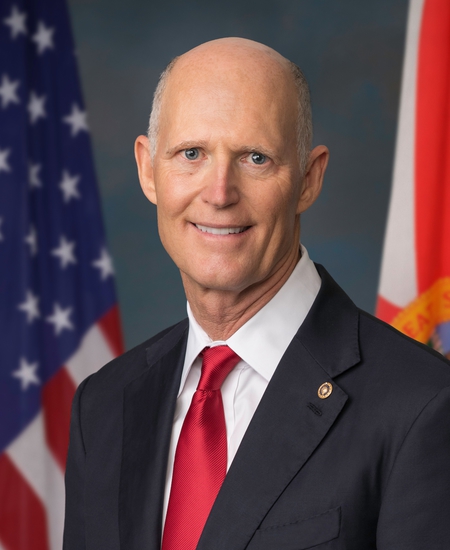
Rick Scott
19% support rate
Ranked legislators
10
5 support · 5 oppose
Key legislators

Who's moving healthcare in United States

Legislators moving healthcare in United States
Legislator Party Stance Support rate Decisive votes
Darline Graham
Darline Graham Senate
R
Strong +
82% 11
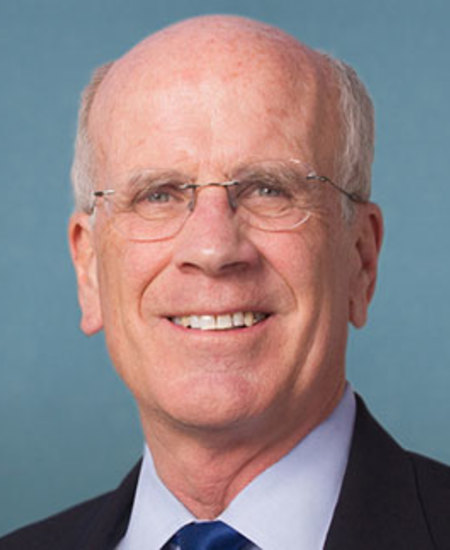
Peter Welch
Peter Welch Senate
D
Strong +
81% 27
Ron Wyden
Ron Wyden Senate
D
Support
78% 27
Alex Padilla
Alex Padilla Senate
D
Support
77% 26
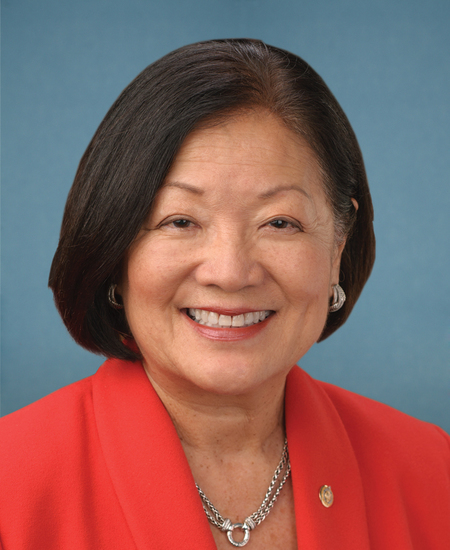
Mazie K. Hirono
Mazie K. Hirono Senate
D
Support
74% 27
Rick Scott
Rick Scott Senate
R
Strong −
19% 27
Ashley Moody
Ashley Moody Senate
R
Oppose
22% 27
Rand Paul
Rand Paul Senate
R
Oppose
22% 27
Brad Knott
Brad Knott House · District 13
R
Oppose
28% 18
Pat Harrigan
Pat Harrigan House · District 10
R
Oppose
28% 18
Showing 1,961–1,970 of 3,230 bills

All healthcare bills

passed · United States · House Jul 21, 2026

HR 6238: NIH IMPROVE Act

The NIH IMPROVE Act (HR 6238) establishes a new NIH research initiative focused on improving maternal health outcomes in the U.S. It directly affects pregnant and postpartum women, particularly those in communities experiencing health disparities linked to higher maternal mortality and severe maternal morbidity. The bill authorizes $73.4 million annually (2026-2031) for NIH to fund research targeting preventable causes of maternal deaths, reduce health disparities, and evaluate community-based interventions. Key provisions require NIH to advance evidence-based solutions through grants and studies on biological, behavioral, and regional factors affecting maternal health before, during, and after pregnancy.
Sub-Topics Women's Health
in committee · United States · House Mar 26, 2025

HR 2383: Protecting Kids from Fentanyl Act of 2025

This bill allows schools to use existing public health block grants to purchase naloxone (a medication that reverses opioid overdoses) and provide training for school staff on its use. It directly affects schools, teachers, nurses, administrators, and students by requiring the allocation of funds for naloxone kits, staff training, and fentanyl awareness education. Key provisions include adding specific grant uses for naloxone procurement, training school personnel in administration, and distributing fentanyl safety materials to students. The bill amends the Public Health Service Act to enable these concrete, preventative measures within educational settings.
in committee · United States · House Sep 10, 2025

HR 5282: Reauthorizing Support and Treatment for Officers in Crisis Act of 2025

This bill reauthorizes the existing program providing support and treatment services for law enforcement officers experiencing mental health crises. It extends the funding authorization period from 2020-2024 to 2025-2029 under the Omnibus Crime Control and Safe Streets Act of 1968. The bill directly affects law enforcement officers who access these crisis support services through participating state and local programs. It makes no new policy changes but ensures the current program continues operating without interruption for five additional years.
in committee · United States · House Feb 12, 2026

HR 7531: Healthy Families Act

This bill requires most employers to provide workers with earned paid sick leave. Employees would earn 1 hour of paid sick time for every 30 hours worked, up to 56 hours per year, which can be used for their own illness, medical care, caring for family members (including children, parents, spouses, domestic partners, or other family-like relationships), or addressing domestic violence, sexual assault, or stalking situations. The bill prohibits employers from retaliating against workers who use this leave and requires employers to inform employees about their rights. It ensures that workers who leave and return to the same employer within a year can reinstate their unused sick leave. This law would not override more generous state or local paid leave policies.
in committee · United States · House Jan 2, 2026

HR 6937: End H-1B Now Act

This bill would gradually phase out the H-1B visa program, reducing annual caps from 10,000 in fiscal year 2026 to zero by 2035. It eliminates H-1B eligibility for fashion models, requires applicants to maintain foreign residence, and restricts specialty occupation visas to only physicians, surgeons, and nurses. Additionally, the bill prohibits Medicare funding for medical residency programs training foreign nationals. These changes directly affect foreign workers seeking H-1B visas, employers who sponsor them, and healthcare training programs receiving federal funding.
Sub-Topics Medicare Enforcement
in committee · United States · House Jan 5, 2026

HR 6454: VA Zero Suicide Demonstration Project Act of 2025

HR 6454 establishes a 5-year pilot program at five Department of Veterans Affairs (VA) medical centers to improve suicide care for veterans. The program requires VA staff at these sites to complete a 10-week training curriculum based on the Zero Suicide Institute's model, focusing on suicide screening, risk assessment, safety planning, and care transitions. It mandates annual reports to Congress tracking staff training completion, policy alignment with the Institute's standards, and comparisons of suicide-related outcomes (like screenings and hospitalizations) between pilot sites and other VA facilities. The pilot includes one site primarily serving rural veterans and requires site selection based on factors like regional suicide rates and staff capacity. The program will conclude after five years unless the VA extends it for up to two more years.
in committee · United States · House May 20, 2026

HR 6733: VISN Reform Act of 2025

The VISN Reform Act of 2025 reorganizes the Veterans Health Administration’s 23 regional networks (VISNs) into eight geographically defined networks. It requires consolidating specific existing VISNs (e.g., combining VISNs 1, 2, and 4 into one network) and limits each VISN headquarters to 50 employees (no more than 10 contractors). The bill mandates a reorganization plan within 180 days of enactment, focusing on reducing duplicate functions, aligning services with veteran needs, and ensuring headquarters staff do not reduce access to care. This directly affects VA healthcare operations, including facility management, staffing at VISN headquarters, and coordination with state/local veteran services. The reform aims to streamline administration while maintaining accountability through annual reports to Congress and triennial network reviews.
in committee · United States · House Nov 20, 2025

HR 6191: No Taxpayer Funded Abortion Travel for Illegal Aliens Act

This bill prohibits federal funds from being used to cover any abortion-related expenses for individuals classified as "illegal aliens" under immigration law. It specifically blocks taxpayer money from paying for travel, lodging, meals, childcare, translation, doula care, or patient education services connected to abortion access. The law directly affects non-citizens who are inadmissible or deportable under specific immigration statutes (as defined in the Immigration and Nationality Act). It applies to all federal programs and funds, restricting assistance for abortion services beyond the procedure itself.
Sub-Topics Women's Health
in committee · United States · Senate May 20, 2025

S 237: Honoring Our Fallen Heroes Act of 2025

This bill expands benefits for public safety officers (like police and firefighters) who develop certain cancers linked to their work. It creates a presumption that specific cancers - such as lung, bladder, or mesothelioma - were caused by job-related exposure to carcinogens, if the officer served at least 5 years, was diagnosed within 15 years of leaving active duty, and the cancer caused death or permanent disability. The list of covered cancers will be updated every 3 years based on medical evidence from agencies like the National Institute for Occupational Safety and Health. Claims must be filed within 3 years of the bill’s enactment, applying to cases involving deaths or disabilities occurring after January 1, 2020.
Sub-Topics Workplace Safety
in committee · United States · Senate Jun 5, 2025

S 1960: PEAKS Act

S 1960 (PEAKS Act) modifies distance requirements for critical access hospitals (CAHs) in rural areas with mountainous terrain or limited road access. It allows hospitals already designated as CAHs that met the 15-mile distance rule at their last certification to be deemed compliant after January 1, 2026, provided they have a new facility within 10-15 miles. This change specifically affects CAHs in remote regions where road conditions make meeting standard distance thresholds difficult. The bill requires the Health Secretary to issue regulations within one year of enactment to implement these provisions. It does not alter current CAH requirements but extends flexibility for qualifying hospitals facing geographic challenges.
Sub-Topics Hospitals
Showing 1,961 to 1,970 of 3,230 bills