Issue · Healthcare

Healthcare

Every healthcare bill, vote, and legislator stance in United States, automatically classified by Maddy, our AI policy reader.

Total bills
3,230
119th Congress
Top supporter
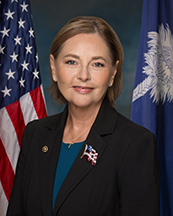
Darline Graham
82% support rate
Top opponent
Rick Scott
19% support rate
Ranked legislators
10
5 support · 5 oppose
Key legislators

Who's moving healthcare in United States

Legislators moving healthcare in United States
Legislator Party Stance Support rate Decisive votes
Darline Graham
Darline Graham Senate
R
Strong +
82% 11
Peter Welch
Peter Welch Senate
D
Strong +
81% 27
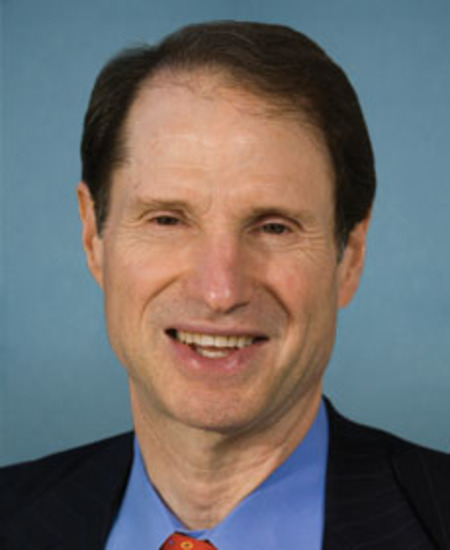
Ron Wyden
Ron Wyden Senate
D
Support
78% 27
Alex Padilla
Alex Padilla Senate
D
Support
77% 26
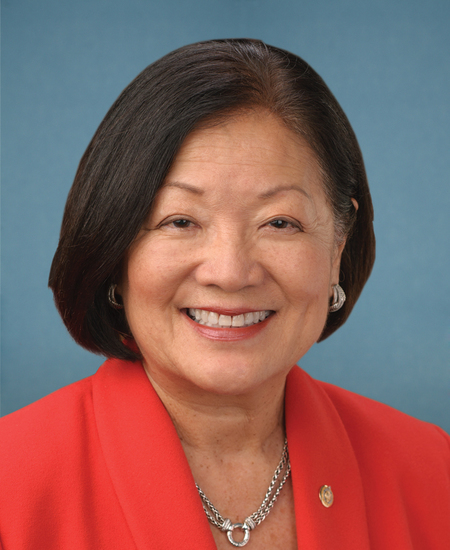
Mazie K. Hirono
Mazie K. Hirono Senate
D
Support
74% 27
Rick Scott
Rick Scott Senate
R
Strong −
19% 27
Ashley Moody
Ashley Moody Senate
R
Oppose
22% 27
Rand Paul
Rand Paul Senate
R
Oppose
22% 27
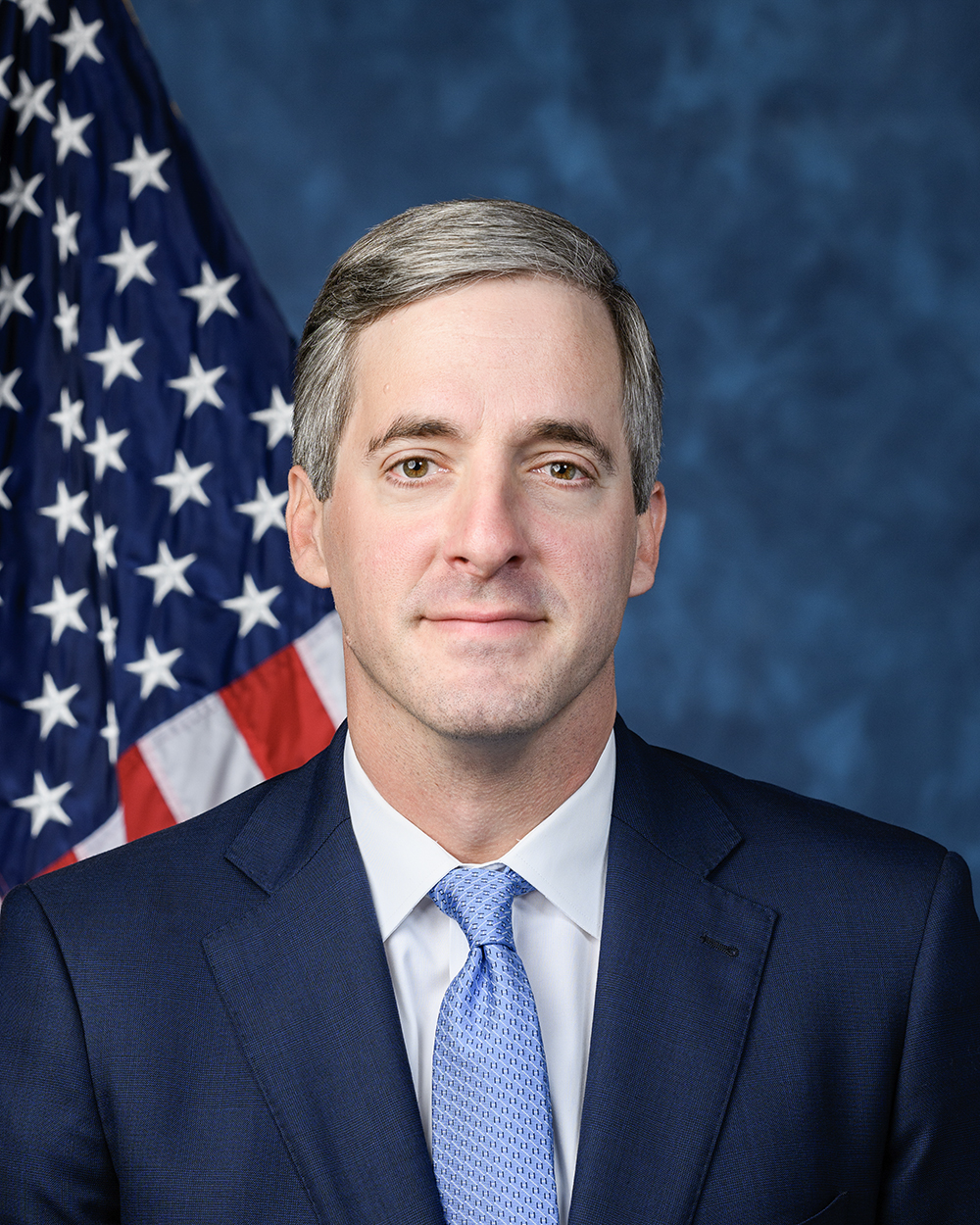
Brad Knott
Brad Knott House · District 13
R
Oppose
28% 18
Pat Harrigan
Pat Harrigan House · District 10
R
Oppose
28% 18
Showing 1,681–1,690 of 3,230 bills

All healthcare bills

in committee · United States · House Feb 10, 2025

HR 1160: Health Care Provider Shortage Minimization Act of 2025

HR 1160, the Health Care Provider Shortage Minimization Act of 2025, changes tax treatment for temporary healthcare providers. It clarifies that locum tenens physicians (including doctors of medicine, dentistry, or podiatry) and advanced care practitioners (like nurse practitioners and physician assistants) working temporarily at a site for up to one year are not treated as employees for tax purposes. This means their pay is not considered employment income, and neither the facility, contracting agency, nor payor is treated as their employer. The law applies to services performed under written contracts specifying this tax status, effective after the bill's enactment.
in committee · United States · House Sep 30, 2025

HR 5618: Housing PLUS Act of 2025

This bill changes how federal homeless assistance funds are distributed. It prevents the government from blocking grants to programs that require supportive services (like job training or addiction treatment) for residents, or that set occupancy conditions (such as sobriety requirements), and protects faith-based organizations from exclusion. At least 50% of funds must go to grantees offering wraparound services, and the government must report annually to Congress on compliance. It directly affects homeless assistance providers receiving McKinney-Vento funds. The bill focuses on funding rules, not new services or outcomes.
in committee · United States · House Jun 25, 2025

HR 4121: Agriculture, Rural Development, Food and Drug Administration, and Related Agencies Appropriations Act, 2026

# Summary of the Agriculture, Rural Development, Food and Drug Administration, and Related Agencies Appropriations Act, 2026 This comprehensive appropriations bill provides funding for the Department of Agriculture, Rural Development, Food and Drug Administration, and related agencies for fiscal year 2026. Key provisions include: ## Major Funding Provisions - $2 billion for Rural Development programs - $1.5 billion for Food and Drug Administration operations - $2 million for the Meat and Poultry Processing Expansion Program - $2 million for Section 758 of P.L. 118-42 - $1.5 million for grants under Section 12502 of Public Law 115-334 ## Significant Restrictions on Fund Usage - **Prohibits funds** for diversity, equity and inclusion initiatives or any program promoting Critical Race Theory (Section 755) - **Prohibits implementation** of certain proposed rules on poultry grower contracting and livestock markets (Section 729) - **Restricts SNAP variety requirements** until regulatory amendments are made (Section 726) - **Prohibits new guidelines** for Listeria monocytogenes until FDA considers new science (Section 756) - **Prohibits new sodium reduction regulations** until impact assessment is completed (Section 757) - **Requires congressional approval** for reprogramming of funds (Section 716) - **Limits indirect cost rates** on cooperative agreements to 10% of total direct cost (Section 704) ## Other Notable Provisions - Rescinds $100 million from WIC program unobligated balances (Section 722) - Rescinds $100 million from conservation activities unobligated balances (Section 778) - Rescinds $100 million from Inflation Reduction Act funds (Section 779) - Prohibits use of funds for certain tobacco product regulations (Section 773) - Requires specific study on applying "Buy American" requirements to nutrition programs (Section 775) - Prohibits use of funds for certain food traceability rules before August 1, 2028 (Section 766) The bill contains numerous specific restrictions on how federal funds may be spent, reflecting a strong emphasis on limiting government spending and regulating program implementation through detailed legislative language.
in committee · United States · Senate May 21, 2025

S 219: Veterans Health Care Freedom Act

The Veterans Health Care Freedom Act establishes a 3-year pilot program (starting one year after enactment) in at least four VA service networks, allowing eligible veterans enrolled in VA health care to choose their primary and specialty care providers from a broader network of VA facilities and non-VA providers with VA agreements. It removes current restrictions requiring veterans to use providers only in their local VA network or limiting non-VA care to situations where VA care was "unavailable." After the pilot, these expanded choices become permanent, meaning veterans will always be able to select providers without those restrictions and VA will provide care at any VA facility, regardless of the facility's network location relative to the veteran's residence.
in committee · United States · House May 21, 2025

HR 3527: Real Education and Access for Healthy Youth Act of 2025

The Real Education and Access for Healthy Youth Act of 2025 would provide federal grants to support comprehensive sex education and sexual health services for young people aged 10-29. The bill establishes four grant programs: for K-12 schools and youth organizations, for colleges and universities, for educator training, and for sexual health services specifically targeting underserved youth. To qualify for funding, programs must be evidence-informed, medically accurate, inclusive of diverse gender identities and sexual orientations, culturally responsive, and trauma-informed. The bill appropriates $100 million annually for fiscal years 2026-2031, with specific funding allocations for each program type. It prohibits funding for programs that withhold health information, promote stereotypes, or fail to address the needs of specific groups like pregnant youth or survivors of violence.
in committee · United States · House Jun 12, 2025

HR 3990: Disaster Relief Medicaid Act

The Disaster Relief Medicaid Act creates a new Medicaid program to provide medical assistance to individuals affected by disasters. It establishes a "relief coverage period" of two years beginning when a disaster is declared, during which survivors can receive Medicaid benefits without meeting standard income requirements. The bill simplifies the application process by removing documentation requirements and provides 100% federal funding for these services. It includes special provisions for pregnant individuals, those with pending applications, and individuals requiring home and community-based services. The program applies to individuals who were residents of the disaster area or lost employment due to the disaster, with benefits available to survivors regardless of their home state.
Sub-Topics Medicaid Medicare Public Health Tags Emergency Management
in committee · United States · House Nov 7, 2025

HR 5933: HSAs For Heroes Act

HR 5933, the HSAs For Heroes Act, expands eligibility for Health Savings Accounts (HSAs) to veterans who served in active military service and were honorably discharged, regardless of whether they have a service-connected disability. It removes the current requirement that veterans must have a service-connected disability to contribute to an HSA, allowing them to use HSA funds for cost-sharing on treatments already covered by VA benefits. The bill also adds "qualified caregiving" periods (like those under the Family and Medical Leave Act) as allowable reasons to withdraw HSA funds without penalty and increases annual HSA contribution limits to $9,000. These changes apply to contributions made after 2025, with the goal of making HSAs more accessible to veterans for healthcare expenses.
in committee · United States · House Sep 8, 2025

HR 5197: Protect Beneficiaries from Middlemen Act

The Protect Beneficiaries from Middlemen Act (HR 5197) limits out-of-pocket costs for Medicare Part D beneficiaries on prescription drugs. Starting in 2027, the bill caps the amount a beneficiary pays for a month’s supply of a covered drug (after meeting the deductible but before reaching the out-of-pocket threshold) at either the drug’s average net price (actual cost to the plan after rebates) or the pharmacy’s standard cash price (what a patient would pay without insurance), whichever is lower. This applies to all Medicare Part D drug plans and aims to prevent beneficiaries from paying more than the drug’s actual cost. The bill also requires a GAO report by January 2029 to evaluate compliance and enforcement of these cost-sharing limits.
in committee · United States · House Jul 23, 2025

HR 4752: Reducing Hereditary Cancer Act

HR 4752, the Reducing Hereditary Cancer Act, requires Medicare to cover genetic testing for germline mutations in individuals with a family history of hereditary cancer or suspicious personal/family history. It mandates coverage for risk-reducing surgeries (like mastectomies or hysterectomies) when guided by evidence-based clinical guidelines, and increases the frequency of cancer screenings (such as mammograms, colonoscopies, and breast MRI) for Medicare beneficiaries confirmed to have hereditary cancer gene mutations - ensuring screenings occur at least annually. The bill applies to Medicare beneficiaries with specific high-risk profiles, aligning coverage with guidelines from recognized oncology organizations like the National Comprehensive Cancer Network. It does not change eligibility but modifies Medicare’s existing coverage rules to expand access to these preventive services.
Sub-Topics Medicare
in committee · United States · Senate Dec 2, 2025

S 1320: Servicewomen and Veterans Menopause Research Act

This bill requires the Secretaries of Defense and Veterans Affairs to evaluate existing research on menopause, perimenopause, and mid-life health for women serving in the military or who are veterans. It directs them to identify gaps in knowledge about treatments for symptoms, the impact of military service (including combat exposure and toxins like PFAS), and the availability of care and training for healthcare providers. Within 180 days of enactment, the departments must submit a report and strategic plan to Congress detailing findings and outlining steps to address research gaps and improve care. The law directly affects military women, veterans, and their healthcare providers by aiming to enhance understanding and services for menopause-related health issues.
Sub-Topics Veteran Healthcare
Showing 1,681 to 1,690 of 3,230 bills