Issue · Healthcare

Healthcare

Every healthcare bill, vote, and legislator stance in United States, automatically classified by Maddy, our AI policy reader.

Total bills
2,910
119th Congress
Top supporter
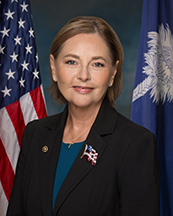
Darline Graham
100% support rate
Top opponent
Ashley Moody
18% support rate
Ranked legislators
10
5 support · 5 oppose
Key legislators

Who's moving healthcare in United States

Legislators moving healthcare in United States
Legislator Party Stance Support rate Decisive votes
Darline Graham
Darline Graham Senate
R
Strong +
100% 6
AA
Alan Armstrong Senate
R
Strong +
88% 8
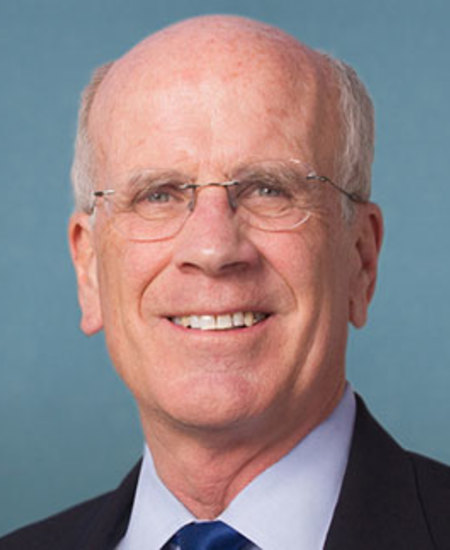
Peter Welch
Peter Welch Senate
D
Strong +
82% 22
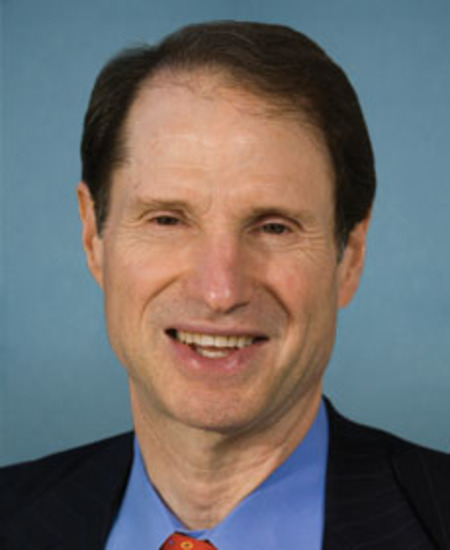
Ron Wyden
Ron Wyden Senate
D
Support
77% 22
Alex Padilla
Alex Padilla Senate
D
Support
76% 21
Ashley Moody
Ashley Moody Senate
R
Strong −
18% 22
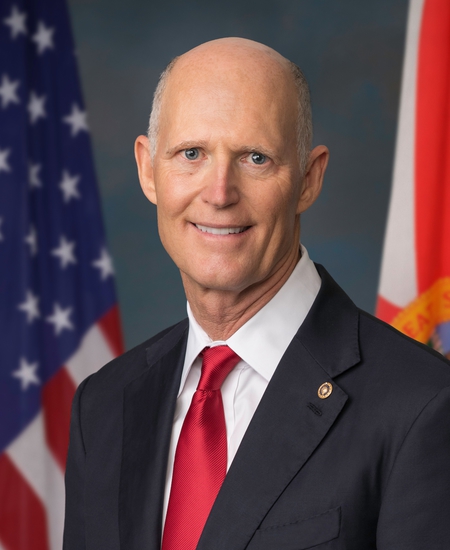
Rick Scott
Rick Scott Senate
R
Strong −
18% 22
Rand Paul
Rand Paul Senate
R
Oppose
23% 22
Brad Knott
Brad Knott House · District 13
R
Oppose
28% 18
Pat Harrigan
Pat Harrigan House · District 10
R
Oppose
28% 18
Showing 131–140 of 2,910 bills

All healthcare bills

in committee · United States · Senate Jul 22, 2026

S 5091: Medicaid Dental Benefit Act of 2026

The Medicaid Dental Benefit Act of 2026 requires states to cover comprehensive dental and oral health services for adult Medicaid enrollees, with the mandate taking effect in January 2028. To support this expansion, the federal government will reimburse 100% of state expenditures for these new benefits for a period of three years, effectively shifting the financial burden from state budgets to federal funds. The bill also directs the Department of Health and Human Services to establish standardized quality and equity measures for adult oral care and requires states to submit annual reports on access disparities and benefit limitations. Additionally, it authorizes funding for outreach programs designed to educate eligible adults about their new coverage and connects them with culturally competent dental providers.
Sub-Topics Medicaid
in committee · United States · House Aug 6, 2026

HR 10068: PROTECT Act

The PROTECT Act directs the Centers for Disease Control and Prevention to launch a five-year initiative aimed at reducing youth and young adult use of e-cigarettes and other emerging tobacco products. The bill authorizes $500 million in funding over five years to support research on usage patterns, health impacts, and cessation behaviors, as well as the development of new prevention strategies and public education campaigns. It also requires the creation of guidance for healthcare providers and schools on how to intervene with young users and improve access to quitting services. Additionally, the legislation mandates continued funding for state and local health departments to implement these prevention and cessation efforts.
in committee · United States · House Aug 10, 2026

HR 10072: Hardworking Seniors Act

The Hardworking Seniors Act would allow individuals who are eligible for Medicare Part A hospital insurance based on their age to contribute to Health Savings Accounts (HSAs). Currently, these individuals are generally prohibited from making HSA contributions once they become entitled to any form of Medicare. The bill modifies the Internal Revenue Code to exclude age-based Medicare Part A entitlement from the definition of conditions that disqualify a person from contributing to an HSA. This change would take effect for taxable months beginning after December 31, 2026.
Sub-Topics Hospitals Medicare Tags Seniors
in committee · United States · Senate Aug 6, 2026

S 5321: HCBS Access Act

The HCBS Access Act would require states to cover home and community-based services (HCBS) as a mandatory benefit under Medicaid, effectively eliminating waiting lists for individuals with disabilities and older adults who need support to live in their communities rather than institutions. To fund this expansion, the bill provides a 100% federal matching rate for these services if states meet specific requirements, such as improving workforce wages, removing access barriers, and establishing infrastructure to support self-directed care models. Additionally, the legislation creates a national technical assistance center and authorizes grants to recruit, train, and retain direct care workers, while also prohibiting states from placing liens on the assets of Medicaid recipients for medical assistance correctly paid.
in committee · United States · Senate Aug 4, 2026

S 5236: Improving CARE for Youth Act

The Improving CARE for Youth Act amends the Social Security Act to prevent state Medicaid plans from denying payment for mental health or primary care services provided on the same day as a qualifying service. This legislation directly affects individuals receiving Medicaid coverage, particularly those who visit outpatient facilities for both physical and mental health treatments during a single visit. By establishing that states cannot prohibit reimbursement for these concurrent services, the bill ensures that patients are not financially penalized for combining different types of care in one appointment. The measure defines "same-day qualifying services" as primary or mental health visits occurring at the same facility on the same day, regardless of whether the providers are identical.
Sub-Topics Children's Health Medicaid Mental Health Tags Children
in committee · United States · Senate Aug 6, 2026

S 5292: GREEN Hospitals Act

The GREEN Hospitals Act authorizes $100 billion in Hill-Burton grants for the construction or modernization of medical facilities, with priority given to projects that incorporate climate resilience features such as renewable energy systems, air quality improvements, and flood protection. The bill also establishes a separate $5 billion Planning and Evaluation Grant Program to help states, tribal governments, and nonprofits develop sustainability plans for hospitals and clinics. To receive funding, applicants must demonstrate that their facilities serve vulnerable populations or environmental justice communities and certify that they respect employee labor rights by maintaining collective bargaining agreements or non-interference policies. Additionally, the legislation requires that at least 50 percent of planning grant funds be allocated to projects located in environmental justice communities and prohibits the use of training repayment agreements for employees and apprentices.
in committee · United States · Senate Aug 4, 2026

S 5231: Equity in Pretrial Health Coverage Act

The Equity in Pretrial Health Coverage Act removes federal restrictions that currently prevent individuals awaiting trial from accessing certain government health benefits. The bill amends laws governing Medicaid, Medicare, the Children's Health Insurance Program (CHIP), and Department of Veterans Affairs services to ensure these programs cover medical care for people in custody while their charges are pending. For children enrolled in CHIP, the legislation also mandates coverage for specific screenings and case management services during the 30 days leading up to their release. These changes take effect shortly after enactment, with the Department of Veterans Affairs provision becoming active immediately upon the bill's passage.
in committee · United States · House Aug 6, 2026

HR 10056: Nurse Overtime and Patient Safety Act of 2026

The Nurse Overtime and Patient Safety Act of 2026 prohibits healthcare providers from requiring registered, licensed practical, or licensed vocational nurses to work mandatory overtime beyond a previously scheduled shift, 48 hours in a week, or 12 consecutive hours. The bill allows exceptions during declared emergencies or disasters but requires that alternative staffing measures be attempted first and that the extended work does not extend past the end of the emergency response. Providers who violate these limits face civil money penalties of up to $10,000 per violation, with harsher fines for repeated offenses, and are required to post nurse schedules and rights notices in visible locations. Additionally, the legislation protects nurses from retaliation if they refuse mandatory overtime or report violations, while mandating that the Department of Health and Human Services study safe working hour standards and the Office of Management and Budget review practices in federally operated medical facilities.
passed · United States · Senate Aug 7, 2026

SRES 843: A resolution expressing support for the designation of the first week of August 2026, as "National Community Health Center Week", encouraging all people of the United States to participate by visiting their local community health center, and celebrating the important partnership between community health centers and the communities they serve.

This Senate resolution designates the first week of August 2026 as "National Community Health Center Week" to recognize the role these facilities play in providing affordable primary care across the United States. The bill highlights that community health centers serve a diverse range of populations, including those in rural and urban areas, by offering integrated services such as mental health, dental, and pharmacy care. It encourages the general public to participate in the observance by visiting local centers and celebrating the partnership between these organizations and their communities.
in committee · United States · Senate Aug 4, 2026

S 5237: Stop Superbugs Act

The Stop Superbugs Act directs the National Institute of Allergy and Infectious Diseases to award a competitive grant for an Antibiotic Resistance Leadership Group. This group will establish a clinical research network focused on speeding up the recruitment of trial participants and conducting outreach in community settings. The bill also requires the network to integrate new diagnostic tools with pharmaceutical innovations during trials and develop patient-reported outcome measures. Funding is authorized to cover the costs associated with implementing these specific research initiatives.
Showing 131 to 140 of 2,910 bills
Previous 1 … 13 14 15 … 291 Next