Issue · Environment

Environment

Every environment bill, vote, and legislator stance in United States, automatically classified by Maddy, our AI policy reader.

Total bills
1,978
119th Congress
Top supporter
Aisha Wahab
100% support rate
Top opponent
Marsha Blackburn
11% support rate
Ranked legislators
10
5 support · 5 oppose
Key legislators

Who's moving environment in United States

Legislators moving environment in United States
Legislator Party Stance Support rate Decisive votes
Aisha Wahab
Aisha Wahab House · District 14
D
Strong +
100% 7
Everton Blair Jr.
Everton Blair Jr. House · District 13
D
Strong +
89% 9
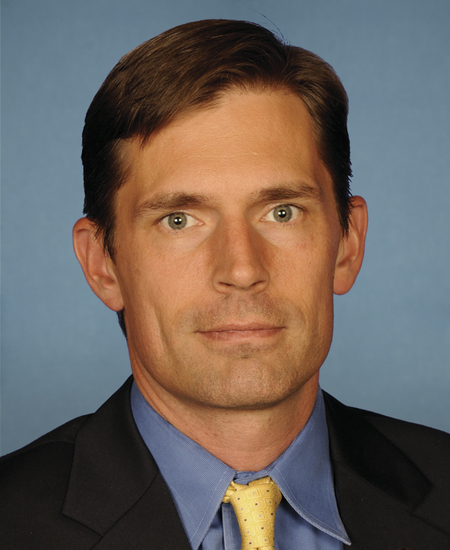
Martin Heinrich
Martin Heinrich Senate
D
Strong +
84% 37
Adam B. Schiff
Adam B. Schiff Senate
D
Support
79% 53
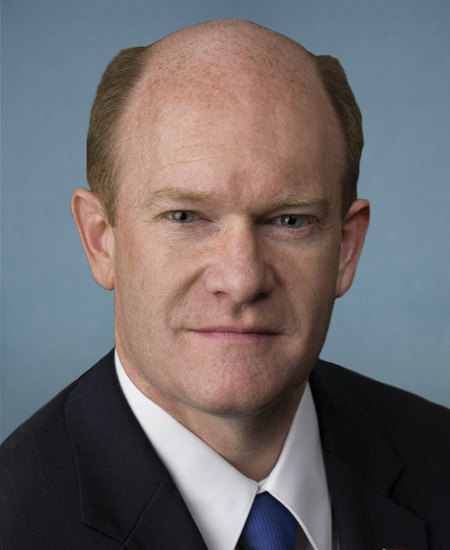
Christopher A. Coons
Christopher A. Coons Senate
D
Support
79% 52
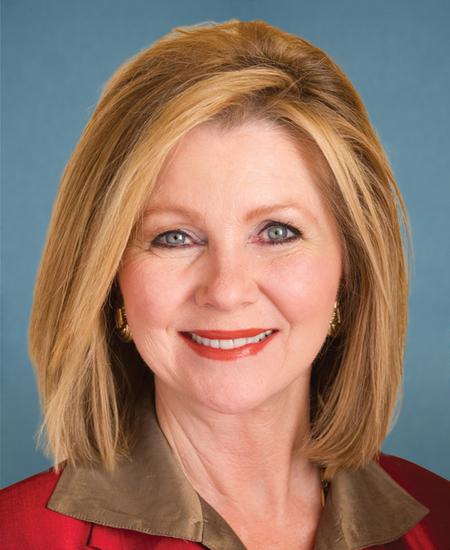
Marsha Blackburn
Marsha Blackburn Senate
R
Strong −
11% 36
Ted Budd
Ted Budd Senate
R
Strong −
20% 40
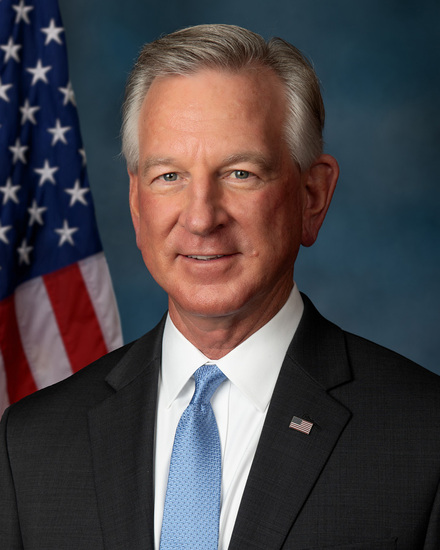
Tommy Tuberville
Tommy Tuberville Senate
R
Oppose
21% 53
Bill Cassidy
Bill Cassidy Senate
R
Oppose
22% 54
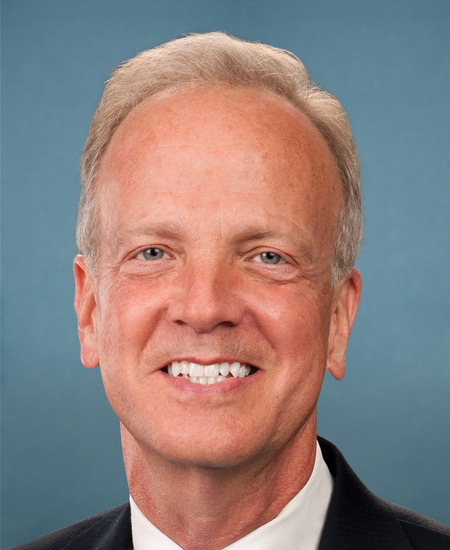
Jerry Moran
Jerry Moran Senate
R
Oppose
23% 53
Showing 1,691–1,700 of 1,978 bills

All environment bills

in committee · United States · Senate Dec 9, 2025

S 2270: Myakka Wild and Scenic River Act of 2025

S 2270 designates approximately 34 miles of the Myakka River in Sarasota County, Florida, as part of the National Wild and Scenic Rivers System, dividing it into eight segments classified as scenic, wild, or recreational. The bill requires the Secretary of the Interior to manage the river through cooperative agreements with Florida's Department of Environmental Protection, Sarasota County, and cities like Venice and North Port, while working with the existing Myakka River Management Coordinating Council. It prohibits land acquisition through condemnation and ensures local management authority under Florida law (section 258.501) remains intact. The designation directly affects landowners, local governments, and conservation efforts within the river's watershed, aiming to protect the river's natural and recreational values.
in committee · United States · Senate Oct 23, 2025

S 3049: Fair Air Enforcement Act of 2025

This bill repeals Section 304 of the Clean Air Act, which established civil penalty provisions for violations. It removes the specific penalty framework for air pollution enforcement but does not create new regulations or directly affect any entities. The bill includes minor conforming amendments throughout the Clean Air Act to update references to the repealed section. This is a procedural change with no new policy implementation or direct impact on regulated parties.
Sub-Topics Air Quality
passed · United States · Senate Nov 20, 2025

S 2110: REUSE Act of 2025

The REUSE Act of 2025 requires the Environmental Protection Agency (EPA) to produce a report within two years of enactment. The report will evaluate the feasibility, best practices, and economic impacts of reuse and refill systems for products like food, beverages, cleaning supplies, and shipping containers across various sectors. It will specifically assess job creation opportunities, cost benefits for businesses and waste management, equitable access in different communities, and existing barriers to implementing such systems. The bill does not mandate new regulations but directs the EPA to study how reuse systems could be expanded, affecting businesses and communities that might adopt these models.
in committee · United States · House Jul 17, 2025

HR 4485: Climate-Friendly Food Label Task Force Act

HR 4485, the Climate-Friendly Food Label Task Force Act, establishes a USDA advisory panel to study how to create a voluntary climate-friendly certification for agricultural products. The panel, including scientists, environmental groups, industry representatives, and federal agencies like the EPA and FDA, must report within one year with recommendations on measuring lifecycle emissions, water use, and land effects. The bill prohibits the USDA from creating or promoting any climate-friendly label until this report is complete. This study aims to develop a market-based approach similar to the USDA Organic label, focusing on reducing agricultural emissions without mandating changes. The law does not create the certification itself but sets the process for future development.
Sub-Topics Climate Change
in committee · United States · House Apr 24, 2025

HR 2990: Coastal State Climate Preparedness Act of 2025

This bill establishes a voluntary grant program for coastal states to develop climate adaptation plans and implement projects addressing climate impacts. It provides federal funding for states to create plans identifying vulnerable infrastructure, habitats, and resources, along with strategies like protecting biodiversity, managing coastal erosion, and using green infrastructure. States must align plans with existing hazard mitigation programs and receive federal approval before accessing implementation grants. The program focuses on concrete actions - such as protecting coastal ecosystems, adapting infrastructure, and monitoring environmental changes - without requiring states to modify existing coastal management policies.
in committee · United States · House Nov 20, 2025

HR 6204: Large-Scale Water Recycling Reauthorization Act

HR 6204 extends funding authorization for large-scale water recycling projects by changing the Infrastructure Investment and Jobs Act's Section 40905(k) from a 5-year to a 10-year period. This procedural bill directly affects existing water recycling projects currently funded under the Infrastructure Investment and Jobs Act (Public Law 117-58). The key provision is simply the extension of the authorization period, providing longer-term stability for these projects without creating new programs or altering eligibility.
in committee · United States · Senate Dec 17, 2025

SRES 552: A resolution recognizing that oceans are warming due to human-caused climate change.

SRES 552 is a symbolic Senate resolution recognizing that oceans are warming due to human-caused climate change. It does not create new laws or allocate funding but formally acknowledges scientific consensus on ocean warming impacts, citing data like oceans absorbing 14 zettajoules of excess heat annually. The resolution highlights effects such as coral reef damage, shifting fish populations, and increased harmful algal blooms, which impact coastal economies and ecosystems. It was introduced by Senators Whitehouse, Merkley, Schatz, and others, reflecting bipartisan recognition of climate science without proposing policy changes.
in committee · United States · House Jun 17, 2025

HR 4041: To exempt certain forest management activities in Yosemite National Park from requirements of section 102 of the National Environmental Policy Act of 1969, and for other purposes.

This bill exempts specific forest management activities in Yosemite National Park from standard environmental review requirements under the National Environmental Policy Act (NEPA). It directly affects park managers by allowing fuels removal (like brush clearing) and reforestation planning/execution without needing an environmental assessment or impact statement. The key mechanism is a "categorical exclusion," meaning these activities are automatically exempted from NEPA's review process. This change streamlines park operations for fire prevention and forest restoration work.
in committee · United States · House May 5, 2025

HR 3189: Albatross and Petrel Conservation Act of 2025

The Albatross and Petrel Conservation Act of 2025 establishes conservation measures for albatrosses and petrels in U.S. waters and lands. It requires the Secretaries of Interior and Commerce to protect habitats, manage invasive species threatening these birds, and implement fishing regulations to minimize bycatch in commercial fisheries. The bill creates mechanisms for international cooperation with other countries that are parties to the Agreement on the Conservation of Albatrosses and Petrels. It also establishes procedures for permits and exemptions for certain activities like scientific research while maintaining favorable conservation status for these birds.
Sub-Topics Conservation Wildlife
in committee · United States · House Feb 12, 2025

HR 1261: Land and Water Conservation Fund Water Amendments Act of 2025

This bill amends the Land and Water Conservation Fund program to allow federal funding for state-led water quality projects. It requires states to identify impaired water bodies under federal water law and include proposed restoration projects in their outdoor recreation plans. Funds can now support specific restoration efforts like wetlands, marshes, and living shorelines to improve water quality, but cannot reimburse completed projects or expand federal regulation over waterways. The bill directly affects states developing recreation plans and implementing water quality restoration under existing federal programs.
Showing 1,691 to 1,700 of 1,978 bills