Issue · Environment

Environment

Every environment bill, vote, and legislator stance in United States, automatically classified by Maddy, our AI policy reader.

Total bills
2,003
119th Congress
Top supporter
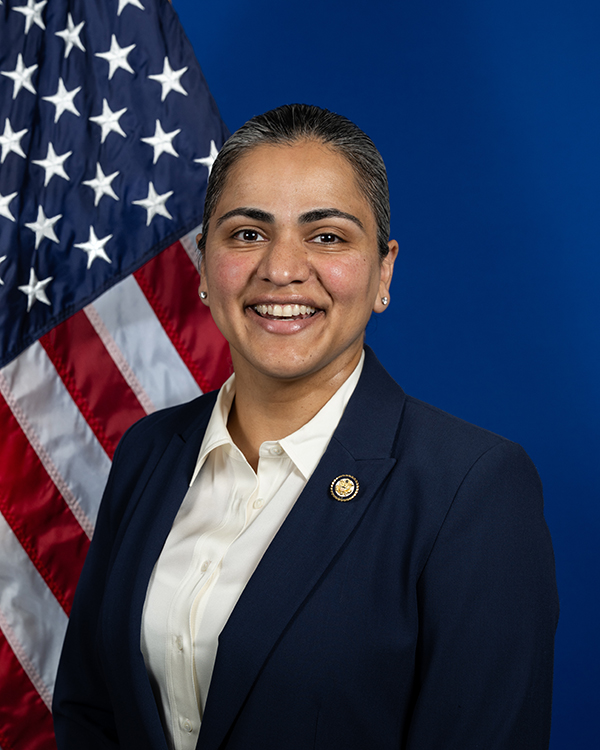
Aisha Wahab
100% support rate
Top opponent
Marsha Blackburn
11% support rate
Ranked legislators
10
5 support · 5 oppose
Key legislators

Who's moving environment in United States

Legislators moving environment in United States
Legislator Party Stance Support rate Decisive votes
Aisha Wahab
Aisha Wahab House · District 14
D
Strong +
100% 7
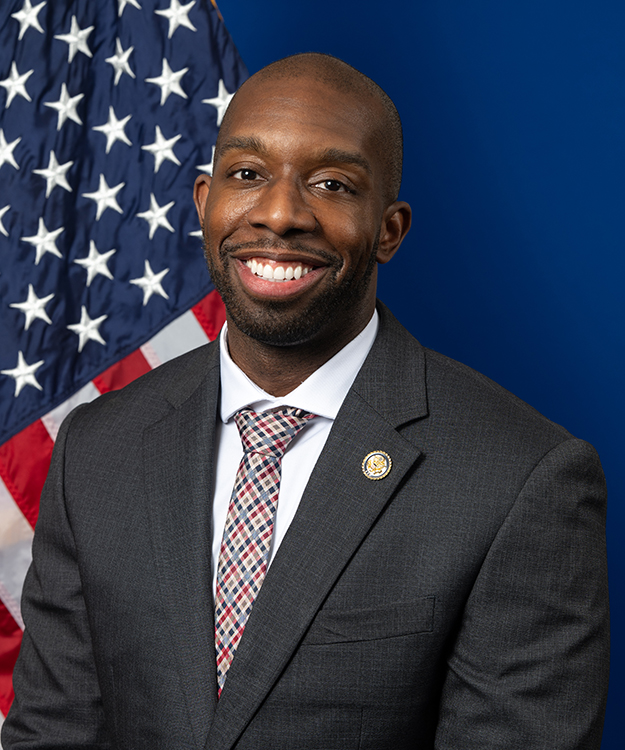
Everton Blair Jr.
Everton Blair Jr. House · District 13
D
Strong +
89% 9
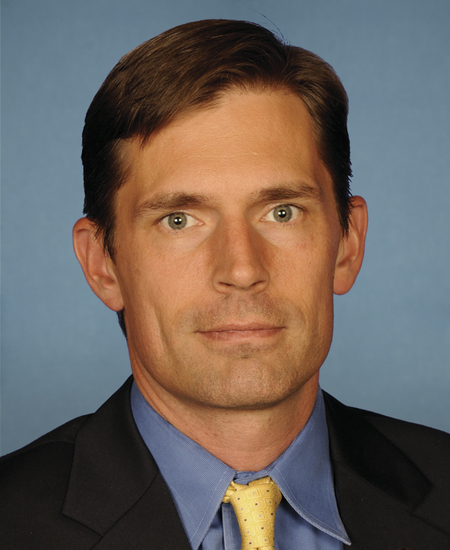
Martin Heinrich
Martin Heinrich Senate
D
Strong +
84% 37
Adam B. Schiff
Adam B. Schiff Senate
D
Support
79% 53
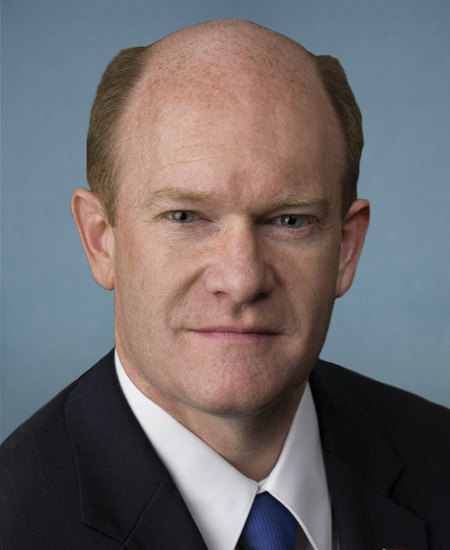
Christopher A. Coons
Christopher A. Coons Senate
D
Support
79% 52
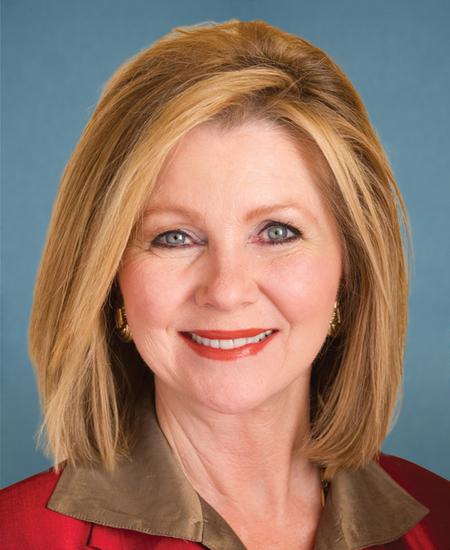
Marsha Blackburn
Marsha Blackburn Senate
R
Strong −
11% 36
Ted Budd
Ted Budd Senate
R
Strong −
20% 40
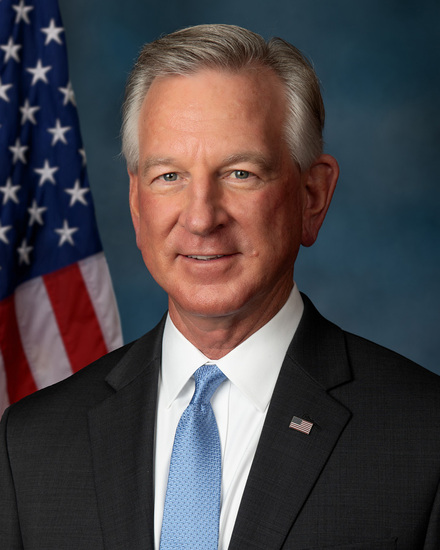
Tommy Tuberville
Tommy Tuberville Senate
R
Oppose
21% 53
Bill Cassidy
Bill Cassidy Senate
R
Oppose
22% 54
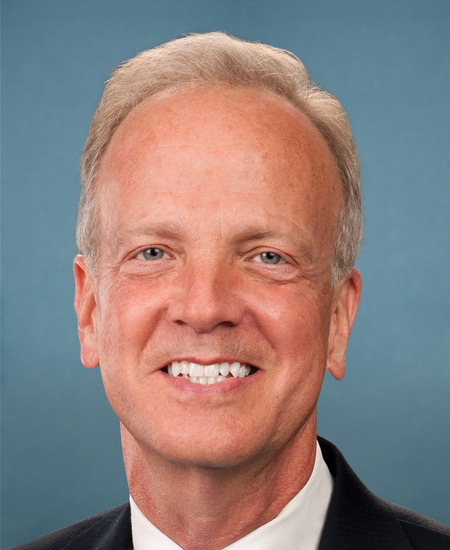
Jerry Moran
Jerry Moran Senate
R
Oppose
23% 53
Showing 1,311–1,320 of 2,003 bills

All environment bills

in committee · United States · House Oct 25, 2025

HR 5834: Critical Water Supplies for Resilient Communities Act

This bill amends the Federal Water Pollution Control Act to create permanent federal grants for alternative water source projects, directly affecting communities facing water scarcity or drought risks. It redefines "critical water supply needs" to include publicly engaged plans for comprehensive water supply or drought resiliency, replacing the previous "pilot program" structure. The legislation requires the Administrator to annually report to Congress on funded projects, detailing how each addresses identified water supply needs. These changes shift the program from a temporary pilot to a sustained grant mechanism with specific eligibility criteria and transparency requirements.
in committee · United States · House Feb 12, 2025

HR 1239: Voluntary Sustainable Apparel Labeling Act

The Voluntary Sustainable Apparel Labeling Act creates a voluntary program where apparel companies can label products with a sustainability label showing a numerical summary of the product's full life cycle greenhouse gas emissions - from growing materials to disposal - along with a QR code for additional details. The Environmental Protection Agency (EPA) will establish the rules for the label, including verification standards based on international carbon accounting practices, and require participants to apply for inclusion. Companies that join must display the label on products or packaging, clearly state whether they are the manufacturer or retailer, and make voluntary emission-reduction commitments public. The EPA will maintain a public database of label information and conduct consumer outreach to explain the program, with reviews every seven years to assess its effectiveness.
Sub-Topics Climate Change
in committee · United States · House Aug 1, 2025

HR 4835: Strategic Resources Non-discrimination Act

HR 4835, the Strategic Resources Non-discrimination Act, amends the Defense Production Act of 1950 to prevent discrimination against fossil fuel industries in financial support decisions. It prohibits the President from denying financial support (under sections 301, 302, or 303) for fossil fuel exploration, development, production, or sale, except when the denial is specifically for environmental protection purposes. This directly affects energy companies seeking federal financial assistance under the Defense Production Act and federal agencies administering those programs. The bill’s key provision ensures fossil fuel-related activities cannot be excluded from support solely based on their energy source, with environmental protection being the sole permitted exception.
Sub-Topics Oil & Gas
in committee · United States · Senate Apr 8, 2025

S 1355: REPAIR Act of 2025

The REPAIR Act of 2025 creates new rules for challenging environmental project approvals required under federal law. It sets a 120-day deadline for filing challenges to project approvals and limits courts to remanding approvals (sending them back for review) rather than vacating them, unless there's an immediate threat to health or the environment. The bill establishes a mediation process where project sponsors and federal agencies must work with the Federal Permitting Improvement Steering Council to fix approval issues within 60 days. It also requires a public database tracking cases not resolved within 90 days of filing.
in committee · United States · Senate Feb 13, 2025

S 590: Improving Flood and Agricultural Forecasts Act of 2025

This bill establishes the National Mesonet Program to enhance weather and flood forecasting by expanding environmental data collection. It directly affects state and local governments, agricultural businesses, and private weather monitoring networks by requiring them to share soil moisture, weather, and water data through upgraded local sensor networks. Key provisions include funding 15% of annual program funds to help states and private entities build or improve monitoring stations, prioritizing remote or underserved areas, and mandating annual congressional briefings on progress. The law aims to improve forecast accuracy for severe weather, droughts, and agricultural planning by integrating more real-time environmental data into federal systems like the National Weather Service.
in committee · United States · House Dec 2, 2025

HR 5854: Sustainable Agriculture Research Act

This bill amends the National Agricultural Research, Extension, and Teaching Policy Act to prioritize sustainable agriculture research. It adds a definition for "precision agriculture" (using targeted input management like seed or fertilizer at specific times/places to cut waste) and directs research toward voluntary solutions like climate-resilient farming. Key provisions require USDA to develop technologies addressing extreme weather impacts, drought resilience, soil carbon storage, farm biofuels, and wider adoption of precision agriculture tools. The bill directly affects USDA research programs and agricultural technology developers by setting new priorities for federal agricultural research funding. It focuses on concrete research goals, not new regulations or funding levels.
Tags Agriculture
in committee · United States · House Jun 13, 2025

HR 3935: Reducing Permitting Uncertainty Act

HR 3935, the "Reducing Permitting Uncertainty Act," amends a key provision of the Clean Water Act to create clear timelines for federal permits involving disposal sites in U.S. waters. It requires the Environmental Protection Agency (EPA) to stop blocking or restricting disposal site applications during a defined period: from the date an applicant submits all required information to the date the permit is issued. This directly affects developers, construction firms, and other applicants seeking permits under Section 404 of the Clean Water Act. The bill’s main mechanism sets specific start and end dates for EPA review, reducing potential delays from indefinite administrative holds.
Sub-Topics Water Quality
in committee · United States · House Apr 3, 2025

HR 2620: Save Our Seas 2.0 Amendments Act

The Save Our Seas 2.0 Amendments Act reorganizes the Marine Debris Act to improve administrative operations of NOAA's marine debris programs. It modifies grant and agreement provisions to include more partnership types, changes the Marine Debris Foundation's structure from an "organization" to a "corporation," and adds requirements for outreach to Indian Tribes. The bill also updates funding authorizations through 2025 and clarifies definitions for terms like "Indian Tribe" and "coastal shoreline community." These changes focus on streamlining program administration rather than altering substantive marine debris policies.
in committee · United States · Senate Jan 9, 2025

S 60: Write the Laws Act

S 60, the Write the Laws Act, would require Congress to write all federal laws directly instead of delegating rulemaking authority to agencies. It prohibits Congress from delegating legislative power to the executive branch, courts, or any agency, declaring such delegations invalid. This would affect all federal agencies (like the EPA or FCC) that currently create regulations under congressional authority. The bill mandates that all agency rules must be based on specific statutes passed by Congress, not on delegated authority.
in committee · United States · House Apr 17, 2025

HR 2932: CLEAR Skies Act

HR 2932, the CLEAR Skies Act, creates a tax credit for producing unleaded aviation gasoline in the U.S. The credit provides $1.25 per gallon in 2026, phasing down to $1.05 per gallon by 2030, for fuel that is lead-free, meets aviation standards, and is produced domestically. Producers must register with the IRS and certify compliance with these requirements to claim the credit. The bill also mandates a GAO study to analyze price differences between leaded and unleaded aviation fuel and whether the tax credit benefits end-users. This policy directly affects U.S. aviation fuel producers and aims to accelerate the transition from leaded to unleaded aviation fuel.
Sub-Topics Tax Credits Airports
Showing 1,311 to 1,320 of 2,003 bills