Issue · Energy

Energy

Every energy bill, vote, and legislator stance in United States, automatically classified by Maddy, our AI policy reader.

Total bills
886
119th Congress
Top supporter
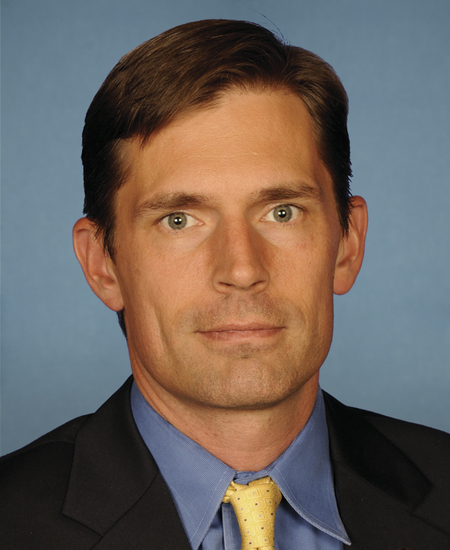
Martin Heinrich
75% support rate
Top opponent
Marsha Blackburn
26% support rate
Ranked legislators
10
5 support · 5 oppose
Key legislators

Who's moving energy in United States

Legislators moving energy in United States
Legislator Party Stance Support rate Decisive votes
Martin Heinrich
Martin Heinrich Senate
D
Support
75% 24
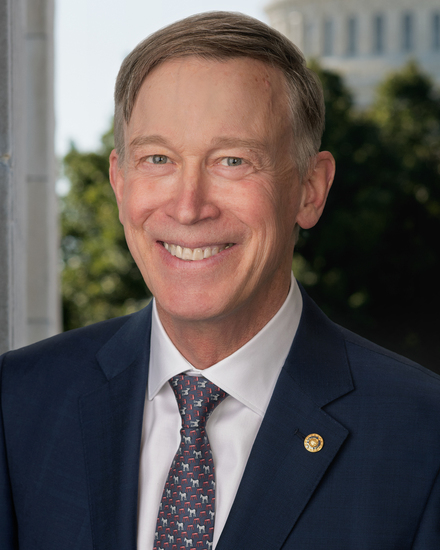
John W. Hickenlooper
John W. Hickenlooper Senate
D
Support
74% 38
Frederica S. Wilson
Frederica S. Wilson House · District 24
D
Support
74% 34
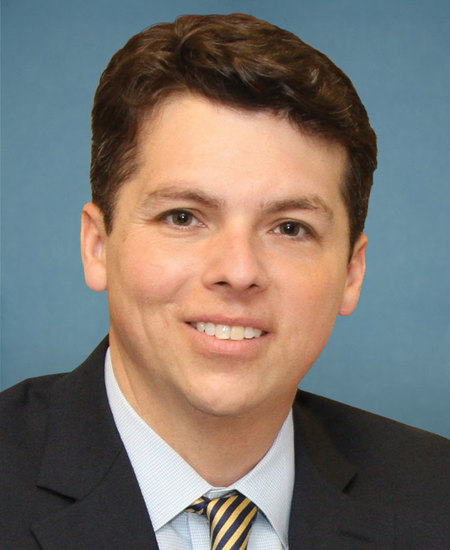
Brendan F. Boyle
Brendan F. Boyle House · District 2
D
Support
73% 49
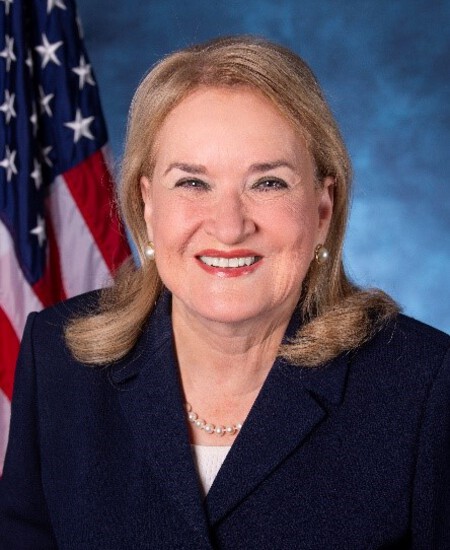
Sylvia R. Garcia
Sylvia R. Garcia House · District 29
D
Support
72% 47
Marsha Blackburn
Marsha Blackburn Senate
R
Oppose
26% 23
Chip Roy
Chip Roy House · District 21
R
Oppose
27% 52
Ted Budd
Ted Budd Senate
R
Oppose
27% 26
Gregory F. Murphy
Gregory F. Murphy House · District 3
R
Oppose
28% 46
Mike Johnson
Mike Johnson House · District 4
R
Oppose
28% 46
Showing 331–340 of 886 bills

All energy bills

in committee · United States · House May 20, 2026

HR 5617: Geothermal Gold Book Development Act

The Geothermal Gold Book Development Act requires the Department of the Interior to create and publish a "Gold Book" containing standardized procedures for geothermal leasing and permitting on federal lands. This reference guide, to be published within 18 months of the bill's enactment, will cover land use planning, lease sales, and efficient environmental reviews for activities like exploration, drilling, and construction. It directly affects Bureau of Land Management field offices and geothermal developers who will use the Gold Book to streamline permitting processes. The Department must update the Gold Book at least every five years and consult with agencies and stakeholders before publishing it.
Sub-Topics Oil & Gas
in committee · United States · House Apr 29, 2025

HR 3067: Arctic Refuge Protection Act

HR 3067, the Arctic Refuge Protection Act, repeals the existing oil and gas program for the Arctic National Wildlife Refuge (ANWR) and designates approximately 1.56 million acres of the refuge's Coastal Plain as wilderness. This directly affects federal management of the ANWR, halting potential oil drilling in the designated area. The bill requires the Secretary of the Interior to administer the newly designated wilderness area under the Wilderness Act, treating it as part of the existing wilderness within ANWR. The change prevents future oil and gas development on this specific portion of the refuge.
in committee · United States · House Jan 12, 2026

HR 7021: Critical Mineral Mining Education Act of 2026

This bill establishes two educational exchange programs to address workforce shortages in the U.S. mining industry. The Critical Mineral Mining Fellowship Program sends U.S. students to study mining at foreign universities with mining programs, while the Visiting Mining Scholars Program brings international mining professionals to U.S. institutions to help develop mining education programs. Both programs, administered by the Department of State's Bureau of Education and Cultural Affairs, target students and professionals in mining-related fields, with priority given to institutions in countries with established mining expertise. The bill authorizes $10 million annually from 2026 to 2035 to fund these initiatives. These programs directly affect U.S. educational institutions, mining industry workers, and international partners in the critical mineral supply chain.
signed · United States · House Feb 11, 2026

HR 1043: La Paz County Solar Energy and Job Creation Act

La Paz County Solar Energy and Job Creation Act This act directs the Department of the Interior, after receiving a request from La Paz County, Arizona, to convey approximately 3,400 acres of identified land managed by the Bureau of Land Management to the county for fair market value. Interior must exclude from the conveyance any federal land that contains significant cultural, environmental, wildlife, or recreational resources. As a condition of the conveyance, La Paz County and any subsequent owner must make good faith efforts to avoid disturbing tribal artifacts; minimize impacts on tribal artifacts if they are disturbed; coordinate with the Colorado River Indian Tribes Tribal Historic Preservation Office to identify artifacts of cultural and historic significance; and allow tribal representatives to rebury unearthed artifacts at, or near, where they were discovered. The federal land is withdrawn from the operation of U.S. mining and mineral leasing laws, and thus the land is not available for new mining claims, new mineral or geothermal leases, nor sales of mineral materials. The county must pay all costs related to the conveyance.
in committee · United States · Senate Jul 22, 2025

SJRES 64: A joint resolution providing for congressional disapproval under chapter 8 of title 5, United States Code, of the rule submitted by the Environmental Protection Agency relating to "Air Plan Approval; West Virginia; Regional Haze State Implementation Plan for the Second Implementation Period".

This bill (SJRES 64) seeks congressional disapproval of an Environmental Protection Agency (EPA) rule that approved West Virginia's air quality plan for reducing regional haze during the second implementation period. The resolution would block the EPA rule (published in the Federal Register on July 7, 2025) from taking effect, directly affecting West Virginia's compliance with federal air quality standards for haze reduction. Under Chapter 8 of Title 5, U.S. Code, this disapproval process allows Congress to halt federal agency rules without changing the underlying law. The bill does not alter air quality requirements but stops this specific EPA action from being implemented.
Sub-Topics Air Quality
in committee · United States · Senate Mar 11, 2025

S 950: Save Our Forests Act of 2025

This bill increases staffing for the Forest Service to maintain national forests' health and productivity, directly affecting Forest Service employees and the management of national forest lands. It requires the Secretary of Agriculture to reinstate workers terminated between January 20 and February 25, 2025. The bill also allows the continuation of existing projects funded by the Great American Outdoors Act, Infrastructure Investment and Jobs Act, and Inflation Reduction Act. These provisions aim to stabilize forest management operations and workforce continuity.
Sub-Topics Forestry
in committee · United States · House Apr 7, 2025

HR 2679: Cool Roof Rebate Act of 2025

HR 2679, the Cool Roof Rebate Act of 2025, creates a federal program providing rebates to low-income households for installing highly reflective roofing products that reduce home cooling costs. Eligible households must have incomes below 200% of their ZIP code’s median income and reside in areas ranked in the top 25% for heat vulnerability by the CDC. Rebates range from $0.25 to $0.75 per square foot, depending on roof type (low-sloped or steep-sloped) and the product’s ability to reflect sunlight and emit heat, as measured by standardized testing. The program runs from 2026 through 2030 with $25 million annually allocated for rebates, requiring participants to report on roof types and products used.
Sub-Topics Energy Efficiency
in committee · United States · Senate May 15, 2025

S 1779: LOCOMOTIVES Act

This bill (S 1779, the LOCOMOTIVES Act) amends the Clean Air Act to prevent states from setting their own emissions standards for locomotives and engines used in locomotives. It specifically removes exemptions for smaller nonroad engines and clarifies that all locomotives engaged in commercial railroad transportation (as defined by federal law) fall under federal emissions regulations, not state rules. The key provision eliminates state authority over emissions standards for locomotives used in commerce, making federal EPA regulations the exclusive standard. This directly affects railroad companies operating locomotives and the Environmental Protection Agency, which would enforce the uniform federal standards.
Sub-Topics Air Quality
in committee · United States · House Apr 9, 2025

HR 2783: Infrastructure Project Acceleration Act

HR 2783, the Infrastructure Project Acceleration Act, fast-tracks large-scale manufacturing projects in the U.S. by waiving certain federal environmental reviews. It applies to projects costing $1 billion or more that require federal approvals, directly affecting major manufacturers seeking to build or expand facilities. Key provisions exclude projects from needing permits under the Clean Water Act (Section 404) and the Endangered Species Act (Sections 7, 9, 10), modify National Environmental Policy Act (NEPA) reviews to accept equivalent state/Tribal environmental processes, and limit court challenges by barring judicial review of approvals for these projects. The bill aims to speed up manufacturing projects in critical sectors like defense and healthcare while reducing reliance on foreign manufacturing.
in committee · United States · Senate May 21, 2025

S 1842: Wildfire Reduction and Carbon Removal Act of 2025

This bill creates a tax credit for businesses that capture and store carbon from forest residues used in wildfire hazard reduction activities. The credit provides $36 per metric ton for carbon stored in secure geological storage and $12 per metric ton for carbon stored through long-duration utilization. To qualify, businesses must meet sustainability standards for sourcing forest residues (from thinning trees no greater than 8 inches in diameter) and undergo verification through lifecycle analysis and monitoring. The credit is designed to incentivize carbon removal while promoting sustainable forest management practices. It will apply to taxable years beginning after December 31, 2025.
Sub-Topics Tax Credits Forestry
Showing 331 to 340 of 886 bills
Previous 1 33 34 35 89 Next