Issue · Education

Education

Every education bill, vote, and legislator stance in United States, automatically classified by Maddy, our AI policy reader.

Total bills
1,179
119th Congress
Top supporter
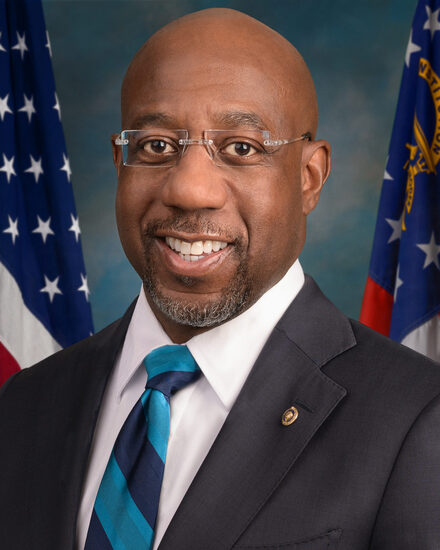
Raphael G. Warnock
100% support rate
Top opponent
Thomas Massie
14% support rate
Ranked legislators
10
5 support · 5 oppose
Key legislators

Who's moving education in United States

Legislators moving education in United States
Legislator Party Stance Support rate Votes
Raphael G. Warnock
Raphael G. Warnock Senate
D
Strong +
100% 167
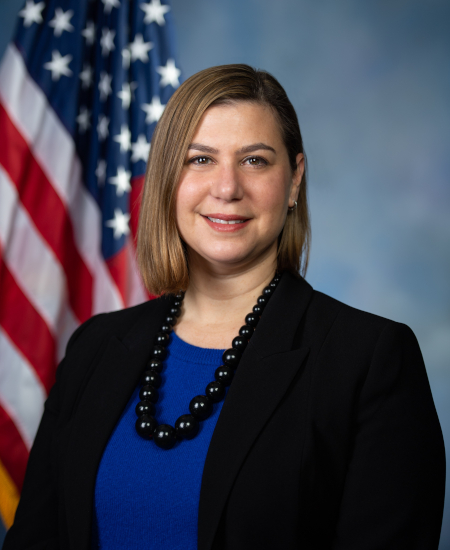
Elissa Slotkin
Elissa Slotkin Senate
D
Strong +
86% 166
Michael F. Bennet
Michael F. Bennet Senate
D
Strong +
86% 137
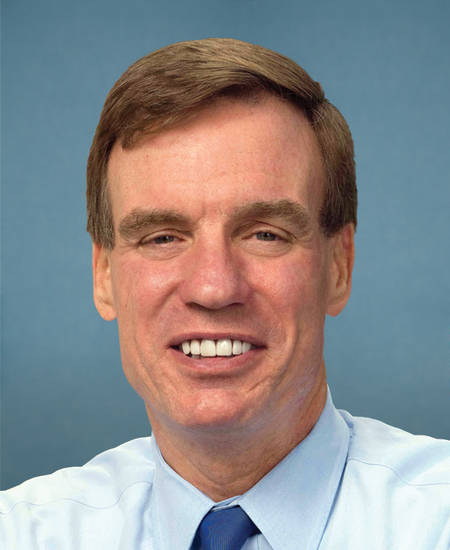
Mark R. Warner
Mark R. Warner Senate
D
Strong +
86% 167
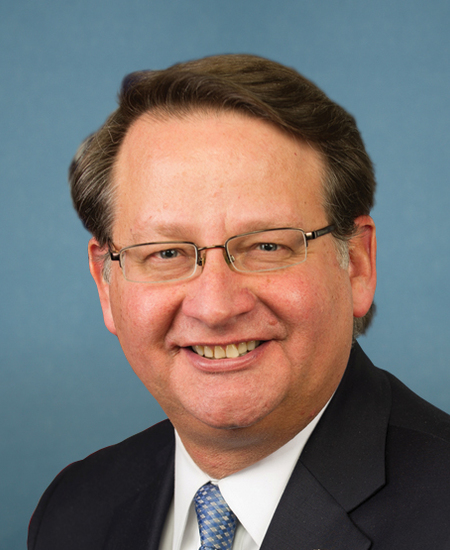
Gary C. Peters
Gary C. Peters Senate
D
Strong +
86% 167
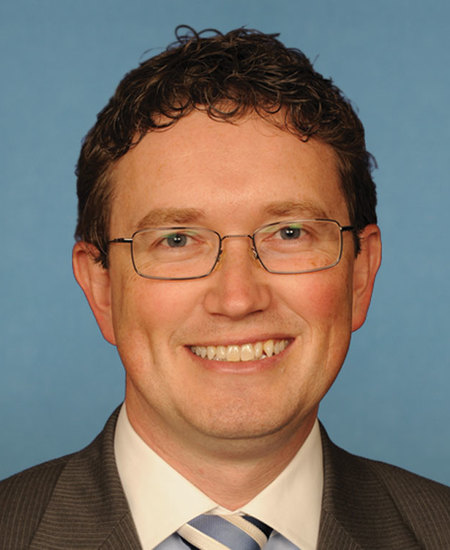
Thomas Massie
Thomas Massie House · District 4
R
Strong −
14% 126
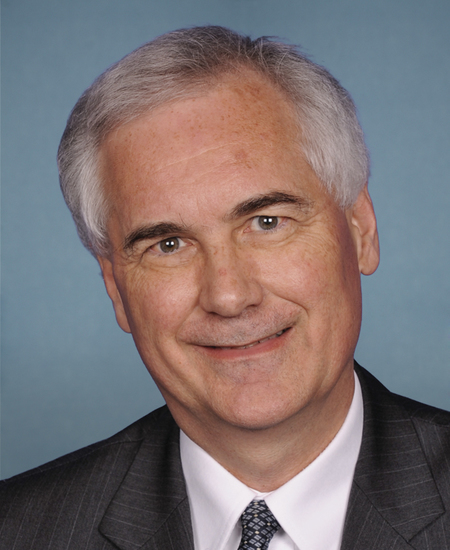
Tom McClintock
Tom McClintock House · District 5
R
Strong −
14% 125
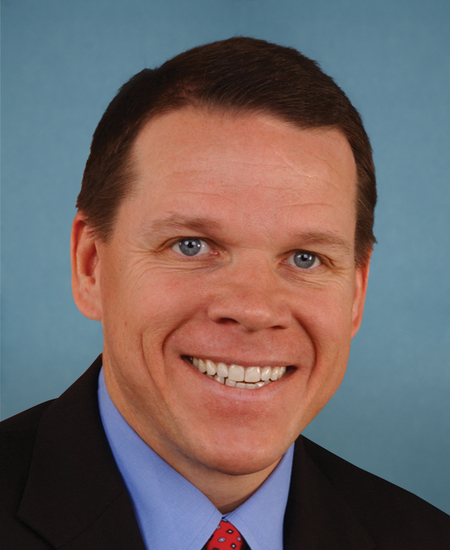
Sam Graves
Sam Graves House · District 6
R
Strong −
14% 124
Elijah Crane
Elijah Crane House · District 2
R
Strong −
14% 128
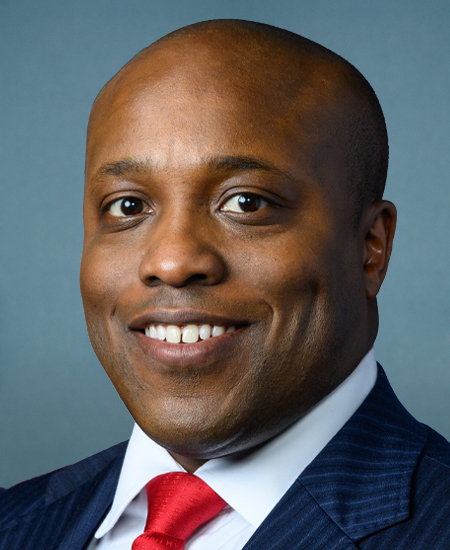
Wesley Hunt
Wesley Hunt House · District 38
R
Strong −
14% 109
Showing 81–90 of 1,179 bills

All education bills

in committee · United States · Senate Jul 22, 2026

S 5064: Higher Education Accreditation Accountability Act

The Higher Education Accreditation Accountability Act introduces stricter requirements for accrediting agencies and institutions to ensure quality oversight. It mandates that agencies prove they have successfully accredited at least one school for two years before receiving federal recognition and limits initial recognition periods to three years. Additionally, the bill requires schools to submit detailed applications and undergo public review before switching their primary accrediting body, preventing changes made solely to avoid sanctions or reduce oversight. These measures aim to increase transparency and accountability within the higher education accreditation system.
Sub-Topics Higher Education
in committee · United States · Senate Aug 4, 2026

S 5046: A bill to prohibit the transfer of certain offices and functions of the Department of Education to other Federal agencies, and for other purposes.

This bill prevents the Secretary of Education from moving specific offices and their functions to other federal agencies or contracting them out. It directly affects the Department of Education's Office of Special Education and Rehabilitative Services, Office of Postsecondary Education, Office of Indian Education, and Office of Elementary and Secondary Education. The law blocks agreements that would allow these offices to share projects, use equipment, or transfer funds to other agencies, while also stopping internal transfers of these functions to other parts of the department before outsourcing them. The only exceptions are contracts or agreements that were already active on February 1, 2025, or renewals that keep the same terms.
Sub-Topics Special Education
in committee · United States · House Jul 16, 2026

HR 9742: English Language Proficiency Act

The English Language Proficiency Act removes specific exceptions that currently allow certain immigrants to bypass the naturalization requirement of understanding U.S. history, government, and English language skills. By amending the Immigration and Nationality Act, the bill eliminates these exemptions, meaning more applicants must now demonstrate proficiency in these areas to become citizens. This change directly impacts immigrants who previously qualified for waivers based on factors such as age, education, or length of residence in the United States. The legislation aims to standardize the naturalization process by ensuring a consistent set of requirements for all applicants seeking citizenship.
in committee · United States · House Jul 27, 2026

HR 9957: Time for Completion Act

The Time for Completion Act requires colleges to publicly report how quickly students finish their degrees based on their specific enrollment status. Institutions must disclose the percentage of first-time and returning students who graduate within the normal time, 150 percent of that time, 200 percent, and 300 percent. These statistics will be broken down by whether students attend full-time or part-time and will be displayed with equal visibility on college websites. The law also updates financial aid reporting to include these same completion rates, ensuring that prospective students and families have clearer data on graduation timelines.
in committee · United States · House Jul 23, 2026

HR 9920: Foster Youth Investment Act

The Foster Youth Investment Act allows individuals to contribute to Coverdell Education Savings Accounts for foster children who are under 18 and in the custody of a state or tribal government. This change expands eligibility beyond just the taxpayer's own eligible foster child to include any minor meeting these specific care and age requirements. The provision applies to contributions made after December 31, 2025, enabling these youth to benefit from tax-advantaged savings for their education.
Tags Children
in committee · United States · Senate Jun 24, 2026

S 4925: Stop the Sexualization of Children Act

The Stop the Sexualization of Children Act prohibits the use of federal education funds to create or promote programs containing sexually oriented material for children under 18. This ban specifically targets content depicting sexually explicit conduct or involving gender dysphoria and transgenderism, while explicitly exempting standard science courses, major world religions, and specific lists of classic literature and art. By amending the Elementary and Secondary Education Act, the bill restricts how schools can utilize federal money for extracurricular activities or educational materials that fall under these prohibited categories.
in committee · United States · Senate Jul 21, 2026

S 5053: Accreditation Reform and Enhanced Accountability Act of 2026

The Accreditation Reform and Enhanced Accountability Act of 2026 requires accrediting agencies to evaluate colleges and universities based on specific student outcomes, such as loan repayment and post-graduation earnings, while prohibiting the federal government from setting rigid standards for curriculum or faculty. To improve oversight, the bill mandates that agencies conduct immediate, in-depth reviews when an institution faces investigations for fraud or financial misconduct and requires these agencies to publicly report their findings within 30 days. The legislation also introduces new transparency measures, including a standardized online system for displaying accreditation status, stricter rules on conflict of interest for agency staff, and requirements for institutions to have clear plans for transferring credits and supporting students if they close. Additionally, the act allows for differentiated accreditation labels, such as "accredited with risk," and establishes a process to review and potentially fine accrediting agencies that fail to act on known institutional problems.
in committee · United States · House Jul 22, 2026

HR 9881: Higher Education Accreditation Accountability Act

The Higher Education Accreditation Accountability Act strengthens oversight of college accreditation agencies and institutions by requiring new accrediting bodies to prove they have successfully accredited at least one school for two years before receiving federal recognition. Under the bill, initial recognition for these agencies would be limited to three years, with subsequent renewals capped at five years, and agencies must submit detailed documentation for every new program they accredit. The legislation also introduces stricter rules for colleges switching their primary accrediting agency, mandating that institutions provide written justification and supporting evidence to the Department of Education, which must then publicly review the application and deny changes if the school is trying to avoid sanctions or if the new agency has recent disciplinary actions. These measures aim to ensure that accreditation standards remain consistent and that institutions cannot easily switch agencies to evade oversight or maintain lower quality standards.
Sub-Topics Higher Education
in committee · United States · Senate Jul 14, 2026

S 4969: Warriors to Workforce Act of 2026

The Warriors to Workforce Act of 2026 increases the educational assistance provided by the Department of Veterans Affairs to eligible veterans participating in apprenticeships or on-the-job training programs. Specifically, the bill raises the payment rate for the first year of such training from 80 percent to 100 percent of the applicable benefit amount. This change directly affects veterans who are enrolled in these specific workforce development pathways and aims to provide full funding for their initial training period. The legislation modifies existing federal law to adjust the financial support structure for these educational opportunities.
in committee · United States · Senate Jun 24, 2026

S 4907: TRADES Act

The TRADES Act increases the tax rate on investment income for certain educational organizations from 8 percent to 15 percent. This change is designed to generate additional revenue that the Treasury Secretary will use to fund career and technical education programs for states. The new funding amount will be calculated based on the extra tax revenue collected in the previous year and transferred annually to support these educational initiatives. The provisions take effect for taxable years beginning more than 12 months after the law is enacted.
Sub-Topics Revenue
Showing 81 to 90 of 1,179 bills
Previous 1 8 9 10 118 Next