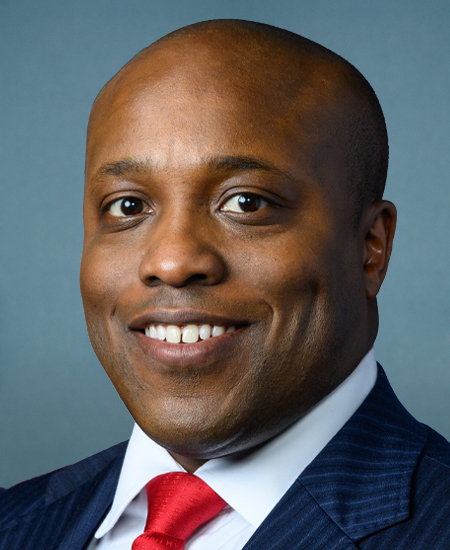
This resolution condemns all forms of hate, including racism, antisemitism, transphobia, and xenophobia, while highlighting recent statistics on hate crimes affecting various communities. It calls for comprehensive federal and state policies to prevent hate crimes through education and intervention, as well as support for victims through legal aid and mental health resources. The measure also advocates for funding programs that are culturally accessible to vulnerable groups, such as immigrants and LGBTQIA+ individuals, and reaffirms the government's commitment to maintaining an inclusive democracy.
The Special Education Administration Protection Act prevents the Secretary of Education from transferring the responsibilities of the Office of Special Education and Rehabilitative Services to the Department of Health and Human Services. This restriction also bars the Education Department from contracting with or obtaining services from the Health and Human Services Department regarding these specific functions. The law includes an exception for any existing agreements or contracts between the two departments that were active on February 1, 2025, or for renewing those specific arrangements.
This bill creates a new federal regulatory framework for Outcomes-Based Financing (OBF) products, which are loans for education where repayment amounts depend on the borrower's future income. It directly affects private lenders, educational institutions, and students by establishing specific rules for how these loans are underwritten, disclosed, and repaid. Key provisions require lenders to clearly advertise and disclose critical terms like income thresholds and payment calculations, while also mandating that monthly payments never exceed 20% of a borrower's income. The legislation further defines how these loans are treated for tax purposes, bankruptcy discharge, and credit reporting, and it preempts certain state laws that might otherwise restrict such financial products.
The Pathway to Trades Act requires colleges that receive Federal Perkins Loans to establish specific support systems for students interested in vocational careers. Institutions must appoint a faculty member to serve as a contact for trade students and create dedicated courses related to these fields. This legislation directly affects higher education schools participating in the Perkins Loan program by mandating these structural changes to their academic offerings.
The Higher Education Access and Success for Homeless and Foster Youth Act of 2026 expands federal protections and support services for homeless and foster care students in higher education. It requires colleges to designate trained staff liaisons to assist these students with accessing resources like housing, food, and financial aid, while also mandating that institutions provide priority access to on-campus housing for this population. The bill further updates various federal student aid programs to explicitly include homeless and foster youth, ensuring they are treated as independent students for financial aid purposes and are actively recruited and retained through targeted outreach. Additionally, the legislation establishes new reporting requirements for colleges to track the number of these students served and mandates that states offer in-state tuition rates to homeless and foster youth attending public institutions.
This resolution supports designating July 20, 2026, as "National Moon Landing Day" to honor the historic Apollo 11 mission and the ongoing Artemis program. The bill encourages Americans to celebrate the achievements of NASA astronauts, engineers, and scientists while honoring those who lost their lives during space exploration efforts. It also aims to inspire young people to pursue careers in STEM fields and promote public awareness of the economic and scientific benefits of human spaceflight.
The Expanding AI Voices Act directs the National Science Foundation to issue competitive grants aimed at broadening participation in artificial intelligence research, education, and workforce development. These funds are specifically targeted at institutions that are not among the top 100 in federal research spending, as well as minority-serving institutions and Tribal colleges, to help them build capacity and partnerships. Grant recipients may use the money to expand AI research programs, recruit faculty, create bridge programs for students, provide access to computing resources, and host workshops that promote safe and secure AI practices. The legislation also requires the NSF to consider geographic diversity and resource constraints when selecting applicants to ensure broad national participation.
The Educators for America Act amends the Higher Education Act to update how federal teacher quality partnerships select participants for their residency programs. Under this change, these partnerships must establish specific criteria for choosing eligible individuals and are required to prioritize recruiting people who are underrepresented in the teaching profession, including men. The legislation directly affects the organizations that run these residency programs and the individuals seeking to become teachers through them. By adjusting the selection rules, the bill aims to make the recruitment process more inclusive without altering the overall funding or structure of the partnerships.
The Protecting Students from Worthless Degrees Act restricts federal funding for colleges that offer programs preparing students for licensed professions unless those programs guarantee licensure eligibility in the student's specific state and provide required clinical or internship placements. To prevent low-earning degrees, the bill mandates that programs must maintain a debt-to-earnings ratio below 8 percent and a discretionary debt-to-earnings ratio below 20 percent, with institutions barred from enrolling students in non-compliant programs for up to three years. Additionally, the legislation requires colleges to clearly warn students if a program does not meet the educational prerequisites for practicing a profession in the state where the student lives. Finally, the act enforces stricter rules on distance learning by requiring schools to be legally authorized in every state where their online students reside, unless covered by a specific reciprocity agreement between states.
This bill changes the official name of the District of Columbia tuition assistance grant program to the "Eleanor Holmes Norton District of Columbia Tuition Assistance Grant Program." The change directly affects the program established by the District of Columbia College Access Act of 1999, which provides financial aid to eligible students. By renaming the program, the legislation honors Eleanor Holmes Norton, a former representative from the District of Columbia, without altering the program's funding rules or eligibility requirements. All future legal documents and records referring to the program will use this new name to reflect the tribute.