Issue · Education

Education

Every education bill, vote, and legislator stance in United States, automatically classified by Maddy, our AI policy reader.

Total bills
1,194
119th Congress
Top supporter
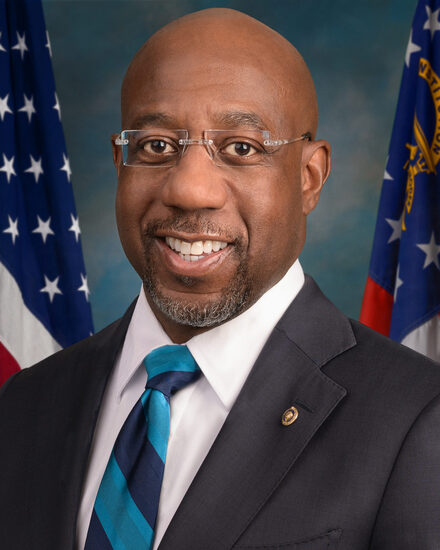
Raphael G. Warnock
100% support rate
Top opponent
Thomas Massie
12% support rate
Ranked legislators
10
5 support · 5 oppose
Key legislators

Who's moving education in United States

Legislators moving education in United States
Legislator Party Stance Support rate Decisive votes
Raphael G. Warnock
Raphael G. Warnock Senate
D
Strong +
100% 6
Adam B. Schiff
Adam B. Schiff Senate
D
Strong +
86% 7
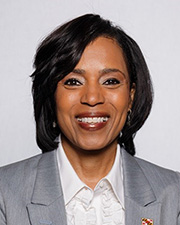
Angela D. Alsobrooks
Angela D. Alsobrooks Senate
D
Strong +
86% 7
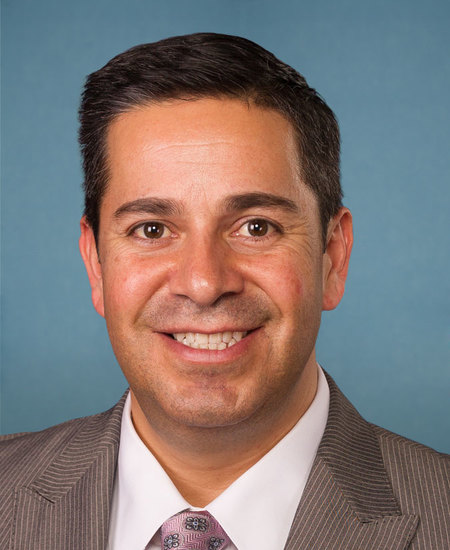
Ben Ray Luján
Ben Ray Luján Senate
D
Strong +
86% 7
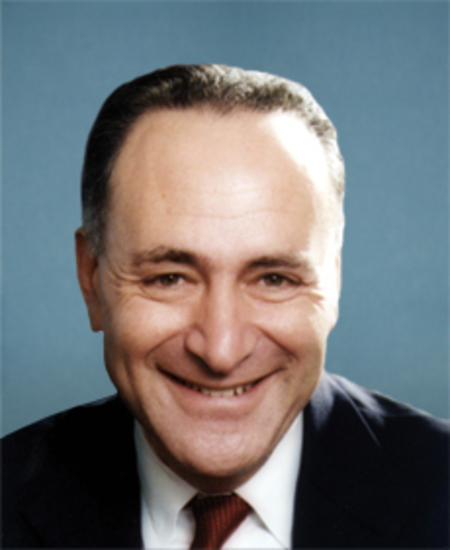
Charles E. Schumer
Charles E. Schumer Senate
D
Strong +
86% 7
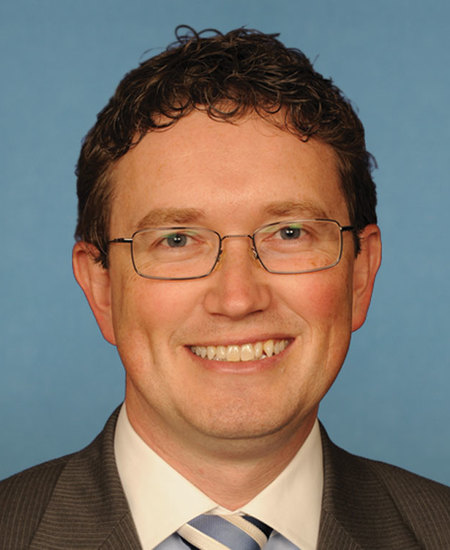
Thomas Massie
Thomas Massie House · District 4
R
Strong −
12% 8
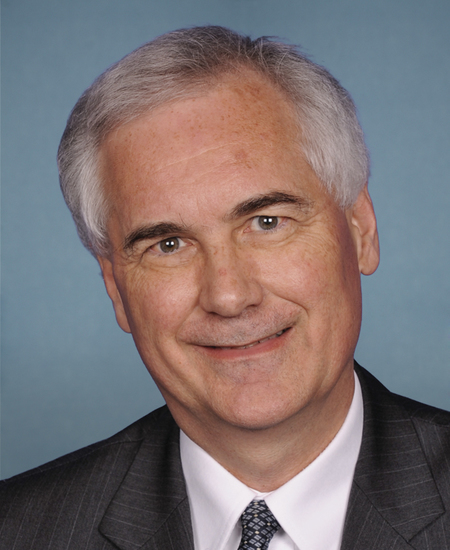
Tom McClintock
Tom McClintock House · District 5
R
Strong −
12% 8
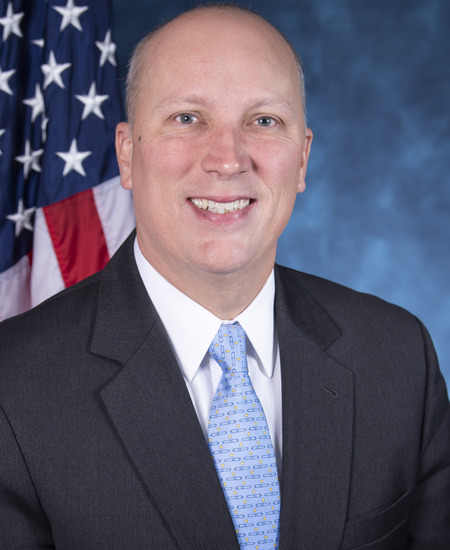
Chip Roy
Chip Roy House · District 21
R
Strong −
14% 7
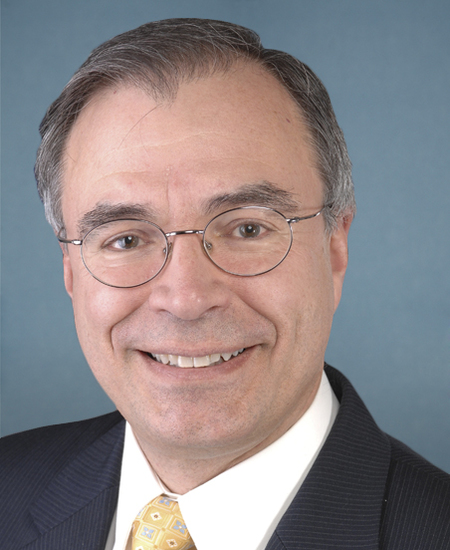
Andy Harris
Andy Harris House · District 1
R
Strong −
20% 10
Keith Self
Keith Self House · District 3
R
Strong −
20% 10
Showing 881–890 of 1,194 bills

All education bills

in committee · United States · House Mar 27, 2025

HR 2402: No Hungry Kids in Schools Act

HR 2402, the No Hungry Kids in Schools Act, creates a new option for states to implement a statewide program under the National School Lunch Act starting in 2025. States would cover costs from non-federal funds to allow all schools in the state to receive full federal reimbursement for meals served, eliminating income-based eligibility thresholds. Key provisions include setting the eligibility threshold to zero and calculating student eligibility statewide instead of by individual school district. This directly affects state education agencies (which must fund the program) and schools (which gain simplified access to full meal reimbursement), benefiting students in qualifying schools.
Sub-Topics Student Health
in committee · United States · Senate Apr 1, 2025

S 1225: Freedom of Association in Higher Education Act of 2025

This bill protects students in single-sex social organizations (like fraternities or sororities) at colleges receiving federal funds. It prohibits institutions from punishing students or these groups solely because they limit membership to one sex - such as denying financial aid, housing, or leadership roles, or forcing students to renounce membership rights. The law clarifies that colleges may still enforce rules for academic misconduct or safety risks unrelated to membership policies and are not required to recognize such organizations. It specifically aims to prevent retaliation while respecting existing Title IX protections and institutional authority.
in committee · United States · House May 20, 2026

HR 7007: Governing for the People Act

The Governing for the People Act (HR 7007) includes several key policy changes: it extends film and television production tax deductions through 2030 with increased dollar limits ($30 million for most productions, $40 million for certain areas), creates grants for AI literacy programs targeting marginalized communities, and requires health insurers to cover annual lung cancer screenings without cost-sharing for eligible individuals aged 50-80 at increased risk. The bill also establishes new provisions to prevent fraud against veterans' benefits by making it a crime to defraud individuals of such benefits and modifies House of Representatives conduct rules to prohibit certain sexual relationships between members and employees. These changes directly affect film producers, AI education providers, health insurers, veterans, and House members.
in committee · United States · House Dec 18, 2025

HR 6865: American Dream Protection Act of 2025

HR 6865, the American Dream Protection Act of 2025, would condition federal higher education funding on states and public colleges complying with federal immigration law regarding tuition rates for undocumented immigrants. It prohibits public institutions from receiving federal funds if they charge undocumented immigrants tuition equal to or lower than in-state citizens, and prevents states from receiving funds if they allow such tuition rates. The bill amends existing law to withhold federal financial assistance (like grants or student aid funds) from institutions or states that provide lower tuition rates or state aid to undocumented immigrants compared to citizens. This directly affects public colleges and state education systems in jurisdictions that currently offer in-state tuition benefits to undocumented residents. The law would take effect for the fiscal year following a determination by the Secretary of Education that an institution or state is non-compliant.
in committee · United States · Senate Apr 8, 2025

S 1338: Ending PUSHOUT Act of 2025

The Ending PUSHOUT Act of 2025 aims to reduce discriminatory school discipline practices that disproportionately affect students of color, particularly girls of color, students with disabilities, and LGBTQI+ students. It requires schools to collect and report detailed demographic data on discipline actions like suspensions, expulsions, and law enforcement referrals, with specific breakdowns by race, gender, disability status, and other protected characteristics. The bill provides federal grants to schools to implement trauma-informed alternatives to suspension, prohibits out-of-school suspensions for young children for minor offenses like dress code violations, and establishes a task force focused on addressing the school pushout of girls of color. Schools receiving grants must train staff on implicit bias, cultural responsiveness, and restorative practices while improving access to mental health services. The legislation also restricts the use of corporal punishment, seclusion, and certain restraints, and prevents schools from using disciplinary policies that criminalize student behavior.
passed · United States · House Sep 16, 2026

HR 7890: Science of Reading Act of 2026

The Science of Reading Act of 2026 amends the Elementary and Secondary Education Act to require states receiving federal literacy development grants to align their reading instruction with "science of reading" principles. It explicitly prohibits the use of the "three-cueing model" (a method teaching word recognition through pictures, context, or guessing) and defines science of reading as evidence-based instruction in phonics, phonemic awareness, vocabulary, and comprehension. States must describe this alignment in grant applications, and federal funds for literacy programs will only support initiatives meeting these standards. This directly affects states and school districts administering ESEA-funded literacy programs starting in 2026.
Sub-Topics Curriculum
in committee · United States · House Aug 12, 2025

HR 4965: Counseling for Career Choice Act

HR 4965, the Counseling for Career Choice Act, requires schools to strengthen career guidance programs for students. It directly affects K-12 school counselors and students by mandating specific components, including identifying local job market trends with workforce agencies, providing financial aid awareness, and developing personalized career plans. Key provisions require schools to create systems for counselors to access workforce data, offer professional development, and connect students to apprenticeships, internships, dual enrollment, and job training programs. The law also encourages using technology like AI tools to support career counseling and evaluate student outcomes. This focuses on preparing students for college and careers through structured, data-informed school counseling services.
in committee · United States · Senate May 5, 2025

S 1599: Midwives for MOMS Act of 2025

This bill creates federal grant programs to expand midwifery education and workforce capacity. It allocates $15 million annually (2025-2029) for accredited midwifery schools to support students, expand programs, and increase clinical mentors, with 50% of funds for student support. It also allocates $20 million annually for nurse-midwifery programs in schools of nursing, with similar funding splits and requirements to prioritize underserved areas and racial/ethnic minority representation. The bill specifically excludes midwifery programs within nursing schools from funding and sets clear allocation rules for the grants.
in committee · United States · Senate Apr 1, 2025

S 1220: Savings Opportunity and Affordable Repayment Act

The Savings Opportunity and Affordable Repayment Act creates a new income-driven repayment plan for federal student loan borrowers, replacing the current Pay As You Earn and Income Contingent Repayment plans. Under this plan, monthly payments are calculated as 5% of income above 250% of the federal poverty line (with a minimum $0 or $10 payment), and 50% of each payment reduces principal while interest accrues only on unpaid balances. Borrowers qualify for full loan forgiveness after 120 payments (10 years) for undergraduate-only loans or 180 payments (15 years) for other eligible loans. The plan applies to borrowers with eligible federal loans and takes effect 180 days after enactment.
in committee · United States · Senate Jun 2, 2025

S 1924: Improving Mental Health Access for Students Act

S 1924, the Improving Mental Health Access for Students Act, requires colleges and universities covered by the Higher Education Act to include suicide prevention contact information on student identification cards or their websites. Specifically, it mandates that institutions include the 988 Suicide and Crisis Lifeline, Crisis Text Line, and their campus mental health center contact details on student IDs (or publish this information online if IDs aren't issued). The bill applies to all affected institutions and takes effect one year after enactment. It directly impacts students by making critical mental health resources more visible and accessible during emergencies. The law focuses on standardizing access to existing support services, not creating new programs.
Showing 881 to 890 of 1,194 bills
Previous 1 88 89 90 120 Next