Issue · Education

Education

Every education bill, vote, and legislator stance in United States, automatically classified by Maddy, our AI policy reader.

Total bills
1,194
119th Congress
Top supporter
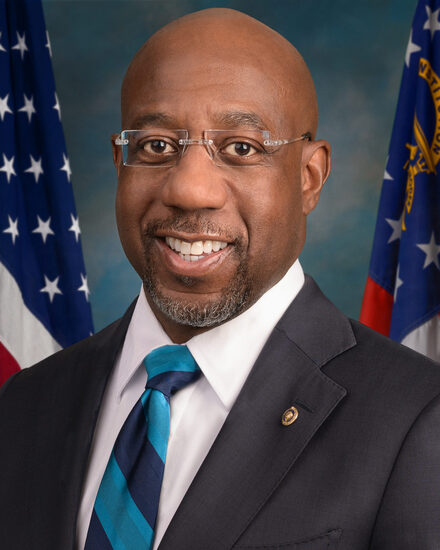
Raphael G. Warnock
100% support rate
Top opponent
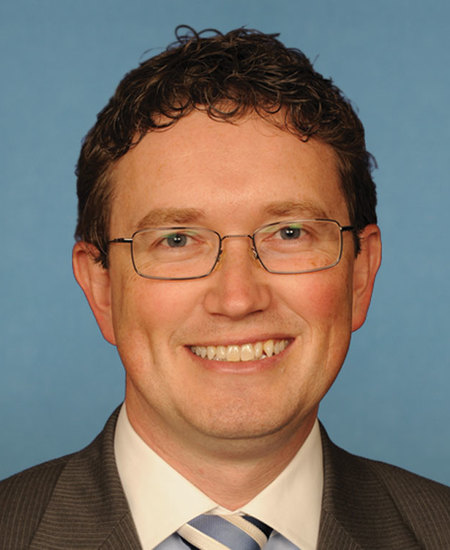
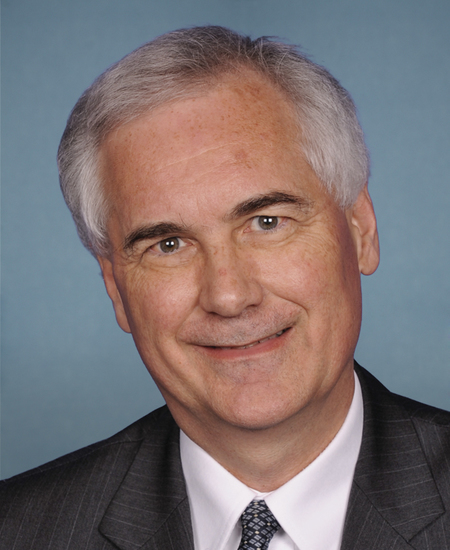
Thomas Massie
12% support rate
Ranked legislators
10
5 support · 5 oppose
Key legislators

Who's moving education in United States

Legislators moving education in United States
Legislator Party Stance Support rate Decisive votes
Raphael G. Warnock
Raphael G. Warnock Senate
D
Strong +
100% 6
Adam B. Schiff
Adam B. Schiff Senate
D
Strong +
86% 7
Angela D. Alsobrooks
Angela D. Alsobrooks Senate
D
Strong +
86% 7
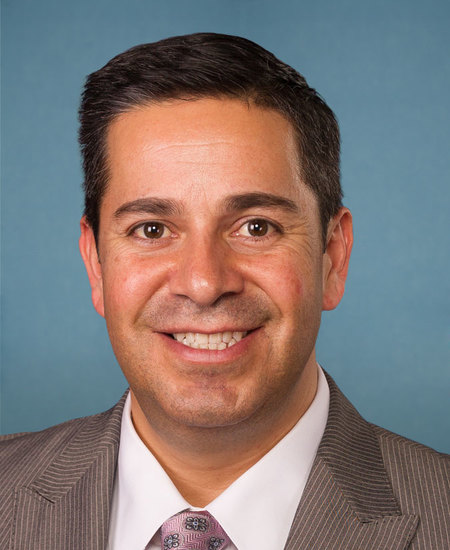
Ben Ray Luján
Ben Ray Luján Senate
D
Strong +
86% 7
Charles E. Schumer
Charles E. Schumer Senate
D
Strong +
86% 7
Thomas Massie
Thomas Massie House · District 4
R
Strong −
12% 8
Tom McClintock
Tom McClintock House · District 5
R
Strong −
12% 8
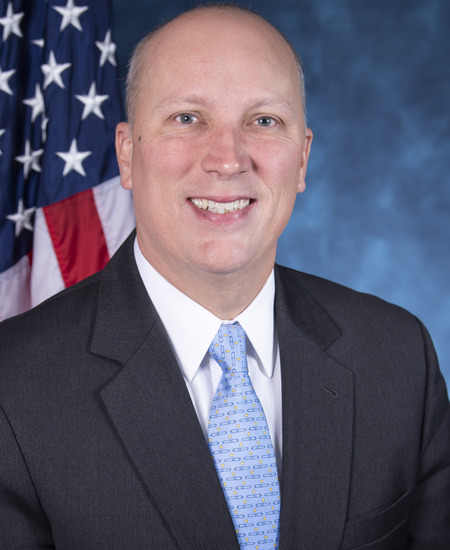
Chip Roy
Chip Roy House · District 21
R
Strong −
14% 7
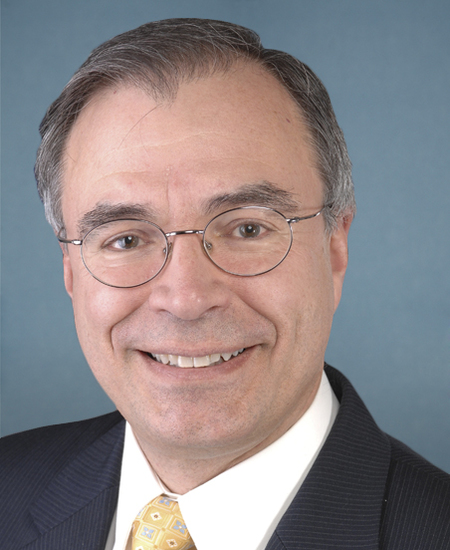
Andy Harris
Andy Harris House · District 1
R
Strong −
20% 10
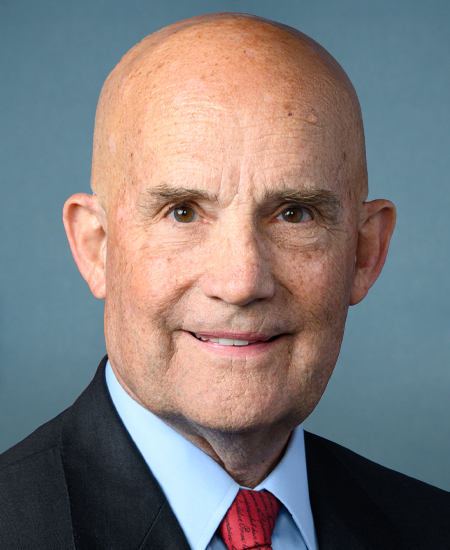
Keith Self
Keith Self House · District 3
R
Strong −
20% 10
Showing 871–880 of 1,194 bills

All education bills

in committee · United States · House Feb 7, 2025

HR 1131: Family Farm and Small Business Exemption Act

HR 1131 exempts certain family farms and small businesses from being counted as assets when calculating financial need for federal student aid under the Higher Education Act. Specifically, it amends the law to exclude the net value of a family farm where the family resides and small businesses (with ≤100 employees) owned by the family from need analysis calculations. This change directly affects students from qualifying family farm or small business households when applying for federal financial aid. The exemption applies to need analysis conducted for award years beginning after the bill's enactment date. The bill modifies Section 480(f)(2) of the Higher Education Act of 1965 to implement this policy change.
in committee · United States · House May 20, 2026

HR 6819: Bridge to Summer Nutrition Act of 2025

This bill increases federal reimbursement for states operating summer nutrition programs. It requires the Secretary of Agriculture to pay states 90% of monthly administrative costs for two programs: the summer electronic benefits transfer program for children (under the School Lunch Act) and the Supplemental Nutrition Assistance Program (SNAP). This directly affects states that administer these programs, providing them with significantly more federal funding to cover operational expenses. The key change is raising the reimbursement rate from previous levels to 90% for both programs' administrative costs during fiscal years they are operated.
Sub-Topics Student Health
in committee · United States · Senate Feb 12, 2025

S 543: Fair Play for Women Act

This bill requires schools and colleges receiving federal funding to publicly report detailed data on gender equity in sports, including participation rates, funding, facilities, and coaching staff by gender. It mandates annual training for athletic staff and athletes on Title IX rights and complaint procedures, and establishes a public database of Title IX coordinators. The bill creates civil penalties for institutions that fail to comply with reporting requirements, building on existing Title IX protections. These provisions aim to address documented disparities in athletic opportunities and resources for women and girls compared to men and boys. The bill does not alter Title IX's core requirements but strengthens transparency and enforcement mechanisms for compliance.
in committee · United States · House Dec 10, 2025

HR 6604: Presidential Fitness Test Act of 2025

This bill establishes the President’s Council on Sports, Fitness, and Nutrition to advise the President on reestablishing the Presidential Fitness Test as the primary assessment tool for a Presidential Fitness Award in U.S. schools. The Council, appointed by the President, would develop school-based fitness programs, promote physical activity through community partnerships, and address childhood obesity as a national security concern. It directs the Secretary of Health and Human Services to fund the Council and its initiatives, with the Council terminating two years after enactment unless extended. The bill specifically aims to impact K-12 schools by integrating the fitness test into physical education programs.
in committee · United States · House Oct 8, 2025

HR 5714: October 7 Remembrance Education Act

HR 5714, the October 7 Remembrance Education Act, directs the U.S. Holocaust Memorial Museum to create a curriculum for secondary schools within 180 days of enactment. The curriculum will cover Hamas’ October 7, 2023 attacks on Israel, the history of antisemitism, the spread of anti-Israel rhetoric on campuses and social media following the attacks, and how denial or distortion of antisemitism occurs. It specifically requires schools to address the attacks' brutality, historical context of antisemitism, and contemporary manifestations of hate speech. The Museum must submit a report on the curriculum to Congress within 180 days of completion or by 3 years after the bill’s enactment. This bill affects secondary schools using the curriculum and focuses on educational content about the attacks and related antisemitism.
Sub-Topics Curriculum
in committee · United States · House Apr 30, 2025

HR 3124: Women and Underrepresented Minorities in STEM Booster Act of 2025

HR 3124 establishes a National Science Foundation grant program to increase participation of women, underrepresented minorities (including Black, Hispanic, Native American, Pacific Islander, and Asian subgroups), LGBTQ+ individuals, and people with disabilities in STEM fields. The bill authorizes $15 million annually for grants to organizations that implement activities like mentoring programs, STEM internships, online workshops, and outreach to K-12 students. These grants specifically target efforts to improve recruitment, retention, and workforce representation for groups facing documented underrepresentation in STEM education and careers. The program directly affects educational institutions, nonprofits, and community organizations working to support these underrepresented groups through evidence-based initiatives.
Sub-Topics K-12 Education
in committee · United States · House Feb 4, 2026

HR 7341: GRAD Act

This bill creates new funding eligibility for Historically Black Colleges and Universities (HBCUs) and Predominantly Black Institutions (PBIs) that offer approved master's degree programs. It amends existing law to add specific categories (subsections S for HBCUs and F for PBIs) allowing these institutions to access federal funds previously restricted to certain program types. The key mechanism expands funding access by adjusting how remaining funds are allocated after initial disbursements. Directly affects qualifying HBCUs and PBIs meeting both the institution type and master's program criteria.
in committee · United States · House Sep 4, 2025

HR 5128: Feed Hungry Kids Act

The Feed Hungry Kids Act adjusts eligibility for schools participating in the federal school meal program. Starting in the 2025-2026 school year, schools must have at least 25% of students eligible for free or reduced-price meals to qualify for a provision allowing all students to receive free meals without individual applications. This change directly affects public schools nationwide that receive federal meal funding under the National School Lunch Program. The bill sets a specific, measurable threshold for program access without altering other aspects of school meal eligibility.
Sub-Topics Student Health
in committee · United States · House Mar 10, 2025

HR 2021: American Teacher Act

American Teacher Act This bill establishes grants to increase the minimum salary of public elementary and secondary school teachers. It also authorizes a national campaign regarding the value of the teaching profession. First, the bill directs the Department of Education (ED) to award four-year grants to state educational agencies (SEAs) and, through them, subgrants to local educational agencies to establish a minimum annual salary of $60,000 (to be adjusted annually for inflation) for these teachers. Second, the bill directs ED to award grants to eligible SEAs to provide cost-of-living adjustments to the annual base salary of teachers. Finally, the bill authorizes ED to carry out a national campaign to (1) increase awareness about the importance of teachers and the value of the teaching profession, (2) encourage secondary school and college students to consider teaching as a professional career, and (3) diversify the pool of individuals who enter the teaching profession.
in committee · United States · House May 23, 2025

HRES 445: Supporting the goals and ideals of the month of May as Sex Ed For All Month: Equity and Access for All.

HRES 445 is a non-binding resolution designating May as "Sex Ed For All Month" to promote comprehensive sex education. It urges public officials, schools, and health organizations to prioritize evidence-based programs that address racial and gender inequities, reduce unintended pregnancies and STIs, and support all young people - including LGBTQ+ youth and those with disabilities. The resolution emphasizes that inclusive sex education delays sexual activity, increases contraceptive use, and fosters healthy relationships, citing research on its benefits. As a symbolic statement, it does not create new laws or allocate funds but calls for action to ensure equitable access to medically accurate, culturally responsive education.
Showing 871 to 880 of 1,194 bills
Previous 1 87 88 89 120 Next