Issue · Education

Education

Every education bill, vote, and legislator stance in United States, automatically classified by Maddy, our AI policy reader.

Total bills
1,194
119th Congress
Top supporter
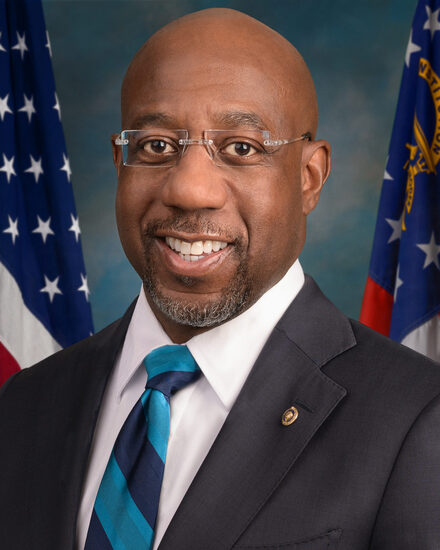
Raphael G. Warnock
100% support rate
Top opponent
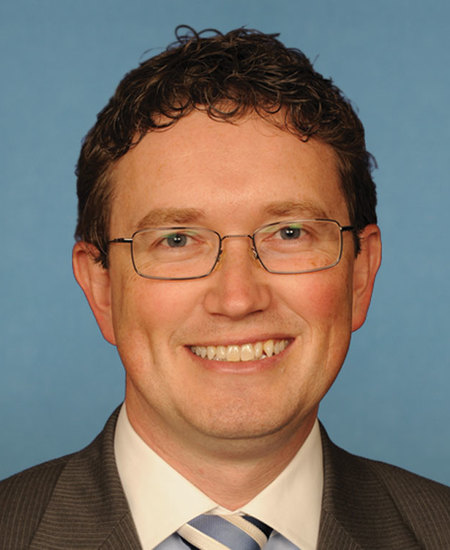
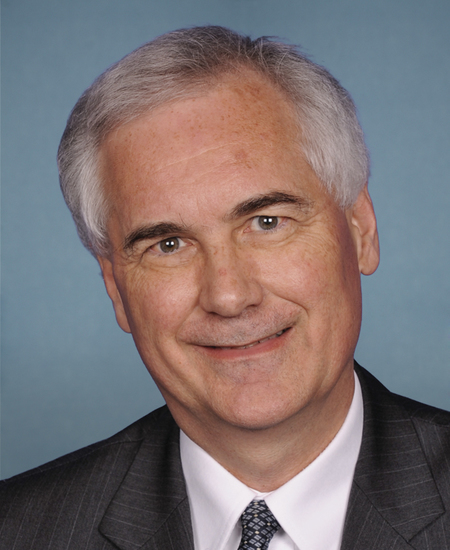
Thomas Massie
12% support rate
Ranked legislators
10
5 support · 5 oppose
Key legislators

Who's moving education in United States

Legislators moving education in United States
Legislator Party Stance Support rate Decisive votes
Raphael G. Warnock
Raphael G. Warnock Senate
D
Strong +
100% 6
Adam B. Schiff
Adam B. Schiff Senate
D
Strong +
86% 7
Angela D. Alsobrooks
Angela D. Alsobrooks Senate
D
Strong +
86% 7
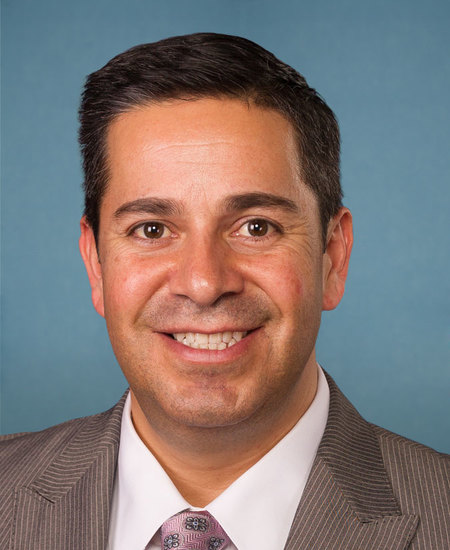
Ben Ray Luján
Ben Ray Luján Senate
D
Strong +
86% 7
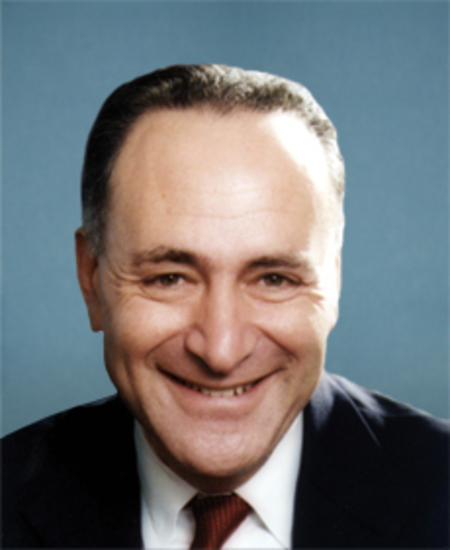
Charles E. Schumer
Charles E. Schumer Senate
D
Strong +
86% 7
Thomas Massie
Thomas Massie House · District 4
R
Strong −
12% 8
Tom McClintock
Tom McClintock House · District 5
R
Strong −
12% 8
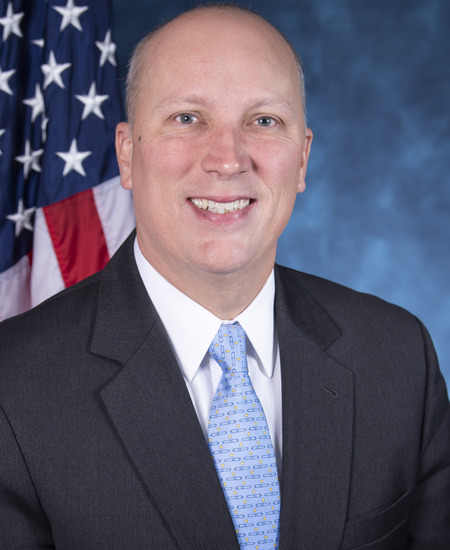
Chip Roy
Chip Roy House · District 21
R
Strong −
14% 7
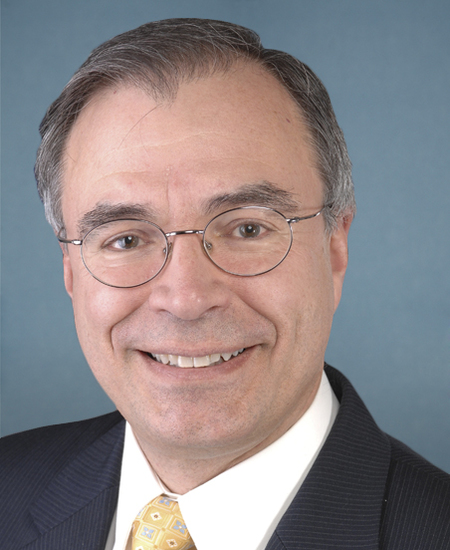
Andy Harris
Andy Harris House · District 1
R
Strong −
20% 10
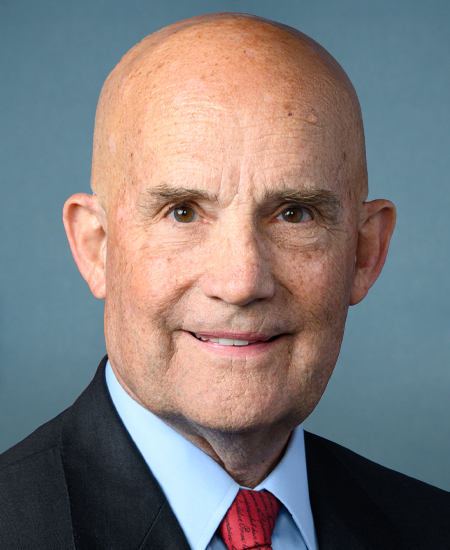
Keith Self
Keith Self House · District 3
R
Strong −
20% 10
Showing 861–870 of 1,194 bills

All education bills

passed · United States · Senate Feb 26, 2026

SRES 617: A resolution supporting the goals and ideals of "Career and Technical Education Month".

This resolution (SRES 617) designates February 2026 as "Career and Technical Education (CTE) Month" to symbolically recognize CTE programs nationwide. It supports CTE's role in preparing students for high-demand careers by promoting workforce readiness through academic and technical skills training. The resolution encourages educators, counselors, parents, and school administrators to advocate for CTE as a valid educational pathway. As a non-binding Senate resolution, it does not create new laws or allocate funds but affirms bipartisan support for CTE's importance in workforce development.
in committee · United States · Senate May 1, 2025

S 1558: Understanding the True Cost of College Act of 2025

This bill would require colleges and universities receiving federal financial aid to provide standardized financial aid offers using a new Department of Education-developed form. The form must clearly present costs of attendance (both direct and indirect), grants and scholarships (with disclosure they don't need repayment), net price, and loan terms including interest rates and repayment options. It would require institutions to disclose key information like the impact of private loans versus federal loans, default rates, and work-study opportunities in plain language. The bill affects all institutions of higher education that receive federal financial assistance, with the form to be developed through consumer testing with students and stakeholders.
in committee · United States · Senate Sep 11, 2025

S 2785: A Chance To Serve Act

This bill, the "A Chance To Serve Act," provides expanded benefits for Peace Corps and AmeriCorps volunteers. It extends job eligibility for 3 years after service, increases readjustment allowances from $125 to $425, and provides one year of health care coverage after service. The bill also suspends student loan payments and interest during service, doubles the Segal AmeriCorps Education Award, and ensures no discrimination based on immigration status. Additionally, it increases living allowances to 200% of the poverty line and expands student loan forgiveness for national service. These changes directly benefit current and former Peace Corps and AmeriCorps volunteers.
in committee · United States · Senate Feb 26, 2025

S 740: Affordable College Textbook Act

The Affordable College Textbook Act (S 740) establishes a federal grant program to help colleges and universities adopt open educational resources (OER), primarily open textbooks, to reduce student costs. It authorizes the Secretary of Education to award competitive grants to institutions or consortia for creating, adapting, or promoting OER, requiring projects to include faculty input, accessibility standards, and plans for tracking savings and educational impact. The bill also amends the Higher Education Act to mandate that colleges disclose textbook prices and OER availability on course schedules, and requires publishers to share data collection practices for digital materials. These provisions directly affect students (by lowering textbook costs), faculty (through OER adoption requirements), and institutions (via reporting obligations). The law focuses on creating sustainable, accessible alternatives to traditional textbooks rather than direct price controls.
in committee · United States · House Oct 28, 2025

HR 5850: GRAD Act

The GRAD Act (HR 5850) prevents colleges from changing or ending a student's enrollment status if federal financial aid under Title IV is delayed due to a government shutdown. It directly affects students receiving federal aid and the institutions that award it. The bill amends the Higher Education Act to require schools to maintain enrollment status during disruptions caused by lapses in government funding. This ensures students aren’t penalized for aid delays beyond their control during shutdowns.
in committee · United States · House Feb 21, 2025

HR 1448: PEER Mental Health Act of 2025

HR 1448, the PEER Mental Health Act of 2025, provides federal grants to schools for mental health training. It requires training school staff, students, parents, and caregivers to recognize mental health symptoms in youth, refer students to services, and apply basic response techniques during immediate distress. The bill mandates that at least 25% of annual funding ($24.96 million per year for 2026-2030) supports rural schools, with streamlined application processes and technical assistance for grantees. The program directly affects public schools, their personnel, and students by expanding access to mental health awareness and community resource education.
in committee · United States · Senate Aug 5, 2026

S 3589: RISE Act

The RISE Act amends the Higher Education Act to improve support for college students with disabilities. It requires institutions to accept multiple forms of documentation (like high school IEPs or 504 plans) to verify disability status and mandates transparent, accessible processes for determining accommodation eligibility. Colleges must also report specific disability-related data to federal databases, including the number of students receiving accommodations and degree completions. Additionally, the bill authorizes $10 million annually (2027-2031) for a national center providing technical support to students with disabilities, without altering existing ADA definitions or rights.
Sub-Topics Higher Education K-12 Education Special Education Tags People with Disabilities
in committee · United States · Senate Mar 11, 2026

SRES 639: A resolution establishing an annual Senate academic civics competition for secondary school students.

SRES 639 establishes an annual Senate-sponsored civics competition for secondary school students. The Rules Committee would organize this event, potentially partnering with groups like iCivics to design judging criteria and support the competition. It does not create new laws but creates a program to help students develop civic knowledge and media literacy skills. The resolution cites declining civics education scores and low civic knowledge among adults as motivation for the competition.
Sub-Topics K-12 Education
in committee · United States · Senate Dec 11, 2025

S 3435: FAAN Act

The FAAN Act (S 3435) provides $1 billion in federal grants to nursing schools in underserved areas to address nursing workforce shortages. It directly affects nursing schools located in medically underserved regions, rural communities, or areas with health professional shortages, prioritizing institutions serving underrepresented racial/ethnic groups, low-income students, and rural populations. Key provisions require grantees to expand enrollment (especially for underrepresented students), modernize facilities with technology like simulation labs, strengthen clinical partnerships, and hire diverse faculty. Schools must report annually on outcomes, including student demographics and program impacts, with a comprehensive report to Congress after five years. The bill aims to strengthen nursing education capacity and emergency response readiness through these targeted funding mechanisms.
in committee · United States · Senate May 22, 2025

S 1895: Mental Health Excellence in Schools Act

S 1895, the Mental Health Excellence in Schools Act, creates a federal program to expand school-based mental health services by subsidizing graduate education costs for future school psychologists, counselors, and social workers. It authorizes $20-50 million annually (2026-2030) to cover up to 50% of tuition for students in accredited school-based mental health programs, requiring participating universities to match these funds. The program prioritizes students who received Federal Pell Grants or attended designated institutions under the Higher Education Act. Participating schools must report annually on student demographics, program coverage, and outcomes, with independent evaluations required after four years to assess effectiveness.
Showing 861 to 870 of 1,194 bills
Previous 1 86 87 88 120 Next