Issue · Education

Education

Every education bill, vote, and legislator stance in United States, automatically classified by Maddy, our AI policy reader.

Total bills
1,215
119th Congress
Top supporter
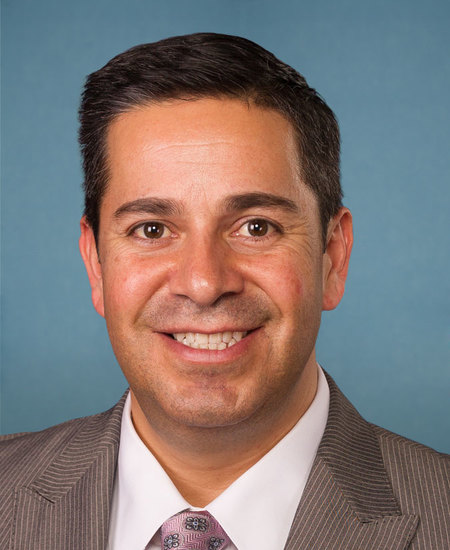
Ben Ray Luján
90% support rate
Top opponent
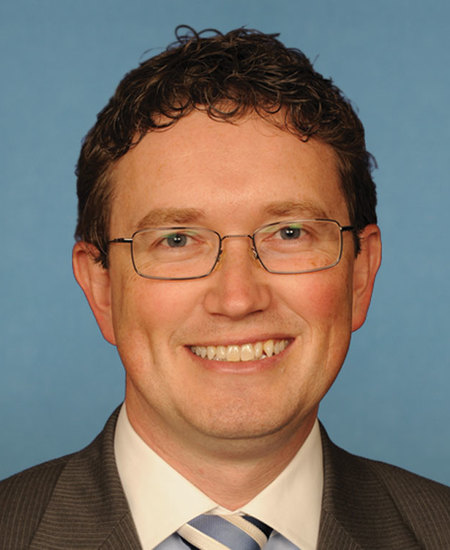
Thomas Massie
12% support rate
Ranked legislators
10
5 support · 5 oppose
Key legislators

Who's moving education in United States

Legislators moving education in United States
Legislator Party Stance Support rate Decisive votes
Ben Ray Luján
Ben Ray Luján Senate
D
Strong +
90% 10
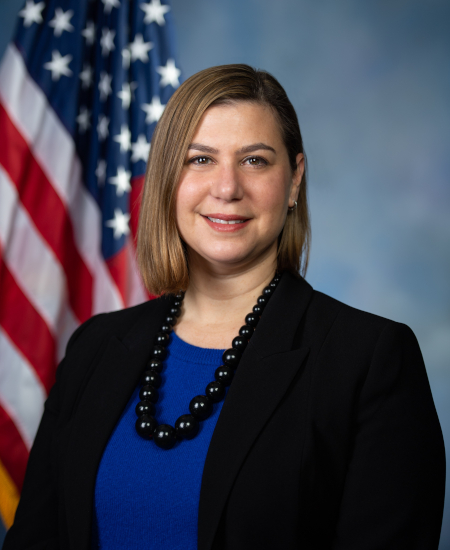
Elissa Slotkin
Elissa Slotkin Senate
D
Strong +
90% 10
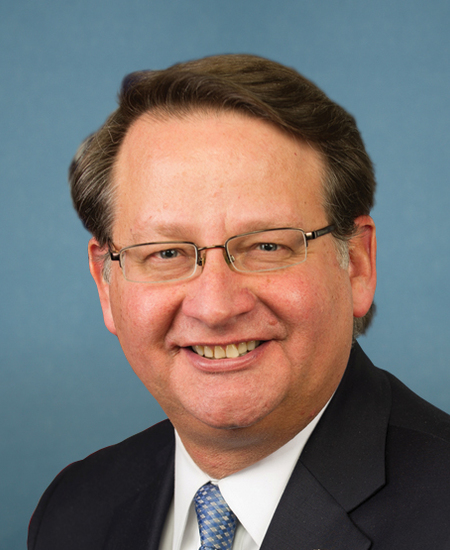
Gary C. Peters
Gary C. Peters Senate
D
Strong +
90% 10
John W. Hickenlooper
John W. Hickenlooper Senate
D
Strong +
90% 10
Maria Cantwell
Maria Cantwell Senate
D
Strong +
90% 10
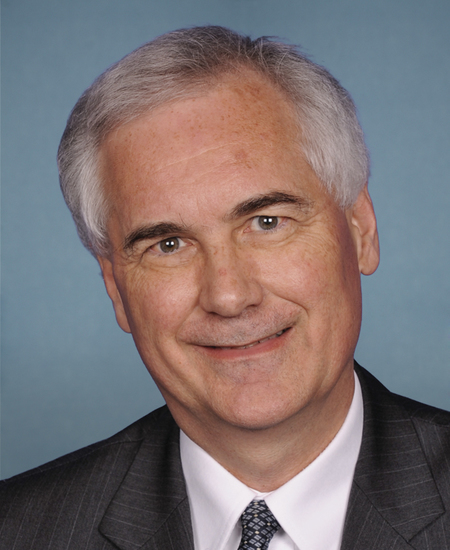
Thomas Massie
Thomas Massie House · District 4
R
Strong −
12% 8
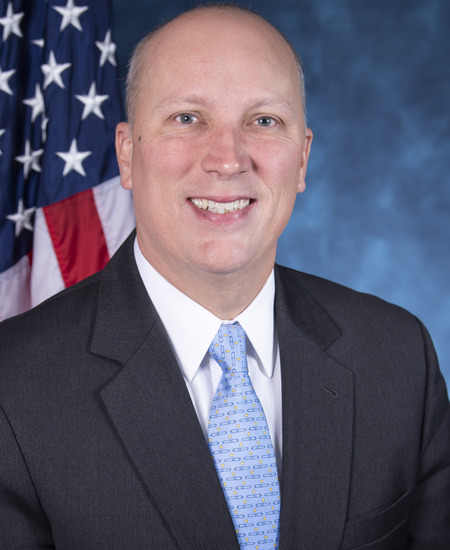
Tom McClintock
Tom McClintock House · District 5
R
Strong −
12% 8
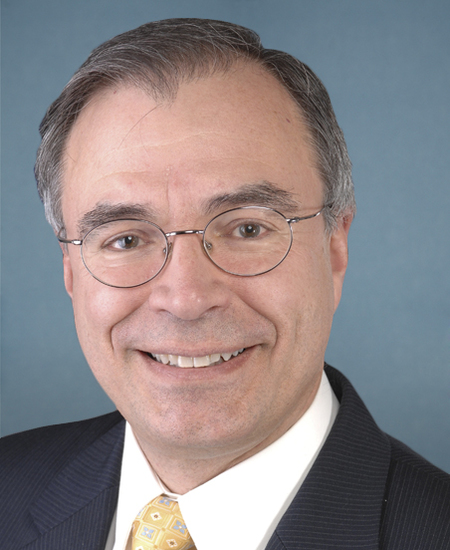
Chip Roy
Chip Roy House · District 21
R
Strong −
14% 7
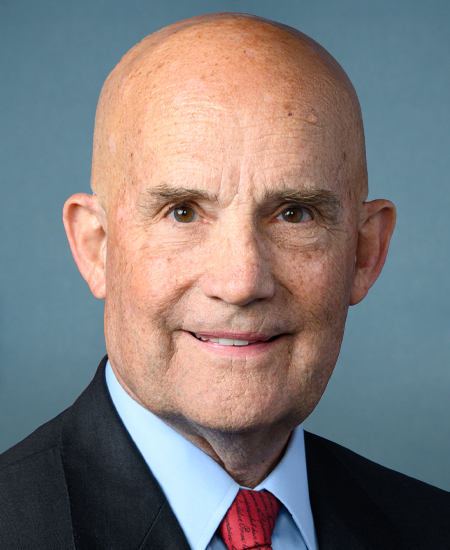
Andy Harris
Andy Harris House · District 1
R
Strong −
20% 10
Keith Self
Keith Self House · District 3
R
Strong −
20% 10
Showing 731–740 of 1,215 bills

All education bills

in committee · United States · House Dec 2, 2025

HR 6366: Boosting the Rural STEM Pipeline Act

HR 6366, the Boosting the Rural STEM Pipeline Act, repeals a requirement that states contribute funds to the Robert Noyce Teacher Scholarship Program. This change eliminates the state cost-sharing obligation, making it easier for states to participate in the program. The bill directly affects states and school districts that use the Noyce scholarships to recruit and train STEM teachers, particularly in rural and high-need areas. The key provision removes the financial barrier for states, allowing more resources to support STEM educator development without requiring state matching funds.
Sub-Topics Student Financial Aid Teachers Tags Rural Communities
in committee · United States · House Sep 18, 2025

HR 5480: Make America's Youth Healthy Again Act of 2025

The Make America's Youth Healthy Again Act of 2025 establishes a new President’s Council on Sports, Fitness, and Nutrition to advise the President on youth health initiatives. The Council, appointed by the President with up to 30 members serving two-year terms, will recommend strategies to reinstate the Presidential Fitness Test, develop school-based physical education programs, expand community sports access, and address childhood obesity as a national security concern. Key provisions include advising on fitness goals for American youth, promoting partnerships with sports organizations, and emphasizing active lifestyles and nutrition. The Council will terminate two years after enactment unless extended by the President. This bill directly affects federal policy coordination for youth fitness programs but does not create new funding or mandate changes to existing laws.
Sub-Topics Student Health
in committee · United States · House Jul 17, 2025

HR 4517: Jordan McNair Student Athlete Heat Fatality Prevention Act

This bill requires colleges and high schools with athletic programs to create venue-specific emergency plans for heat-related illnesses. These plans must include symptom identification guides, visible posting in key locations (locker rooms, training facilities), and mandatory annual training for all athletes, coaches, medical staff, and administrators. Schools must also ensure quick access to cooling equipment and automatic defibrillators, and report annually on compliance. The law aims to prevent delays in treatment like those that contributed to Jordan McNair's death by mandating proactive, standardized protocols.
in committee · United States · House May 6, 2025

HR 3210: Artificial Intelligence Literacy and Inclusion Act

The Artificial Intelligence Literacy and Inclusion Act authorizes the National Science Foundation to fund local AI literacy programs targeting underserved communities, including people of color, low-income residents, rural populations, seniors, and people with disabilities. These programs must cover AI basics, ethics, applications, and societal impacts, with grantees required to submit annual reports on participant demographics and program effectiveness. Federal agencies like Labor, Commerce, and Education must also submit reports to Congress within one year on integrating AI literacy into workforce training, small business support, and school curricula, including how to adapt existing grant programs. The bill mandates public availability of all agency reports and emphasizes community-driven education to build broader public understanding of AI. This legislation aims to expand equitable access to AI education without specifying outcomes or advocating for particular policies.
in committee · United States · Senate Mar 19, 2026

S 547: Train More Nurses Act

This bill requires the Health and Human Services and Labor Secretaries to review all federal grant programs supporting nurses and submit a report to Congress within one year. The report must include recommendations to improve three specific goals: increasing nursing faculty (especially in areas with nurse shortages), creating career advancement routes for experienced nurses to become faculty, and expanding pathways for licensed practical nurses (LPNs) to become registered nurses (RNs). It directly affects nursing education programs and the nursing workforce by focusing on strengthening the pipeline to address shortages. The bill itself does not fund new programs but sets up a review process to inform future policy changes.
in committee · United States · House Sep 11, 2025

HR 5304: Departments of Labor, Health and Human Services, and Education, and Related Agencies Appropriations Act, 2026

# Summary of the Departments of Labor, Health and Human Services, and Education, and Related Agencies Appropriations Act, 2026 This is a comprehensive federal appropriations bill that allocates funding for multiple government agencies, with significant restrictions on how those funds may be used. The bill is structured into four main titles: ## Key Components 1. **Title I: Health and Human Services Appropriations** - Contains detailed funding allocations for: - Public health programs - Social Security Administration - Medicaid and CHIP programs - Various health research and services - Specific restrictions on abortion funding (sections 506-508) 2. **Title II: Department of Education Appropriations** - Funds for: - Higher education programs - K-12 education initiatives - Career and technical education - Student financial assistance - Prohibitions on certain gender-related policies (section 312) 3. **Title III: Related Agencies** - Includes funding for: - Corporation for National and Community Service ("America First Corps") - Committee for Purchase From People Who Are Blind or Severely Disabled - Federal Mediation and Conciliation Service - Various other independent agencies 4. **Title IV: General Provisions** - Contains numerous restrictions on fund usage, including: ## Notable Restrictions and Prohibitions - **Abortion restrictions** (sections 506-508): Prohibits funding for abortions except in cases of rape, incest, or life endangerment - **Research restrictions** (section 508): Bans funding for human embryo research - **Prohibitions on Critical Race Theory** (section 534): Bans funding for programs promoting Critical Race Theory - **Restrictions on diversity initiatives** (section 535): Prohibits funding for programs teaching concepts related to systemic racism - **Executive order prohibitions** (sections 532-533): Prohibits implementation of various climate-related executive orders - **Restrictions on transgender policies** (section 311): Prohibits funds for educational institutions allowing males to participate in women's athletic programs - **Restrictions on certain international collaborations** (sections 537, 540): Prohibits funding for certain Chinese research institutions - **Prohibitions on certain technology procurement** (section 541): Bans purchasing from companies with Chinese ownership stakes The bill also includes: - Rescission of $12.8 billion from the Child Enrollment Contingency Fund (section 528) - Rescission of $183 million from various American Rescue Plan Act funds (section 529) - Specific requirements for reporting on fund usage and contract awards - Restrictions on flag display at federal facilities (section 531) This appropriations bill represents a highly restrictive approach to federal funding, with numerous specific limitations on how money can be spent across multiple government agencies.
in committee · United States · Senate Mar 18, 2026

S 342: Purple Heart Veterans Education Act of 2025

This bill allows Purple Heart veterans who served after September 11, 2001, to transfer unused Post-9/11 GI Bill education benefits to family members. Specifically, veterans can transfer up to 36 months of benefits to eligible dependents (like spouses or children) without affecting their own remaining benefits. It sets rules for when dependents can use transferred benefits - children must complete high school or turn 18 first, and benefits expire by age 26 unless used for caregiving or due to school closures. The bill also ensures transferred benefits aren’t treated as marital property and includes special provisions for caregivers of injured veterans or emergency school closures.
in committee · United States · House Sep 23, 2025

HR 5545: Katie Meyer’s Law

HR 5545, "Katie Meyer’s Law," requires colleges and universities receiving certain federal funds to provide students facing alleged violations of campus conduct codes with the option of having an adviser during disciplinary proceedings. Institutions must adopt policies allowing students to choose an outside adviser or request an independent adviser from the school, who must be trained on campus procedures and can participate in hearings as an advocate. The law also mandates that advisers may receive bi-weekly updates with student permission and ensures students are informed of their adviser options in written notifications. This directly affects students in disciplinary cases at participating higher education institutions across the U.S.
Sub-Topics Higher Education
in committee · United States · House Apr 9, 2025

HR 2789: Adult Education WORKS Act

The Adult Education WORKS Act establishes "college and career navigators" who provide personalized guidance to help individuals access education, job training, and workforce development services. These navigators help people identify career paths, connect to financial aid, and develop digital literacy and information literacy skills needed for success in education and employment. The bill requires state and local workforce boards to collaborate with adult education providers to promote these navigator positions and authorizes $135 million annually for library-based and community-based navigator programs. It updates definitions to include digital and information literacy skills as essential components of adult education. The bill directly affects adult education providers, workforce development systems, and individuals seeking to improve their job skills or educational opportunities.
passed · United States · House Jun 3, 2026

HR 6162: Albuquerque Indian School Act of 2025

HR 6162, the Albuquerque Indian School Act of 2025, transfers approximately 9.89 acres of federal land (historically part of the Albuquerque Indian School) into trust for the 19 New Mexico Pueblos. The bill requires the General Services Administration to transfer administrative control of three specific land tracts to the Secretary of the Interior, who then holds the land in trust for the Pueblos' benefit. The land must be used for educational, health, cultural, business, and economic development purposes, while prohibiting all forms of gaming. This transfer is subject to existing encumbrances and requires relocation of federal tenants before the land transfer occurs.
Tags Tribal Nations
Showing 731 to 740 of 1,215 bills
Previous 1 73 74 75 122 Next