Issue · Education

Education

Every education bill, vote, and legislator stance in United States, automatically classified by Maddy, our AI policy reader.

Total bills
1,215
119th Congress
Top supporter
Ben Ray Luján
90% support rate
Top opponent
Thomas Massie
12% support rate
Ranked legislators
10
5 support · 5 oppose
Key legislators

Who's moving education in United States

Legislators moving education in United States
Legislator Party Stance Support rate Decisive votes
Ben Ray Luján
Ben Ray Luján Senate
D
Strong +
90% 10
Elissa Slotkin
Elissa Slotkin Senate
D
Strong +
90% 10
Gary C. Peters
Gary C. Peters Senate
D
Strong +
90% 10
John W. Hickenlooper
John W. Hickenlooper Senate
D
Strong +
90% 10
Maria Cantwell
Maria Cantwell Senate
D
Strong +
90% 10
Thomas Massie
Thomas Massie House · District 4
R
Strong −
12% 8
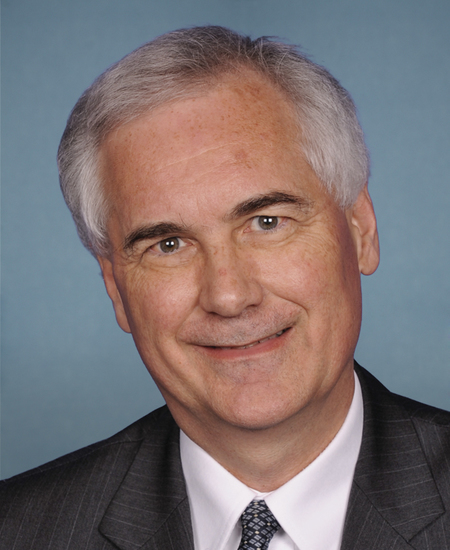
Tom McClintock
Tom McClintock House · District 5
R
Strong −
12% 8
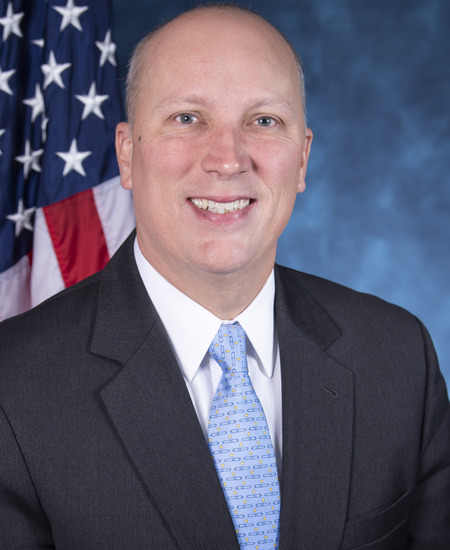
Chip Roy
Chip Roy House · District 21
R
Strong −
14% 7
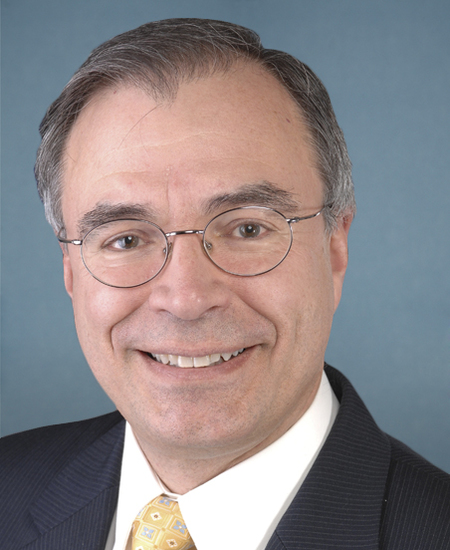
Andy Harris
Andy Harris House · District 1
R
Strong −
20% 10
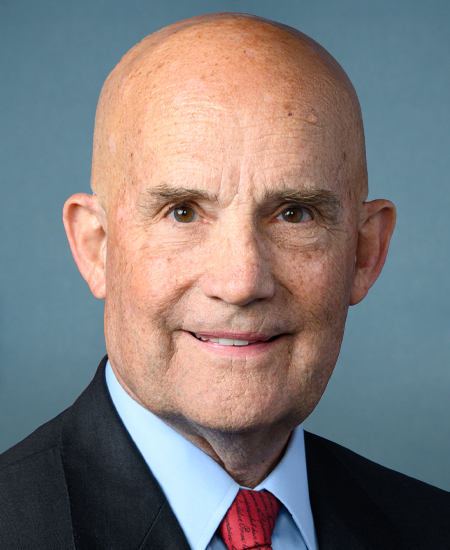
Keith Self
Keith Self House · District 3
R
Strong −
20% 10
Showing 611–620 of 1,215 bills

All education bills

in committee · United States · House Sep 11, 2025

HR 5295: ACCESS Act

The ACCESS Act (HR 5295) requires states to run public awareness campaigns - including social media - to inform secondary students about career and technical education programs and skilled trade opportunities. It also mandates that local workforce programs provide career counseling and exploration services that include information on high-skill, high-wage, or in-demand jobs available in the local area. These provisions directly affect secondary students, community-based organizations, and state workforce agencies administering federal job training programs. The bill focuses on connecting students with training pathways in growing industries through concrete policy changes.
in committee · United States · House Feb 13, 2025

HR 1359: Black History Matters Act

The Black History Matters Act directs the National Museum of African American History and Culture to study how public elementary and secondary schools teach Black history across the U.S. The study will identify which schools require this education, assess teaching quality through classroom discussions and materials, and examine how schools measure student learning. It requires the Director to complete the study within three years of the bill’s passage and submit a report to Congress within 180 days of completion. The bill does not change school curricula but aims to gather data on existing practices to inform future education policies. This study directly affects all public schools covered under the Elementary and Secondary Education Act.
Sub-Topics Curriculum
in committee · United States · Senate Jun 18, 2025

S 2111: American Students First Act of 2025

S 2111, the American Students First Act of 2025, limits foreign student enrollment at U.S. universities participating in the Student and Exchange Visitor Program. It requires universities to cap nonimmigrant students (on F and M visas) at 10% of their total student population each academic year. Universities may request a waiver from the President or Homeland Security Secretary to increase this cap to 15% for national security reasons or U.S. interests. This bill directly affects all U.S. universities certified under the Student and Exchange Visitor Program by altering their foreign student enrollment rules.
in committee · United States · House Feb 5, 2025

HR 1002: Caring for All Families Act

The Caring for All Families Act expands family medical leave eligibility under the FMLA to include domestic partners, adult children, children of domestic partners, and extended family members such as grandparents, grandchildren, siblings, and in-laws. It also adds new "parental involvement and family wellness" leave allowing employees to attend school activities for their children/grandchildren or meet routine medical needs for themselves, their children, spouse/domestic partner, or elderly individuals with family-like relationships. Employees may take up to 4 hours per 30-day period or 24 hours per year for these purposes, with the leave being in addition to existing FMLA protections. This bill directly affects private sector employees covered by the FMLA and federal employees, broadening who qualifies for leave and expanding leave purposes to include family wellness activities.
Sub-Topics Paid Leave
in committee · United States · House Sep 17, 2025

HR 5430: FORTIFY Act

The FORTIFY Act expands a federal grant program to help schools improve security by allowing funds to cover hiring school resource officers (SROs), purchasing their firearms and protective gear, and buying vehicles like golf carts for SROs. It directly affects schools and local governments applying for these grants under the Safe Streets Act. The bill also requires the Attorney General to provide technical assistance to rural and underserved areas to improve their access to these grants. This changes the program's eligible uses without altering overall funding levels.
in committee · United States · House Dec 19, 2025

HR 4594: Military Learning for Credit Act of 2025

HR 4594, the Military Learning for Credit Act of 2025, allows veterans using GI Bill benefits (Chapters 30, 33, 34, or 35) to cover costs for certain exams that grant college credit. It specifically permits using educational assistance for DSST, CLEP, National Career Readiness Certificate exams, and portfolio assessments of military training, with a $500 per exam cap. Veterans’ GI Bill entitlement is charged based on the exam cost relative to their monthly benefit rate, but this does not reduce benefits from the Department of Defense Tuition Assistance Program. The bill directly affects veterans seeking to convert military experience into college credits through approved programs.
passed · United States · House Sep 16, 2025

HR 2034: Edith Nourse Rogers STEM Scholarship Opportunity Act

This bill modifies the Edith Nourse Rogers STEM Scholarship program for veterans. It reduces the maximum months of scholarship use from 60 to 45 and lowers the required benefit usage threshold from 90% to 67.5% for certain veterans. The changes prioritize veterans who have used the most months of their regular education benefits and those pursuing STEM degrees. Veterans must now exhaust all their regular education benefits under Chapter 33 before accessing this scholarship, as specified in new subsection (d)(5). The bill directly affects veterans using education benefits to pursue STEM fields.
in committee · United States · Senate May 15, 2025

S 1789: Training and Nutrition Stability Act of 2025

This bill amends the Food and Nutrition Act of 2008 to exclude certain income from employment and training programs when determining eligibility for nutrition assistance benefits. It specifically excludes earnings from veterans' education programs (like the Post-9/11 GI Bill), employment training programs, vocational rehabilitation, and refugee employment programs. Households with members participating in these programs will no longer have that income counted toward benefit eligibility thresholds. The change directly affects low-income individuals and families receiving nutrition assistance who also participate in these specific workforce development initiatives.
in committee · United States · House Jan 28, 2025

HR 777: Closing the College Hunger Gap Act

This bill requires the U.S. Department of Education to proactively notify eligible college students about potential access to SNAP (food stamp) benefits. It targets students with a negative or zero student aid index (SAI) who file the Free Application for Federal Student Aid (FAFSA). The Department must send annual written and electronic notices explaining SNAP eligibility and providing state contact information for applying. The bill also mandates consultation between the Education and Agriculture Departments to design these notifications. This is a policy change focused on improving access to nutrition assistance for low-income students already enrolled in college.
in committee · United States · House Feb 25, 2025

HR 1557: Stop Sexual Harassment in K–12 Act

This bill requires schools receiving federal funding to increase the number of Title IX Coordinators based on student population (one per 75,000 students in grades 7+ and one per 150,000 students in grades 6 and below), ensuring these coordinators have no conflicting responsibilities. It mandates annual anonymous surveys to assess students' and staff's experiences with sex-based harassment, including off-campus and online incidents, and requires trauma-informed prevention education for students and staff. The bill includes $50 million annually for five years to support schools in implementing these requirements, with priority for underserved areas and schools facing financial burdens. Schools must also monitor complaints, identify patterns of discrimination, and provide clear reporting procedures for sex-based harassment incidents. The legislation aims to improve school responses to harassment through standardized reporting, prevention, and support mechanisms.
Showing 611 to 620 of 1,215 bills
Previous 1 … 61 62 63 … 122 Next