Issue · Education

Education

Every education bill, vote, and legislator stance in United States, automatically classified by Maddy, our AI policy reader.

Total bills
1,194
119th Congress
Top supporter
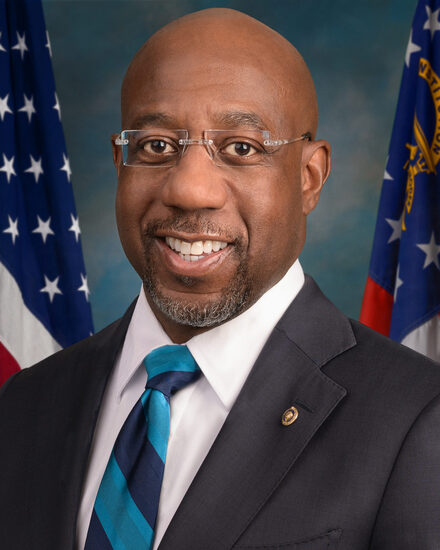
Raphael G. Warnock
100% support rate
Top opponent
Thomas Massie
12% support rate
Ranked legislators
10
5 support · 5 oppose
Key legislators

Who's moving education in United States

Legislators moving education in United States
Legislator Party Stance Support rate Decisive votes
Raphael G. Warnock
Raphael G. Warnock Senate
D
Strong +
100% 6
Adam B. Schiff
Adam B. Schiff Senate
D
Strong +
86% 7
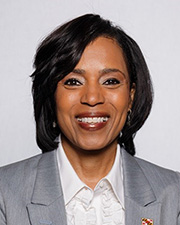
Angela D. Alsobrooks
Angela D. Alsobrooks Senate
D
Strong +
86% 7
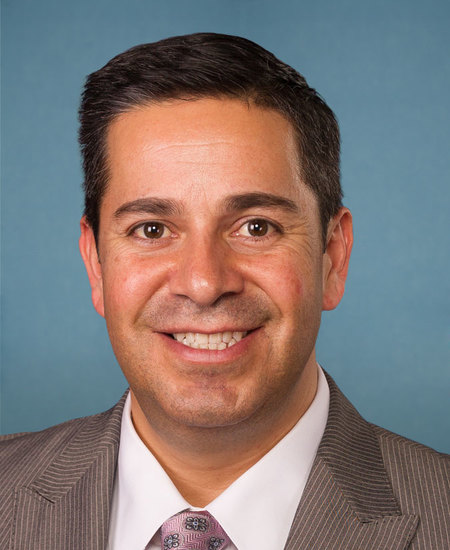
Ben Ray Luján
Ben Ray Luján Senate
D
Strong +
86% 7
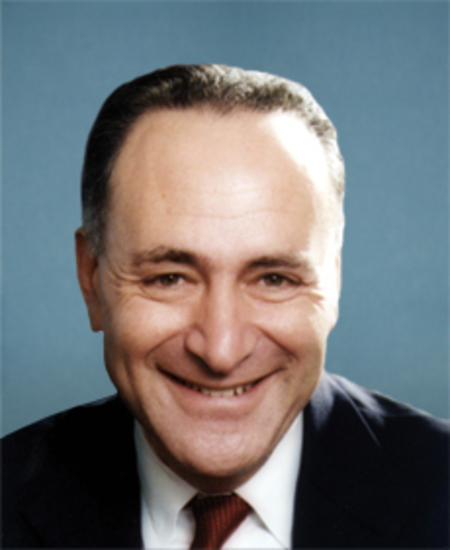
Charles E. Schumer
Charles E. Schumer Senate
D
Strong +
86% 7
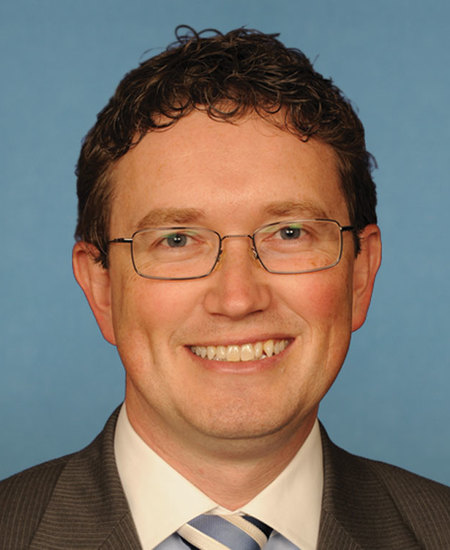
Thomas Massie
Thomas Massie House · District 4
R
Strong −
12% 8
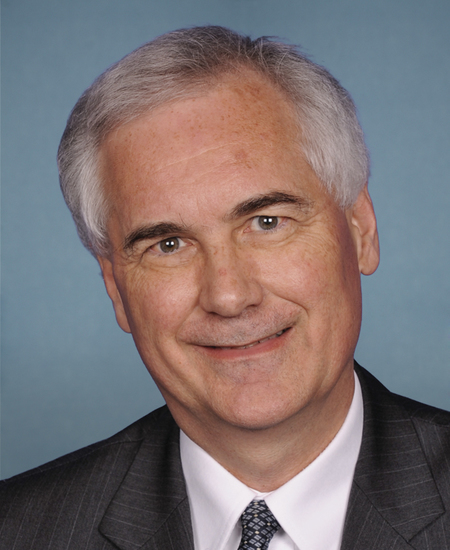
Tom McClintock
Tom McClintock House · District 5
R
Strong −
12% 8
Chip Roy
Chip Roy House · District 21
R
Strong −
14% 7
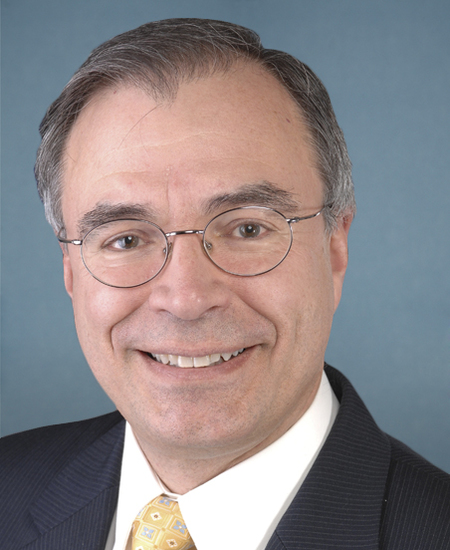
Andy Harris
Andy Harris House · District 1
R
Strong −
20% 10
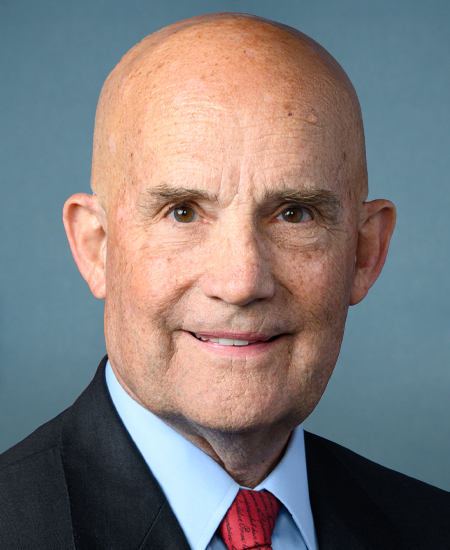
Keith Self
Keith Self House · District 3
R
Strong −
20% 10
Showing 351–360 of 1,194 bills

All education bills

in committee · United States · House Mar 19, 2026

HR 8009: Student Protection and Success Act

This bill would require colleges to demonstrate that at least 15% of their student loan borrowers successfully reduce their loan principal within two years of entering repayment, or risk losing eligibility for federal student loan programs starting in fiscal year 2028. It also creates a new bonus grant program for institutions with repayment rates above 25% and requires colleges to pay fees based on the amount of loans their students fail to repay. The legislation defines repayment success as borrowers who are not in default and have made at least a one-dollar reduction in their principal balance, while excluding students in deferment for military service, graduate school, or public service.
in committee · United States · House Apr 9, 2026

HR 8235: Books Save Lives Act

The Books Save Lives Act requires public libraries and schools receiving federal funding to maintain diverse book collections that include works by and about members of underrepresented communities. It mandates that covered schools employ trained librarians and establishes that excluding books with a disparate impact on underrepresented groups serves as initial evidence of discrimination under existing civil rights laws. Additionally, the bill directs the Comptroller General to produce a report within 180 days on how recent book ban campaigns have affected underrepresented communities. The legislation defines underrepresented communities to include racial and ethnic minorities, LGBTQ+ individuals, religious minorities, and people with disabilities.
Sub-Topics Libraries
in committee · United States · Senate Mar 24, 2026

S 4183: Veteran Education Assistance Adjustment Act of 2026

The Veteran Education Assistance Adjustment Act of 2026 increases the annual stipend for books, supplies, and other educational costs under the Post-9/11 Educational Assistance Program. This change directly affects veterans receiving education benefits through the Department of Veterans Affairs. The bill raises the fixed stipend amount from $1,000 to $1,500 for fiscal year 2026 and establishes a formula for future annual adjustments based on changes in the Consumer Price Index. These provisions ensure that educational cost allowances keep pace with inflation in subsequent years.
in committee · United States · Senate Mar 26, 2026

S 4231: A bill to amend title 38, United States Code, to increase flexibility in the transferability of Post-9/11 Educational Assistance, and for other purposes.

This bill modifies the Post-9/11 GI Bill to allow service members to transfer their education benefits to family members under new conditions. It removes the requirement that family members must wait until the service member is no longer in the military to receive the transferred benefits, allowing transfers to happen at any time. The legislation also changes the minimum service requirement for transferring benefits from six years to a different threshold, though the exact new requirement is not fully detailed in the provided text. These changes directly affect military personnel who wish to give their education assistance to spouses or dependents. The bill updates the relevant sections of Title 38 of the United States Code to implement these policy adjustments.
in committee · United States · Senate Mar 26, 2026

S 4269: Restoring College Access and Affordability Act

This bill, the Restoring College Access and Affordability Act, primarily reverses several changes made to federal student loan and grant programs in previous legislation. It restores previous loan limits, repayment terms, and deferment options that were altered by prior laws, affecting current and future student borrowers. The bill also modifies eligibility rules for Pell Grants and adjusts criteria for determining which educational programs can be deemed low-earning, specifically including programs that award associate's degrees and certificates. Additionally, it delays certain federal regulations related to borrower defense claims and closed school discharges, while reducing the excise tax on private college endowment income to 1.4 percent.
in committee · United States · House Apr 9, 2026

HRES 1162: Supporting the goals and ideals of Glisten's (formerly GLSEN's) 2026 Day of Silence in bringing attention to anti-LGBTQI+ bullying, harassment, discrimination, and other forms of victimization faced by individuals in schools, and calling communities across the country to action to demand equal educational opportunity, basic civil rights protections, and freedom from erasure for all students, particularly LGBTQI+ young people, in K-12 schools.

This resolution supports the National Day of Silence, an annual event that highlights anti-LGBTQI+ bullying and discrimination in K-12 schools. It calls on communities to demand equal educational opportunities and civil rights protections for all students, with particular focus on LGBTQI+ young people. The bill does not create new laws or regulations but instead expresses official congressional support for awareness efforts and encourages local educational agencies to adopt policies prohibiting discrimination based on sexual orientation, gender identity, or sex characteristics.
in committee · United States · House Apr 9, 2026

HJRES 155: Providing for congressional disapproval under chapter 8 of title 5, United States Code, of the rule submitted by the Department of Education relating to "William D. Ford Federal Direct Loan (Direct Loan) Program".

This bill seeks to block a specific rule issued by the Department of Education that affects the William D. Ford Federal Direct Loan Program. If passed, it would prevent the rule from taking effect, meaning the proposed changes to federal student loans would not be implemented. The measure uses a legislative process known as a joint resolution of disapproval to override agency regulations. It directly impacts students, families, and institutions that rely on federal student loans by stopping the Department of Education from enforcing the new policy.
in committee · United States · House Apr 2, 2026

HRES 1151: Expressing support for the designation of the weeks of March 29, 2026, through April 11, 2026, as National Young Audiences Arts for Learning Week.

This bill is a House resolution that expresses support for designating the weeks of March 29 through April 11, 2026, as National Young Audiences Arts for Learning Week. It directly affects the nonprofit organization Young Audiences Arts for Learning and its network of affiliates across the United States, which provide arts education programs to students in schools and community centers. The resolution honors the contributions of these programs to student development and encourages communities to observe the designated week with ceremonies and activities promoting arts education. The bill does not create new laws or funding but serves as a formal recognition of the organization's work in integrating arts into education nationwide.
in committee · United States · Senate Mar 9, 2026

S 4030: Supporting After-School STEM Educators Act

This bill establishes a grant program to provide professional development scholarships for educators working in after-school, summer, and other out-of-school time programs, with a focus on science, technology, engineering, and mathematics subjects. The Department of Labor would award grants to intermediary organizations, which would then distribute funds to program providers to help pay for educator training, coaching, and related costs. The program prioritizes serving communities with historically underinvested STEM resources and aims to support educators in gaining STEM credentials and improving their wages. Intermediaries receiving grants must also create centralized databases of training opportunities and facilitate peer networks for educators. The funding is authorized for five-year periods, with requirements for regular reporting on program effectiveness and educator retention.
passed · United States · House May 8, 2025

HR 881: DHS Restrictions on Confucius Institutes and Chinese Entities of Concern Act

HR 881, the DHS Restrictions on Confucius Institutes and Chinese Entities of Concern Act, restricts Department of Homeland Security (DHS) funding for colleges and universities that maintain relationships with China-funded Confucius Institutes or specific Chinese entities deemed "of concern." It prohibits DHS funding for institutions with ties to Confucius Institutes, the Thousand Talents Program, or Chinese universities involved in military-civil fusion, defense work, Uyghur persecution, election interference, or other activities listed in the bill. Institutions must terminate such relationships within one year of enactment to regain eligibility for DHS funds. The bill requires the DHS Secretary to report to Congress on any institutions violating this funding restriction. (3 sentences)
Sub-Topics Higher Education
Showing 351 to 360 of 1,194 bills
Previous 1 35 36 37 120 Next