Issue · Education

Education

Every education bill, vote, and legislator stance in United States, automatically classified by Maddy, our AI policy reader.

Total bills
1,179
119th Congress
Top supporter
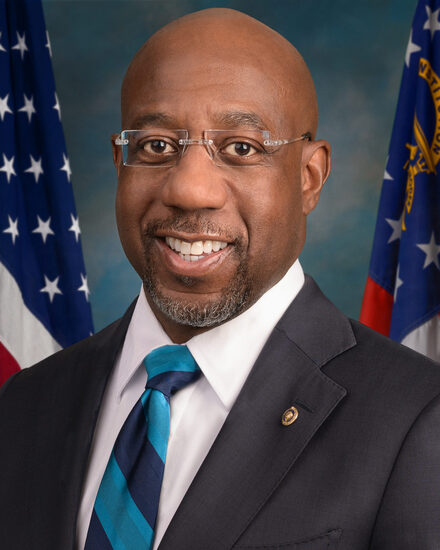
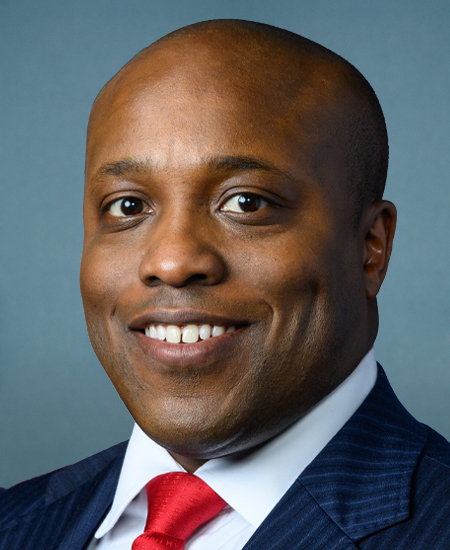
Raphael G. Warnock
100% support rate
Top opponent
Thomas Massie
14% support rate
Ranked legislators
10
5 support · 5 oppose
Key legislators

Who's moving education in United States

Legislators moving education in United States
Legislator Party Stance Support rate Votes
Raphael G. Warnock
Raphael G. Warnock Senate
D
Strong +
100% 167
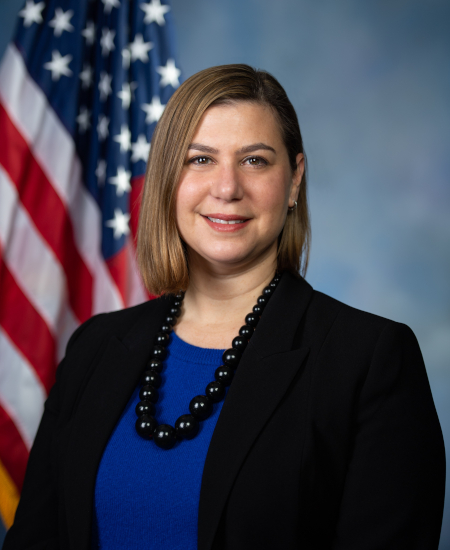
Elissa Slotkin
Elissa Slotkin Senate
D
Strong +
86% 166
Michael F. Bennet
Michael F. Bennet Senate
D
Strong +
86% 137
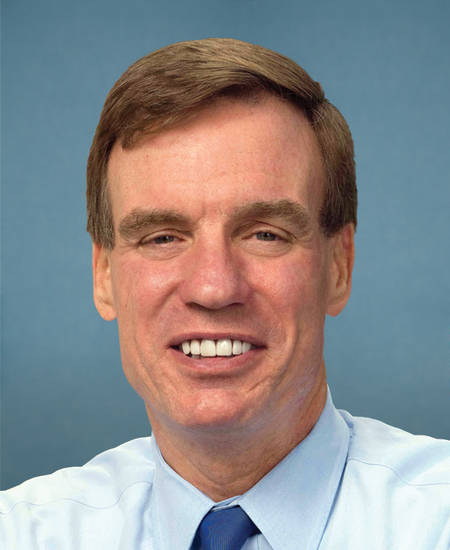
Mark R. Warner
Mark R. Warner Senate
D
Strong +
86% 167
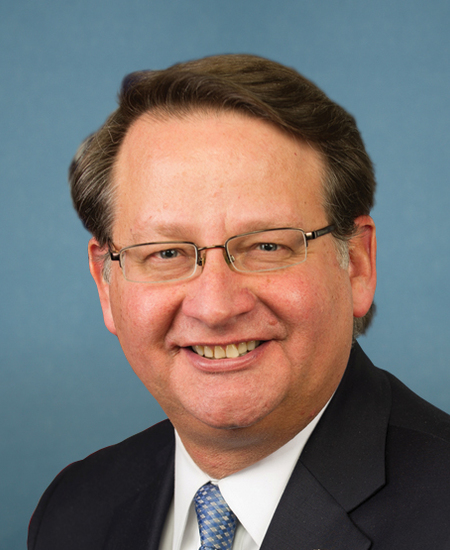
Gary C. Peters
Gary C. Peters Senate
D
Strong +
86% 167
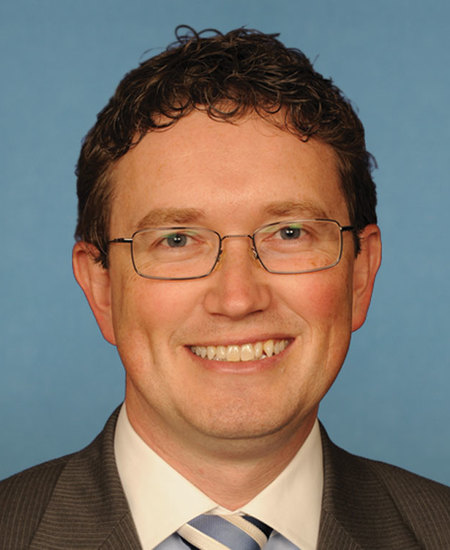
Thomas Massie
Thomas Massie House · District 4
R
Strong −
14% 126
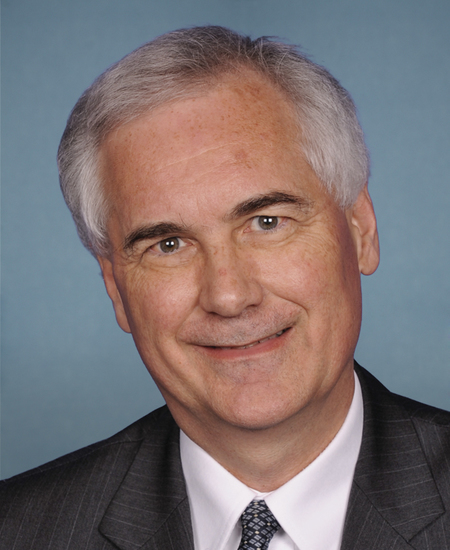
Tom McClintock
Tom McClintock House · District 5
R
Strong −
14% 125
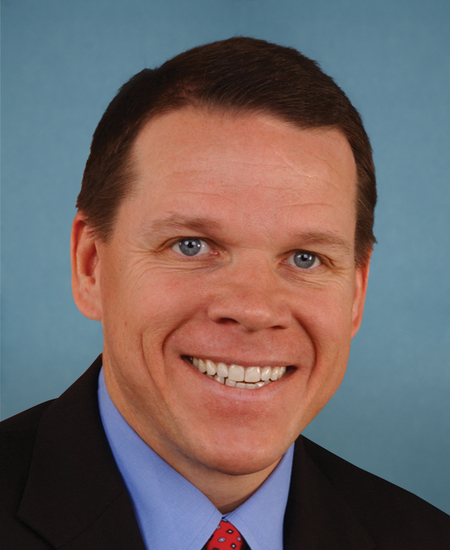
Sam Graves
Sam Graves House · District 6
R
Strong −
14% 124
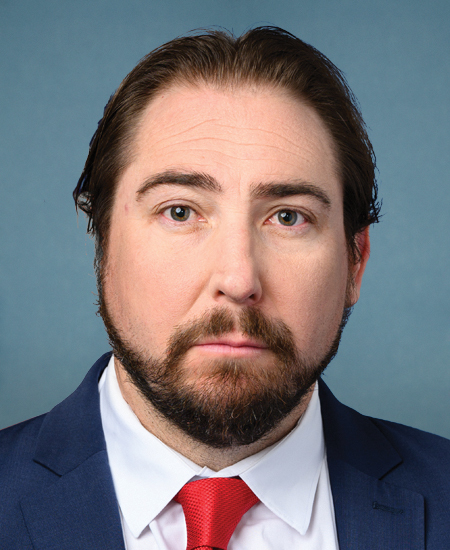
Elijah Crane
Elijah Crane House · District 2
R
Strong −
14% 128
Wesley Hunt
Wesley Hunt House · District 38
R
Strong −
14% 109
Showing 201–210 of 1,179 bills

All education bills

in committee · United States · House May 21, 2026

HR 8705: CHARLIE Act

The CHARLIE Act modifies federal funding rules for American history and civics education to restrict how grants can be awarded and used. It directly affects schools and organizations receiving these funds by prohibiting the use of money for what the bill defines as "discriminatory equity ideology" or "gender ideology." Additionally, the law prevents the government from giving priority to applicants based on factors such as race, sex, sexual orientation, gender identity, or immigration status. By referencing specific executive orders, the bill establishes clear definitions for these prohibited concepts within the context of K-12 schooling.
Sub-Topics K-12 Education
in committee · United States · Senate May 20, 2026

S 4590: KIDS Act

The KIDS Act prohibits the Department of Homeland Security from detaining children, individuals with cognitive disabilities, or their primary caregivers, with limited exceptions for criminal warrants. It also bans immigration enforcement actions within 1,000 feet of sensitive locations such as schools, hospitals, places of worship, and polling places, including during travel to or from these sites. If the Department violates these rules, any evidence gathered from the illegal action cannot be used in court, and the affected individuals must be released immediately. The bill requires that any necessary detentions be reported to Congress within 24 hours and prioritizes releasing children to their parents or designated caregivers.
Sub-Topics Courts Detention Enforcement Sanctuary Policies Tags Children
in committee · United States · House May 7, 2026

HR 8714: Skill Savings Account Act of 2026

The Skill Savings Account Act of 2026 creates a new type of tax-advantaged account designed to help eligible U.S. employees save money specifically for qualified education expenses. Under this bill, both employers and employees can contribute cash to these accounts without immediately paying income tax, provided the total contributions do not exceed $5,250 for employer contributions and $10,000 for employee contributions in a single year. Funds withdrawn from the account must be used exclusively for education costs to remain tax-free; otherwise, the distribution is taxed as income and subject to an additional 20% penalty for beneficiaries under age 65. The legislation also establishes specific rules for trust management and requires the Treasury Department to issue regulations within one year of enactment.
in committee · United States · House May 22, 2026

HRES 1323: Recognizing the impact the stigmatization of menstruation has on the lives of women, girls, and people who menstruate, and expressing support for the designation of the month of May as "National Menstrual Health Awareness Month".

This resolution formally recognizes the negative effects of menstrual stigma on women, girls, and other menstruating people and expresses support for designating May as National Menstrual Health Awareness Month. It highlights the importance of normalizing menstruation, improving access to products and sanitation facilities, and expanding education and clinical research on menstrual health conditions. The bill does not create new laws or funding but serves as a symbolic statement to promote awareness and gender equity regarding menstrual health.
Sub-Topics Women's Health
in committee · United States · House May 20, 2026

HR 8938: Biotechnology Workforce Alignment Act of 2026

The Biotechnology Workforce Alignment Act of 2026 directs the National Science Foundation to align its research funding with workforce development efforts in key biotechnology fields such as biomanufacturing, synthetic biology, and bioinformatics. To achieve this, the bill requires the NSF Director to create a workforce framework, support educational pathways with multiple entry points, and foster partnerships between universities, federal labs, and private industry. The legislation also mandates the development of metrics to identify career gaps and barriers to entry, along with a requirement to submit biennial reports to Congress assessing these efforts and the U.S. position in global biotechnology leadership.
in committee · United States · Senate May 14, 2026

S 4541: Senator Paul Simon Study Abroad Program Act of 2026

This bill establishes the Senator Paul Simon Study Abroad Program by renaming the existing IDEAS Program and directing the Secretary of State to expand access to international study opportunities. The legislation creates a competitive grant system for colleges and universities to support students, with a specific focus on increasing participation among low-income students, students of color, and those attending minority-serving institutions. To achieve its goals, the program prioritizes funding for initiatives that include world language learning, safety measures, and study in developing nations, aiming to reach one million undergraduate students annually within ten years. Institutions receiving grants must submit detailed plans outlining how they will use the funds and demonstrate a commitment to sustaining these programs over time.
Sub-Topics Higher Education
in committee · United States · Senate May 20, 2026

S 4612: SCREEN for Type 1 Diabetes Act of 2026

The SCREEN for Type 1 Diabetes Act of 2026 directs the Centers for Disease Control and Prevention to launch a national public awareness campaign focused on type 1 diabetes detection, screening, and management. This initiative affects healthcare providers, schools, public health departments, and the general public by requiring the creation of culturally and linguistically competent educational materials and public service announcements across various media channels. To support these efforts, the bill authorizes $5 million annually from 2027 to 2031 for grants to nonprofit organizations and state and local health departments to develop effective screening strategies and disseminate information. Additionally, the legislation mandates that the CDC consult with diverse community groups and submit a report to Congress within one year detailing the campaign's progress and impact.
Sub-Topics Public Health
in committee · United States · House May 21, 2026

HRES 1319: Ending child poverty.

This resolution expresses the House of Representatives' desire to eliminate child poverty and establish a national target to guide future policy. It recognizes the significant drop in poverty during 2021 caused by expanded federal support, such as the Child Tax Credit, and calls for making these investments permanent. The document highlights disparities affecting Black, Hispanic, and immigrant children, as well as those living in U.S. territories, and advocates for increased federal spending on early childhood education and essential services like nutrition and housing. Ultimately, it encourages states and localities to adopt policies that align with these goals to ensure all children have access to basic necessities and educational opportunities.
Sub-Topics Tax Credits Early Childhood Tags Children
in committee · United States · Senate May 20, 2026

S 4611: Job Corps Shipbuilding-Defense Industrial Base Pipeline Act of 2026

The Job Corps Shipbuilding-Defense Industrial Base Pipeline Act of 2026 aims to connect Job Corps training programs with the needs of the defense industry by allowing centers to adjust their courses and locations to match local shipbuilding and manufacturing requirements. It requires military recruiters to inform applicants who cannot enlist immediately about Job Corps as an alternative path to gain necessary skills. The bill also permits Job Corps centers to accept external grants and donations for specific purposes while restricting how those funds can be used, and it streamlines enrollment for veterans and military recruits by waiving certain background checks for those recently separated or who failed enlistment requirements.
in committee · United States · House Apr 27, 2026

HR 8530: Quantum for Health Act

The Quantum for Health Act amends the National Quantum Initiative Act to broaden the scope of federal quantum research and education programs. It explicitly adds "social benefit" as a goal and includes "diverse sectors" alongside existing applications, ensuring that health-related fields are integrated into the national strategy. The bill also expands the oversight committees and advisory groups by adding the Department of Health and Human Services and requiring nonprofit research organizations to be included in coordination efforts. Furthermore, it increases the number of multidisciplinary research centers from five to ten and mandates that these centers focus on quantum information science, engineering, and technology to address health challenges while promoting diversity in STEM education.
Sub-Topics Emerging Technology
Showing 201 to 210 of 1,179 bills
Previous 1 20 21 22 118 Next