Issue · Education

Education

Every education bill, vote, and legislator stance in United States, automatically classified by Maddy, our AI policy reader.

Total bills
1,179
119th Congress
Top supporter
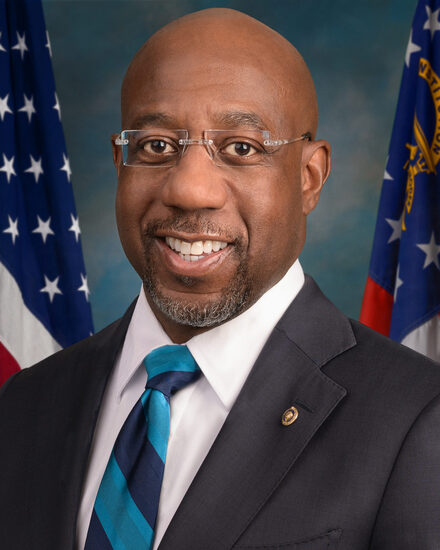
Raphael G. Warnock
100% support rate
Top opponent
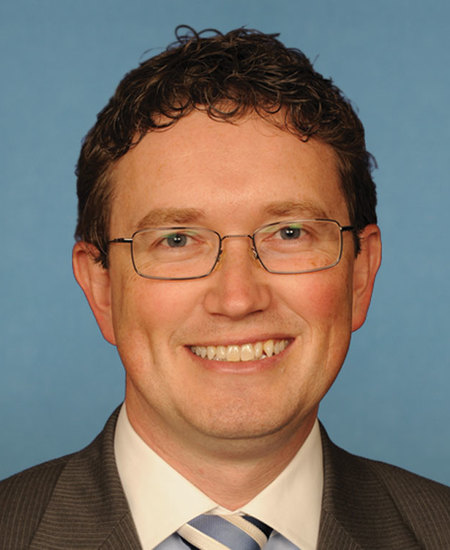
Thomas Massie
14% support rate
Ranked legislators
10
5 support · 5 oppose
Key legislators

Who's moving education in United States

Legislators moving education in United States
Legislator Party Stance Support rate Votes
Raphael G. Warnock
Raphael G. Warnock Senate
D
Strong +
100% 167
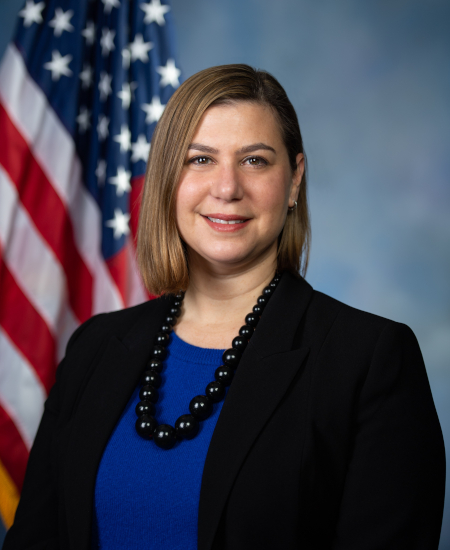
Elissa Slotkin
Elissa Slotkin Senate
D
Strong +
86% 166
Michael F. Bennet
Michael F. Bennet Senate
D
Strong +
86% 137
Mark R. Warner
Mark R. Warner Senate
D
Strong +
86% 167
Gary C. Peters
Gary C. Peters Senate
D
Strong +
86% 167
Thomas Massie
Thomas Massie House · District 4
R
Strong −
14% 126
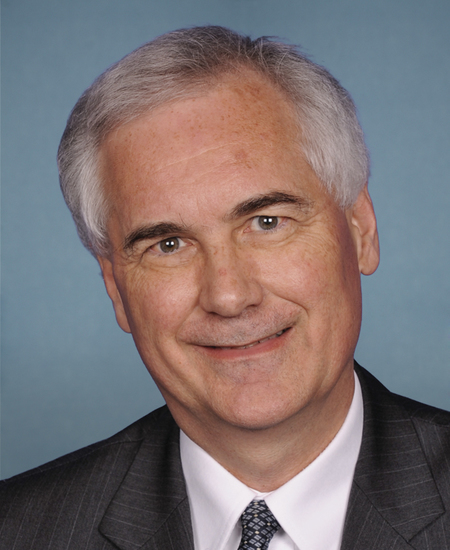
Tom McClintock
Tom McClintock House · District 5
R
Strong −
14% 125
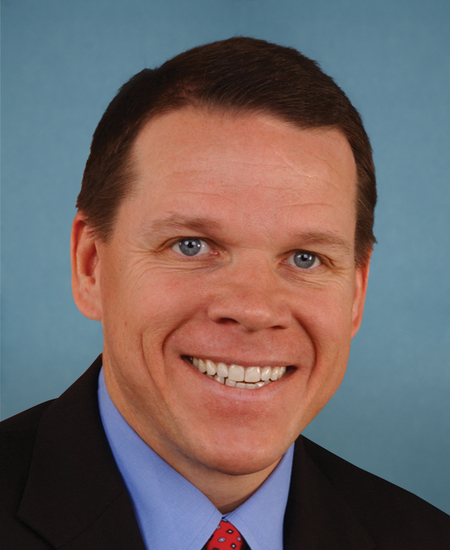
Sam Graves
Sam Graves House · District 6
R
Strong −
14% 124
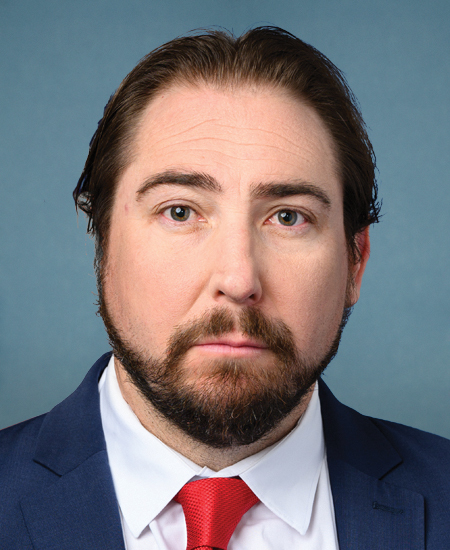
Elijah Crane
Elijah Crane House · District 2
R
Strong −
14% 128
Wesley Hunt
Wesley Hunt House · District 38
R
Strong −
14% 109
Showing 1,031–1,040 of 1,179 bills

All education bills

in committee · United States · House Dec 11, 2025

HRES 947: Expressing that compelled political litmus tests used by public institutions to require individuals to identify with specific ideological views are directly at odds with the principles of academic freedom and free speech and in violation of the First Amendment of the Constitution.

HRES 947 is a non-binding resolution condemning public universities and colleges for requiring applicants or faculty to submit statements supporting diversity, equity, and inclusion (DEI) as part of admissions or hiring decisions. It states such "compelled political litmus tests" violate the First Amendment by restricting free speech and academic freedom, citing Supreme Court precedents that protect intellectual inquiry on campuses. The resolution specifically urges institutions to stop demanding these statements, calling them incompatible with principles of free expression and academic autonomy. It does not create new laws but formally expresses congressional disapproval of this practice.
in committee · United States · Senate Feb 4, 2026

S 3777: Rebuild America’s Schools Act of 2026

The Rebuild America's Schools Act of 2026 would provide $20 billion annually (2027-2031) to improve public school facilities across the United States. The bill directs funds to states based on previous Title I funding allocations, requiring states to contribute 10% of the funds (with some exceptions) and develop plans for equitable distribution to school districts. Local educational agencies must prioritize schools with high numbers of students eligible for free or reduced-price lunch, and funds can be used for construction, renovation, energy efficiency upgrades, removal of toxic substances, and making facilities accessible. The bill also establishes school infrastructure bonds to leverage private investment and includes specific provisions to repair foundations damaged by pyrrhotite.
in committee · United States · Senate Mar 25, 2025

S 1130: Mining Schools Act of 2025

The Mining Schools Act of 2025 creates a Department of Energy grant program to fund mining education at eligible colleges and universities. It directly affects accredited mining engineering programs and specific public university departments in states with significant mining economies, aiming to recruit students and strengthen training in critical mineral extraction, environmental reclamation, and domestic supply chains. Grants - limited to 10 annually - must support curriculum focused on rare earth elements, recycling technologies, reducing environmental impacts, and meeting U.S. energy mineral needs. The program authorizes $10 million yearly for fiscal years 2026-2033, with oversight by a Mining Professional Development Advisory Board.
in committee · United States · House Jan 20, 2026

HR 7157: Supporting Teachers Through Tax Fairness Act

This bill creates a tax exclusion for K-12 public school teachers, allowing them to exclude up to $50,000 of their wages from federal income tax. Teachers in schools where 75%+ students qualify for free/reduced lunches, in rural areas, or teaching special education/STEM subjects qualify for a higher exclusion of $65,000. To qualify, teachers must work at least 900 hours in a school year at a public elementary or secondary school (including charter schools). The exclusion applies to taxable years beginning after December 31, 2025, and requires schools to verify eligibility for the IRS. It directly affects eligible K-12 public school teachers by reducing their taxable income.
in committee · United States · House Apr 7, 2025

HR 2691: To abolish the Department of Education and to provide funding directly to States for elementary and secondary education, and for other purposes.

HR 2691 would abolish the U.S. Department of Education 30 days after enactment, terminating all its programs except the Federal Pell Grant and Direct Loan programs for higher education. It redirects federal funding for elementary and secondary education directly to states through block grants, calculated based on each state's share of national individual income tax payments. States receiving these funds would be required to use them for K-12 education, with no federal restrictions on how they distribute the money. The bill transfers oversight of the remaining higher education programs to the Treasury Secretary. This change would shift control of K-12 education funding from the federal government to state governments.
in committee · United States · House Feb 13, 2025

HR 1331: Teacher and School Leader Quality Partnership Grants Act

HR 1331 establishes a federal grant program to improve teacher and school leader preparation in high-need schools. It funds partnerships between high-need local educational agencies, institutions of higher education, and other stakeholders to support teacher and school leader residency programs and professional development. The bill requires eligible partnerships to prepare educators who are "profession-ready" to teach diverse students, with specific training in comprehensive literacy instruction, working with English learners, and supporting students with disabilities. It also establishes accountability measures, including evaluation plans that track educator retention, certification pass rates, and the percentage of profession-ready educators hired in high-need schools.
in committee · United States · House Jan 22, 2025

HR 632: Protecting Life on College Campus Act of 2025

HR 632 prohibits federal funding (directly or indirectly) for colleges and universities that host or are affiliated with campus health clinics providing abortion drugs or abortions to students or employees. Institutions must annually certify to federal education and health agencies that no such services are offered at their campus sites. The bill defines "abortion drugs" broadly as any medication intended to terminate pregnancy (excluding cases for live birth, miscarriage management, or ectopic pregnancy treatment). This policy directly affects institutions receiving federal funds, requiring them to ensure campus health services comply with the prohibition to maintain eligibility.
in committee · United States · House May 23, 2025

HR 3606: Equity and Inclusion Enforcement Act of 2025

HR 3606, the Equity and Inclusion Enforcement Act of 2025, restores private lawsuits to challenge policies causing unintentional discrimination in federally funded education programs. It allows individuals to sue when schools or programs violate existing Title VI regulations (which prohibit discrimination based on race, color, or national origin) as if the violation were intentional. The bill requires education programs receiving federal funds to name a staff member to handle compliance and notify students/employees of this contact. It also creates a new Department of Education position, the Special Assistant for Equity and Inclusion, to coordinate compliance with Title VI and inform the public about their rights under the law. This directly affects schools and educational institutions receiving federal funding.
in committee · United States · Senate Sep 11, 2025

S 2778: Local School Foods Expansion Act of 2025

S 2778, the Local School Foods Expansion Act of 2025, expands a program under the National School Lunch Act to require states to procure domestically grown unprocessed fruits and vegetables for school meals. It increases the number of participating states from 8 to 14, mandates states to support small/local farmers, Tribal producers, and socially disadvantaged communities, and allocates $25 million annually (2026-2030) for implementation. The bill requires states to demonstrate commitments to these groups, track procurement costs and benefits, and report on program challenges. The program includes $10 million yearly for administrative costs and technical assistance, with a minimum $500,000 per participating state, and mandates a federal evaluation of the program's impact on procurement, school meals, and agricultural producers.
Sub-Topics Student Health
in committee · United States · Senate Jul 28, 2025

S 2470: College Athlete Economic Freedom Act

This bill gives college athletes the right to profit from their name, image, and likeness (NIL) without affecting their athletic eligibility or scholarships. It prohibits schools and athletic associations from blocking athletes from negotiating NIL deals or forming collective representatives to do so. The bill requires institutions to provide equitable NIL marketing support regardless of gender, race, or sport, and includes specific provisions for international student-athletes regarding visa status and employment authorization. Enforcement will be handled by the Federal Trade Commission and through private lawsuits.
Sub-Topics Higher Education
Showing 1,031 to 1,040 of 1,179 bills