Issue · Education

Education

Every education bill, vote, and legislator stance in United States, automatically classified by Maddy, our AI policy reader.

Total bills
1,063
119th Congress
Top supporter
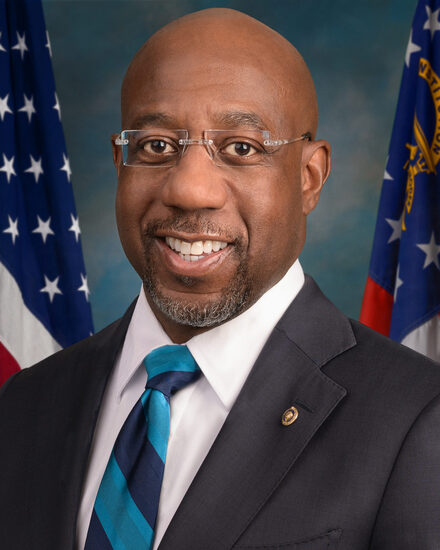
Raphael G. Warnock
100% support rate
Top opponent
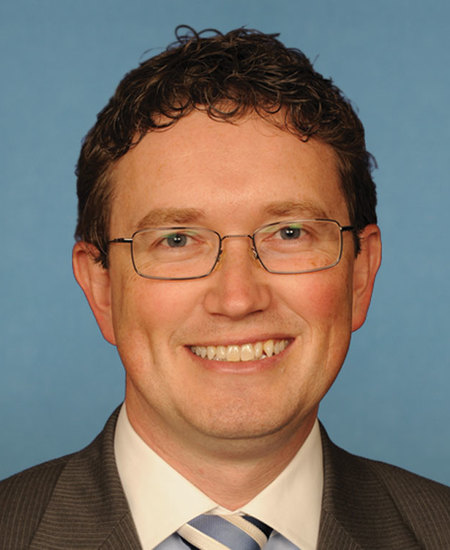
Thomas Massie
14% support rate
Ranked legislators
10
5 support · 5 oppose
Key legislators

Who's moving education in United States

Legislators moving education in United States
Legislator Party Stance Support rate Votes
Raphael G. Warnock
Raphael G. Warnock Senate
D
Strong +
100% 167
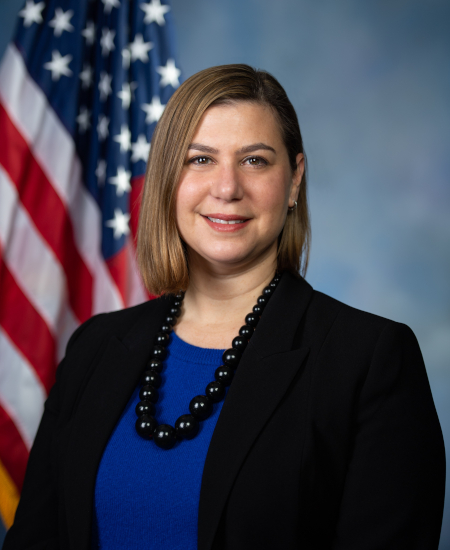
Elissa Slotkin
Elissa Slotkin Senate
D
Strong +
86% 166
Michael F. Bennet
Michael F. Bennet Senate
D
Strong +
86% 137
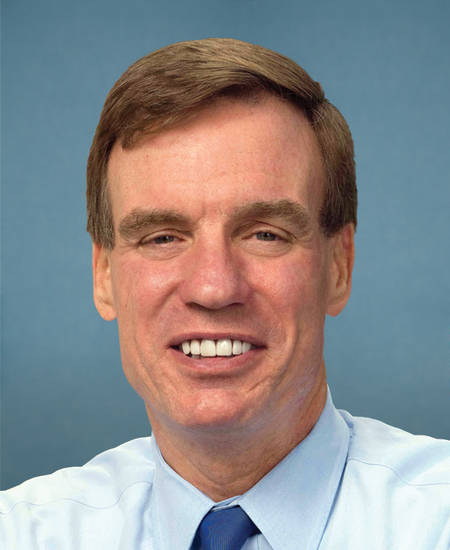
Mark R. Warner
Mark R. Warner Senate
D
Strong +
86% 167
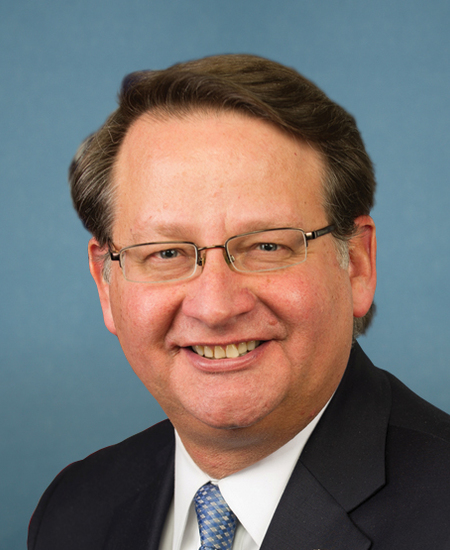
Gary C. Peters
Gary C. Peters Senate
D
Strong +
86% 167
Thomas Massie
Thomas Massie House · District 4
R
Strong −
14% 126
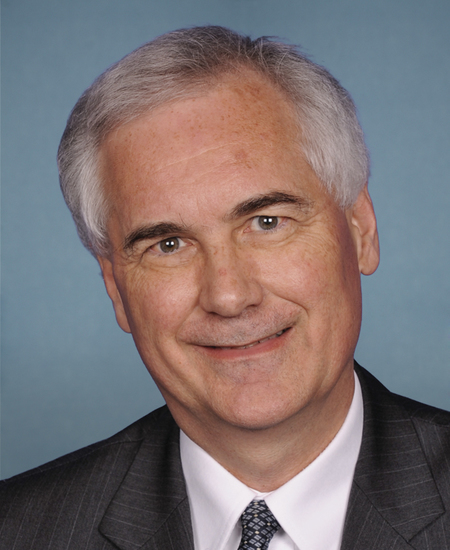
Tom McClintock
Tom McClintock House · District 5
R
Strong −
14% 125
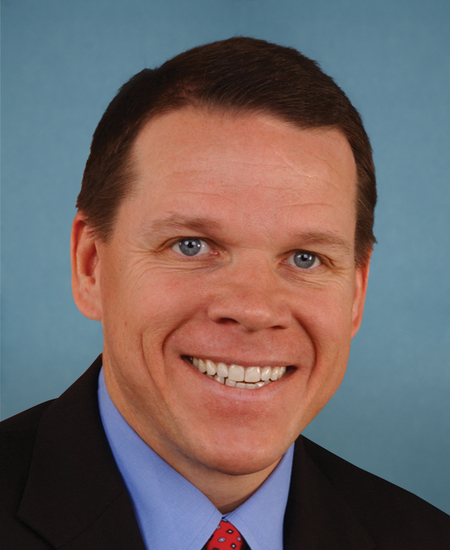
Sam Graves
Sam Graves House · District 6
R
Strong −
14% 124
Elijah Crane
Elijah Crane House · District 2
R
Strong −
14% 128
Wesley Hunt
Wesley Hunt House · District 38
R
Strong −
14% 109
Showing 1,011–1,020 of 1,063 bills

All education bills

in committee · United States · House Feb 21, 2025

HRES 147: Expressing support for designation of the third Friday of every March, as "National FIRST Robotics Day".

HRES 147 is a symbolic resolution designating the third Friday of every March as "National FIRST Robotics Day." It does not create new laws or funding but expresses congressional support for recognizing this day to promote robotics education. The resolution encourages schools and educators to use existing funds under the Every Student Succeeds Act (ESSA) for afterschool robotics programs and to engage students in STEM activities. It aims to highlight robotics' role in developing future STEM skills and workforce readiness, without imposing new requirements or changing current policies.
in committee · United States · House Jan 22, 2026

HR 7202: Invest in Rural Teachers Act

The Invest in Rural Teachers Act creates a federal program to provide $5,000 annually for three years to teachers who agree to work in rural schools. Funded with $500 million per year from 2027 through 2030, it allows states to award grants to school districts and educational agencies to pay these bonuses for both new hires (signing bonuses) and teachers who stay for three years (retention bonuses). The program requires states to prioritize hiring teachers who grew up in the local rural communities they serve and to partner with colleges to recruit teachers for rural schools. This directly affects rural school districts and teachers by offering financial incentives to attract and retain educators in underserved areas.
Sub-Topics Career & Technical Education Student Financial Aid Teachers Tags Rural Communities
in committee · United States · House Jan 31, 2025

HR 833: Educational Choice for Children Act of 2025

HR 833 creates a federal tax credit for individuals and corporations that contribute to scholarship granting organizations (SGOs) providing scholarships for elementary and secondary education. The credit allows taxpayers to deduct up to 10% of their adjusted gross income or $5,000 (whichever is less) for contributions to SGOs serving students from households with income up to 300% of the area median income. The bill establishes a $10 billion annual cap on the tax credit program, requires SGOs to verify student eligibility and maintain separate accounts, and prohibits government control over SGOs or private schools. It ensures scholarships can be used at public, private, or religious schools without discrimination based on religious character. The tax credit would be available for contributions made after December 31, 2025, with annual volume cap increases based on usage.
in committee · United States · House Jan 23, 2025

HRES 63: Expressing support for the designation of the week of January 26 through February 1, 2025, as "National School Choice Week".

HRES 63 is a symbolic resolution designating the week of January 26-February 1, 2025, as "National School Choice Week." It expresses the House's support for raising public awareness about educational options - including public schools, charter schools, private schools, online academies, and homeschooling - and encourages parents to explore these choices. The resolution also urges the public to host events during this week to celebrate parental choice in education. As a non-binding resolution, it does not create new policies or alter existing laws.
Sub-Topics School Choice
in committee · United States · House Apr 3, 2025

HR 2629: Impact Aid Infrastructure Partnership Act

This bill authorizes $250 million annually for four years to help schools on federally impacted lands (like tribal reservations and military bases) improve aging infrastructure. It creates two grant types: formula grants for schools with no bond capacity and competitive grants prioritizing schools with urgent safety issues like unsafe buildings or lack of clean water. Local schools must contribute 10-25% of project costs based on their "learning opportunity threshold," with the highest-priority schools receiving full federal funding. Funds can be used for construction, renovation, and repair to meet safety standards and improve learning environments. The bill addresses the significant infrastructure challenges reported by 65% of schools with facilities in poor condition.
in committee · United States · House Feb 4, 2025

HRES 94: Expressing support for the Nation's local public K-12 schools and condemning any actions that would defund public education or weaken or dismantle the Department of Education.

This resolution supports federal investment in public K-12 schools, affirms that the Department of Education (ED) plays a vital role in the public education system, and states that public education funding should not be diverted (e.g., through the use of vouchers) to privately run K-12 schools.  The resolution also rejects any claim that the executive branch has the legal authority to (1) dismantle or relocate ED or any of its major offices; or (2) reduce federal funding for public education, block federal grants for education, or transfer funding burdens for education to state and local governments.
in committee · United States · Senate Jan 29, 2025

S 309: A PLUS Act

The A PLUS Act (S 309) allows states to consolidate federal education funds for eligible programs into a single, flexible funding stream, reducing administrative complexity and enabling states to manage resources more efficiently to improve student achievement. States must submit a "declaration of intent" detailing which programs they will consolidate (excluding special education funds), commit to public accountability through annual reports on student progress, and ensure federal funds supplement - rather than replace - state education funding. The bill limits administrative costs to 1% of consolidated federal funds (3% if excluding Title I funds) and requires states to report how funds address achievement gaps for disadvantaged students. This directly affects states and local school districts that adopt the declaration, shifting how they administer and report on federal education dollars.
in committee · United States · Senate May 8, 2025

S 1697: RAISE Act of 2025

The RAISE Act of 2025 creates a refundable tax credit for K-12 teachers and early childhood educators based on their school's student poverty rate, with a base $1,000 credit plus potential additional amounts up to $14,000 for K-12 teachers and $9,000 for early childhood educators without bachelor's degrees. It also increases the deductible expense limit for teachers from $250 to $500 per year and establishes mandatory funding for school districts that maintain or increase teacher salaries, reserving 20% of funds over $2.2 billion for teacher salary incentive grants. The bill includes provisions to prevent employers from using the tax credit in collective bargaining or changing teacher assignments to avoid providing the credit. Eligibility requires specific teaching credentials and employment in qualifying schools with high poverty rates. These changes would apply to taxable years beginning after the bill's enactment date.
in committee · United States · House Mar 31, 2025

HR 2485: Arts Education for All Act

HR 2485, the Arts Education for All Act, requires states and school districts to integrate arts education into K-12 curricula and report on its availability. It mandates states to describe how they will support arts courses, increase certified arts educators (especially in high-need schools), and use arts to enhance teaching in core subjects like math and science (Section 202). Schools must track and report on arts course offerings, teacher qualifications, and student access - including disaggregated data by school poverty levels (Section 203). The bill also expands arts access in juvenile justice programs (Section 301) and funds research on effective arts education methods (Section 401). It directly affects public schools, arts educators, and youth in after-school and correctional settings.
in committee · United States · House Jan 31, 2025

HR 896: Expanding Access to High-Impact Tutoring Act of 2025

The Expanding Access to High-Impact Tutoring Act of 2025 creates a federal grant program to fund evidence-based tutoring programs in K-12 public schools, requiring at least 30 minutes of daily tutoring, 3 days per week in math or reading, with a 3-to-1 student-to-tutor ratio. It allocates funds to state education agencies to distribute to school districts that must develop detailed plans, provide monthly progress reports, and partner with research organizations to evaluate program effectiveness. The bill establishes an Advisory Board to oversee implementation, approve tutoring models, and develop a nationwide tutoring workforce, with specific focus on schools serving students who have experienced academic setbacks, particularly those eligible for Title I services.
Showing 1,011 to 1,020 of 1,063 bills