Issue · Criminal Justice

Criminal Justice

Every criminal justice bill, vote, and legislator stance in United States, automatically classified by Maddy, our AI policy reader.

Total bills
1,260
119th Congress
Top supporter
Alan Armstrong
86% support rate
Top opponent
Amy Klobuchar
13% support rate
Ranked legislators
10
5 support · 5 oppose
Key legislators

Who's moving criminal justice in United States

Legislators moving criminal justice in United States
Legislator Party Stance Support rate Decisive votes
AA
Alan Armstrong Senate
R
Strong +
86% 28
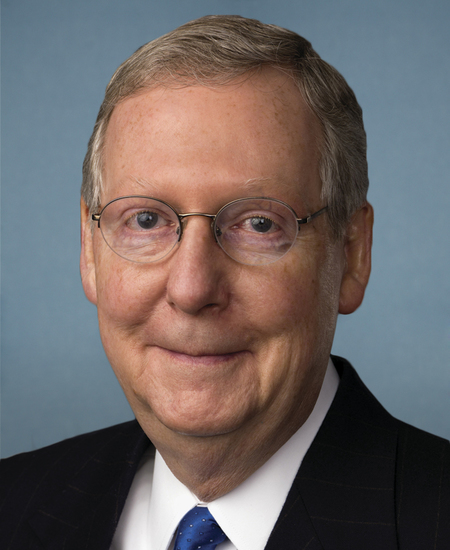
Mitch McConnell
Mitch McConnell Senate
R
Strong +
84% 31
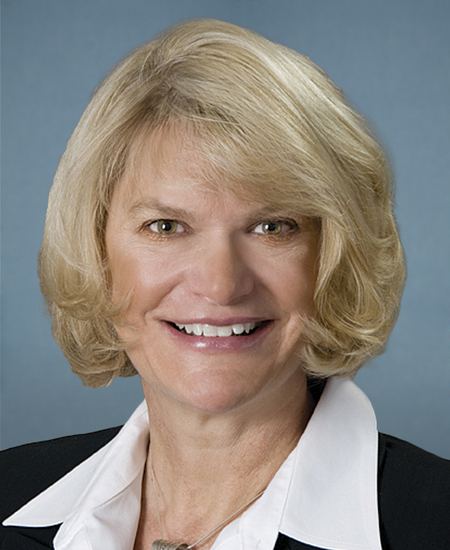
Cynthia M. Lummis
Cynthia M. Lummis Senate
R
Strong +
80% 30
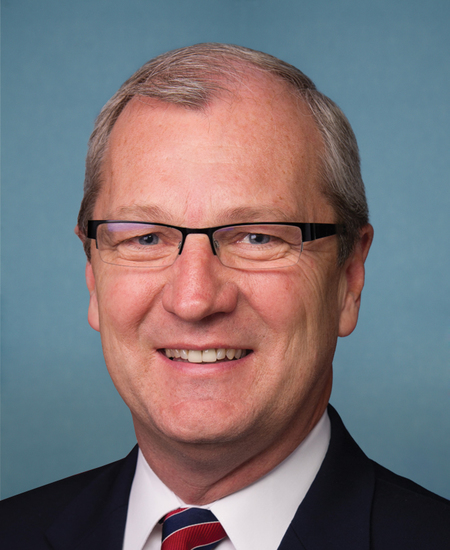
Kevin Cramer
Kevin Cramer Senate
R
Strong +
80% 30
Bernie Moreno
Bernie Moreno Senate
R
Support
77% 31
Amy Klobuchar
Amy Klobuchar Senate
D
Strong −
13% 31
Catherine Cortez Masto
Catherine Cortez Masto Senate
D
Strong −
13% 31
Margaret Wood Hassan
Margaret Wood Hassan Senate
D
Strong −
13% 31
Andy Kim
Andy Kim Senate
D
Strong −
16% 31
Angus S. King, Jr.
Angus S. King, Jr. Senate
I
Strong −
16% 31
Showing 171–180 of 1,260 bills

All criminal justice bills

in committee · United States · Senate Jun 3, 2026

S 4671: Federal Firearms Licensee Protection Act of 2026

The Federal Firearms Licensee Protection Act of 2026 increases penalties for individuals who knowingly violate federal laws regarding the possession of firearms by licensed dealers. Specifically, it raises the maximum prison sentence for such violations to 20 years and mandates a minimum of three years in prison if the offense occurs during a burglary of a licensed business. The law also sets a five-year minimum sentence if the violation happens during a robbery. These changes directly affect federal firearms licensees and anyone attempting to illegally possess firearms from them.
in committee · United States · Senate May 20, 2026

S 4608: Federal Death Penalty Prohibition Act

The Federal Death Penalty Prohibition Act bans the imposition of the death penalty for any federal crime committed on or after the date the law takes effect. It directly affects individuals currently facing or serving federal death sentences by requiring that all such cases be resentenced to a penalty other than death. This legislation removes the death penalty as a sentencing option for federal offenses and mandates a review for those already sentenced to die before the bill becomes law.
Sub-Topics Sentencing
in committee · United States · Senate Jun 2, 2026

SJRES 195: A joint resolution disapproving the action of the District of Columbia Council in approving the Full Accountability in Arrest Reporting Temporary Amendment Act of 2026.

This joint resolution expresses the U.S. Congress's disapproval of a specific law passed by the District of Columbia Council. The targeted law, known as the Full Accountability in Arrest Reporting Temporary Amendment Act of 2026, was enacted in April 2026 to modify how arrest data is reported in the district. By formally rejecting this local legislation, the resolution prevents the proposed changes from taking effect or being implemented under federal oversight. The measure directly involves the relationship between the federal government and the local legislative authority of Washington, D.C.
in committee · United States · House May 21, 2026

HR 8966: Subpoena Abuse Prevention Act

The Subpoena Abuse Prevention Act restricts how federal agencies can use administrative subpoenas to obtain phone and app records from service providers. It requires agencies to identify a specific person or account before requesting data, bans subpoenas aimed at investigating or retaliating against constitutionally protected activities like free speech, and mandates that agencies certify the subpoena's legitimate purpose. The law also allows service providers to notify customers about the subpoena and consult with lawyers, unless a court order specifically prevents such notification. Additionally, federal agencies must publicly report annually on the number of subpoenas issued and the total accounts affected.
Sub-Topics Courts Data Privacy Tags Civil Liberties
in committee · United States · House May 20, 2026

HR 8916: CHIERS Act of 2026

The CHIERS Act of 2026 authorizes federal grants to help individuals with substance use disorders reach treatment and supportive services by covering transportation costs. Eligible recipients include nonprofit organizations, government agencies, and health centers that will use the funds to provide rides, purchase vehicles, or pay for taxi services for these individuals. The program specifically targets people experiencing homelessness or living in low-income areas where travel barriers limit access to care, while explicitly excluding involuntary treatment transport and law enforcement use. To ensure effectiveness, grant recipients must submit detailed plans and performance reports focused on reducing missed appointments, and the funding is designed to supplement rather than replace existing local resources.
in committee · United States · House Mar 17, 2026

HR 7958: Expatriate Terrorists Act of 2026

The Expatriate Terrorists Act of 2026 expands immigration and citizenship laws to target individuals who support terrorism or join designated foreign terrorist organizations. It mandates that people convicted of terrorism-related crimes be held in mandatory detention and gives courts priority in processing their removal cases. The bill also creates new grounds for revoking U.S. citizenship and stripping nationality from those who provide material support to terrorist groups or serve in their ranks. Additionally, it shifts some deportation authority from the Attorney General to the Secretary of Homeland Security and allows removal proceedings to begin alongside citizenship revocation cases.
in committee · United States · House Jun 2, 2026

HR 9095: Right to Trial Act

The Right to Trial Act modifies federal sentencing guidelines to ensure that defendants are not penalized for exercising their constitutional right to a trial rather than accepting a plea deal. It requires judges to consider whether a mandatory minimum sentence would effectively punish a defendant for going to trial, particularly when compared to the sentences of similarly situated individuals who pleaded guilty. Additionally, the law grants courts the authority to impose sentences below statutory minimums specifically to protect this right. These changes directly affect federal criminal defendants and the judges who determine their punishments.
Sub-Topics Sentencing
in committee · United States · House May 29, 2026

HR 9071: Preventing Trafficking of Minors Act of 2026

The Preventing Trafficking of Minors Act of 2026 strengthens federal laws against exploiting individuals under 18 by expanding the definition of prohibited conduct to include engaging in or soliciting commercial sex acts with minors. It removes the legal requirement to prove force, fraud, or coercion when the victim is a minor and establishes that a defendant's lack of knowledge about the victim's age is not a valid defense if they had a reasonable opportunity to observe them. The bill also clarifies that law enforcement officers posing as minors cannot use this as a defense against prosecution and increases the minimum prison sentence to 15 years for offenses involving victims under 14. These changes apply to actions taken 180 days after the law is enacted.
in committee · United States · House May 15, 2026

HR 8861: Department of Justice Integrity Act of 2026

The Department of Justice Integrity Act of 2026 expands rules on when former government lawyers can work for private clients. It specifically targets attorneys who previously led federal prosecutions against businesses or negotiated settlements with them. Under this new provision, such lawyers are prohibited from representing those same businesses in related federal cases within one year of leaving their government job. If they violate this restriction, they face criminal penalties outlined in existing federal law.
in committee · United States · House Mar 5, 2026

HR 7814: EPSTEIN Act

The EPSTEIN Act creates a new bipartisan commission within the legislative branch to investigate Jeffrey Epstein's criminal activities and oversee the review of related government documents. This eight-member body, appointed by congressional leaders, is tasked with examining all relevant materials held by the Department of Justice, including the FBI and U.S. Attorneys' Offices, while consulting with experts on human trafficking. The commission has the authority to issue subpoenas, hold public hearings, and refer potential criminal cases to prosecutors, with the requirement that agencies provide unclassified records in a searchable format. Additionally, the group must submit quarterly updates to Congress and produce a final public report within 18 months detailing its findings and recommendations for improving the enforcement of human trafficking laws.
Sub-Topics Human Trafficking
Showing 171 to 180 of 1,260 bills
Previous 1 17 18 19 126 Next