Issue · Criminal Justice

Criminal Justice

Every criminal justice bill, vote, and legislator stance in United States, automatically classified by Maddy, our AI policy reader.

Total bills
1,260
119th Congress
Top supporter
Alan Armstrong
86% support rate
Top opponent
Amy Klobuchar
13% support rate
Ranked legislators
10
5 support · 5 oppose
Key legislators

Who's moving criminal justice in United States

Legislators moving criminal justice in United States
Legislator Party Stance Support rate Decisive votes
AA
Alan Armstrong Senate
R
Strong +
86% 28
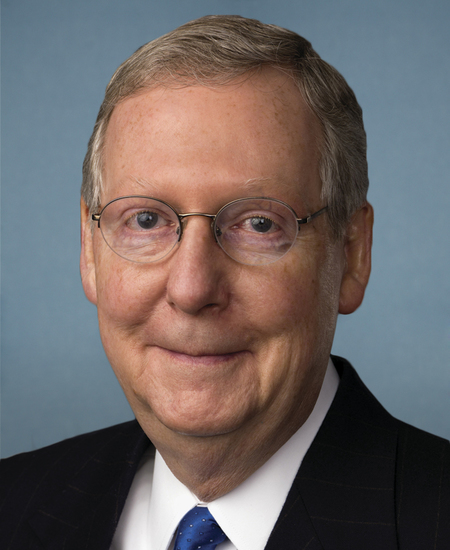
Mitch McConnell
Mitch McConnell Senate
R
Strong +
84% 31
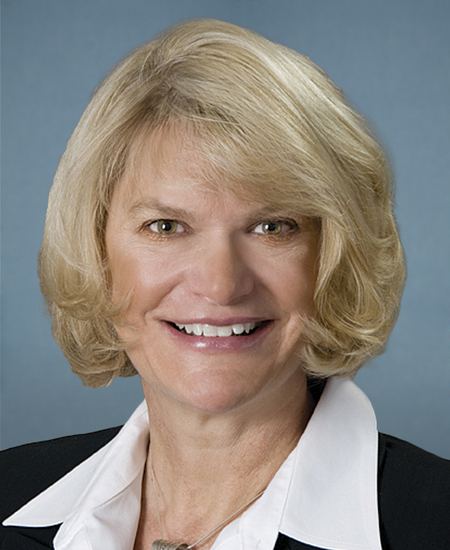
Cynthia M. Lummis
Cynthia M. Lummis Senate
R
Strong +
80% 30
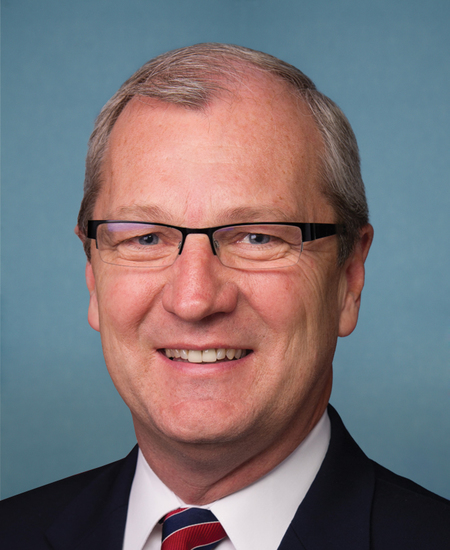
Kevin Cramer
Kevin Cramer Senate
R
Strong +
80% 30
Bernie Moreno
Bernie Moreno Senate
R
Support
77% 31
Amy Klobuchar
Amy Klobuchar Senate
D
Strong −
13% 31
Catherine Cortez Masto
Catherine Cortez Masto Senate
D
Strong −
13% 31
Margaret Wood Hassan
Margaret Wood Hassan Senate
D
Strong −
13% 31
Andy Kim
Andy Kim Senate
D
Strong −
16% 31
Angus S. King, Jr.
Angus S. King, Jr. Senate
I
Strong −
16% 31
Showing 181–190 of 1,260 bills

All criminal justice bills

in committee · United States · House May 29, 2026

HR 9078: LEASH Act of 2026

The LEASH Act of 2026 requires law enforcement agencies seeking federal Byrne Justice Assistance Grants to report data on felony animal cruelty convictions, including the names of those convicted. To qualify for these grants, local governments must submit information on such crimes to the Attorney General and join a specific category of jurisdictions that provide this data. The bill also mandates the creation of a publicly accessible database by the Attorney General to store and periodically update these animal cruelty records. These changes directly affect law enforcement agencies and local governments that apply for federal crime prevention funding.
Sub-Topics Law Enforcement
in committee · United States · House Jul 7, 2026

HR 9070: OPEN Act

The OPEN Act establishes stricter rules for immigration enforcement by granting Members of Congress unrestricted access to detention facilities and requiring the Department of Homeland Security to publicly report incidents involving excessive force or misconduct. It mandates that detained individuals receive timely access to legal counsel, family members, and medical care, while also setting new standards for transporting detainees safely and ensuring they are informed of facility transfers. Additionally, the bill prohibits the use of administrative warrants to enter private homes without consent and requires judicial warrants for arrests, while also imposing penalties on facilities that fail to meet safety standards.
in committee · United States · Senate May 19, 2026

S 4576: Jewish American Security Act

The Jewish American Security Act aims to combat antisemitism by strengthening protections for Jewish students, securing Jewish communities, and increasing transparency regarding online hate speech. To support Jewish students, the bill requires schools receiving federal funds to designate coordinators for civil rights complaints, issue annual reminders about anti-discrimination policies, and publish detailed data on bias-related incidents. For community safety, the legislation increases funding for security grants for religious institutions and mandates joint annual threat assessments from federal agencies to track domestic and transnational antisemitic violence. Additionally, the act requires major online platforms to submit regular transparency reports detailing how they detect, remove, and moderate antisemitic content on their sites.
Sub-Topics Civil Rights
in committee · United States · House May 29, 2026

HR 9066: Community-Based Approaches to Prevent and Address Hate Crimes Act of 2026

This bill establishes a $30 million grant program over five years to fund community-based organizations working to prevent and address hate crimes. The funds can be used for various initiatives, including conflict resolution strategies, non-carceral sentencing programs, public education campaigns, and support services for victims and defendants. Eligible recipients must be nonprofits embedded within communities targeted by hate crimes that provide educational, health, and social services. Additionally, the legislation removes a specific spending limit on grants for criminal investigations and prosecutions related to these crimes.
in committee · United States · House May 21, 2026

HR 8965: SAFE for Survivors Act of 2026

The SAFE for Survivors Act of 2026 expands federal protections for individuals affected by domestic violence, dating violence, sexual assault, stalking, and other forms of gender-based violence. The bill mandates that employers provide victims with up to 40 work days of leave per year, including at least 10 paid days, to address safety needs such as seeking legal help, relocating, or obtaining medical care. It also prohibits insurers from discriminating against victims by denying coverage, raising premiums, or terminating policies based on their status as survivors, while banning the disclosure of their personal information without consent. Additionally, the legislation allows victims to receive unemployment compensation if they leave their jobs due to violence and requires employers to make reasonable workplace accommodations to ensure their safety.
in committee · United States · House May 20, 2026

HR 8922: DROP Act of 2026

The DROP Act of 2026 modifies federal death penalty procedures to allow executions by either lethal injection or hanging. It requires the United States Marshals Service and the Attorney General to create specific written protocols for these methods within 180 days of the bill's enactment. The legislation also updates relevant federal regulations and defines the roles of qualified medical and correctional officials involved in the process. This change directly affects the Department of Justice and federal inmates sentenced to death by expanding the permissible methods of execution.
in committee · United States · House May 21, 2026

HR 8977: EFFIE Act

The EFFIE Act criminalizes knowingly signing fraudulent documents required to appear on federal election ballots. This law directly affects individuals running for federal office and their agents by making such deceptive acts a felony. Violators could face fines of up to $250,000, imprisonment for up to five years, or both penalties. The legislation takes effect immediately upon enactment.
in committee · United States · Senate Jun 2, 2026

SJRES 194: A joint resolution disapproving the action of the District of Columbia Council in approving the Body-Worn Camera Transparency for Use of Force Temporary Amendment Act of 2026.

This joint resolution expresses the U.S. Senate's disapproval of a local law passed by the District of Columbia Council regarding body-worn cameras. The specific provision being rejected is the temporary amendment that requires police officers to record and release footage of their use of force to the public. By formally disapproving this action, Congress is exercising its constitutional authority to review local legislation that affects federal interests. The measure does not change the law itself but rather records the federal government's official stance against the D.C. Council's decision.
Sub-Topics Policing
in committee · United States · House May 29, 2026

HR 9059: National Police Athletic/Activities League Youth Enrichment Reauthorization Act

This bill, titled the National Police Athletic/Activities League Youth Enrichment Reauthorization Act, provides federal funding to expand youth programs run by the National Police Athletic/Activities League. The legislation authorizes $16 million annually from 2028 to 2032 to help the organization establish 250 new chapters in distressed areas and expand existing ones to serve more children. Grant funds must be used for after-school activities that include mentorship, academic support, sports, and training to prevent drug use and gang involvement. The program is designed to foster positive relationships between law enforcement and youth while offering alternatives to risky behaviors in communities with high numbers of at-risk children. Recipients of the funds are required to submit reports on their progress and ensure that local communities help design the specific activities offered.
in committee · United States · House May 20, 2026

HR 8932: Hate Crimes Commission Act of 2026

The Hate Crimes Commission Act of 2026 establishes a temporary United States Commission on Hate Crimes to investigate the rising number of bias-motivated incidents and improve how they are reported. The ten-member commission, appointed by congressional leaders and the Attorney General, will examine factors like social media's role in hate crimes and identify barriers preventing local law enforcement from fully participating in federal reporting systems. Within one year of its formation, the commission must submit a report to Congress and the President with findings and recommendations for better prevention and data collection. Additionally, the bill requires an independent audit by the Government Accountability Office to verify the accuracy of hate crime data collected by the FBI.
Showing 181 to 190 of 1,260 bills
Previous 1 18 19 20 126 Next