Issue · Criminal Justice

Criminal Justice

Every criminal justice bill, vote, and legislator stance in United States, automatically classified by Maddy, our AI policy reader.

Total bills
1,260
119th Congress
Top supporter
Alan Armstrong
86% support rate
Top opponent
Amy Klobuchar
13% support rate
Ranked legislators
10
5 support · 5 oppose
Key legislators

Who's moving criminal justice in United States

Legislators moving criminal justice in United States
Legislator Party Stance Support rate Decisive votes
AA
Alan Armstrong Senate
R
Strong +
86% 28
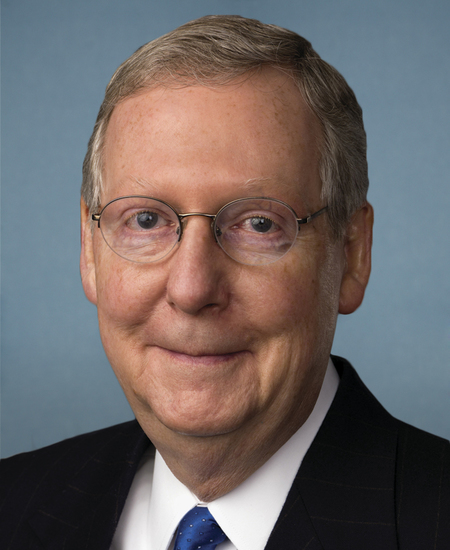
Mitch McConnell
Mitch McConnell Senate
R
Strong +
84% 31
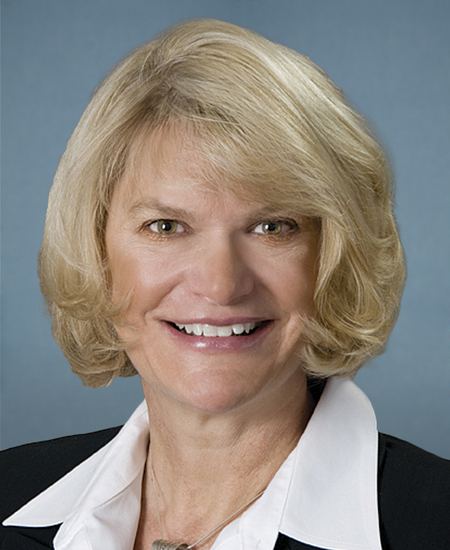
Cynthia M. Lummis
Cynthia M. Lummis Senate
R
Strong +
80% 30
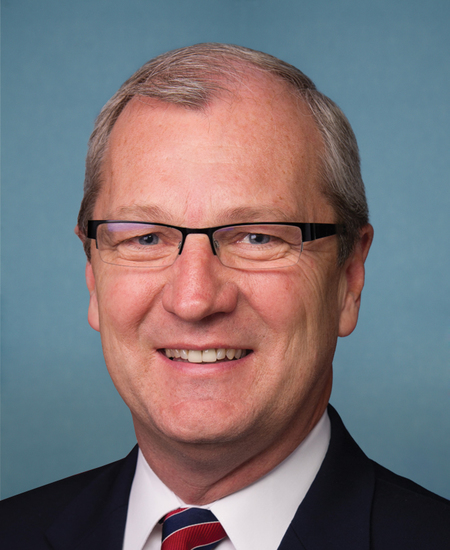
Kevin Cramer
Kevin Cramer Senate
R
Strong +
80% 30
Bernie Moreno
Bernie Moreno Senate
R
Support
77% 31
Amy Klobuchar
Amy Klobuchar Senate
D
Strong −
13% 31
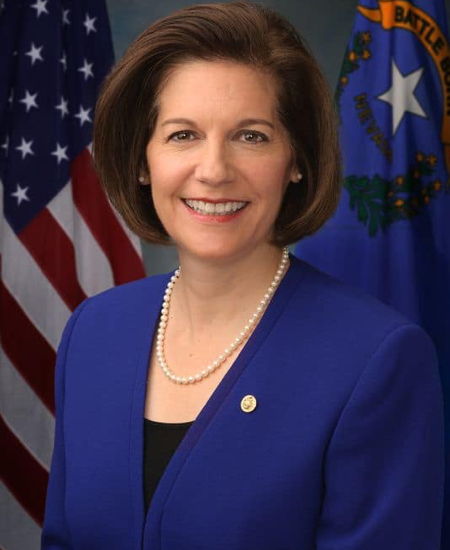
Catherine Cortez Masto
Catherine Cortez Masto Senate
D
Strong −
13% 31
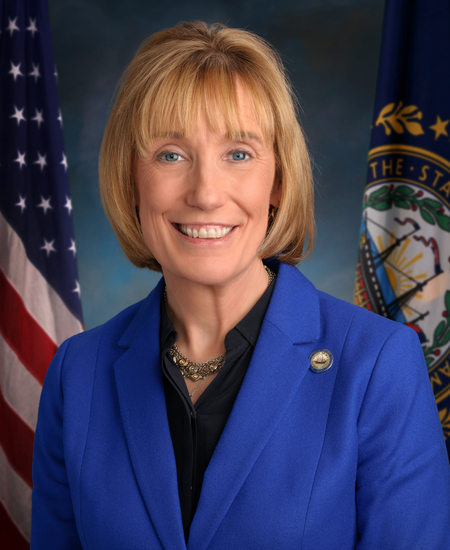
Margaret Wood Hassan
Margaret Wood Hassan Senate
D
Strong −
13% 31
Andy Kim
Andy Kim Senate
D
Strong −
16% 31
Angus S. King, Jr.
Angus S. King, Jr. Senate
I
Strong −
16% 31
Showing 1,111–1,120 of 1,260 bills

All criminal justice bills

in committee · United States · House Sep 19, 2025

HR 5540: Justice for Exonerees Act

This bill increases federal compensation for individuals wrongfully convicted and imprisoned. It raises the maximum damages award from $50,000 to $70,000 under 28 U.S.C. § 2513. The bill also requires annual inflation adjustments to this amount using the Consumer Price Index. These changes directly affect people exonerated after serving prison time for crimes they did not commit. The key mechanism is updating the compensation amount and linking it to inflation.
in committee · United States · House Sep 18, 2025

HR 5506: Courtney Wild Reinforcing Crime Victims’ Rights Act

This bill strengthens rights for crime victims in federal cases by requiring the government to inform victims about their rights, including details about plea bargains, agreements, and legal assistance options. It creates a new process for victims to file complaints about rights violations with a Department of Justice Administrative Authority, which must issue decisions within 180 days. The bill also mandates trauma-informed training for DOJ staff, requires the DOJ to report on implementation, and allows victims to seek attorney's fees if they successfully assert their rights. These changes apply to all federal criminal cases where a victim has been directly harmed by an offense.
in committee · United States · House Jun 24, 2025

HR 4078: Stop Unlawful Detention and End Mistreatment Act of 2025

HR 4078 requires U.S. Immigration and Customs Enforcement (ICE) to create a public online database tracking details about individuals in detention. The database must include detention authority, duration, location (with limited exceptions), transfers, removal orders, demographic data (like nationality and age), disciplinary actions, and specific details about non-traditional detention sites (such as military bases, tribal lands, or overseas locations). It mandates daily updates to the database while prohibiting personally identifiable information, and requires ICE to publish reports on unresolved recommendations from oversight offices. The bill also prohibits cuts to the Office of the Immigration Detention Ombudsman and the Office for Civil Rights and Civil Liberties. This directly affects individuals in ICE custody and provides transparency to the public about detention practices.
in committee · United States · House May 29, 2025

HR 3651: Protecting Our Protesters Act of 2025

This bill amends federal law to clarify that law enforcement officers violating protesters' civil rights - including using excessive force during protest responses - can be prosecuted under Section 242 of Title 18. It directly affects law enforcement officers and protesters by explicitly including protest-related force in the definition of "deprivation of rights under color of law." The key provision adds "including the use of force during a response to a protest" to the statute, making it clearer that such actions violate federal civil rights protections. This changes how existing civil rights laws apply to protest scenarios, without altering penalties or creating new requirements.
Sub-Topics Civil Rights Law Enforcement Policing Tags Civil Liberties
in committee · United States · House Feb 27, 2025

HR 1726: Project Safe Neighborhoods Reauthorization Act of 2025

This bill reauthorizes the Project Safe Neighborhoods program through fiscal years 2026-2030, extending funding for a nationwide initiative that helps local law enforcement reduce violent crime. It allows agencies to use funds for hiring crime analysts, covering overtime for officers and support staff, and purchasing technology to aid crime reduction efforts. The bill also requires the Attorney General to submit annual reports to Congress detailing how funds are spent, community outreach activities, and specific violent crime statistics (like murder and assault) in each program area. The program directly affects law enforcement agencies in all 94 federal judicial districts across all 50 states and territories.
in committee · United States · Senate May 11, 2026

S 1572: Federal Carjacking Enforcement Act

This bill amends federal carjacking law to change how the offense is defined and prosecuted. It removes the requirement that a carjacking must involve "intent to cause death or serious bodily harm" for it to be considered a federal offense (now only requiring the act to be done "knowingly"). For cases where death occurs, it now requires prosecutors to prove both the intent to cause death *and* that death actually resulted, rather than just showing death occurred. This directly affects federal prosecutors, carjacking defendants, and the legal standards used in such cases.
Sub-Topics Sentencing
in committee · United States · House Feb 13, 2025

HR 1353: Justice for Murder Victims Act

This bill removes the time limit for prosecuting federal homicide offenses, allowing cases to be filed regardless of how long it takes between the harmful act and the victim's death. It amends Title 18 to state that a prosecution may proceed without regard to the time elapsed between the act causing death and the death itself. This directly affects federal prosecutors and defendants in homicide cases where the victim dies after the initial injury or act. The change ensures cases involving delayed fatalities, such as those from severe assaults, can be prosecuted without being barred by time limits.
in committee · United States · Senate Sep 29, 2025

S 2936: Stop ANTIFA Act of 2025

This bill designates "Antifa" as a domestic terrorist organization under U.S. law. It mandates the National Joint Terrorism Task Force to investigate Antifa networks, disrupt their funding (including targeting tax-exempt groups that finance political violence), and prosecute related crimes like conspiracy, assault on officers, or money laundering. The law directly affects Antifa members, their financial backers, and any organizations or individuals supporting their activities. Key provisions require federal agencies to prioritize investigations into coordinated political violence, doxing campaigns, and financial networks funding domestic terrorism, with the Attorney General empowered to designate additional groups as domestic terrorists.
Sub-Topics Violent Crime
in committee · United States · House Oct 31, 2025

HR 5901: BCRA of 2025

This bill requires states receiving certain federal law enforcement funds to submit quarterly, anonymous reports to the Attorney General about pregnant individuals and births in custody. It mandates data on pregnancy testing, prenatal care, birth outcomes, restraint use (including during labor), postpartum care, and restrictive housing for incarcerated pregnant people. States failing to comply face up to a 10% reduction in allocated federal funds. The reports will be publicly published, and the Attorney General must conduct a study to analyze the data and improve care standards. The bill affects all states with correctional facilities (including jails, prisons, and boot camps) that receive funding under the specified federal program.
Sub-Topics Law Enforcement
in committee · United States · House May 14, 2025

HR 3408: Pathways to Policing Act

HR 3408, the Pathways to Policing Act, authorizes $50 million annually from 2026 to 2030 to fund grant programs aimed at increasing diversity in law enforcement. It provides grants to states, local governments, and police agencies to support two key areas: up to 50% of funds for marketing/recruitment campaigns targeting underrepresented communities and nontraditional candidates, and up to 50% for "Pathways to Policing" programs that help new candidates overcome education barriers through financial support during training. These programs specifically assist individuals with no prior law enforcement experience who face obstacles to entering the field. The bill also directs the federal government to create nationwide recruitment campaigns and resources for local agencies, with a focus on recruiting officers who live in or will serve the communities they protect.
Showing 1,111 to 1,120 of 1,260 bills