Issue · Budget & Taxes

Budget & Taxes

Every budget & taxes bill, vote, and legislator stance in United States, automatically classified by Maddy, our AI policy reader.

Total bills
2,411
119th Congress
Top supporter
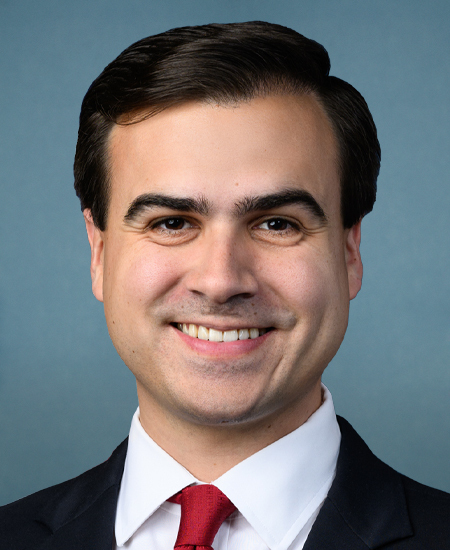
Clay Fuller
87% support rate
Top opponent
Eleanor Holmes Norton
0% support rate
Ranked legislators
10
5 support · 5 oppose
Key legislators

Who's moving budget & taxes in United States

Legislators moving budget & taxes in United States
Legislator Party Stance Support rate Decisive votes
Clay Fuller
Clay Fuller House · District 14
R
Strong +
87% 46
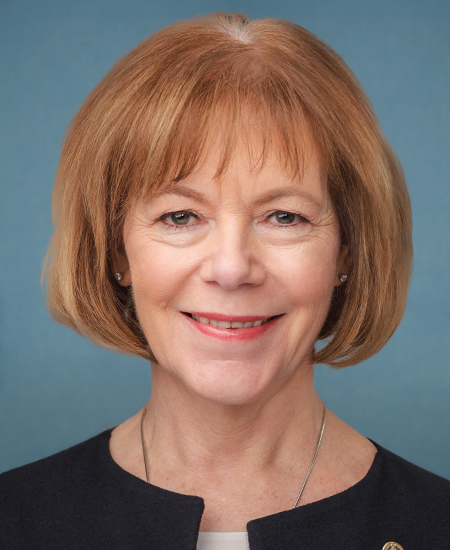
Tina Smith
Tina Smith Senate
D
Strong +
83% 77
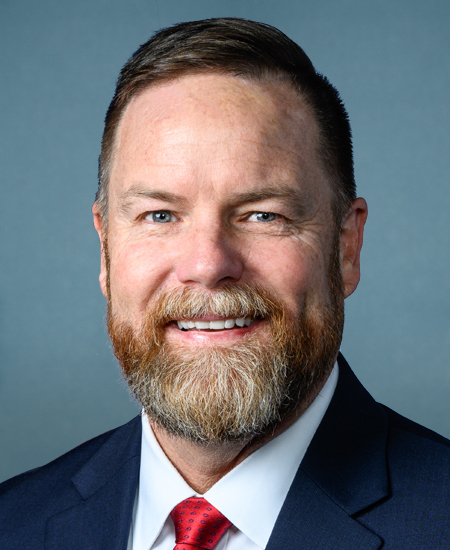
Andrew Ogles
Andrew Ogles House · District 5
R
Strong +
83% 65
Aaron Bean
Aaron Bean House · District 4
R
Strong +
83% 69
Ben Cline
Ben Cline House · District 6
R
Strong +
83% 69
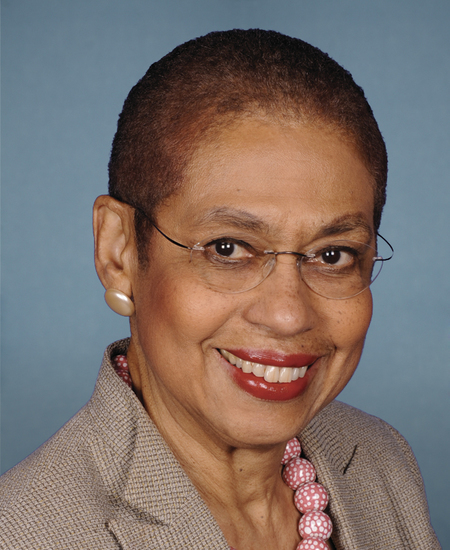
Eleanor Holmes Norton
Eleanor Holmes Norton House · District At-Large
D
Strong −
0% 26
Pablo José Hernández
Pablo José Hernández House · District At-Large
D
Strong −
7% 28
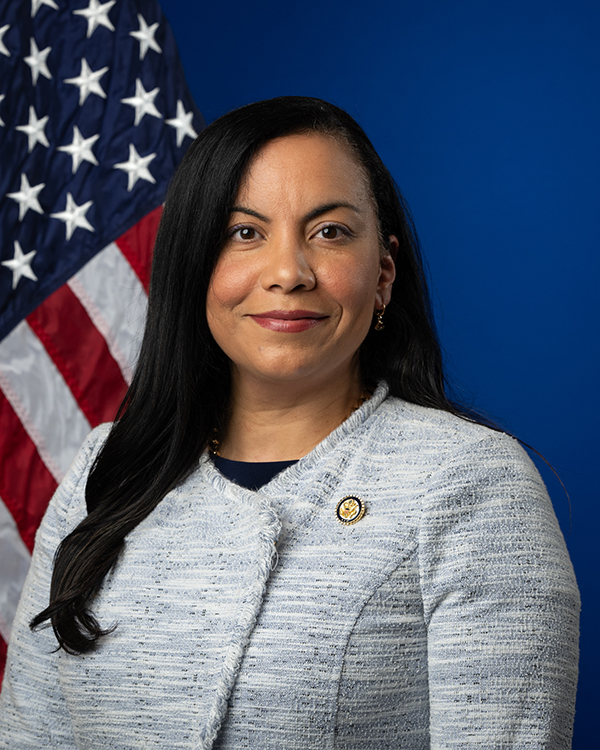
Analilia Mejia
Analilia Mejia House · District 11
D
Strong −
13% 45
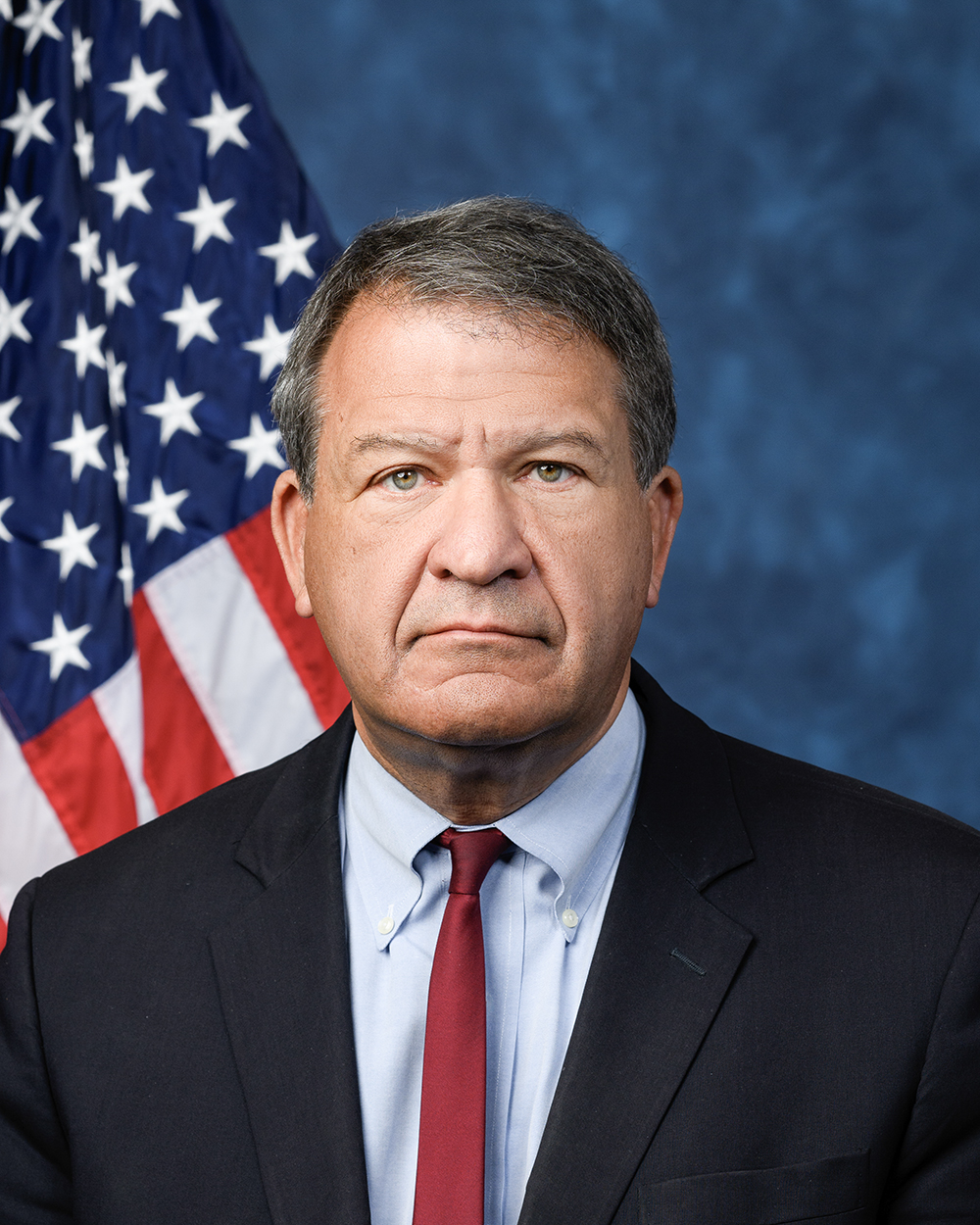
George Latimer
George Latimer House · District 16
D
Strong −
13% 67
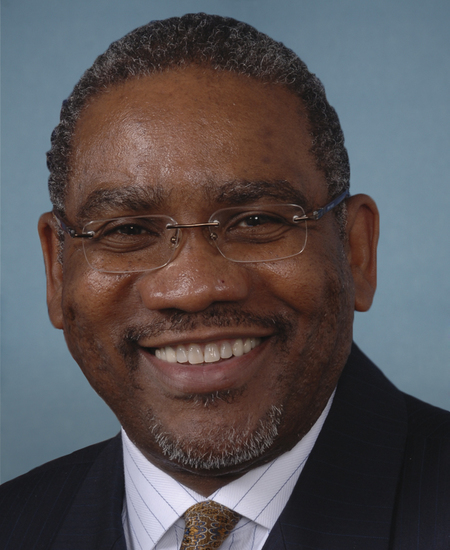
Gregory W. Meeks
Gregory W. Meeks House · District 5
D
Strong −
14% 66
Showing 941–950 of 2,411 bills

All budget & taxes bills

in committee · United States · House Jan 23, 2025

HR 713: Preventing Financial Exploitation in Higher Education Act

This bill targets universities with endowments of $2.5 billion or more, imposing penalties based on student loan repayment rates. Institutions with high rates of defaulted, delinquent, or underpaid student loans (measured as the percentage of borrowers missing payments for 31-360 days) must pay penalties equal to 16-30% of outstanding loan balances, with rates phased in through 2030. It also adds a 25% tax on the net investment income of these institutions if their average tuition exceeds an inflation-adjusted base amount. The penalties and tax apply only to large endowment institutions that fail to meet specific repayment thresholds or raise tuition beyond inflation.
Sub-Topics Sales Tax
in committee · United States · House Jan 7, 2025

HR 236: Federal Employee Return to Work Act

This bill requires federal employees who telework at least one day weekly (or 20% of their time under alternative schedules) to be paid at the "Rest of U.S." locality pay rate without future adjustments. It excludes employees who telework daily, those with disabilities receiving accommodations, Foreign Service members, law enforcement officers, and military personnel on active duty. Covered employees will no longer receive annual pay adjustments under standard federal pay schedules. The policy takes effect at the start of the first full fiscal year after the bill becomes law. It directly affects federal workers meeting the telework threshold, altering their pay structure based on location.
in committee · United States · House Jan 31, 2025

HR 847: BLOCK Act

HR 847, the BLOCK Act, replaces 10 specific K-12 education programs under the Elementary and Secondary Education Act with flexible block grants to states starting in fiscal year 2026. It directly affects all 50 states, the District of Columbia, and Puerto Rico by repealing targeted grants for local schools (Title I), English language learners (Title III), student support (Title IV), rural education, and other programs effective October 1, 2025. The bill shifts funding from federally mandated, program-specific grants to general block grants, giving states more discretion in how they allocate funds. This represents a major structural change to federal K-12 education financing, moving away from categorical funding toward broader state flexibility. The law takes effect with the 2026 budget cycle, using 2025 funding levels as the baseline for block grant amounts.
in committee · United States · House Jan 28, 2025

HR 808: Fairness for the Trades Act

HR 808, the "Fairness for the Trades Act," would allow individuals using 529 college savings accounts to cover certain trade-related business expenses as qualified higher education costs. Specifically, it expands the definition of "qualified expenses" to include tools and equipment (like hand tools or specialized machinery) used in designated skilled trades, such as construction, plumbing, electrical work, and maintenance, as listed by specific industry codes. This change directly affects people saving for trade careers through 529 plans, enabling them to use account funds for equipment purchases instead of just tuition or books. The bill does not alter tax rates or create new funding but modifies existing 529 account rules to support trade training costs.
in committee · United States · House Jan 23, 2025

HR 703: Main Street Tax Certainty Act

HR 703, the Main Street Tax Certainty Act, makes a key tax deduction permanent for small business owners. It removes the temporary sunset provision (subsection (i)) from Section 199A of the tax code, ensuring the qualified business income deduction remains available for eligible small businesses. This change directly affects pass-through business owners (like S-corps, partnerships, and sole proprietorships) who currently qualify for this deduction. The permanent change takes effect for tax years starting after December 31, 2025.
Sub-Topics Business Taxes Tags Small Business
in committee · United States · House Jan 14, 2025

HR 383: End Oil and Gas Tax Subsidies Act of 2025

The End Oil and Gas Tax Subsidies Act of 2025 would eliminate several tax benefits currently available to oil and gas companies, including credits for enhanced oil recovery, deductions for intangible drilling costs, and percentage depletion allowances. It would also prohibit major integrated oil companies (defined as those meeting specific production and revenue thresholds) from using last-in, first-out accounting for inventory purposes. These changes would take effect for taxable years beginning after December 31, 2024, directly affecting oil and gas producers who currently claim these tax benefits. The legislation removes specific tax advantages that have been available to the oil and gas industry, potentially increasing their tax burden.
in committee · United States · House Jan 13, 2025

HR 363: Territorial Economic Recovery Act

HR 363, the Territorial Economic Recovery Act, modifies U.S. tax rules to exclude specific income from certain corporations operating in U.S. territories from "tested income" calculations under the Internal Revenue Code. It directly affects qualified corporations in Puerto Rico and the U.S. Virgin Islands that earn at least 80% of their gross income from territory sources and have 75% of that income effectively connected to territory business operations. The key provision creates a new tax exclusion for this territory-sourced income, reducing the tax burden for qualifying corporations. The changes apply to taxable years beginning after December 31, 2023. This is a targeted tax policy change for businesses in U.S. territories.
Sub-Topics Tax Incentives
in committee · United States · House Jan 13, 2025

HR 366: To amend the Internal Revenue Code of 1986 to cover into the treasury of the Virgin Islands revenue from tax on fuel produced in the Virgin Islands and entered into the United States.

This bill redirects fuel tax revenue collected on Virgin Islands-produced fuel shipped to the U.S. to the Virgin Islands' own treasury instead of the U.S. Treasury. It directly affects the Virgin Islands government, which would receive these funds for local use. The key provision amends the Internal Revenue Code to require this redirection, effective after December 31, 2024.
Sub-Topics Revenue
in committee · United States · House Jan 15, 2025

HR 445: Border Security Investment Act

HR 445, the Border Security Investment Act, creates two new trust funds to fund border security by imposing a 37% fee on money transfers sent to the top 5 countries with the most unlawful border entries in the previous year. Money transfer companies pay this fee, with half the collected funds going to a Reimbursement Fund to reimburse border states for their security costs and the other half to a Security Fund for federal border technology, barriers, and Border Patrol staffing. The bill requires the Treasury to transfer these funds annually, sets a $50 billion cap on total fund balances (with excess funds directed to deficit reduction), and takes effect 30 days after enactment. It directly affects money transfer providers, border states, and federal border security operations.
Sub-Topics Border Security
in committee · United States · House Jan 14, 2025

HR 402: DEBT Act

HR 402, the DEBT Act, requires the Treasury Secretary to appear before Congress 21-60 days before reaching the debt limit or using extraordinary measures to avoid default. The bill mandates the Secretary explain specific actions like suspending certain Treasury securities sales or redeeming retirement fund investments, along with their administrative costs. This applies directly to the Treasury Department and the House Ways and Means and Senate Finance committees. The legislation focuses on transparency before debt ceiling decisions, not altering the debt limit itself.
Showing 941 to 950 of 2,411 bills
Previous 1 … 94 95 96 … 242 Next