Issue · Budget & Taxes

Budget & Taxes

Every budget & taxes bill, vote, and legislator stance in United States, automatically classified by Maddy, our AI policy reader.

Total bills
2,411
119th Congress
Top supporter
Clay Fuller
87% support rate
Top opponent
Eleanor Holmes Norton
0% support rate
Ranked legislators
10
5 support · 5 oppose
Key legislators

Who's moving budget & taxes in United States

Legislators moving budget & taxes in United States
Legislator Party Stance Support rate Decisive votes
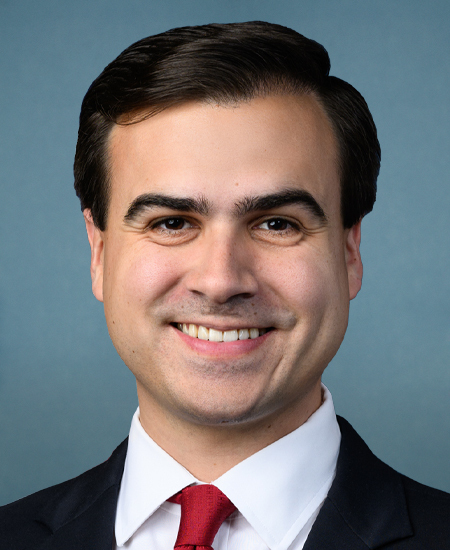
Clay Fuller
Clay Fuller House · District 14
R
Strong +
87% 46
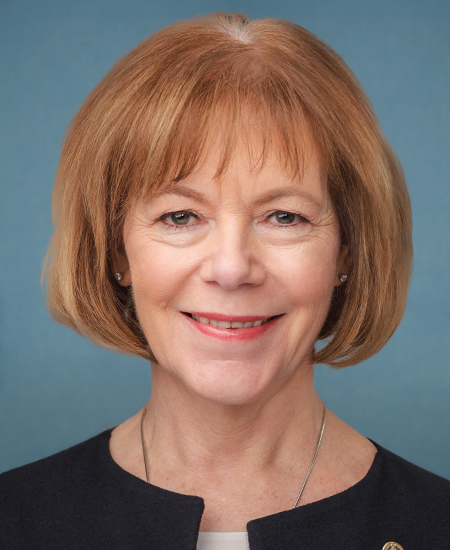
Tina Smith
Tina Smith Senate
D
Strong +
83% 77
Andrew Ogles
Andrew Ogles House · District 5
R
Strong +
83% 65
Aaron Bean
Aaron Bean House · District 4
R
Strong +
83% 69
Ben Cline
Ben Cline House · District 6
R
Strong +
83% 69
Eleanor Holmes Norton
Eleanor Holmes Norton House · District At-Large
D
Strong −
0% 26
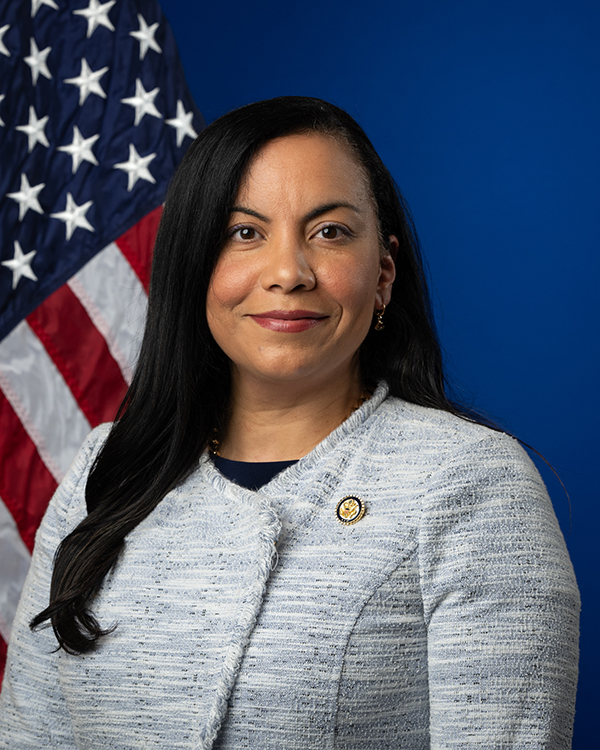
Pablo José Hernández
Pablo José Hernández House · District At-Large
D
Strong −
7% 28
Analilia Mejia
Analilia Mejia House · District 11
D
Strong −
13% 45
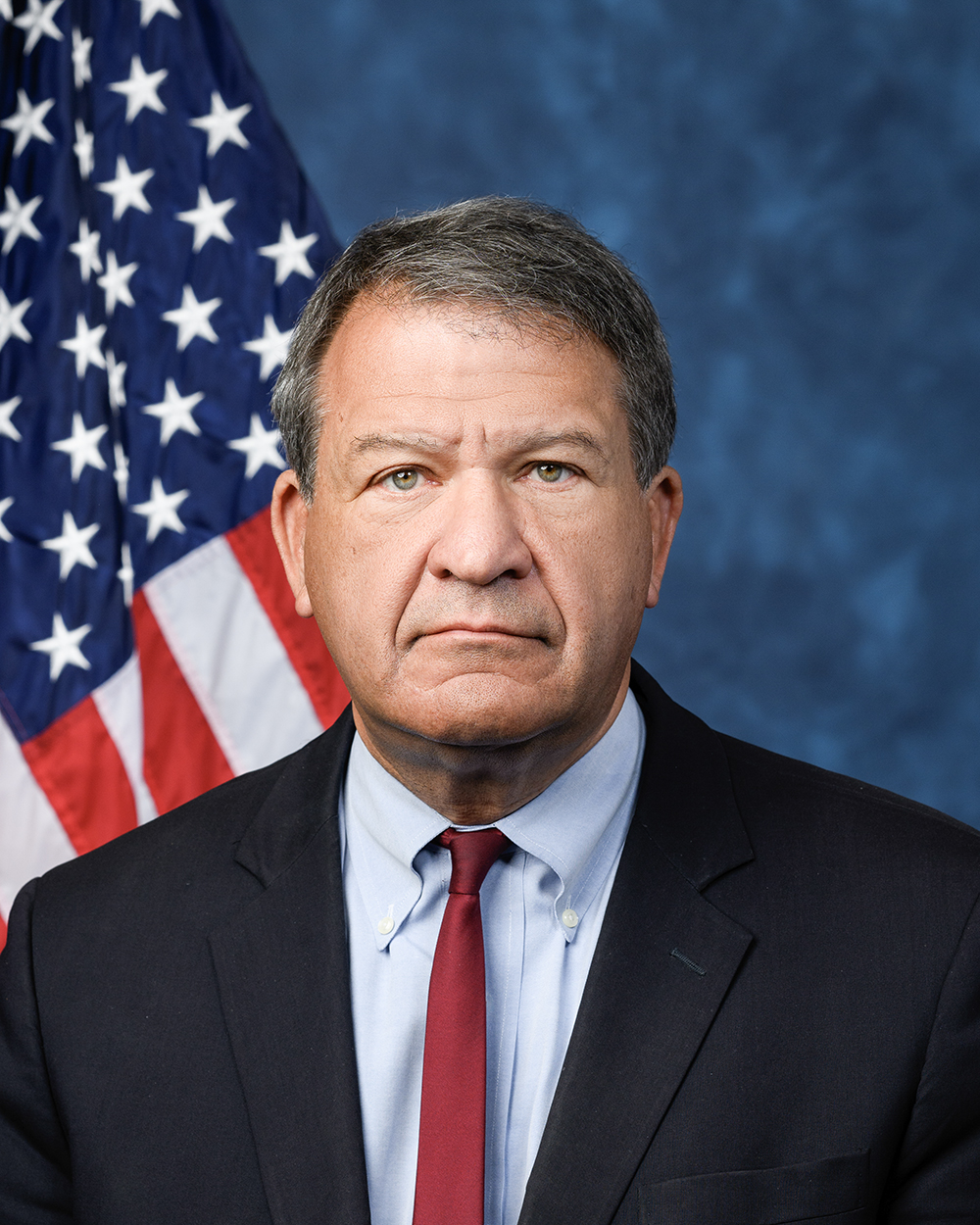
George Latimer
George Latimer House · District 16
D
Strong −
13% 67
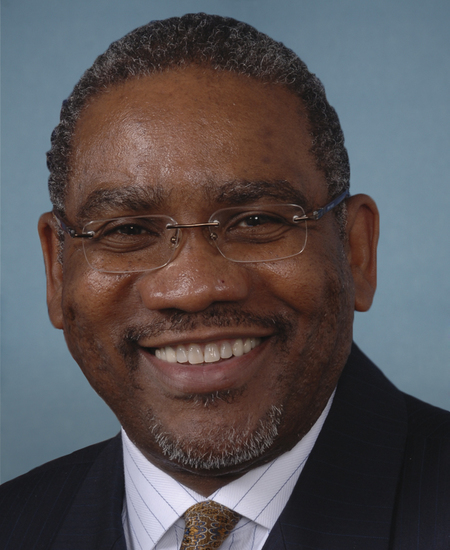
Gregory W. Meeks
Gregory W. Meeks House · District 5
D
Strong −
14% 66
Showing 931–940 of 2,411 bills

All budget & taxes bills

in committee · United States · House Jan 13, 2025

HR 354: Small Business Growth Act

HR 354, the Small Business Growth Act, increases tax deduction limits for small businesses purchasing equipment. It raises the annual deduction cap from $1 million to $2 million and the phaseout threshold from $2.5 million to $3.5 million under Section 179 of the tax code. These changes directly affect small businesses that buy qualifying depreciable assets like machinery or vehicles, allowing them to deduct more of the cost upfront. The provisions apply to property placed in service after December 31, 2025, with inflation adjustments updated to reference 2025 and 2026.
Sub-Topics Business Taxes Procurement Tags Small Business
in committee · United States · House Feb 6, 2025

HR 1091: Carried Interest Fairness Act of 2025

The Carried Interest Fairness Act of 2025 would change how certain investment management compensation is taxed by reclassifying net capital gains from "investment services partnership interests" as ordinary income rather than capital gains. This would affect private equity and hedge fund managers who receive carried interest as compensation, changing their tax treatment from capital gains rates to ordinary income rates. The bill creates specific rules that treat net capital gains as ordinary income while limiting capital losses to the amount of previously taxed ordinary income. It also requires that gains from dispositions of these interests be treated as ordinary income, and establishes special rules for qualified capital interests within these partnerships. The legislation would apply to partnerships where individuals provide investment management services related to the partnership's assets.
Sub-Topics Income Tax
passed · United States · House Jan 13, 2026

HR 909: Crime Victims Fund Stabilization Act of 2025

HR 909, the Crime Victims Fund Stabilization Act of 2025, modifies how funds from the False Claims Act are deposited into the Crime Victims Fund. It specifies that from 2025 through 2029, certain False Claims Act proceeds (specifically those for qui tam plaintiff payments and government damage reimbursements) cannot be deposited into the fund. This change directly affects the composition of the Crime Victims Fund by excluding these specific revenue streams during the specified period. The bill does not create new benefits or alter victim services; it only adjusts fund allocation rules for existing False Claims Act revenues.
Sub-Topics Victims' Rights
in committee · United States · House Jan 28, 2025

HR 750: ACE Act

The ACE Act (HR 750) expands 529 education savings plans to cover K-12 expenses, allowing families to use these accounts for tuition, curriculum materials, books, online learning, approved tutoring, standardized tests, and educational therapies for students with disabilities. It doubles the annual distribution limit from $10,000 to $20,000 for elementary and secondary expenses and increases gift tax exclusions for 529 contributions by up to $20,000 per year. The bill also requires states to implement school choice programs (like vouchers or education savings accounts) to qualify for tax-exempt school bonds, with specific eligibility thresholds for states. This directly affects families using 529 plans for K-12 education, homeschoolers, and states seeking tax-exempt bond funding for schools.
in committee · United States · House Jan 15, 2025

HR 413: CHILD Act of 2025

HR 413, the CHILD Act of 2025, increases the annual tax benefit limit for dependent care assistance programs from $5,000 to $10,000 (with $2,500 to $5,000 for single filers) for taxpayers using employer-sponsored dependent care accounts. It adds automatic annual cost-of-living adjustments to these limits based on inflation, rounding increases to the nearest $50. The bill also removes an outdated provision (previously referenced as subparagraph (D)) from the tax code. These changes directly affect working parents and caregivers who use dependent care benefits, applying to tax years beginning after December 31, 2024.
Tags Children
in committee · United States · House Jan 13, 2025

HR 332: Travel Trailer and Camper Tax Parity Act

HR 332, the Travel Trailer and Camper Tax Parity Act, would amend the tax code to allow business owners to claim a tax deduction for financing travel trailers and campers used for recreation. Specifically, it adds these vehicles to the definition of "floor plan financing" by clarifying that trailers/campers designed for temporary living (recreational, camping, or seasonal use) qualify, if towed or attached to a motor vehicle. This change directly affects small businesses and owners who finance such vehicles for commercial use, aligning their tax treatment with other similar vehicles. The provision would take effect for tax years beginning after December 31, 2024.
in committee · United States · House Feb 5, 2025

HR 991: Cost Estimates Improvement Act

HR 991, the Cost Estimates Improvement Act, requires the Congressional Budget Office (CBO) and Joint Committee on Taxation (JCT) to include debt servicing costs (interest payments on the national debt) in their budget estimates "to the extent practicable." This change directly affects how Congress evaluates the fiscal impact of proposed legislation, as these estimates determine whether bills qualify for budget reconciliation and influence funding decisions. The key mechanism amends the 1974 Congressional Budget Act to mandate this inclusion within existing cost estimation processes. The bill does not alter spending or tax policy but aims to make budget scoring more comprehensive by accounting for ongoing interest costs.
in committee · United States · House Feb 4, 2025

HR 958: Train More Primary Care Doctors Act of 2025

HR 958, the Train More Primary Care Doctors Act of 2025, increases annual funding for primary care training programs under the Public Health Service Act. It raises the annual appropriation from $48,924,000 (for fiscal years 2021-2025) to $49,924,000 (for fiscal years 2025-2030). This funding supports medical training programs focused on preparing primary care physicians, directly benefiting medical schools and residency programs. The bill makes a specific budgetary adjustment without creating new requirements or altering program eligibility.
in committee · United States · House Feb 4, 2025

HR 955: HOPE Act of 2025

The HOPE Act of 2025 creates tax-advantaged "HOPE Accounts" for individuals to pay qualified medical expenses. These accounts allow tax-free savings with annual contribution limits of $4,000 for self-only coverage or $8,000 for family coverage, and employers can contribute up to 50% of these limits. Distributions for qualified medical expenses are tax-free, but amounts used for non-medical purposes are taxed at ordinary rates plus a 30% penalty. The bill would take effect for taxable years beginning after December 31, 2025, and applies to individuals with minimum essential health coverage who don't participate in other similar accounts like HSAs or FSAs.
in committee · United States · House Jan 28, 2025

HR 815: Brownfields Redevelopment Tax Incentive Reauthorization Act of 2025

HR 815 extends a tax incentive allowing businesses to deduct costs for cleaning up contaminated "brownfield" properties (like old factories or gas stations) from their taxes. It directly affects developers and property owners who remediate these sites, reducing their tax burden for cleanup work. The bill updates the tax code to let these deductions apply to costs paid or incurred between 2012-2024 and again after 2028, with the new period starting January 1, 2025. This provides continued financial support for redeveloping underutilized, polluted land.
Sub-Topics Tax Incentives Hazardous Materials Tags Economic Development
Showing 931 to 940 of 2,411 bills
Previous 1 … 93 94 95 … 242 Next