

Issue · Budget & Taxes
Budget & Taxes
Every budget & taxes bill, vote, and legislator stance in United States, automatically classified by Maddy, our AI policy reader.
Total bills
2,411
119th Congress
Top supporter
Clay Fuller
87% support rate
Top opponent
Eleanor Holmes Norton
0% support rate
Ranked legislators
10
5 support · 5 oppose
Key legislators
Who's moving budget & taxes in United States
| Legislator | Party | Stance | Support rate | Decisive votes |
|---|---|---|---|---|
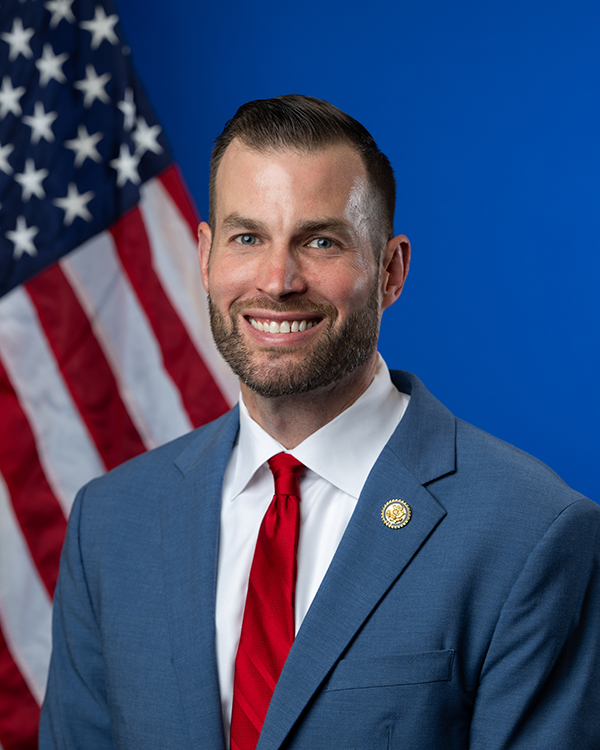
Clay Fuller
House · District 14
|
R |
Strong +
|
87% | 46 |

Tina Smith
Senate
|
D |
Strong +
|
83% | 77 |

Andrew Ogles
House · District 5
|
R |
Strong +
|
83% | 65 |
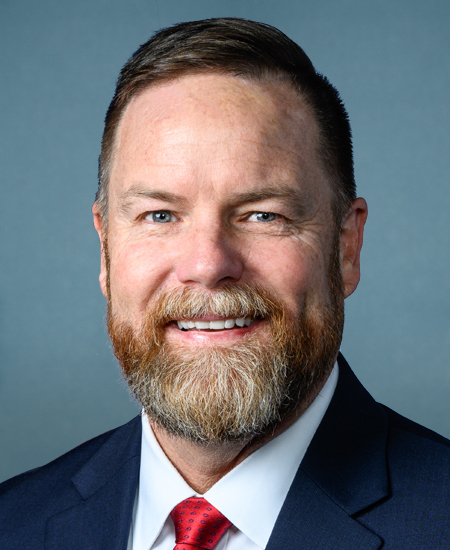
Aaron Bean
House · District 4
|
R |
Strong +
|
83% | 69 |
Ben Cline
House · District 6
|
R |
Strong +
|
83% | 69 |

Eleanor Holmes Norton
House · District At-Large
|
D |
Strong −
|
0% | 26 |
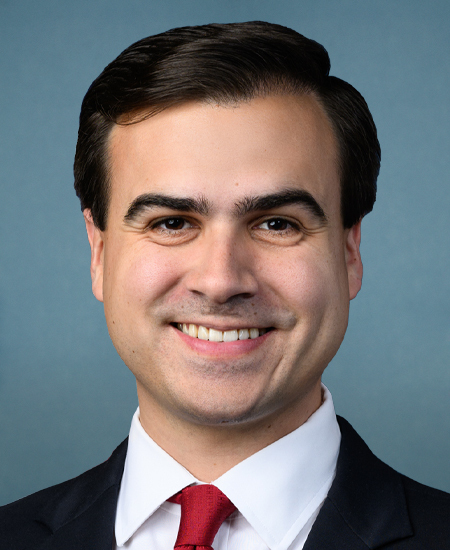
Pablo José Hernández
House · District At-Large
|
D |
Strong −
|
7% | 28 |

Analilia Mejia
House · District 11
|
D |
Strong −
|
13% | 45 |
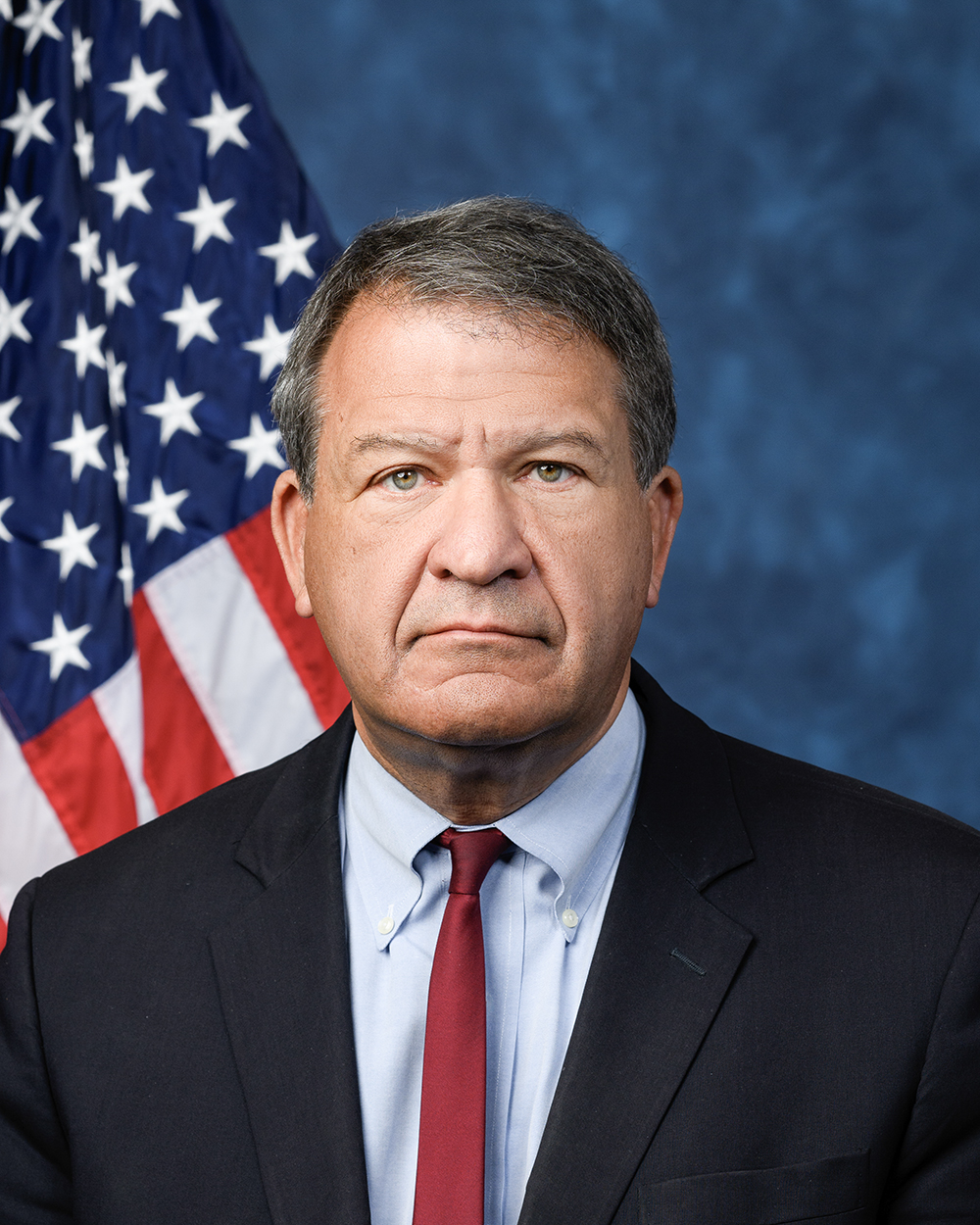
George Latimer
House · District 16
|
D |
Strong −
|
13% | 67 |
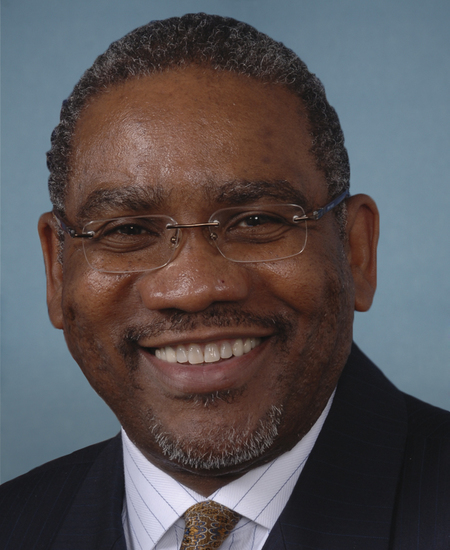
Gregory W. Meeks
House · District 5
|
D |
Strong −
|
14% | 66 |
Showing 841–850 of 2,411
bills
All budget & taxes bills
HR 4032: Lowering Broadband Costs for Consumers Act of 2025
Topics
✓ Budget & TaxesSupports Budget & TaxesMandates contributions to Universal Service Fund for rural broadband subsidies, directly funding essential infrastructure through new revenue stream.
✓ EducationSupports EducationBill expands broadband access which supports educational access and digital learning opportunities in schools, particularly in rural areas.
✓ TechnologySupports TechnologyRequires major internet companies to fund rural broadband subsidies, expanding affordable internet access per bill's core purpose.
HR 7326: ABODE Act
Topics
✓ Budget & TaxesSupports Budget & TaxesBill creates HUD grant program funding affordable housing development, directly allocating government funds for public service as part of fiscal management.
✓ EnergySupports EnergyBill explicitly requires projects to 'improve energy efficiency' as a priority, directly supporting energy efficiency measures in housing development.
✓ EnvironmentSupports EnvironmentBill mandates energy efficiency and resilient designs in affordable housing, which reduces environmental impact and promotes sustainable building practices.
✓ HousingSupports HousingBill creates HUD grant program for affordable housing development targeting 50% AMI households, prioritizing cost reduction, accessibility, and energy efficiency.
S 3413: REPAIR Infrastructure Act
Topics
✓ Budget & TaxesSupports Budget & TaxesAllocates $3B annually from Highway Trust Fund for infrastructure projects, directly funding state/local government capital construction and planning grants.
✓ TechnologySupports TechnologyBill funds infrastructure projects to restore community connectivity and improve resilience, directly supporting internet access and digital infrastructure development.
✓ TransportationSupports TransportationFunds $3B annually via Highway Trust Fund for transportation infrastructure projects, restoring connectivity and improving resilience per bill summary.
HR 5304: Departments of Labor, Health and Human Services, and Education, and Related Agencies Appropriations Act, 2026
Topics
✓ Budget & TaxesSupports Budget & TaxesFunds HHS, Education, and Labor agencies through federal appropriations, directly supporting public service budget allocation under Budget & Taxes.
✓ EducationSupports EducationBill allocates federal funding to the Education department per its title, directly supporting education funding as a core function of appropriations bills.
HR 3987: No Community Development Block Grants for Sanctuary Cities Act
Topics
✗ Budget & TaxesOpposes Budget & TaxesDefunds CDBG grants to sanctuary cities, restricting federal budget allocation for community development programs.
✗ HousingOpposes HousingDefunds CDBGs - used for affordable housing programs - by blocking grants to sanctuary cities, directly restricting housing funding access.
✗ ImmigrationOpposes ImmigrationBlocks CDBG funding for jurisdictions restricting federal immigration cooperation, directly opposing sanctuary policies that limit enforcement cooperation.
Sub-Topics
Community Development
Property Development
Border Security
Enforcement
Sanctuary Policies
HR 2597: Protecting American Taxpayers from Wasteful Spending Act
HR 5584: LIFT AI Act
Topics
✓ Budget & TaxesSupports Budget & TaxesBill allocates federal funding via competitive grants for K-12 AI education programs, increasing public education spending.
✓ EducationSupports EducationProvides federal grants for K-12 AI curriculum development, teacher training, and student proficiency tools, directly advancing educational programs and funding for schools.
✓ TechnologySupports TechnologyFunds AI literacy programs for K-12 education, promoting digital equity and responsible AI use through curricula, teacher training, and hands-on learning tools.
HR 4347: SNAP E&T Data And Technical Assistance (DATA) Act of 2025
Topics
✓ Budget & TaxesSupports Budget & TaxesAuthorizes $15M/year for SNAP data system grants, supplementing state funding to improve public service efficiency and program quality.
✓ EducationSupports EducationBill funds data systems linking SNAP with education programs, improving educational access and workforce integration for students.
✓ Labor & EmploymentSupports Labor & EmploymentBill funds $15M for SNAP employment/training data systems to improve program quality, reduce admin burden, and link workforce programs (WIOA), advancing employment standards.
✓ TechnologySupports TechnologyBill explicitly requires states to protect participant privacy while building data systems for SNAP programs, directly addressing data privacy (a core technology policy area) as per the topic description.
Sub-Topics
Workforce Development
HR 7497: Supporting Trauma-Informed Education Practices Act of 2026
Topics
✓ Budget & TaxesSupports Budget & TaxesAuthorizes $50M annual funding for school mental health programs, directly increasing public service appropriations under budget spending.
✓ EducationSupports EducationBill allocates $50M annually for trauma-informed mental health support in schools, funding staff training and school-community partnerships to enhance student well-being and educational access.
✓ HealthcareSupports HealthcareBill allocates $50M annually for trauma-informed mental health support in schools, directly expanding mental health services and improving access for students/staff through evidence-based training and school-community partnerships.