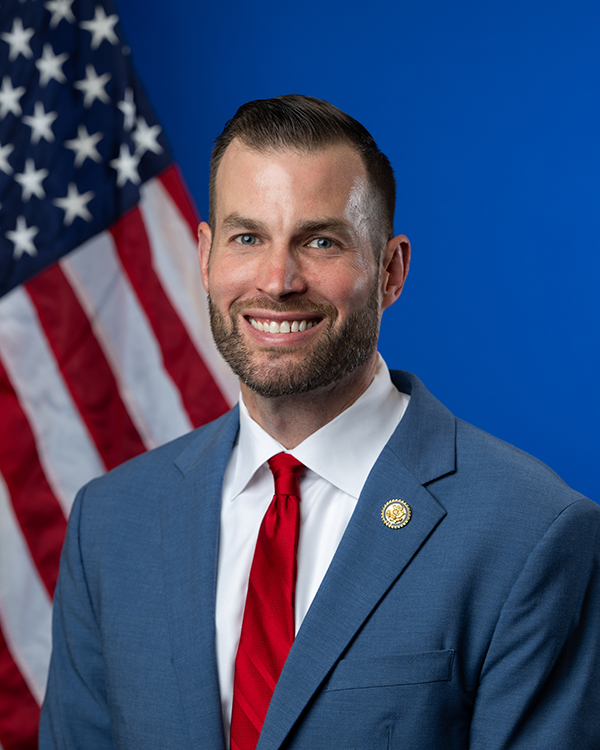
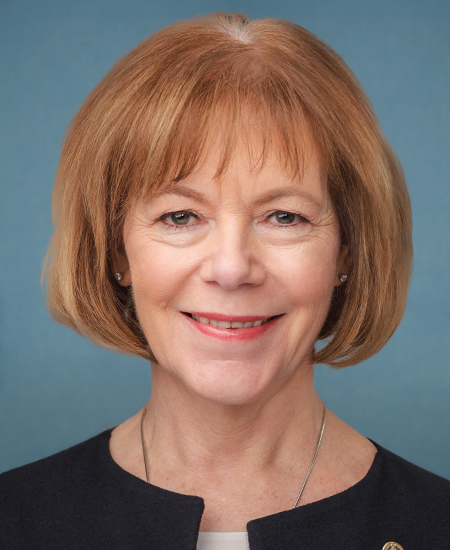
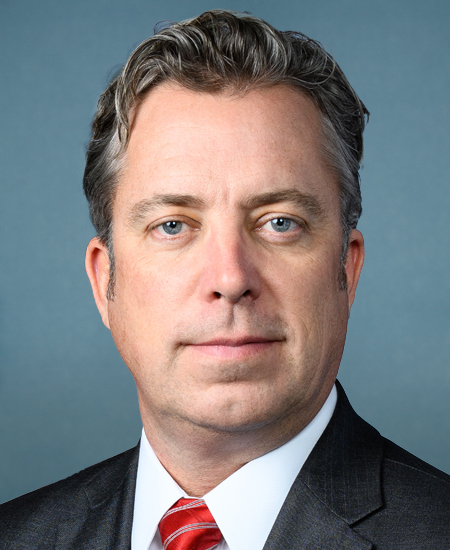
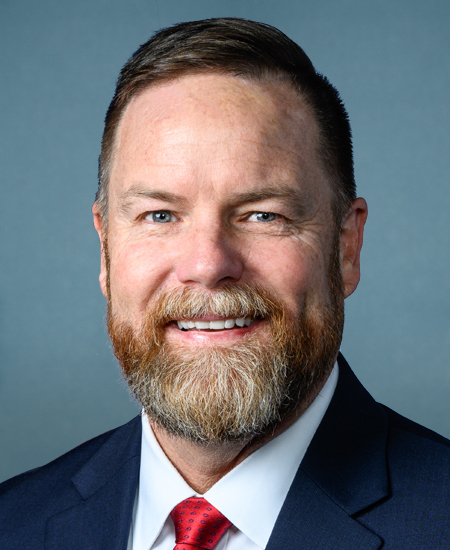
This bill authorizes $250 million annually for four years to help schools on federally impacted lands (like tribal reservations and military bases) improve aging infrastructure. It creates two grant types: formula grants for schools with no bond capacity and competitive grants prioritizing schools with urgent safety issues like unsafe buildings or lack of clean water. Local schools must contribute 10-25% of project costs based on their "learning opportunity threshold," with the highest-priority schools receiving full federal funding. Funds can be used for construction, renovation, and repair to meet safety standards and improve learning environments. The bill addresses the significant infrastructure challenges reported by 65% of schools with facilities in poor condition.
This bill would make several administrative changes to the Social Security Administration, including exempting it from the jurisdiction of the Department of Government Efficiency (DOGE) and certain executive orders, restricting political appointees from accessing beneficiary data systems, and preventing closure of field offices while requiring maintenance of staff levels. It also creates new offices within the SSA for civil rights, transformation, and analytics, and provides additional funding for administrative costs and customer experience improvements. These provisions would directly affect how the SSA manages its operations, protects beneficiary data, and delivers services to beneficiaries. The bill's title is misleading as it does not address billionaires or their relationship with Social Security.
The Faster Buses Better Futures Act authorizes $250 billion in grants over five years to help transit agencies redesign their bus networks to increase ridership by 100% within six years. It requires redesigns to be equitable, focusing on underserved communities including those in persistent poverty, and prohibits relying on fare elimination or automated buses to achieve ridership gains. The bill also provides $1 billion annually for bus stop shelters, $1 billion annually for station accessibility improvements for people with disabilities, and funding for transit priority measures like dedicated bus lanes. These provisions affect transit agencies nationwide, with a focus on improving service for low-income residents, seniors, people with disabilities, and communities of color.
This bill allows individuals applying for government benefits to deduct certain insurance costs from their reported income when determining eligibility. It covers auto insurance for vehicle owners, home/renter insurance, and flood insurance for primary residences. These deductions apply to both federal programs (like SNAP or Medicaid) and state/local programs receiving federal funding. The change directly affects people seeking assistance by reducing their counted income for benefit calculations.
The SERVE Our Communities Act (HR 198) creates a federal grant program providing $10 million annually from 2026-2031 to states and local governments that meet specific crime prevention criteria. To qualify, jurisdictions must require courts to consider public safety risks when setting bail or pretrial release (Section 2(b)(1)) and must have implemented one of three actions in the prior year: enacted bail reform, increased law enforcement staffing, or run public safety education programs (Section 2(b)(2)). Grant funds can only be used for evidence-based reentry and violence prevention programs under the Second Chance Act (Section 2(c)). The bill directly affects state and local governments by tying federal funding to specific bail reform and community safety measures, aiming to reduce repeat violent offenses through systemic changes.
HR 3510, the Saving Students with Software Act, creates a federal grant program to help schools implement suicide prevention software. The bill directs the Secretary of Education to award grants to states for covering costs of software that monitors student device use in elementary and secondary schools (as defined by existing law). This software automatically alerts school staff if a student types words or phrases related to self-harm or suicide. The program aims to provide schools with funding to adopt this specific monitoring tool, directly affecting school districts and students using school-provided devices. Grants are available for software designed to detect and report concerning language during student device use.
S 1275, the Impact Aid Infrastructure Partnership Act, provides federal funding to help schools on federal lands improve their aging facilities. It targets federally impacted local educational agencies (those serving schools on federal property like Indian reservations or military bases) that struggle with poor building conditions and limited local funding capacity. The bill authorizes $250 million annually for four years to fund competitive emergency repairs for schools with health/safety hazards and formula grants for agencies with limited bonding capacity. Local matching requirements vary based on financial capacity, with some agencies required to contribute 10-25% of project costs depending on their ability to pay.
The Eviction Right to Counsel Act of 2025 establishes a $100 million annual federal fund (2026-2030) to support legal representation for low-income tenants facing eviction. It directly affects tenants with incomes at or below 200% of the federal poverty line in eviction cases or housing subsidy terminations. The bill provides grants to states, localities, or tribal governments that already have laws guaranteeing free legal counsel for these tenants, prioritizing jurisdictions with additional tenant protections like longer eviction notice periods or emergency rental assistance. Funds can cover attorney training and implementation costs but do not require new federal mandates - eligibility depends on pre-existing state/local "right to counsel" laws.
HR 112, the FUEL Reform Act, repeals bioenergy subsidy programs established under the 2002 Farm Security Act. This bill directly affects farmers and bioenergy producers who currently receive federal subsidies for renewable energy projects under these programs. The key mechanism is removing the specific provisions (Title IX of the 2002 Act) that authorized these subsidies from federal law. The bill eliminates existing financial support for certain bioenergy initiatives without creating new programs or requirements.
This bill amends the Elementary and Secondary Education Act to establish specific annual funding amounts for impact aid programs through 2031. It authorizes $90.3 million for real property acquisition in 2026 (increasing to $150.3 million by 2031), $1.63 billion for basic payments to local schools in 2026 (rising to $2.45 billion by 2031), $60.3 million for children with disabilities in 2026 (growing to $120.3 million by 2031), and $22.9 million for school construction in 2026 (reaching $45.4 million by 2031). These funds directly support school districts affected by federal land ownership or military installations, as defined under impact aid provisions. The bill sets clear, incremental funding targets without changing eligibility rules or program structure.