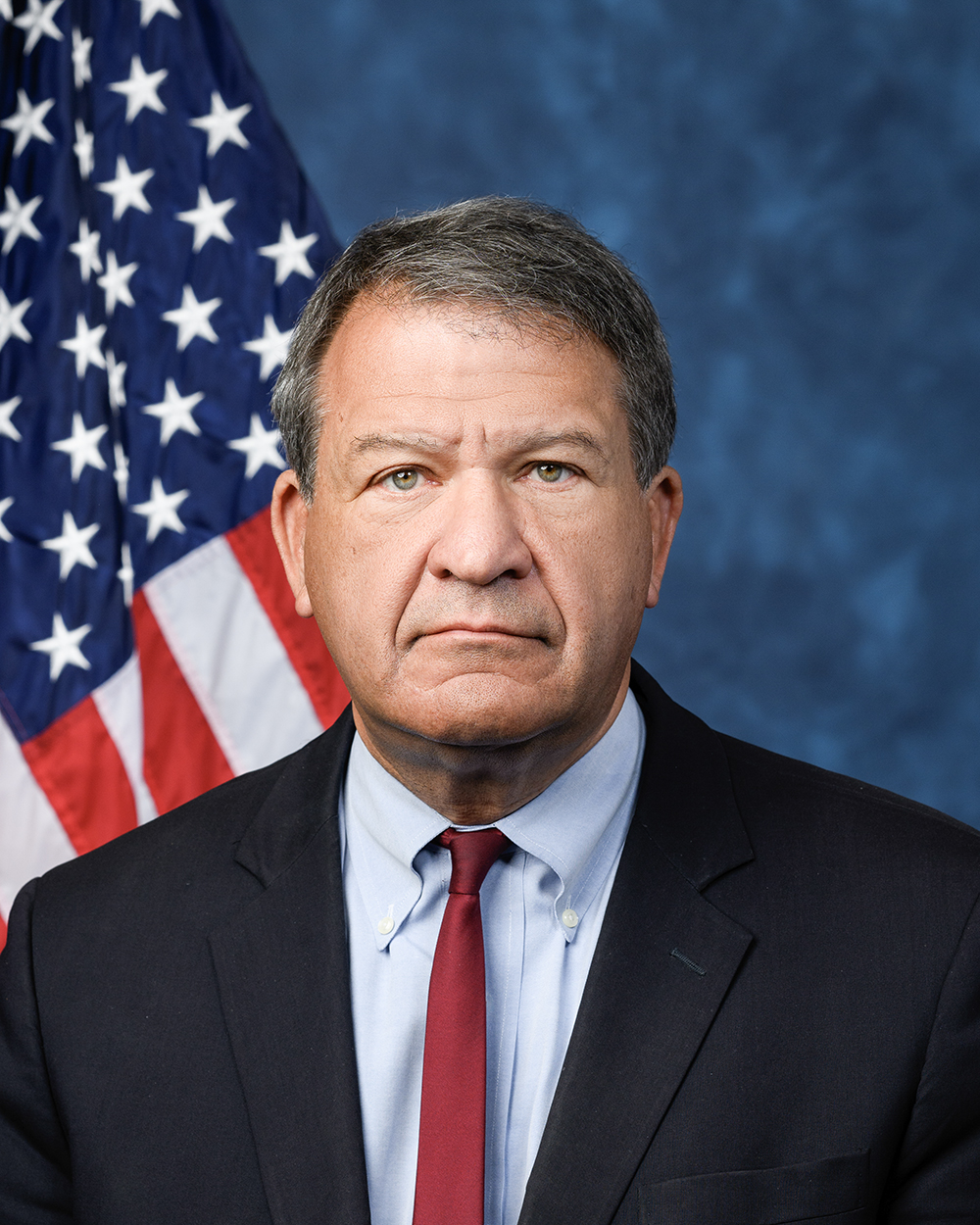
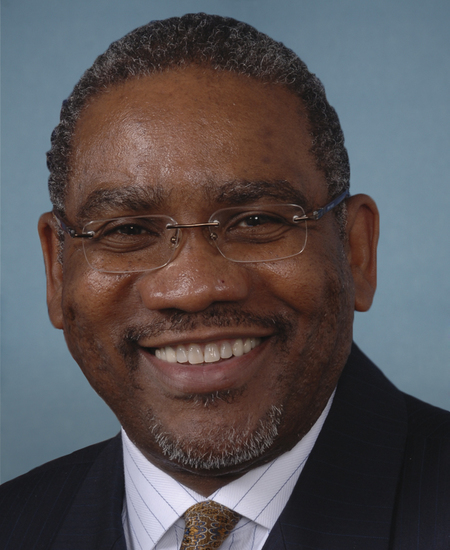
The American Homeownership Act restricts tax deductions for interest and depreciation on residential properties owned by institutional investment entities or "large owners" (defined as those holding 50+ single-family units). It creates exceptions for new construction, rehabilitation of uninhabitable properties, sales to individuals for primary residence, and properties serving affordable housing through tax credit programs. The bill also prohibits federal housing agencies from selling properties or providing mortgage loans to these large investors and allocates savings from these tax changes to fund affordable housing programs. These provisions aim to encourage homeownership by limiting tax benefits for large-scale rental property ownership while directing resources toward affordable housing development.
The Health Investment Zones Act of 2026 creates a program to designate areas with significant health disparities as "Health Investment Zones" to improve health outcomes. The bill provides tax incentives including a new 30% tax credit for wages paid to qualified Health Investment Zone workers and incentive payments for Medicare services provided in these zones. It also establishes a grant program for community organizations to fund health care improvements and a student loan repayment program for health care practitioners working in designated zones. Areas must meet specific criteria related to income levels, health outcomes, and documented health disparities to qualify for designation, with zones designated for 10 years.
This resolution honors Dr. Paul Farmer's legacy by calling on the U.S. Federal Government to adopt a new global health strategy focused on ending preventable deaths in low-income countries. It proposes concrete actions including increasing annual health funding to $125 billion (to meet international aid targets), supporting health systems through Dr. Farmer's "Five S's" framework (staff, infrastructure, medical tools, governance, and community support), and addressing economic harms like unfair debt and tax evasion that hinder health financing. The resolution specifically targets low- and lower-middle-income countries where health systems face critical resource gaps, citing data showing decades-long delays in reducing mortality rates. It emphasizes aligning aid with national health plans and ensuring medical technologies become global public goods, without proposing binding legislation.
This bill extends three key federal tax credits that help homeowners reduce energy costs. It pushes back the deadline for the residential energy efficiency home credit (Section 45L) from 2026 to 2032 and the clean energy credit (Section 25D) from 2025 to 2032. It also reinstates the energy-efficient home improvement credit (Section 25C), which was temporarily repealed in prior legislation. These changes directly benefit homeowners who install qualifying upgrades like solar panels, efficient windows, or insulation, allowing them to claim tax savings through 2032. The bill makes no new policy changes but prolongs existing financial incentives for residential energy efficiency.
This bill, titled "Emergency Border Control Resolution," is actually a budget resolution establishing fiscal year 2025-2034 budget levels for the U.S. government. It sets detailed revenue, spending, and deficit targets across various government functions, including defense, health, and social programs. The resolution includes reconciliation instructions for committees to adjust laws within their jurisdictions to meet deficit targets. The title appears to be a political label rather than an accurate description of the bill's content, as it contains no actual border control provisions.
The Broadband Grant Tax Treatment Act (S 674) excludes specific federal and state broadband grants from being counted as taxable income for recipients. It applies to grants from programs like the Broadband Equity, Access, and Deployment Program (under the Infrastructure Investment and Jobs Act) and similar state/local initiatives funded by federal broadband grants. The law prevents double tax benefits by disallowing deductions for expenses covered by the excluded grant and reducing the property’s cost basis by the grant amount. This directly affects broadband providers and local governments receiving these grants, making the funds tax-free without allowing additional tax deductions for the same spending.
HR 7648, the Local Taxpayer Protection Act of 2026, provides federal grants to municipalities hosting or developing U.S. Immigration and Customs Enforcement (ICE) processing or detention facilities. The bill directly affects these municipalities by covering their lost property tax revenue and costs for public utilities (like water, electricity, and sewer systems) used by the ICE facilities. Grants, capped at the prior year's combined lost revenue and utility costs, are for 5 years with renewal options, and require applications detailing financial need, cost-benefit analysis, and other funding sources. Funds must offset specific costs, with a goal of making the facilities self-sufficient for utility use over time.
The FIREWALL Act creates a refundable tax credit allowing homeowners to claim 50% of eligible expenses for disaster mitigation improvements made to their primary residence, up to $25,000 annually. Eligible improvements include fire-resistant roofing, flood barriers, storm shelters, and vegetation management, but only for homes located in areas affected by federal disaster declarations within the last decade. The credit phases out for taxpayers with adjusted gross income over $200,000 and excludes costs reimbursed by insurance or government programs. This policy applies to tax years beginning after December 31, 2024, aiming to encourage property resilience against natural disasters like wildfires and floods.
This resolution (HRES 19) urges the U.S. House of Representatives not to adjourn until all annual spending bills for the current fiscal year - covering every area managed by the Appropriations Committee's subcommittees - are fully enacted into law. It does not create new spending or change existing laws but expresses the House's intent to prioritize passing all required funding bills before ending its session. The resolution directly affects House leadership and the Appropriations Committee, requiring them to delay adjournment until all 12 subcommittee-level spending bills are approved. As a procedural resolution, it has no binding effect but serves as a formal statement of legislative priority.
S 1480 (American Infrastructure Bonds Act of 2025) creates a tax credit for state and local governments that issue qualifying infrastructure bonds. It allows issuers to receive a 28% credit from the Treasury on each interest payment made on these bonds, paid simultaneously with the interest. The bonds must meet specific criteria: interest would normally be tax-exempt under federal law, they cannot be private activity bonds, and the issuer must elect to use this credit. This provision reduces the cost of issuing infrastructure bonds for governments, making it cheaper to finance projects like roads, bridges, and water systems.