Issue · Budget & Taxes

Budget & Taxes

Every budget & taxes bill, vote, and legislator stance in United States, automatically classified by Maddy, our AI policy reader.

Total bills
2,349
119th Congress
Top supporter
Clay Fuller
86% support rate
Top opponent
Eleanor Holmes Norton
0% support rate
Ranked legislators
10
5 support · 5 oppose
Key legislators

Who's moving budget & taxes in United States

Legislators moving budget & taxes in United States
Legislator Party Stance Support rate Votes
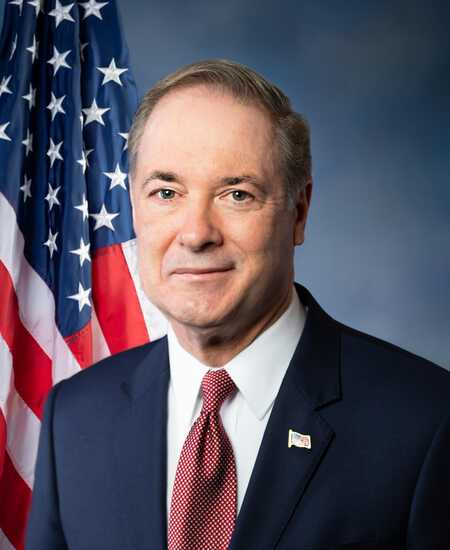
Clay Fuller
Clay Fuller House · District 14
R
Strong +
86% 55
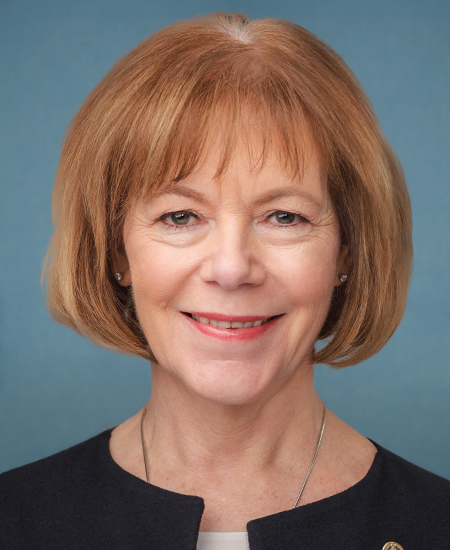
Tina Smith
Tina Smith Senate
D
Strong +
83% 251
Andrew Ogles
Andrew Ogles House · District 5
R
Strong +
83% 175
Russell Fry
Russell Fry House · District 7
R
Strong +
82% 186
John Joyce
John Joyce House · District 13
R
Strong +
82% 185
Eleanor Holmes Norton
Eleanor Holmes Norton House · District At-Large
D
Strong −
0% 46
Pablo José Hernández
Pablo José Hernández House · District At-Large
D
Strong −
7% 46
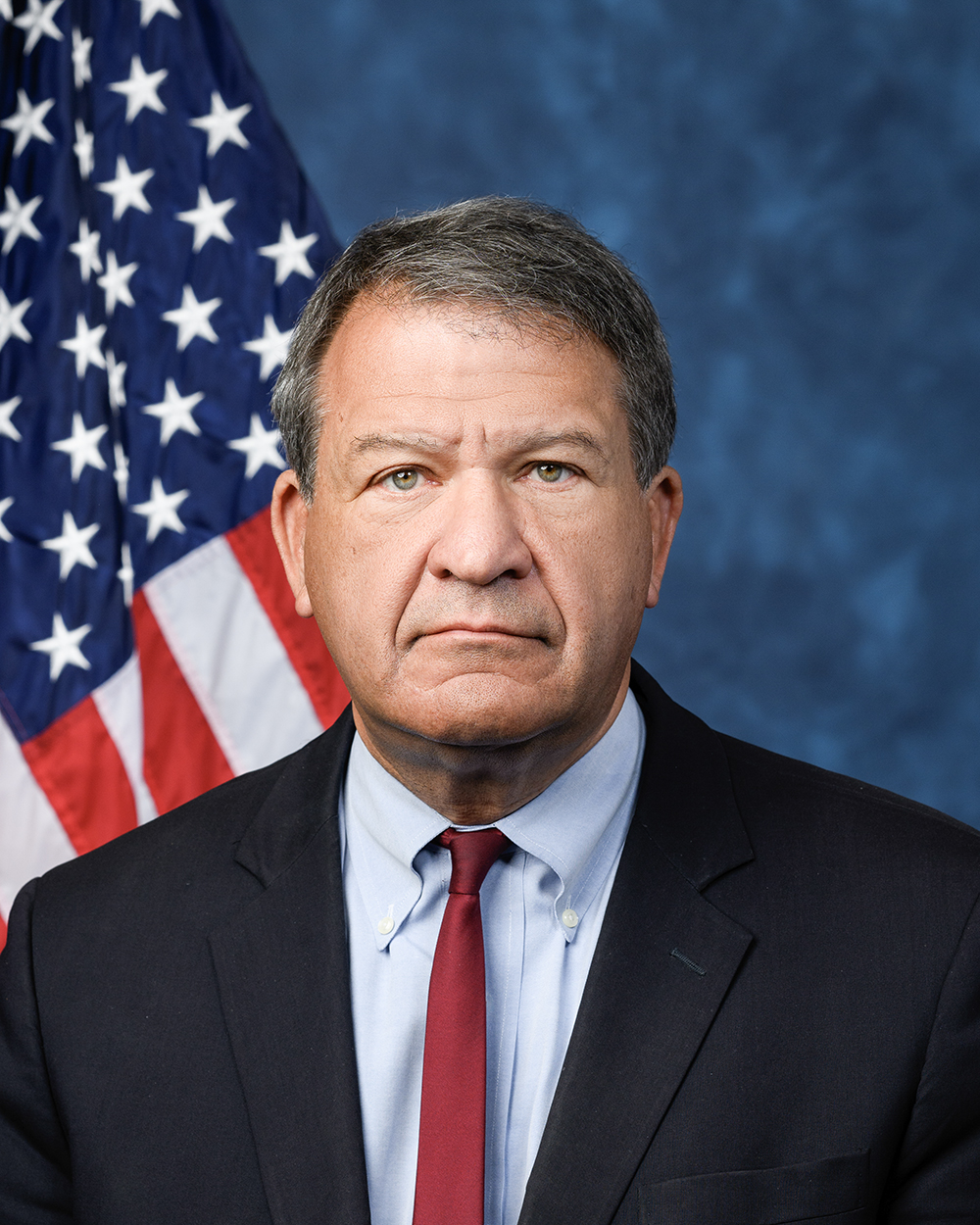
George Latimer
George Latimer House · District 16
D
Strong −
14% 181
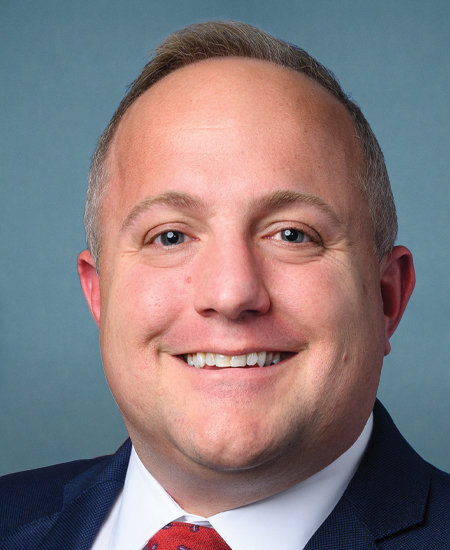
Analilia Mejia
Analilia Mejia House · District 11
D
Strong −
14% 52
Gregory W. Meeks
Gregory W. Meeks House · District 5
D
Strong −
14% 181
Showing 2,281–2,290 of 2,349 bills

All budget & taxes bills

in committee · United States · House Jan 3, 2025

HJRES 7: Proposing an amendment to the Constitution of the United States to prohibit Members of Congress from receiving compensation during a fiscal year unless both Houses of Congress have agreed to a concurrent resolution on the budget for that fiscal year prior to the beginning of that fiscal year.

This constitutional amendment would require Congress to approve a budget resolution before the start of each fiscal year for members to receive pay. It directly affects all 535 current and future members of Congress. The key provision prohibits compensation during any fiscal year unless both the House and Senate agree to an identical budget resolution prior to that year’s start date. If ratified, this would tie congressional pay to timely budget passage, requiring budget agreement before the fiscal year begins.
in committee · United States · Senate Feb 2, 2026

S 3760: CLOSE Act

The CLOSE Act terminates temporary pandemic unemployment benefit programs established under the CARES Act, including Pandemic Unemployment Assistance and Federal Pandemic Unemployment Compensation, after a 30-day grace period following enactment. It also cancels (rescinds) unused federal funds that were allocated for these programs but not yet spent. This directly affects states administering these benefits and individuals who received pandemic-era unemployment support. The bill stops future payments and returns unobligated funds to the Treasury without altering benefits already paid.
Sub-Topics Unemployment
in committee · United States · Senate Nov 20, 2025

SJRES 97: A joint resolution proposing a balanced budget amendment to the Constitution of the United States.

This joint resolution proposes a constitutional amendment that requires federal expenditures and receipts to be balanced, which may occur over more than one year. Under the amendment, expenditures include all federal expenditures except those for payment of debt. Receipts do not include receipts derived from borrowing. The amendment requires Congress to achieve balance within 10 years of the ratification of the amendment. In an emergency situation, Congress may authorize additional expenditures that are not otherwise permitted by the amendment if two-thirds of the House of Representatives and the Senate agree to pass the bill. The additional expenditures must be for a limited time, and debts incurred from the expenditures must be paid as soon as practicable.
Sub-Topics State Budget
in committee · United States · Senate May 20, 2025

S 1810: Universal School Choice Act

The Universal School Choice Act would create a federal tax credit for individuals and corporations that contribute to scholarship granting organizations. Individuals could claim a credit equal to 10% of their adjusted gross income or $5,000 (whichever is less), while corporations could claim a credit up to 5% of their taxable income. The credit would fund scholarships for qualified education expenses at public or private schools, including religious schools, with a $10 billion annual cap on total credits. Scholarship granting organizations would need to meet specific requirements, including verifying household income for low-income students and undergoing annual audits, while prohibiting government control over these organizations or discrimination against religious schools.
in committee · United States · House Mar 5, 2025

HR 1879: No Tax Breaks for Sanctuary Cities Act

HR 1879, the "No Tax Breaks for Sanctuary Cities Act," denies tax-exempt status for bonds issued by jurisdictions classified as "sanctuary jurisdictions." A sanctuary jurisdiction is defined as a city or state that either restricts sharing immigration status information with federal authorities or fails to comply with federal detainer requests under immigration law. The bill requires the Treasury Secretary to publish an annual list of such jurisdictions within 180 days of enactment. This policy directly affects local governments meeting the definition by removing a key funding tool - tax-exempt municipal bonds - used for public projects like schools or infrastructure. The law applies to bonds issued after enactment and does not alter existing sanctuary policies themselves.
in committee · United States · House Apr 8, 2025

HR 2725: Affordable Housing Credit Improvement Act of 2025

The Affordable Housing Credit Improvement Act of 2025 would reform the Low-Income Housing Credit program, which provides tax credits to developers of affordable housing. It would increase state allocations based on population with annual cost-of-living adjustments, modify tenant eligibility rules to allow higher income limits for some residents, and add protections for domestic violence victims in housing. The bill would simplify rules for rural and Native American housing projects, clarify credit eligibility requirements, and require greater transparency in program administration. These changes would directly affect developers, property owners, and low-income tenants in housing projects that receive LIHC tax credits.
in committee · United States · House Jan 3, 2025

HJRES 3: Proposing an amendment to the Constitution of the United States relative to balancing the budget.

This bill proposes a constitutional amendment requiring the federal government to balance its annual budget, meaning spending cannot exceed revenue unless overridden by a two-thirds vote in both House and Senate. It also caps annual spending at 18% of GDP unless a similar two-thirds vote approves an exception. The amendment mandates the President submit a balanced budget proposal each year and requires a two-thirds vote to pass new taxes or increase tax revenue. These rules would directly affect all federal spending decisions, including defense, social programs, and debt management, with limited exceptions for declared wars or national security threats.
in committee · United States · House Nov 20, 2025

HR 6190: Tax Cuts for Veterans Act of 2025

HR 6190, the Tax Cuts for Veterans Act of 2025, makes military retirement pay and disability-related benefits tax-free for veterans and active-duty service members. The bill amends the tax code to exclude all retirement pay (under Titles 10 and 14 U.S. Code) and disability compensation (under Titles 10, 14, 37, or 38 U.S. Code) from taxable income. This directly affects veterans receiving retirement or disability benefits, including those with combat-related injuries, by eliminating federal income tax on these payments. The policy change applies to taxable years beginning after the bill's enactment.
in committee · United States · Senate Feb 5, 2026

S 3786: Balance the Highway Trust Fund Act

S 3786, the Balance the Highway Trust Fund Act, sets a strict annual spending limit for federal highway construction programs equal to the most recent Treasury estimate of highway tax receipts. It requires the Transportation Secretary to cap obligations at this level and redistribute unused funds to states with large unobligated balances, prioritizing those with significant leftover funds from previous years. The bill also applies similar spending limits to mass transit programs funded through the Highway Trust Fund’s Mass Transit Account. It directly affects state transportation departments and federal highway programs by changing how funds are allocated and redistributed. The law takes effect October 1, 2027.
in committee · United States · Senate Mar 27, 2025

S 1192: No Tax Subsidies for Stadiums Act of 2025

This bill prohibits state and local governments from using tax-exempt bonds to fund new professional sports stadiums. It defines a "professional stadium bond" as any bond financing a facility hosting professional sports events for at least 5 days yearly, blocking tax-exempt status for such bonds issued after enactment. The law directly affects municipalities, sports teams, and developers seeking tax-free financing for stadium construction or major renovations. It changes the tax code to eliminate a common subsidy method for new sports venues, applying only to future projects.
Sub-Topics Debt & Bonds
Showing 2,281 to 2,290 of 2,349 bills