Issue · Budget & Taxes

Budget & Taxes

Every budget & taxes bill, vote, and legislator stance in United States, automatically classified by Maddy, our AI policy reader.

Total bills
2,349
119th Congress
Top supporter
Clay Fuller
86% support rate
Top opponent
Eleanor Holmes Norton
0% support rate
Ranked legislators
10
5 support · 5 oppose
Key legislators

Who's moving budget & taxes in United States

Legislators moving budget & taxes in United States
Legislator Party Stance Support rate Votes
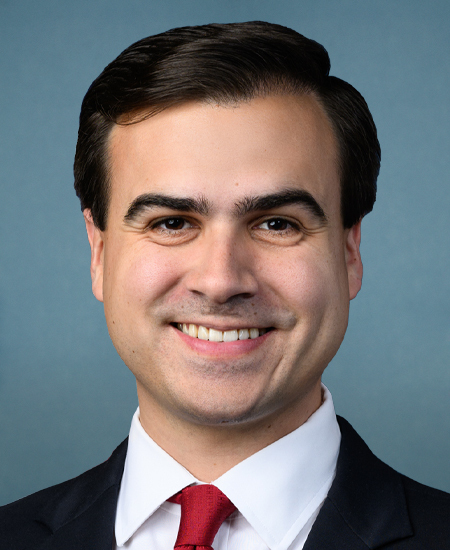
Clay Fuller
Clay Fuller House · District 14
R
Strong +
86% 55
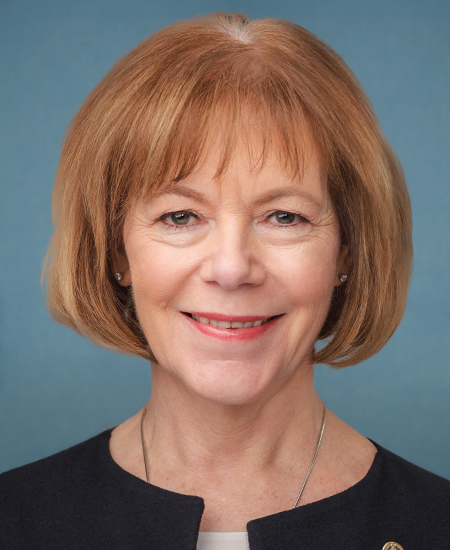
Tina Smith
Tina Smith Senate
D
Strong +
83% 251
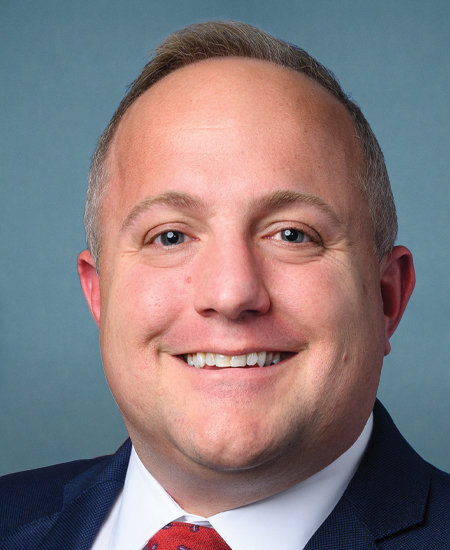
Andrew Ogles
Andrew Ogles House · District 5
R
Strong +
83% 175
Russell Fry
Russell Fry House · District 7
R
Strong +
82% 186
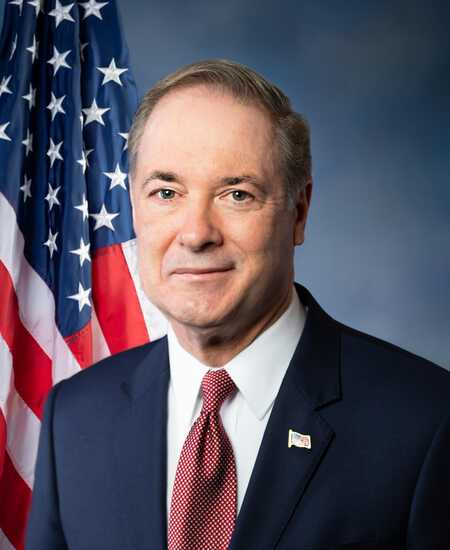
John Joyce
John Joyce House · District 13
R
Strong +
82% 185
Eleanor Holmes Norton
Eleanor Holmes Norton House · District At-Large
D
Strong −
0% 46
Pablo José Hernández
Pablo José Hernández House · District At-Large
D
Strong −
7% 46
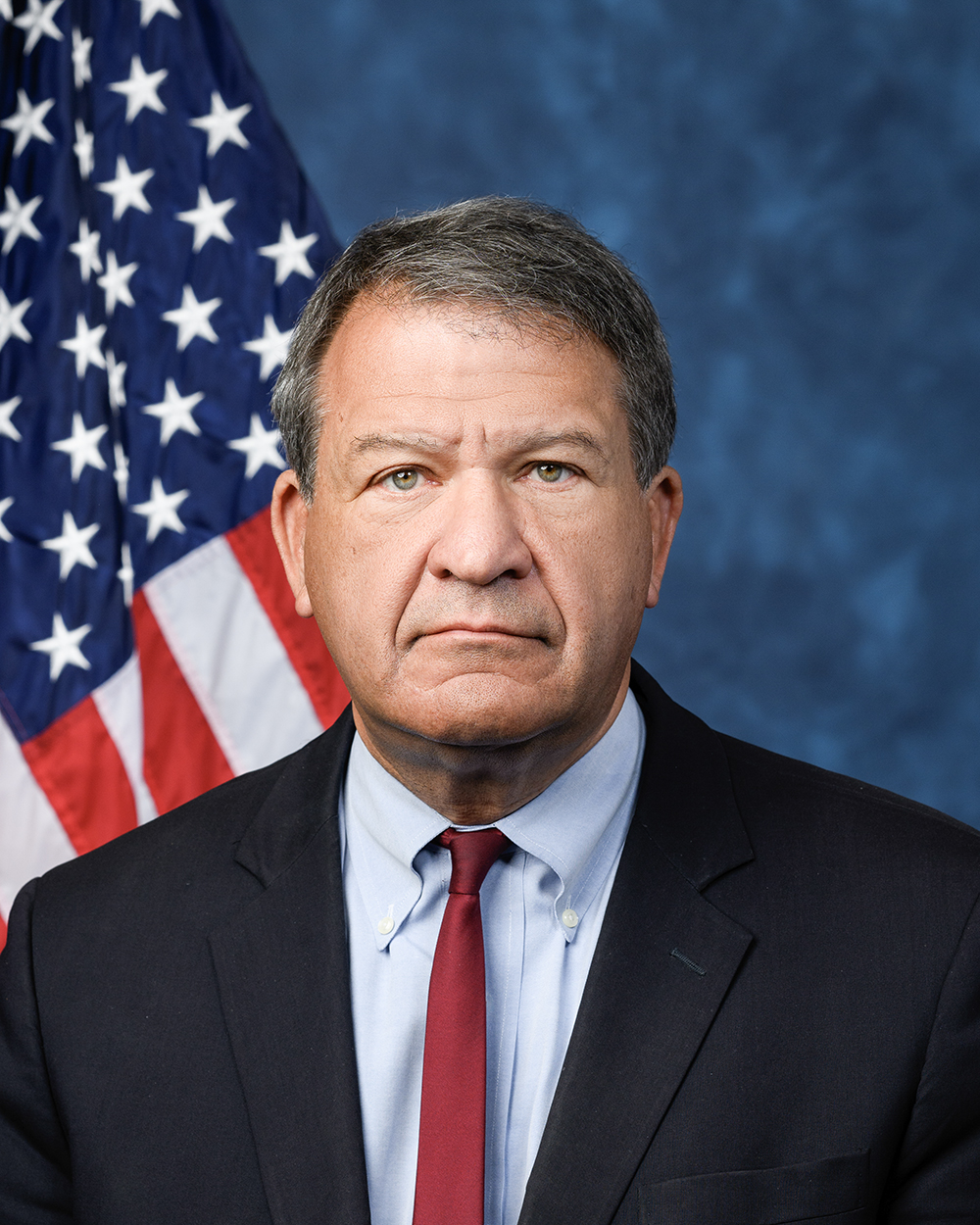
George Latimer
George Latimer House · District 16
D
Strong −
14% 181
Analilia Mejia
Analilia Mejia House · District 11
D
Strong −
14% 52
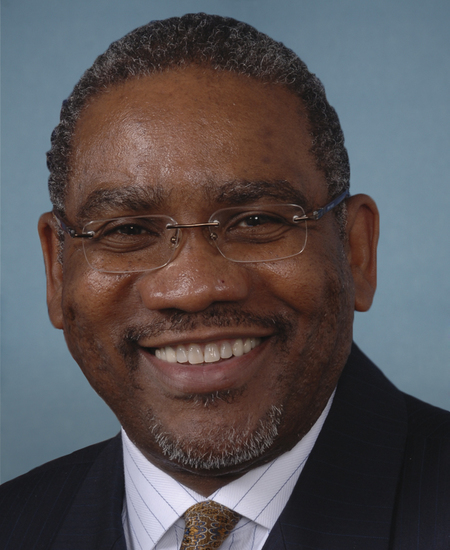
Gregory W. Meeks
Gregory W. Meeks House · District 5
D
Strong −
14% 181
Showing 2,161–2,170 of 2,349 bills

All budget & taxes bills

in committee · United States · Senate Feb 12, 2026

S 3884: Small Business ICE Disruption Fund Act

This bill creates a $200 million fund for small businesses that suffered at least a 25% revenue loss due to recent federal immigration enforcement actions in their area. Eligible businesses must be small (as defined by the Small Business Act), not operate over 15 locations, and not be publicly traded. Grants cover verified revenue losses up to $1 million total per business or $500,000 per physical location, with applicants certifying they haven’t received other compensation for these losses. The fund, available for fiscal year 2026, requires fraud checks including tax verification and database cross-referencing during applications.
Tags Small Business
in committee · United States · Senate Jan 7, 2026

S 3594: Nutrition Administration Assistance Act of 2026

S 3594, the Nutrition Administration Assistance Act of 2026, provides additional federal funding to help state agencies cover administrative costs for three nutrition programs. It allocates 70% of the new funds to the Commodity Supplemental Food Program (CSFP), 20% to the Emergency Food Assistance Program (TEFAP), and 10% to the Senior Farmers’ Market Nutrition Program (SFMNP). The bill authorizes $1 million annually from fiscal years 2026 through 2030 specifically for these state-level administrative expenses. This directly affects state agencies managing these programs, ensuring they have dedicated resources to operate efficiently.
in committee · United States · Senate Dec 16, 2025

S 3503: Wildlife Road Crossing Program Reauthorization Act of 2025

This bill reauthorizes a federal program that funds wildlife crossings - structures like overpasses or underpasses designed to help animals safely cross roads - through fiscal years 2027 to 2031. It authorizes $200 million annually from the Highway Trust Fund to support these projects, directly affecting state and tribal governments, local agencies, and conservation groups that apply for grants. Key provisions include making the program permanent (removing "pilot" language), requiring 100% federal funding for tribal projects, and dedicating 0.5% of annual funds to provide tribal technical assistance for faster project approval and funding access. The bill also allows the federal government to retain up to 0.5% of funds for administrative tasks like grant reviews and project oversight.
in committee · United States · Senate Apr 30, 2025

S 1536: Building Ships in America Act of 2025

The Building Ships in America Act of 2025 creates a tax credit for investments in U.S. shipbuilding, equal to 33% of the cost of building qualifying vessels, with potential additional credits (up to 5% for U.S. insurance and 2% for U.S. classification standards). To qualify, vessels must be U.S. flag cargo ships built in the U.S., operating in U.S. foreign trade, meeting specific safety requirements, and operating under a 10-year agreement with the Maritime Administration. The bill also establishes a separate credit for shipyard construction and excludes certain maritime security payments from taxable income. These provisions aim to strengthen the U.S. maritime industry by making domestic shipbuilding more economically attractive while meeting national security requirements.
in committee · United States · Senate Mar 26, 2025

S 1144: PHIT Act of 2025

The PHIT Act of 2025 (S 1144) allows taxpayers to deduct certain fitness expenses as medical costs on federal income taxes. It covers gym memberships, exercise classes, and fitness equipment (up to $1,000 per person annually, or $2,000 for joint filers), provided the expenses are exclusively for physical activity. Equipment must be used solely for exercise (e.g., athletic shoes worn only for activity), and facilities must meet strict criteria like excluding golf/sailing and complying with anti-discrimination laws. The bill aims to reduce financial barriers to healthy habits by making these costs tax-deductible for eligible taxpayers who itemize deductions.
in committee · United States · House Apr 1, 2025

HR 2566: End Taxpayer Subsidies for Electric Vehicles Act

HR 2566, the "End Taxpayer Subsidies for Electric Vehicles Act," would repeal the federal tax credit that currently allows consumers to reduce their income tax when purchasing new electric vehicles. This credit, known as the clean vehicle credit under Section 30D of the Internal Revenue Code, has directly affected buyers of qualifying electric vehicles by lowering their purchase costs. The bill removes this credit entirely, meaning future buyers would no longer receive this tax benefit for new electric vehicle purchases. The repeal would apply to vehicles placed in service after the bill's enactment date, with minor technical adjustments to other tax code sections referencing the repealed credit.
in committee · United States · Senate Feb 3, 2026

S 3761: Student Loan Bond Expansion Act of 2026

S 3761, the Student Loan Bond Expansion Act of 2026, modifies federal tax rules to make it easier for states and local governments to issue bonds that fund student loans. The bill exempts "qualified student loan bonds" from two key restrictions: the annual limit on tax-exempt bond issuance (volume cap) and the alternative minimum tax calculation. This change allows more such bonds to be issued without triggering these tax rules, directly benefiting state or local entities that issue these bonds to support student loan programs. The law applies to bonds issued after the bill's enactment date.
in committee · United States · Senate Feb 6, 2025

S 467: End Double Taxation of Successful Consumer Claims Act

This bill creates a tax deduction for attorney fees paid in consumer protection lawsuits where a defendant is found liable for violating specific federal or state consumer laws. It directly affects consumers who win such cases and their attorneys, by allowing them to deduct these fees from taxable income instead of paying tax on them. The key provision amends the tax code to add an "above-the-line" deduction for fees related to violations of laws like the Truth in Lending Act, Fair Debt Collection Practices Act, and Fair Credit Reporting Act. This change removes a tax burden on the portion of settlement awards covering legal costs, ensuring consumers keep more of their recovery.
Tags Consumer Protection
in committee · United States · House Mar 3, 2025

HR 1771: Improper Payments Transparency Act

HR 1771, the Improper Payments Transparency Act, requires federal agencies to include detailed explanations of improper payments in the President's annual budget. It directly affects executive agencies that already report improper payments under existing law (specifically under Chapter 33, Subchapter IV of the U.S. Code). The bill mandates agencies provide a narrative explaining *why* improper payment amounts and rates changed (or didn't change) for specific programs over the past three years, plus details on incomplete corrective actions and future steps to address these issues. This aims to increase transparency about government payment errors by making specific, factual data publicly available in the budget submission.
Sub-Topics Appropriations Tags Government Transparency
in committee · United States · House Feb 12, 2025

HR 1264: USA Batteries Act

The USA Batteries Act (HR 1264) eliminates federal excise taxes on lead oxide, antimony, and sulfuric acid - key chemicals used in domestic lead battery manufacturing. This change directly affects U.S. battery manufacturers, particularly those producing lead-acid batteries, by removing a tax burden not applied to imported batteries. The bill amends the Internal Revenue Code to strike these chemicals from the Superfund tax table, aiming to reduce production costs for American manufacturers. This policy shift targets a specific tax provision to improve competitiveness in the domestic lead battery industry.
Showing 2,161 to 2,170 of 2,349 bills