

Issue · Budget & Taxes
Budget & Taxes
Every budget & taxes bill, vote, and legislator stance in United States, automatically classified by Maddy, our AI policy reader.
Total bills
2,349
119th Congress
Top supporter
Clay Fuller
86% support rate
Top opponent
Eleanor Holmes Norton
0% support rate
Ranked legislators
10
5 support · 5 oppose
Key legislators
Who's moving budget & taxes in United States
| Legislator | Party | Stance | Support rate | Votes |
|---|---|---|---|---|
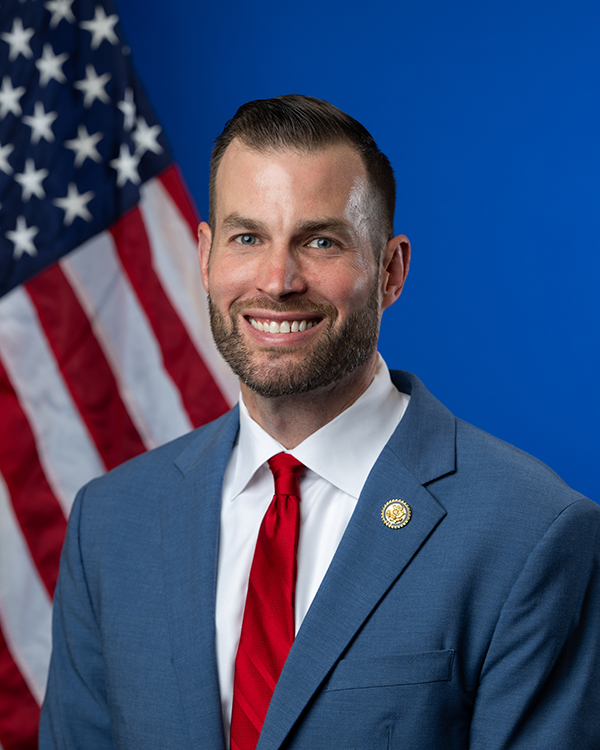
Clay Fuller
House · District 14
|
R |
Strong +
|
86% | 55 |

Tina Smith
Senate
|
D |
Strong +
|
83% | 251 |

Andrew Ogles
House · District 5
|
R |
Strong +
|
83% | 175 |
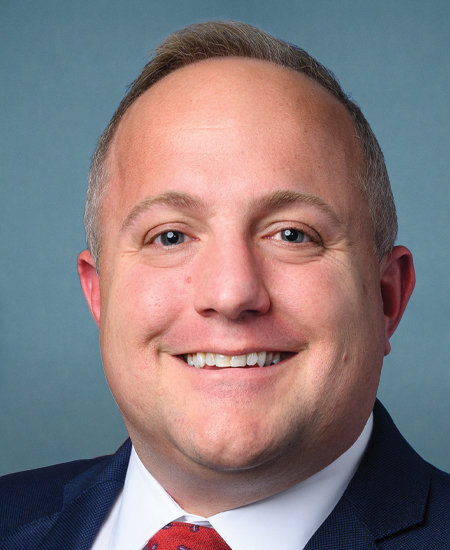
Russell Fry
House · District 7
|
R |
Strong +
|
82% | 186 |
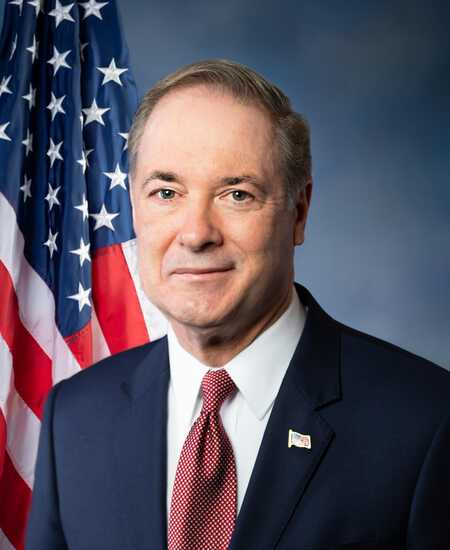
John Joyce
House · District 13
|
R |
Strong +
|
82% | 185 |

Eleanor Holmes Norton
House · District At-Large
|
D |
Strong −
|
0% | 46 |

Pablo José Hernández
House · District At-Large
|
D |
Strong −
|
7% | 46 |
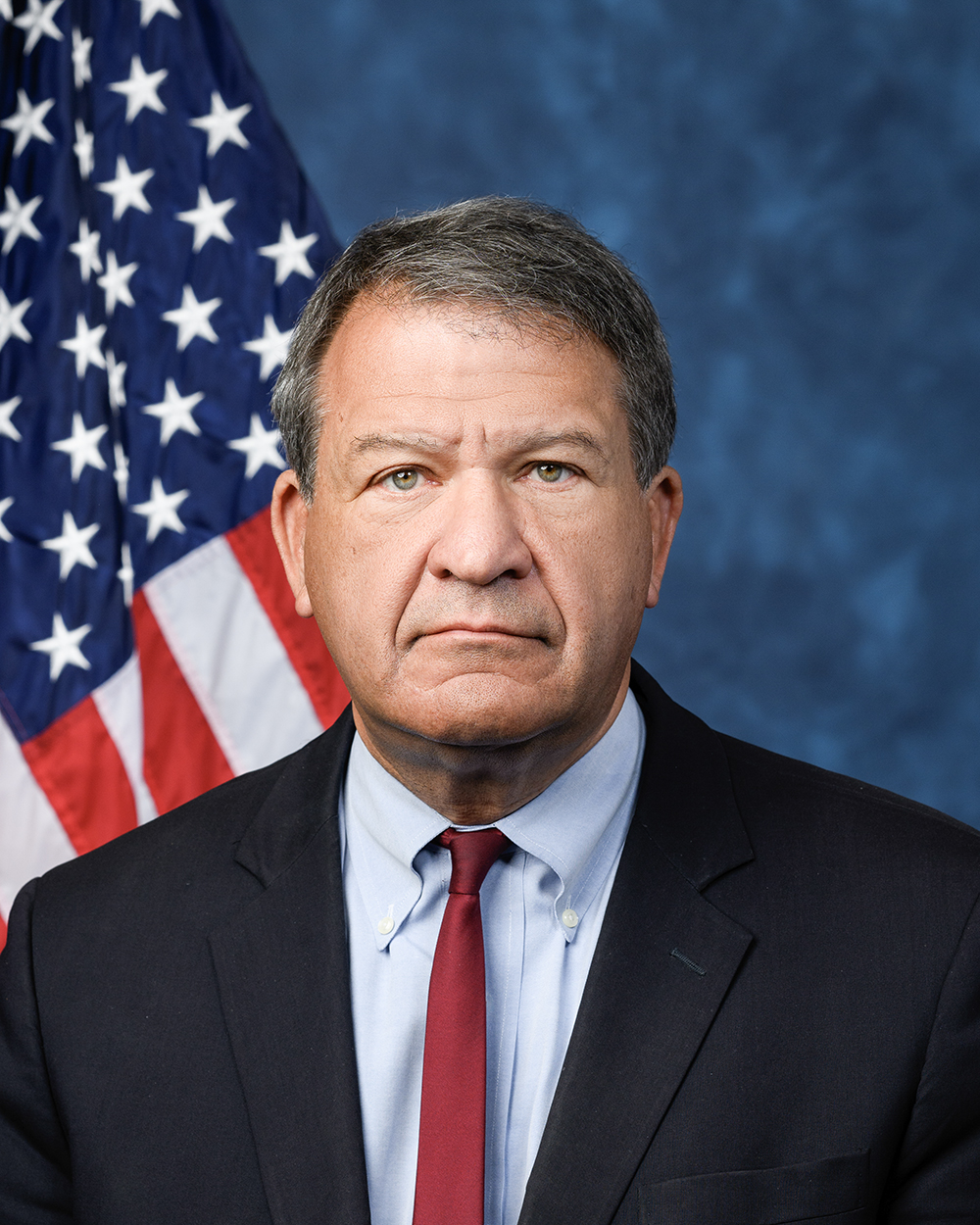
George Latimer
House · District 16
|
D |
Strong −
|
14% | 181 |
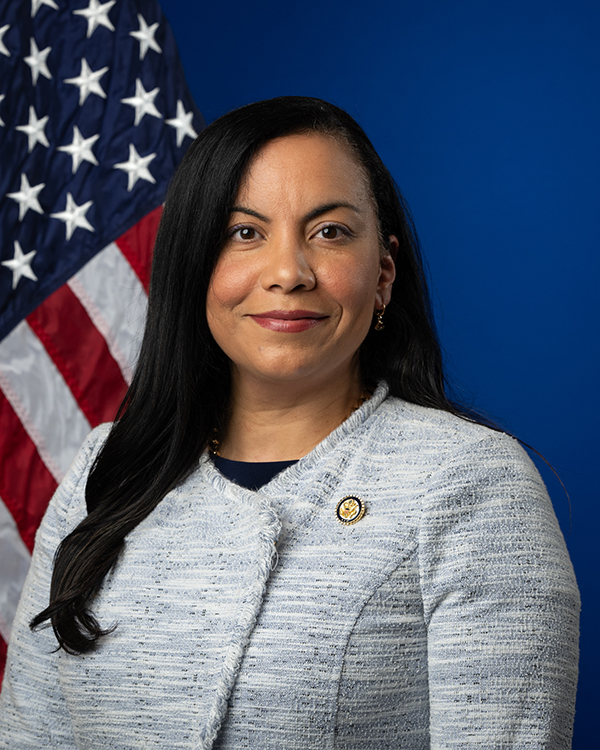
Analilia Mejia
House · District 11
|
D |
Strong −
|
14% | 52 |
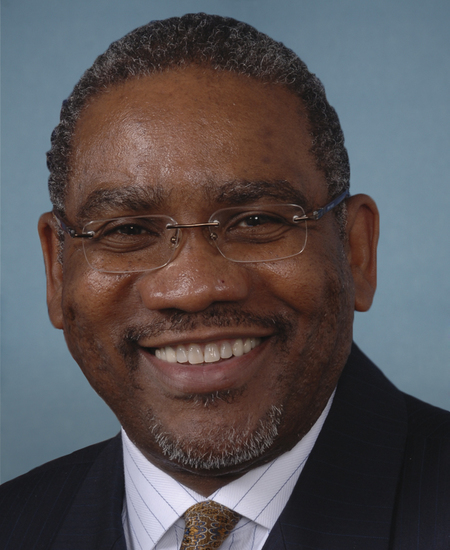
Gregory W. Meeks
House · District 5
|
D |
Strong −
|
14% | 181 |
Showing 2,151–2,160 of 2,349
bills
All budget & taxes bills
HR 3140: Stop Subsidizing Multimillion Dollar Corporate Bonuses Act
Sub-Topics
Business Taxes
SJRES 94: A joint resolution proposing an amendment to the Constitution of the United States requiring Members of Congress to forfeit their compensation during Government shutdowns.
S 3531: A bill to amend the Internal Revenue Code of 1986 to establish a tax credit for qualified combined heat and power system property, and for other purposes.
Topics
✓ Budget & TaxesSupports Budget & TaxesBill creates a 10% federal tax credit for businesses installing qualified CHP systems, directly providing tax relief through tax policy to advance energy efficiency goals.
✓ EnergySupports EnergyBill provides 10% tax credit for efficient CHP systems (60%+ overall efficiency), directly promoting energy efficiency and clean energy infrastructure adoption per legislative intent.
✓ EnvironmentSupports EnvironmentBill provides tax credit for CHP systems (60%+ efficiency), promoting energy efficiency and reducing emissions through clean energy adoption.
Sub-Topics
Tax Credits
S 3325: Expanding Access to Affordable Drugs and Medical Devices Act
Topics
✓ Budget & TaxesSupports Budget & TaxesCreates tax-exempt status for nonprofits promoting affordable drugs, providing targeted tax relief per Budget & Taxes topic indicators.
✓ HealthcareSupports HealthcareCreates tax-exempt status for nonprofits manufacturing affordable drugs/devices, addressing shortages/public health emergencies to improve patient access.
S 3276: UNtaxed Act
Topics
✗ Budget & TaxesOpposes Budget & TaxesBill blocks U.S. funding for UN carbon tax initiatives, directly restricting government spending on international tax programs.
✗ EnergyOpposes EnergyBill blocks UN carbon tax implementation and restricts U.S. funding for global climate initiatives, limiting international clean energy cooperation.
✗ EnvironmentOpposes EnvironmentBill blocks U.S. funding for UN global carbon tax initiatives (targeting vessel emissions), directly defunding climate action efforts. Explicitly restricts implementation of carbon pricing mechanisms.
HR 4514: Local Journalism Sustainability Act
Topics
✓ Budget & TaxesSupports Budget & TaxesCreates tax credits for individuals and publishers to support local journalism, aligning with tax relief and funding public service initiatives.
✓ Labor & EmploymentSupports Labor & EmploymentPayroll tax credit for hiring local journalists directly incentivizes employment in news sector, advancing workforce opportunities per bill's language.
Sub-Topics
Tax Credits
HR 2584: Protect TANF Resources for Families Act
Sub-Topics
Appropriations
HR 405: Keep Every Extra Penny Act of 2025
Topics
✓ Budget & TaxesSupports Budget & TaxesExcludes overtime pay from taxable income for FLSA-protected hourly workers, providing direct tax relief to middle/lower income earners under tax code changes.
✓ Labor & EmploymentSupports Labor & EmploymentExcludes overtime pay from taxable income under FLSA, increasing take-home pay for hourly workers and strengthening wage protections per Labor & Employment policy focus.
HJRES 25: Providing for congressional disapproval under chapter 8 of title 5, United States Code, of the rule submitted by the Internal Revenue Service relating to "Gross Proceeds Reporting by Brokers That Regularly Provide Services Effectuating Digital Asset Sales".
Topics
✗ Budget & TaxesOpposes Budget & TaxesBill nullifies IRS rule requiring digital asset transaction reporting, weakening tax enforcement and reducing potential tax revenue collection.
✗ TechnologyOpposes TechnologyBill nullifies IRS rule requiring DeFi brokers to report digital asset sales data, reducing regulatory oversight on digital asset transactions.
Sub-Topics
Emerging Technology