

Issue · Budget & Taxes
Budget & Taxes
Every budget & taxes bill, vote, and legislator stance in United States, automatically classified by Maddy, our AI policy reader.
Total bills
2,352
119th Congress
Top supporter
Clay Fuller
87% support rate
Top opponent
Eleanor Holmes Norton
0% support rate
Ranked legislators
10
5 support · 5 oppose
Key legislators
Who's moving budget & taxes in United States
| Legislator | Party | Stance | Support rate | Decisive votes |
|---|---|---|---|---|

Clay Fuller
House · District 14
|
R |
Strong +
|
87% | 46 |
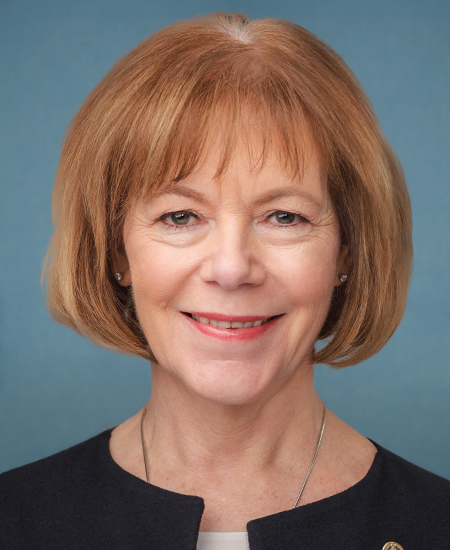
Tina Smith
Senate
|
D |
Strong +
|
83% | 77 |

Andrew Ogles
House · District 5
|
R |
Strong +
|
83% | 65 |

Aaron Bean
House · District 4
|
R |
Strong +
|
83% | 69 |
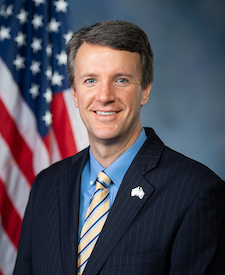
Ben Cline
House · District 6
|
R |
Strong +
|
83% | 69 |

Eleanor Holmes Norton
House · District At-Large
|
D |
Strong −
|
0% | 26 |
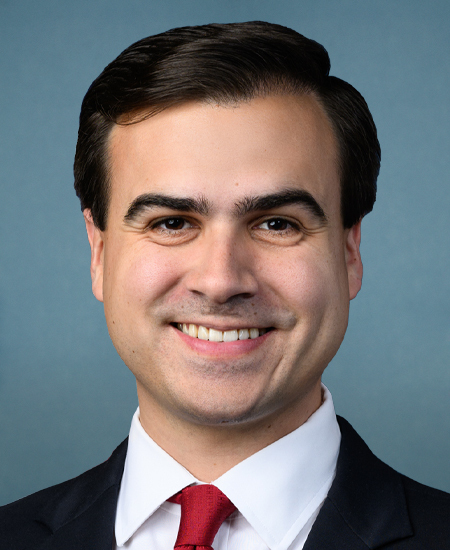
Pablo José Hernández
House · District At-Large
|
D |
Strong −
|
7% | 28 |

Analilia Mejia
House · District 11
|
D |
Strong −
|
13% | 45 |
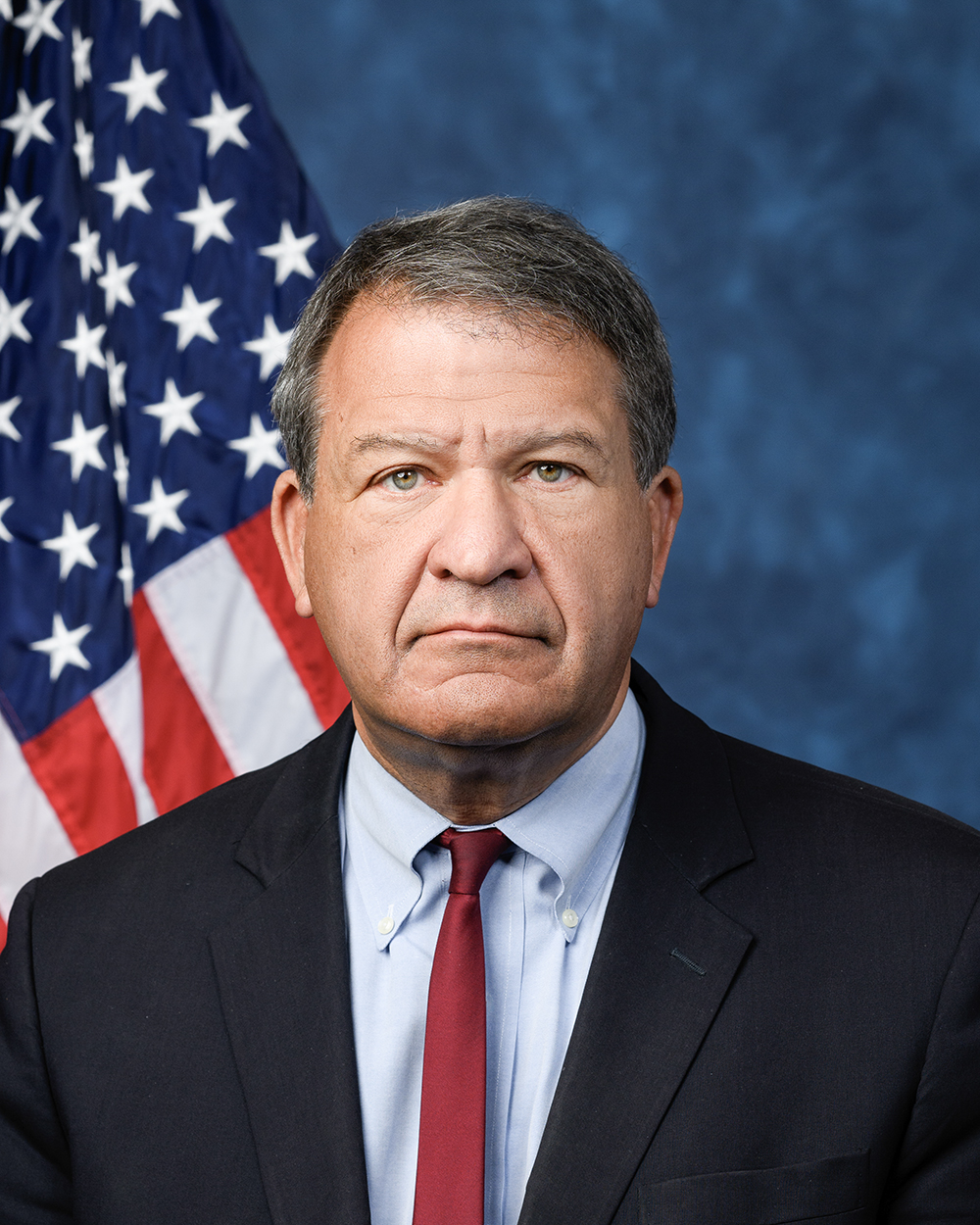
George Latimer
House · District 16
|
D |
Strong −
|
13% | 67 |
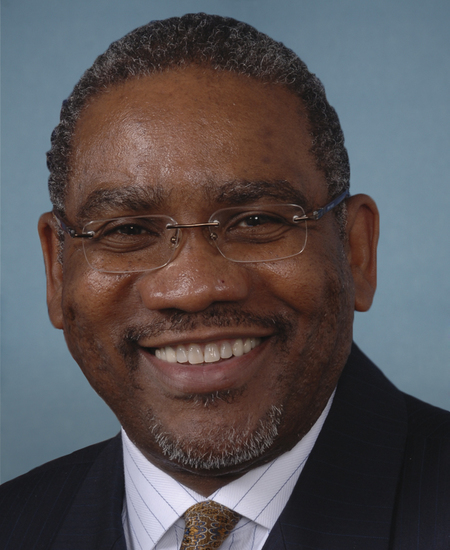
Gregory W. Meeks
House · District 5
|
D |
Strong −
|
14% | 66 |
Showing 2,081–2,090 of 2,352
bills
All budget & taxes bills
HR 111: To amend the Internal Revenue Code of 1986 to allow an above-the-line deduction for health insurance premiums.
Topics
✓ Budget & TaxesSupports Budget & TaxesProvides tax relief for self-employed by creating an above-the-line health insurance deduction, reducing taxable income.
✓ HealthcareSupports HealthcareEnables tax savings on health insurance premiums, increasing affordability and access to coverage for individuals and families.
HR 6872: Holiday Bonus Tax Relief Act of 2025
Topics
✓ Budget & TaxesSupports Budget & TaxesProvides direct tax relief by excluding $2,500 holiday bonuses from taxable income, reducing employee tax burden per bill's explicit tax exclusion provision.
✓ Labor & EmploymentSupports Labor & EmploymentTax-free bonus allowance increases take-home pay for workers, expanding compensation benefits without altering employer obligations.
Sub-Topics
Income Tax
HR 1506: SWIM Act of 2025
S 2783: Learn and Serve America Reinvestment Act
Topics
✓ Budget & TaxesSupports Budget & TaxesBill allocates $40M annually for service-learning programs, increasing government spending on education initiatives.
✓ EducationSupports EducationIncreases $40M annual funding for school service-learning programs, expands district eligibility for grants, directly advancing educational access and programming.
S 2596: Saving the Forest Service's Workforce Act
Topics
✓ Budget & TaxesSupports Budget & TaxesPrevents layoffs by requiring full funding for FY2026, protecting existing government spending on Forest Service workforce without tax changes.
✓ Labor & EmploymentSupports Labor & EmploymentPrevents layoffs for Forest Service employees, protecting job security and employment standards per bill's moratorium on workforce reductions.
S 2494: Hire Student Veterans Act
Topics
✓ Budget & TaxesSupports Budget & TaxesExpands Work Opportunity Tax Credit for employers hiring veterans with VA benefits, directly reducing federal tax burden. Provides tax relief via credit expansion.
✓ EducationSupports EducationExpands educational access for veterans using GI Bill benefits by incentivizing employers to hire them while studying, directly supporting higher education access.
✓ Labor & EmploymentSupports Labor & EmploymentExpands tax credits for employers hiring veterans using VA benefits, promoting employment opportunities for this group.
✓ VeteransSupports VeteransExpands Work Opportunity Tax Credit for employers hiring veterans using VA educational benefits, directly supporting veteran employment and education transition.
HR 6758: UPLIFT Act
Sub-Topics
Tax Credits
HR 3330: Energy Freedom Act
Topics
✗ Budget & TaxesOpposes Budget & TaxesRepeals multiple clean energy tax credits, eliminating incentives for individuals/businesses. Directly reduces tax benefits under Budget & Taxes.
✗ EnergyOpposes EnergyRepeals tax credits for clean energy, renewables, and efficiency, eliminating financial incentives that support these areas.
✗ EnvironmentOpposes EnvironmentBill repeals tax credits for clean energy, renewable energy, and energy efficiency, removing key financial incentives that support environmental protection and climate goals. This directly weakens adoption of sustainable practices.
✗ HousingOpposes HousingRepeals tax credits for energy-efficient buildings and residential improvements, removing incentives that lower housing energy costs and support affordability. Weakens a key component of affordable housing initiatives.
✗ TransportationOpposes TransportationRepeals tax credits for clean vehicles, eliminating incentives that support sustainable transportation adoption and reducing financial support for clean vehicle programs.
HR 2085: Mental Health Research Accelerator Act of 2025
Topics
✓ Budget & TaxesSupports Budget & TaxesBill creates 25% tax credit for mental health/neurodegenerative research with $2B annual funding limit (2027-2030), directly using tax policy to fund research through budgeted tax expenditure.
✓ HealthcareSupports HealthcareProvides 25% tax credits for mental health research on psychiatric/neurodegenerative conditions, directly funding and advancing mental health services through research incentives.