

Issue · Budget & Taxes
Budget & Taxes
Every budget & taxes bill, vote, and legislator stance in United States, automatically classified by Maddy, our AI policy reader.
Total bills
2,352
119th Congress
Top supporter
Clay Fuller
87% support rate
Top opponent
Eleanor Holmes Norton
0% support rate
Ranked legislators
10
5 support · 5 oppose
Key legislators
Who's moving budget & taxes in United States
| Legislator | Party | Stance | Support rate | Decisive votes |
|---|---|---|---|---|
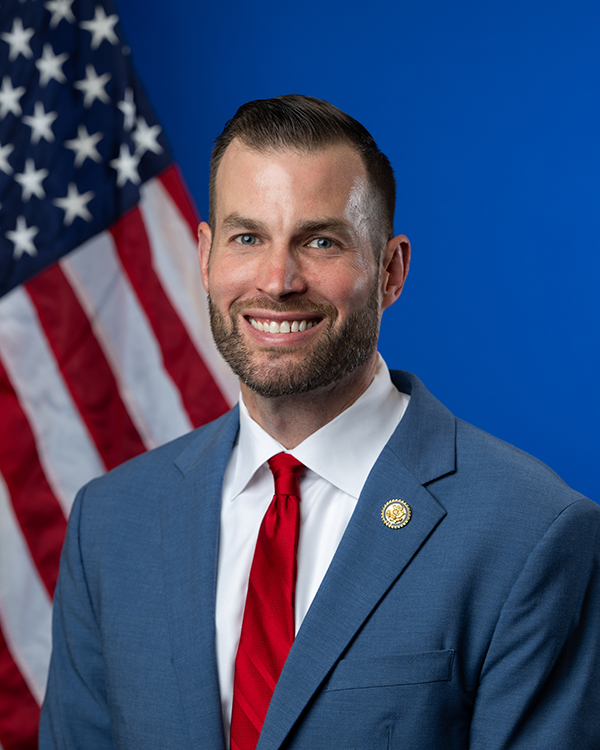
Clay Fuller
House · District 14
|
R |
Strong +
|
87% | 46 |
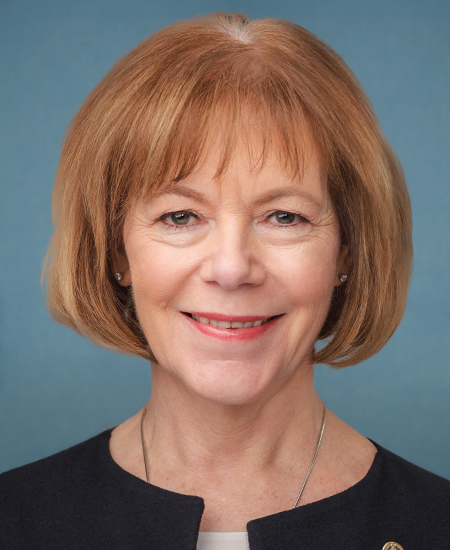
Tina Smith
Senate
|
D |
Strong +
|
83% | 77 |

Andrew Ogles
House · District 5
|
R |
Strong +
|
83% | 65 |

Aaron Bean
House · District 4
|
R |
Strong +
|
83% | 69 |
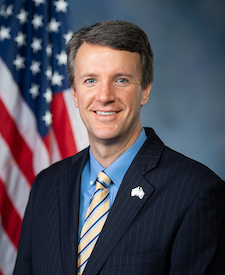
Ben Cline
House · District 6
|
R |
Strong +
|
83% | 69 |

Eleanor Holmes Norton
House · District At-Large
|
D |
Strong −
|
0% | 26 |
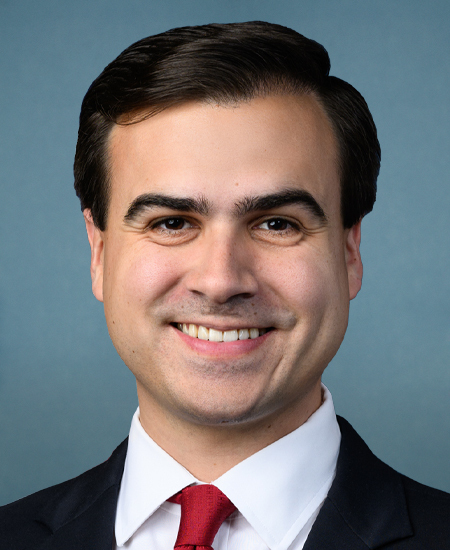
Pablo José Hernández
House · District At-Large
|
D |
Strong −
|
7% | 28 |

Analilia Mejia
House · District 11
|
D |
Strong −
|
13% | 45 |
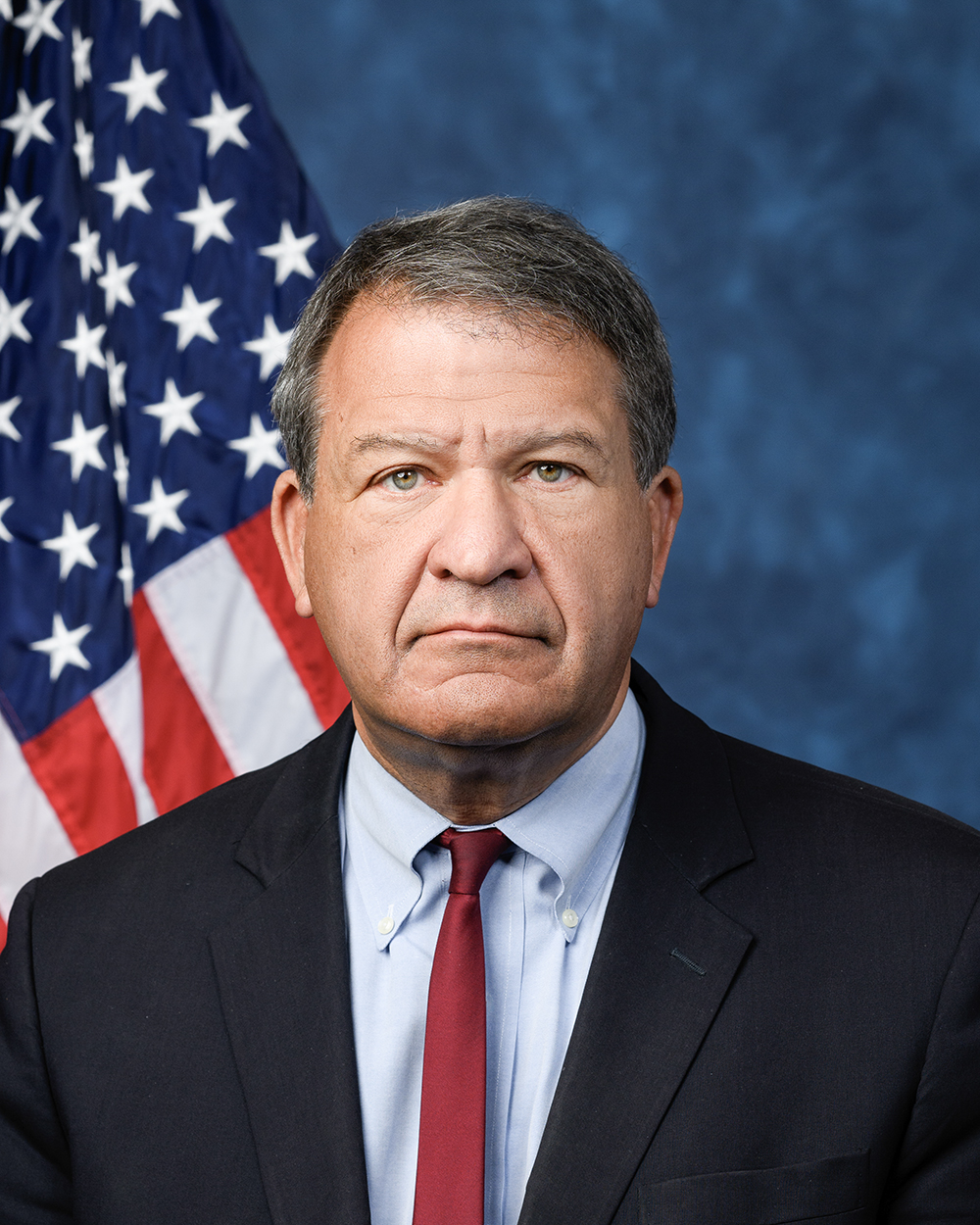
George Latimer
House · District 16
|
D |
Strong −
|
13% | 67 |
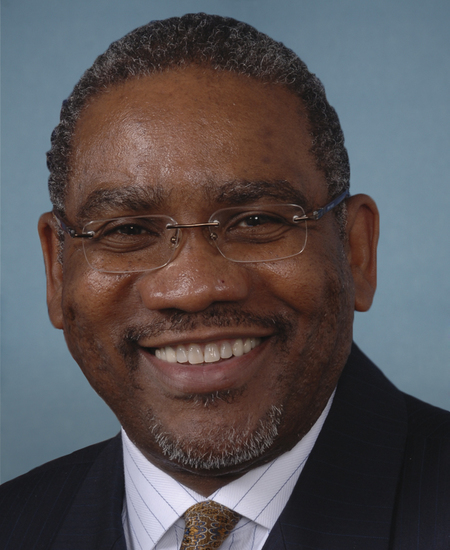
Gregory W. Meeks
House · District 5
|
D |
Strong −
|
14% | 66 |
Showing 2,071–2,080 of 2,352
bills
All budget & taxes bills
S 3261: Human Trafficking Survivor Tax Relief Act
Topics
✓ Budget & TaxesSupports Budget & TaxesExempts human trafficking survivor awards from federal taxation, providing direct tax relief to vulnerable individuals as specified in IRC § 139M.
✓ Criminal JusticeSupports Criminal JusticeExempts human trafficking survivors' restitution from taxes, aiding victim recovery and aligning with civil rights protections in criminal justice reform.
S 3534: A bill to amend the Internal Revenue Code of 1986 to provide a credit for increasing wages paid to child care providers.
Topics
✓ Budget & TaxesSupports Budget & TaxesBill provides 5-7% tax credit to child care employers for wage increases, reducing federal tax liability and incentivizing wage growth in essential childcare sector.
✓ Labor & EmploymentSupports Labor & EmploymentBill provides tax credit for wage increases to child care workers, directly advancing worker compensation through financial incentives for employers.
S 538: Eliminating Leftover Expenses for Campaigns from Taxpayers (ELECT) Act of 2025
HR 25: FairTax Act of 2025
Topics
✓ Budget & TaxesSupports Budget & TaxesReplaces income/payroll taxes with sales tax while providing rebates for lower-income households, aligning with tax relief for middle/lower income and fiscal responsibility indicators.
✗ HealthcareOpposes HealthcareRepeals payroll taxes funding Medicare (explicitly listed), without replacement healthcare funding, implying defunding of a major public health program. Aligns with 'defund public health initiatives' indicator.
S 2899: Rail Service Continuity and Stability Act of 2025
Topics
✓ Budget & TaxesSupports Budget & TaxesAuthorizes federal funding for Amtrak routes, increasing public service spending without tax changes
✓ TransportationSupports TransportationBill authorizes additional funding for Amtrak to maintain long-distance rail routes, protecting public transit services and preventing service cuts.
S 2444: End Polluter Welfare Act of 2025
Topics
✗ Budget & TaxesOpposes Budget & TaxesBill terminates fossil fuel tax credits, prohibits government funding for fossil fuels, and repeals subsidies. This reduces government spending and tax benefits for the industry, directly opposing budget/tax support for fossil fuels.
✓ EnergySupports EnergyBill eliminates fossil fuel subsidies and repeals related provisions, directly reducing dependence on fossil fuels per summary.
✓ EnvironmentSupports EnvironmentBill eliminates fossil fuel subsidies and terminates tax credits, directly reducing financial support for polluting industries and aligning with environmental protection goals by curbing fossil fuel production and pollution.
Sub-Topics
Oil & Gas
S 2022: Tribal Tax and Investment Reform Act of 2025
Topics
✓ Budget & TaxesSupports Budget & TaxesCreates $175M annual tax credit for tribal investments and establishes tax parity, promoting fiscal management through targeted tax incentives for tribal governments.
✓ Labor & EmploymentSupports Labor & EmploymentClarifies tribal employee benefits treated like state plans, strengthening protections for tribal workers' pension and benefit standards under employment frameworks.
S 1458: Adoption Tax Credit Refundability Act of 2025
HR 6390: Make Housing Affordable and Defend Democracy Act
Topics
✓ Budget & TaxesSupports Budget & TaxesCreates tax credits for homebuyers/renters, providing relief to middle/lower income households per bill's summary.
✓ HousingSupports HousingCreates tax credits for first-time buyers, starter homes under 80% median price, and renters paying >30% income to directly increase affordability and tenant relief.