Issue · Budget & Taxes

Budget & Taxes

Every budget & taxes bill, vote, and legislator stance in United States, automatically classified by Maddy, our AI policy reader.

Total bills
2,352
119th Congress
Top supporter
Clay Fuller
87% support rate
Top opponent
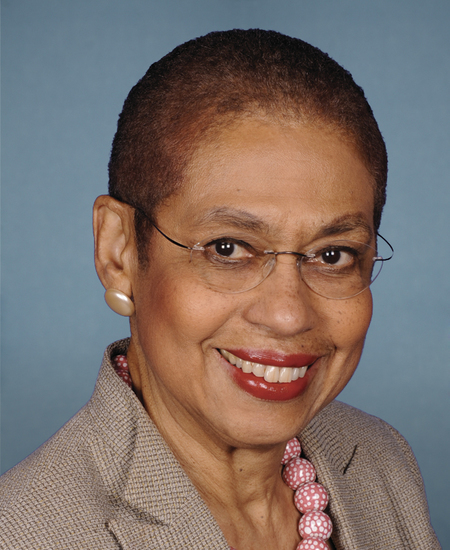
Eleanor Holmes Norton
0% support rate
Ranked legislators
10
5 support · 5 oppose
Key legislators

Who's moving budget & taxes in United States

Legislators moving budget & taxes in United States
Legislator Party Stance Support rate Decisive votes
Clay Fuller
Clay Fuller House · District 14
R
Strong +
87% 46
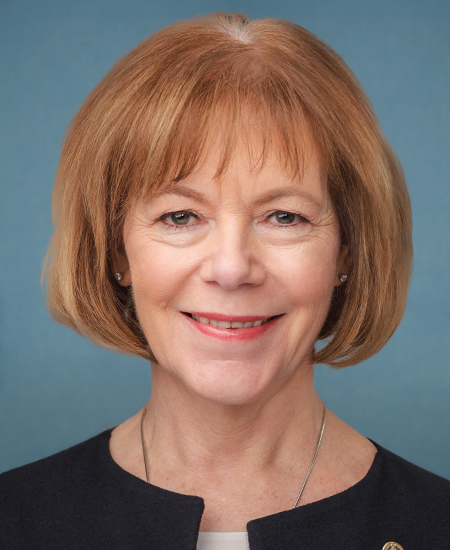
Tina Smith
Tina Smith Senate
D
Strong +
83% 77
Andrew Ogles
Andrew Ogles House · District 5
R
Strong +
83% 65
Aaron Bean
Aaron Bean House · District 4
R
Strong +
83% 69
Ben Cline
Ben Cline House · District 6
R
Strong +
83% 69
Eleanor Holmes Norton
Eleanor Holmes Norton House · District At-Large
D
Strong −
0% 26
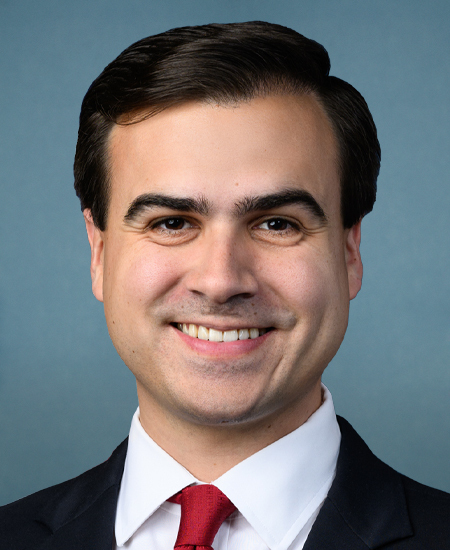
Pablo José Hernández
Pablo José Hernández House · District At-Large
D
Strong −
7% 28
Analilia Mejia
Analilia Mejia House · District 11
D
Strong −
13% 45
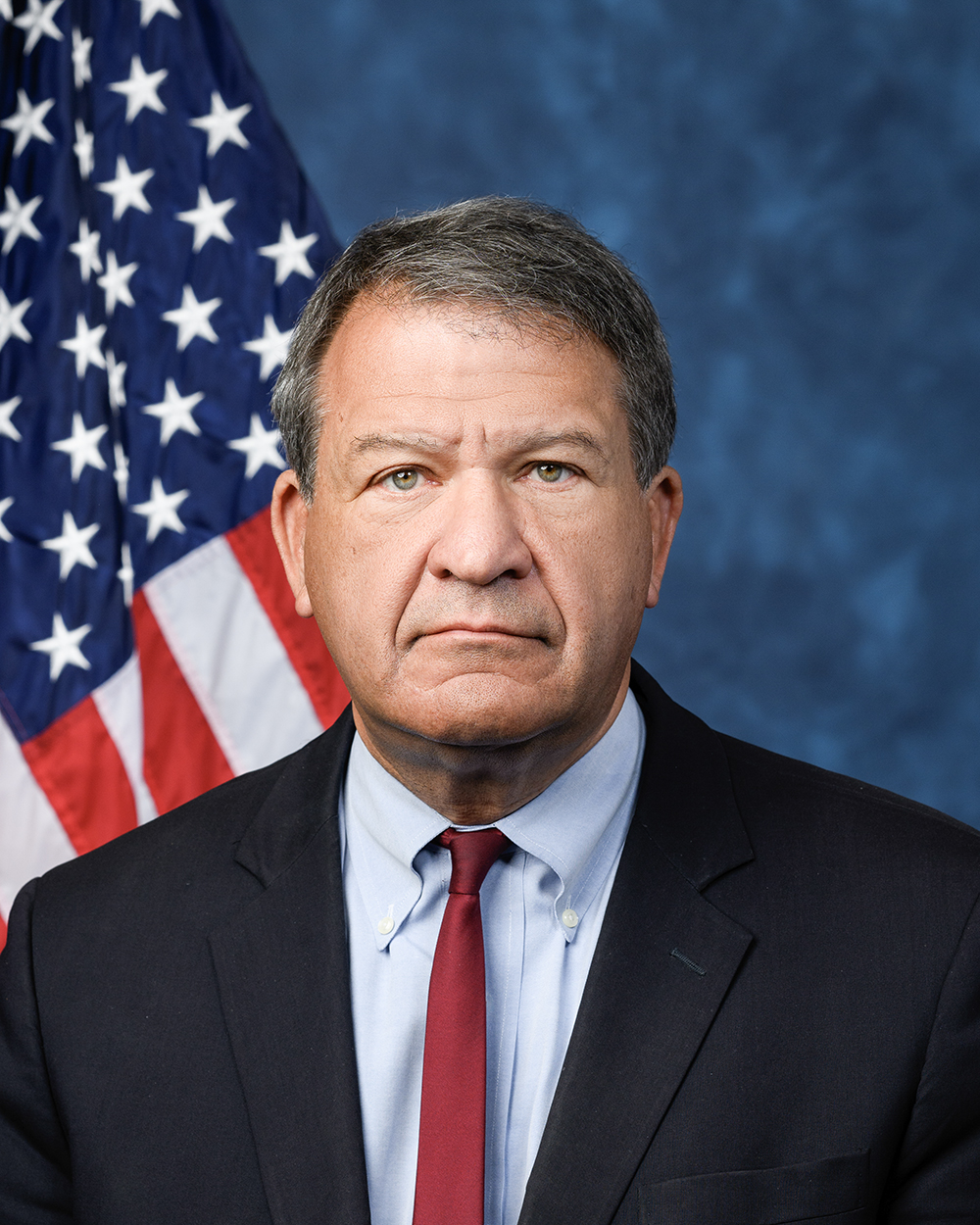
George Latimer
George Latimer House · District 16
D
Strong −
13% 67
Gregory W. Meeks
Gregory W. Meeks House · District 5
D
Strong −
14% 66
Showing 2,011–2,020 of 2,352 bills

All budget & taxes bills

in committee · United States · Senate Sep 17, 2025

S 2845: Billionaires Income Tax Act

The Billionaires Income Tax Act (S 2845) would require high-net-worth individuals with at least $1 billion in assets or $100 million in annual income (or $500 million/$50 million for married filing separately) to pay taxes annually on investment gains rather than deferring taxes until assets are sold. It implements "mark-to-market" taxation for tradable assets like stocks and closes loopholes that allow tax-free transfers of assets to heirs, eliminating strategies like "buy, borrow, die." The bill targets "applicable taxpayers" by requiring annual tax payments on investment gains and modifies special tax provisions for investments in small business stock and qualified opportunity funds. The law would apply to individuals meeting either the asset or income test for three consecutive years, with specific rules for married couples and trusts.
Sub-Topics Income Tax
in committee · United States · Senate Jul 29, 2025

S 2492: Fiscal Contingency Preparedness Act

S 2492, the Fiscal Contingency Preparedness Act, requires the Treasury Secretary and OMB Director to annually assess how the federal government would respond to major fiscal shocks like recessions, pandemics, natural disasters, cyberattacks, or financial crises. The bill mandates they evaluate both short-term and long-term fiscal impacts of these events, including historical responses. This assessment must be included in an existing annual Treasury report and will be reviewed annually by the Government Accountability Office (GAO). The law directly affects federal agencies responsible for fiscal planning (Treasury and OMB) and aims to improve preparedness for national economic disruptions.
in committee · United States · Senate Jan 29, 2025

S 311: ACE Act

The ACE Act expands 529 education savings accounts to cover elementary and secondary school expenses, including homeschooling, tutoring, educational therapies, and materials, for families enrolled in public, private, or religious schools. It increases the annual distribution limit from $10,000 to $20,000 for K-12 expenses and adds a $20,000 annual gift tax exclusion for contributions to these accounts. The bill also requires states with tax-exempt bonds for education to have school choice programs (like vouchers or scholarships) that meet specific eligibility and funding criteria. These provisions directly affect families using 529 plans for K-12 education and states administering education funding. The changes apply to distributions and gifts after 2026, with bond restrictions taking effect upon enactment.
in committee · United States · House Jan 15, 2026

HR 7115: Jumpstart Savings Act

The Jumpstart Savings Act creates a new tax-advantaged savings program for state-run accounts that help individuals save for career-specific training and expenses. It directly affects workers, apprentices, and students pursuing certified trades or occupations by allowing tax-free contributions to accounts covering costs like community college tuition, apprenticeship fees, certification exams, trade tools, and business startup expenses. The bill enables rollovers from existing 529 college savings plans into these accounts and requires states to administer the programs with reporting rules similar to current 529 plans. The program will apply to taxable years beginning after December 31, 2025, and is designed to support career advancement in regulated fields.
in committee · United States · House Jan 31, 2025

HR 904: No Tax on Social Security

HR 904, titled "No Tax on Social Security," would amend the tax code to exclude Social Security benefits from taxable income for future tax years. This change would directly affect millions of Social Security recipients, including retirees, disabled individuals, and survivors, who currently may pay federal income tax on a portion of their benefits. The bill includes a funding provision to appropriate money to Social Security trust funds, replacing revenue lost from the tax exclusion. The policy would take effect for taxable years beginning after the bill's enactment.
Sub-Topics Income Tax
in committee · United States · House Feb 6, 2025

HR 1070: Restoring Competitive Property Insurance Availability Act

HR 1070, the "Restoring Competitive Property Insurance Availability Act," creates a tax exclusion for property insurance companies operating in federally declared disaster areas. It excludes "qualified real property insurance income" (premiums minus allocable deductions) from taxable income for the first five years after a disaster (the "recovery period"). This applies specifically to non-life insurance companies that provided property insurance in the affected area before the disaster. The provision takes effect for disasters with incident dates after December 31, 2024, and covers both real property and personal property insured under the same policy.
in committee · United States · Senate Aug 6, 2026

S 2732: Bonuses for Cost-Cutters Act of 2025

The Bonuses for Cost-Cutters Act of 2025 creates a program to reward federal employees who identify unnecessary spending in agency budgets. Employees can report funds not required for agency operations (called "surplus salaries and expenses funds"), and agencies must verify these savings through their Inspector General or designated staff. If verified, agencies transfer the funds to the Treasury for deficit reduction, while retaining up to 10% of the amount to pay cash awards to the employees who identified the savings. Agencies must submit annual reports on savings and awards to the Treasury, which then shares this data with Congress. The program expires 6 years after enactment.
Sub-Topics Government Spending
in committee · United States · Senate Jul 24, 2025

S 2451: Pay Paraprofessionals and Support Staff Act

This bill establishes minimum salary ($45,000 annually for full-time) and wage ($30/hour for part-time) standards for paraprofessionals and education support staff in public schools. It authorizes $25 billion in federal funding for fiscal year 2026 with annual increases tied to inflation or 2%, to help states meet these requirements. States must submit implementation plans to ensure full-time staff meet the minimum salary and part-time staff meet the minimum wage within four years, with 98% of funds going directly to local school districts. The legislation directly affects school support staff, school districts, and state education agencies across the country.
in committee · United States · Senate May 1, 2025

S 1576: Stop Subsidizing Multimillion Dollar Corporate Bonuses Act

This bill amends the tax code to deny corporations a tax deduction for excessive executive bonuses paid to certain high-level employees. It expands the definition of "covered individual" to include more executives (such as those who performed services after 2024 or were top earners before 2025) and requires companies to meet specific SEC filing criteria. The change applies to tax years beginning after December 31, 2024, making large bonuses non-deductible for affected corporations. The policy directly impacts publicly traded companies that pay significant compensation to covered executives.
in committee · United States · Senate Jan 23, 2025

S 199: A bill to amend the Internal Revenue Code of 1986 to provide special rules for the taxation of certain residents of Taiwan with income from sources within the United States.

S 199 would create special tax rules for "qualified residents of Taiwan" with income from U.S. sources. It would lower tax rates on interest, dividends, and royalties from 30% to 10% (15% for some dividends), provide tax relief for certain wages paid to Taiwan residents working in the U.S., and exempt income from entertainment or athletic activities up to $30,000. The bill establishes specific requirements for entities to qualify for these benefits, including ownership and income criteria. It also creates a process for the U.S. to negotiate a formal tax agreement with Taiwan to further address double taxation concerns.
Showing 2,011 to 2,020 of 2,352 bills