Issue · Budget & Taxes

Budget & Taxes

Every budget & taxes bill, vote, and legislator stance in United States, automatically classified by Maddy, our AI policy reader.

Total bills
2,352
119th Congress
Top supporter
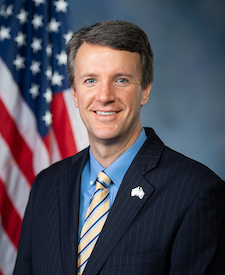
Clay Fuller
87% support rate
Top opponent
Eleanor Holmes Norton
0% support rate
Ranked legislators
10
5 support · 5 oppose
Key legislators

Who's moving budget & taxes in United States

Legislators moving budget & taxes in United States
Legislator Party Stance Support rate Decisive votes
Clay Fuller
Clay Fuller House · District 14
R
Strong +
87% 46
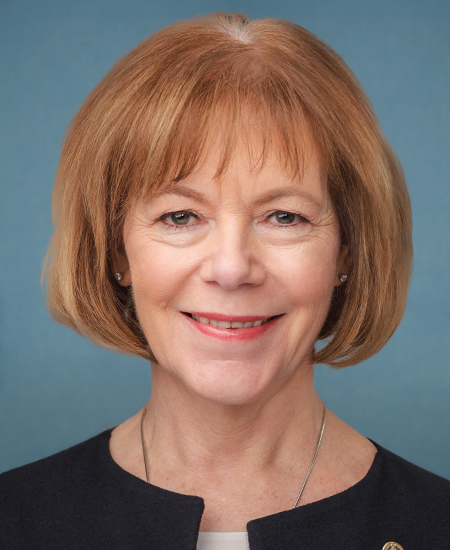
Tina Smith
Tina Smith Senate
D
Strong +
83% 77
Andrew Ogles
Andrew Ogles House · District 5
R
Strong +
83% 65
Aaron Bean
Aaron Bean House · District 4
R
Strong +
83% 69
Ben Cline
Ben Cline House · District 6
R
Strong +
83% 69
Eleanor Holmes Norton
Eleanor Holmes Norton House · District At-Large
D
Strong −
0% 26
Pablo José Hernández
Pablo José Hernández House · District At-Large
D
Strong −
7% 28
Analilia Mejia
Analilia Mejia House · District 11
D
Strong −
13% 45
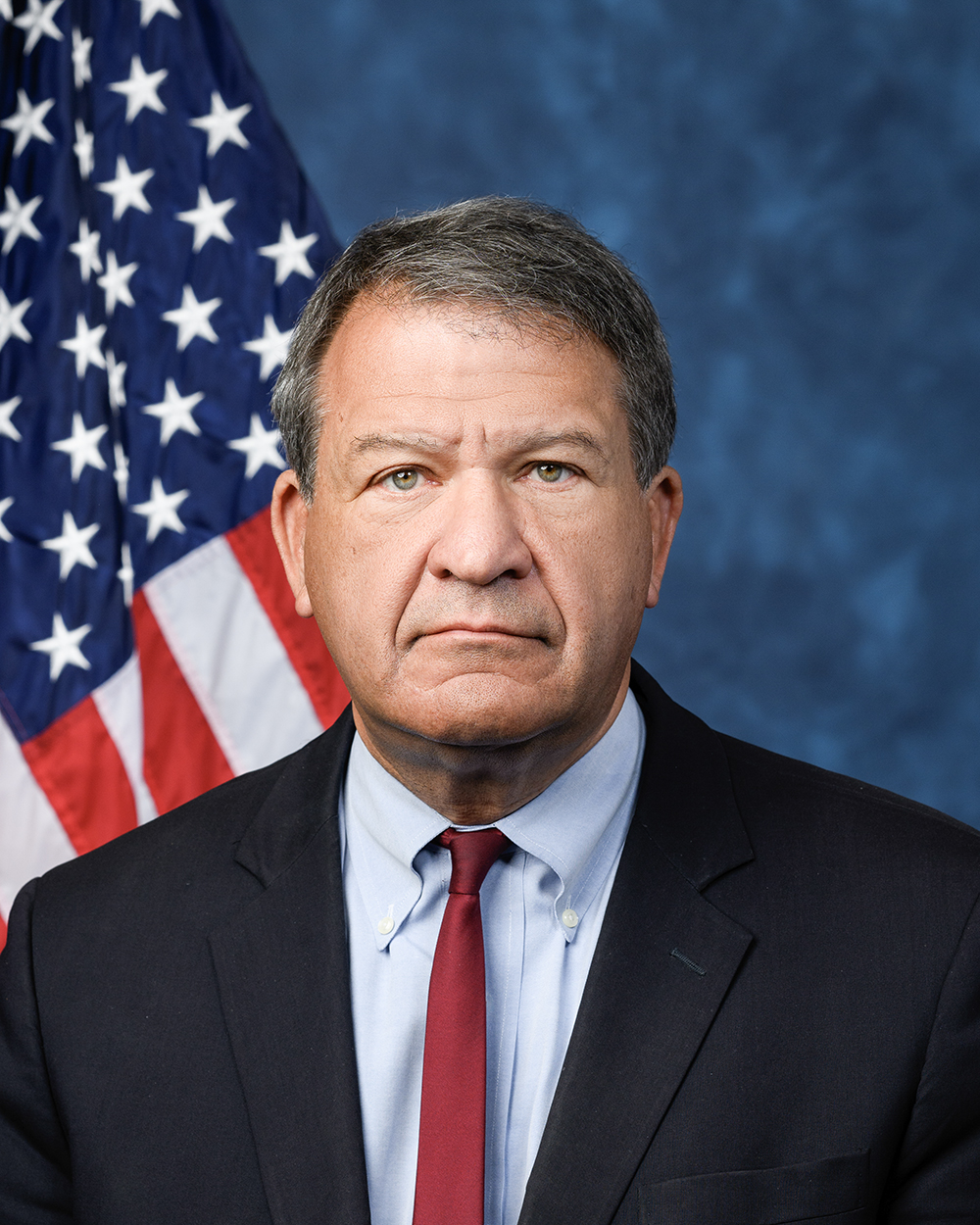
George Latimer
George Latimer House · District 16
D
Strong −
13% 67
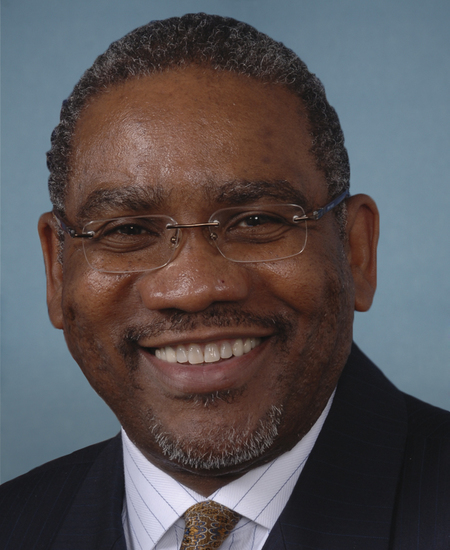
Gregory W. Meeks
Gregory W. Meeks House · District 5
D
Strong −
14% 66
Showing 2,021–2,030 of 2,352 bills

All budget & taxes bills

in committee · United States · House Jul 23, 2025

HR 4653: First-Time Parents Tax Credit Act

This bill creates a new $1,250 tax credit for first-time parents, doubling to $2,500 for joint filers. It directly affects parents who haven't claimed this credit before and have either: (1) a child born or adopted in the current year, or (2) a non-custodial parent with a child born/adopted the previous year. The credit applies to taxable years beginning after December 31, 2025, and is added as a new section (36C) to the tax code. It does not change existing child tax credits or other provisions.
Sub-Topics Tax Credits
in committee · United States · House Jan 15, 2025

HR 463: Lower Your Taxes Act

The Lower Your Taxes Act expands tax credits for low and middle-income households, primarily affecting workers and families with children. It significantly increases the Earned Income Tax Credit, raising the maximum credit percentage from 34% to 68% and increasing the earned income threshold from $6,330 to $19,000. The bill also establishes a new refundable child tax credit with monthly advance payments of $300 for children under 6 and $350 for children 6-17, with income limits. For high-income earners, it changes capital gains tax rates, and for corporations, it increases tax rates from 21% to 28%.
in committee · United States · Senate Jul 31, 2025

S 2595: Saving the Department of Energy's Workforce Act

S 2595, the "Saving the Department of Energy's Workforce Act," prohibits the Department of Energy (DOE) from implementing layoffs or involuntary staff separations until after full-year funding for fiscal year 2026 is secured. It directly affects DOE employees in competitive service, excepted service, and senior management positions, preventing reductions in force except for documented misconduct, poor performance, or delinquency. The bill mandates a hiring freeze on layoffs through FY2026 appropriations, adding this restriction to existing personnel laws without altering other disciplinary authority. This provision aims to stabilize the DOE workforce during budget negotiations.
in committee · United States · Senate Jul 16, 2025

S 2306: STEM RESTART Act

The STEM RESTART Act creates a new federal grant program to help mid-career workers (unemployed or underemployed, particularly from rural areas) return to STEM careers through "returnship" programs. It provides funding for small businesses (50-499 employees) to receive $100,000-$1 million annually and medium businesses (500-9,999 employees) to receive $500,000-$5 million annually to develop these programs. The grants require programs to last at least 10 weeks, provide above-entry-level compensation and benefits, and lead to full-time employment with career advancement opportunities. Businesses must report annually on participant demographics and employment outcomes, with the Secretary required to publish best practices based on these reports. The bill authorizes $50 million annually for fiscal years 2026-2030 to fund these initiatives.
in committee · United States · House Mar 10, 2025

HRES 206: Recognizing the importance of stepped-up basis under section 1014 of the Internal Revenue Code of 1986 in preserving family-owned farms and small businesses.

This is a non-binding resolution (HRES 206), not a legislative bill. It expresses the House's support for preserving the "stepped-up basis" tax provision (Section 1014 of the Internal Revenue Code), which allows heirs to reset the tax cost basis of inherited assets like farmland or business equipment to their current market value. The resolution cites that 98% of farms and 19% of businesses are family-owned, noting that eliminating this provision could increase taxes for 66% of midsized farms. It specifically urges opposition to new taxes on family farms and small businesses but does not change any tax law or policy.
Tags Agriculture
in committee · United States · House Jan 22, 2026

HR 7210: Fuel the Force Act of 2026

This bill creates a tax exclusion allowing eligible law enforcement officers to exclude up to $100,000 of their ordinary income from taxable income each year. To qualify, officers must have worked full-time as law enforcement for at least 5 cumulative years and earn up to $100,000 annually. It covers police, corrections officers, probation/parole officers, sheriffs, deputies, and school resource officers. The exclusion applies to the first $100,000 of ordinary income earned during a taxable year. The provision takes effect after the bill's enactment.
in committee · United States · House May 20, 2025

HR 3515: To amend the Internal Revenue Code of 1986 to exclude military bonuses from gross income.

This bill (HR 3515) amends the tax code to exclude certain military bonuses from taxable income. It directly affects active-duty members of the uniformed services who receive bonuses under Chapter 5 of Title 37, U.S. Code. The key provision replaces a general tax exclusion with a specific one for these military bonuses, removing them from gross income calculations. The change takes effect for tax years beginning after December 31, 2024.
in committee · United States · House Apr 9, 2025

HR 2798: High-Quality Charter Schools Act

HR 2798 creates a federal tax credit allowing individuals to claim 75% of qualified cash or securities donations (up to $5,000 or 10% of adjusted gross income) to eligible charter school organizations. To qualify, organizations must be 501(c)(3) entities meeting strict criteria, including being in the top 10% for student performance in their state or receiving specific federal grants, and must undergo annual audits. The credit is subject to a $5 billion annual cap, allocated first to states (with $10 million per state) and then nationally on a first-come, first-served basis. This directly affects individual donors making qualifying contributions and charter school organizations seeking to expand operations through tax-advantaged funding.
in committee · United States · House Mar 27, 2025

HR 2398: Rural Veterinary Workforce Act

HR 2398, the Rural Veterinary Workforce Act, amends federal tax law to exempt certain student loan repayment or forgiveness assistance from income tax for veterinarians working in rural areas. It specifically expands existing tax exclusions to include programs under the National Agricultural Research, Extension, and Teaching Policy Act (7 U.S.C. 3151a) and similar state-level programs designed to increase rural veterinary access. This change directly affects veterinarians participating in qualifying loan repayment or forgiveness programs in states prioritizing rural veterinary services. The policy change modifies IRS tax treatment to reduce the financial burden on veterinarians serving underserved rural communities.
Sub-Topics Income Tax
in committee · United States · House Mar 10, 2025

HR 2008: Infant Formula Made in America Act of 2025

The Infant Formula Made in America Act of 2025 creates two tax credits to incentivize domestic infant formula production. It offers a 30% investment credit for manufacturers who build or expand facilities to make U.S.-made infant formula (with a total credit cap of $750 million), plus a $2 per pound production credit for formula sold in the U.S. (capped at 18 million pounds annually). The credits are limited to manufacturers with global revenue under $750 million and require at least 50% of formula produced with the investment credit to be sold within the U.S. within one year. The bill includes recapture provisions if manufacturers fail to meet these requirements, and applies to facilities starting construction after the bill's enactment.
Showing 2,021 to 2,030 of 2,352 bills