

Issue · Budget & Taxes
Budget & Taxes
Every budget & taxes bill, vote, and legislator stance in United States, automatically classified by Maddy, our AI policy reader.
Total bills
2,374
119th Congress
Top supporter
Clay Fuller
87% support rate
Top opponent
Eleanor Holmes Norton
0% support rate
Ranked legislators
10
5 support · 5 oppose
Key legislators
Who's moving budget & taxes in United States
| Legislator | Party | Stance | Support rate | Decisive votes |
|---|---|---|---|---|
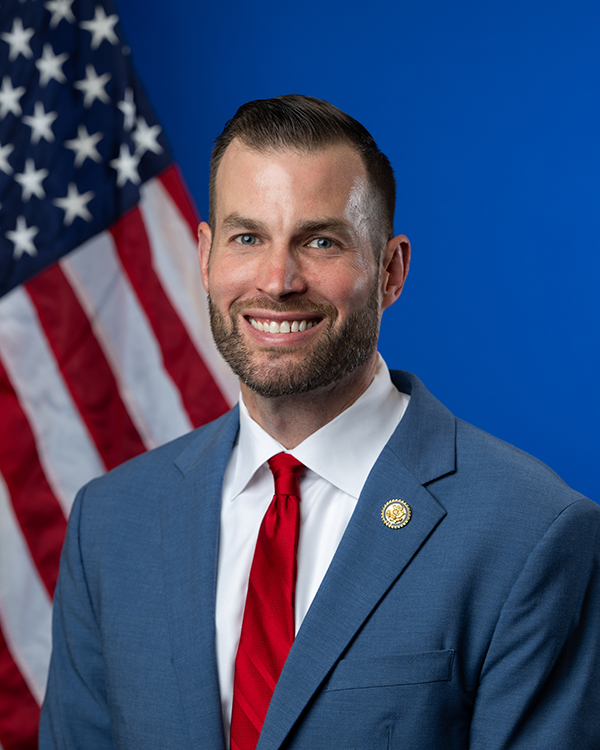
Clay Fuller
House · District 14
|
R |
Strong +
|
87% | 46 |

Tina Smith
Senate
|
D |
Strong +
|
83% | 77 |

Andrew Ogles
House · District 5
|
R |
Strong +
|
83% | 65 |
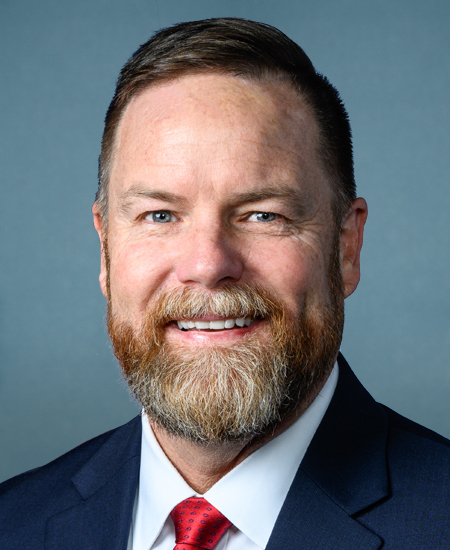
Aaron Bean
House · District 4
|
R |
Strong +
|
83% | 69 |
Ben Cline
House · District 6
|
R |
Strong +
|
83% | 69 |
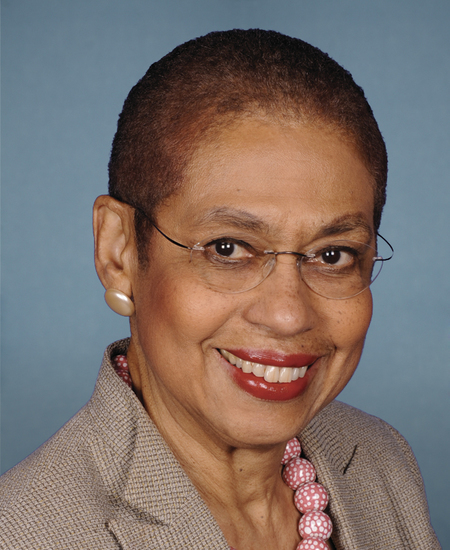
Eleanor Holmes Norton
House · District At-Large
|
D |
Strong −
|
0% | 26 |
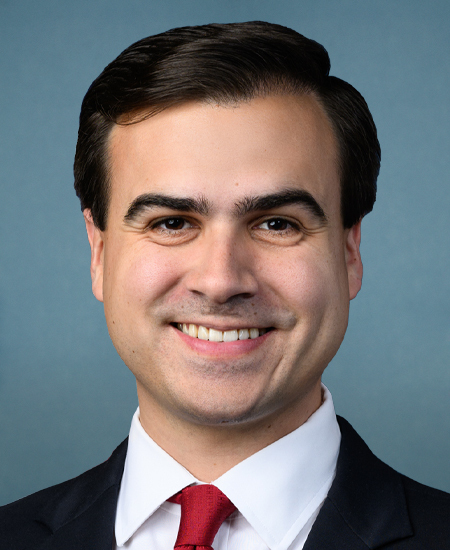
Pablo José Hernández
House · District At-Large
|
D |
Strong −
|
7% | 28 |
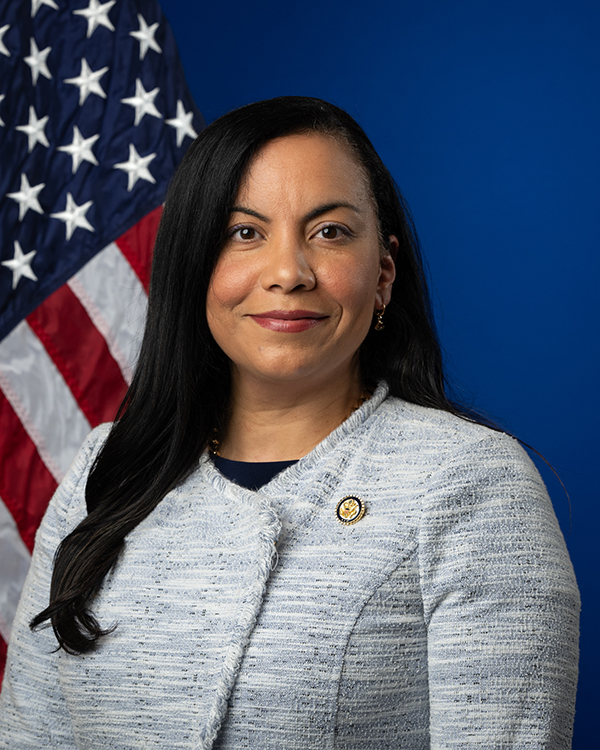
Analilia Mejia
House · District 11
|
D |
Strong −
|
13% | 45 |
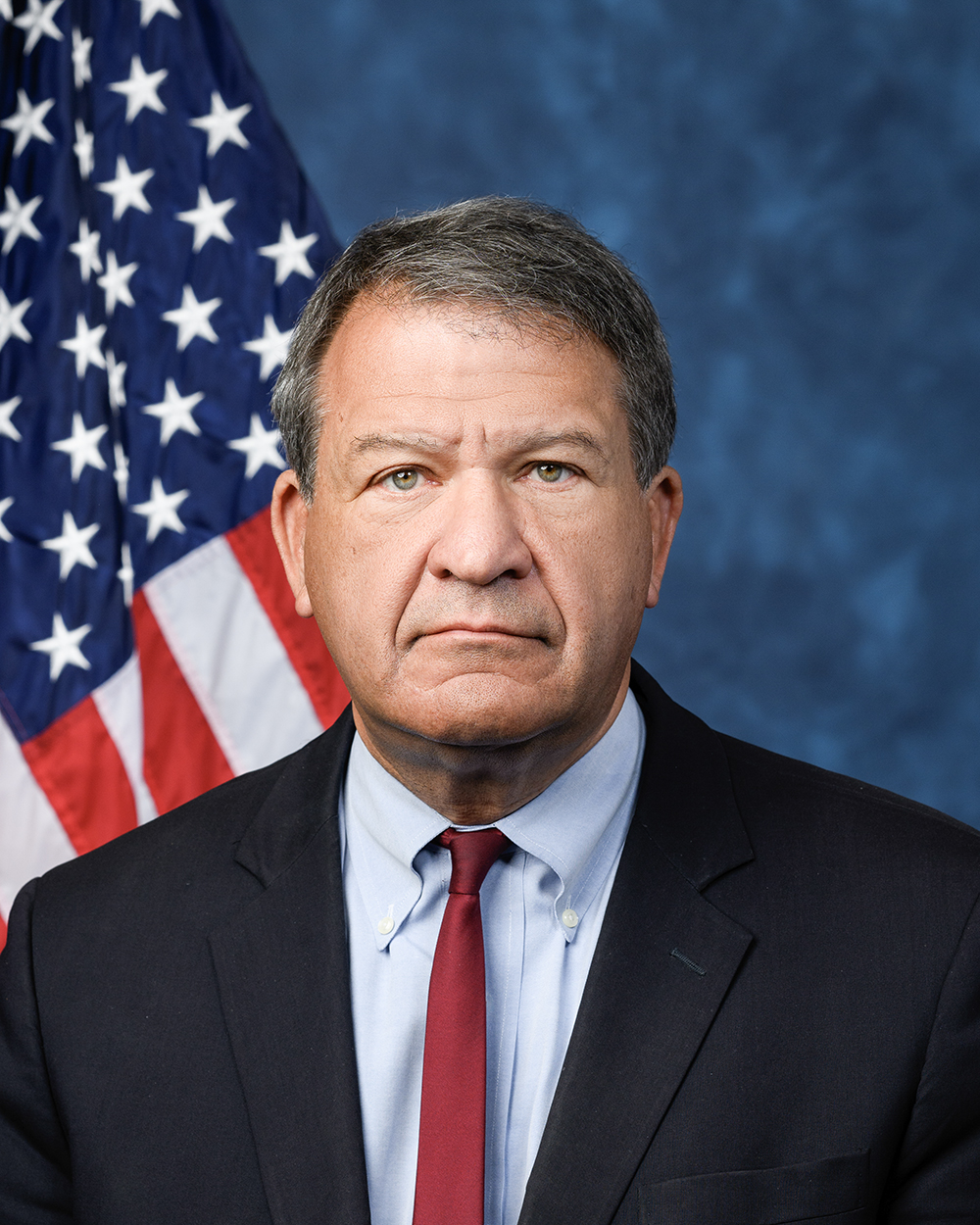
George Latimer
House · District 16
|
D |
Strong −
|
13% | 67 |
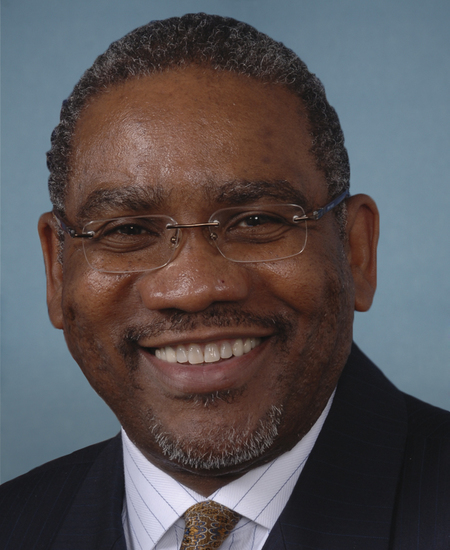
Gregory W. Meeks
House · District 5
|
D |
Strong −
|
14% | 66 |
Showing 1,851–1,860 of 2,374
bills
All budget & taxes bills
S 2313: Flood Insurance Relief Act
S 1918: Access Technology Affordability Act of 2025
Topics
✓ Budget & TaxesSupports Budget & TaxesCreates federal tax credit for blind individuals' access technology, providing targeted tax relief for a specific group.
✓ EducationSupports EducationBill provides tax credits for assistive technology for blind individuals, enhancing educational access and inclusion for students with disabilities in K-12 and higher education settings.
✓ TechnologySupports TechnologyBill provides tax credit for accessible tech, promoting digital equity for blind individuals through subsidized access to conversion tools and IT solutions.
Sub-Topics
Tax Credits
HR 247: Health Care Affordability Act of 2025
Topics
✓ Budget & TaxesSupports Budget & TaxesExpands tax credit eligibility for lower/middle-income households, providing direct tax relief under ACA subsidies per bill's sliding scale adjustment.
✓ HealthcareSupports HealthcareExpands subsidy eligibility beyond 400% poverty cap, lowers coverage costs for 300-400% poverty households, directly increasing affordability and access per bill's core purpose.
S 2050: ASSIST Act
Topics
✓ Budget & TaxesSupports Budget & TaxesIncreases federal funding for mental health services by raising FMAP to 90%, directly advancing public service funding under Budget & Taxes.
✓ Criminal JusticeSupports Criminal JusticeFunding school-based mental health services addresses root causes of criminal behavior, aligning with reform goals to reduce recidivism and improve rehabilitation programs.
✓ EducationSupports EducationIncreases federal funding for school-based mental health services, directly enhancing student well-being and educational access within K-12 schools.
✓ HealthcareSupports HealthcareIncreases federal funding for school-based mental health/substance use services via 90% FMAP and new grants, directly advancing mental health access as per healthcare topic indicators.
S 1891: PILLS Act
Topics
✓ Budget & TaxesSupports Budget & TaxesCreates tax credits (30% production, 25% investment) to incentivize domestic drug manufacturing, providing tax relief to companies under Budget & Taxes policy
✓ HealthcareSupports HealthcareTax credits incentivize domestic generic drug production, lowering costs and improving patient access to affordable medications, directly advancing healthcare access.
Sub-Topics
Prescription Drugs
HJRES 11: .Proposing a balanced budget amendment to the Constitution requiring that each agency and department's funding is justified.
S 1721: Energy Freedom Act
Topics
✗ Budget & TaxesOpposes Budget & TaxesRepeals tax credits for clean energy/efficiency, defunding incentives that reduce government spending through tax breaks.
✗ EnergyOpposes EnergyRepeals tax credits for clean energy, energy efficiency, and alternative fuels, directly weakening incentives for renewables and efficiency programs.
✗ EnvironmentOpposes EnvironmentBill repeals tax credits for clean energy, energy efficiency, and alternative fuels, directly defunding environmental initiatives and removing financial incentives for clean energy adoption.
✗ HousingOpposes HousingRepeals tax credits for energy-efficient home improvements, increasing costs for homeowners and reducing housing affordability.
HR 4115: Saving Our MALLS Act
Sub-Topics
Tax Incentives
HR 1067: LITTLE Act of 2025
Topics
✓ Budget & TaxesSupports Budget & TaxesProvides tax credits for childcare providers and increases dependent care credit for families, offering relief to middle/lower income households.
✓ Labor & EmploymentSupports Labor & EmploymentProvides childcare tax credits for families and providers, reducing financial barriers to employment and supporting workforce participation through expanded dependent care benefits.
Sub-Topics
Tax Credits