Issue · Budget & Taxes

Budget & Taxes

Every budget & taxes bill, vote, and legislator stance in United States, automatically classified by Maddy, our AI policy reader.

Total bills
2,374
119th Congress
Top supporter
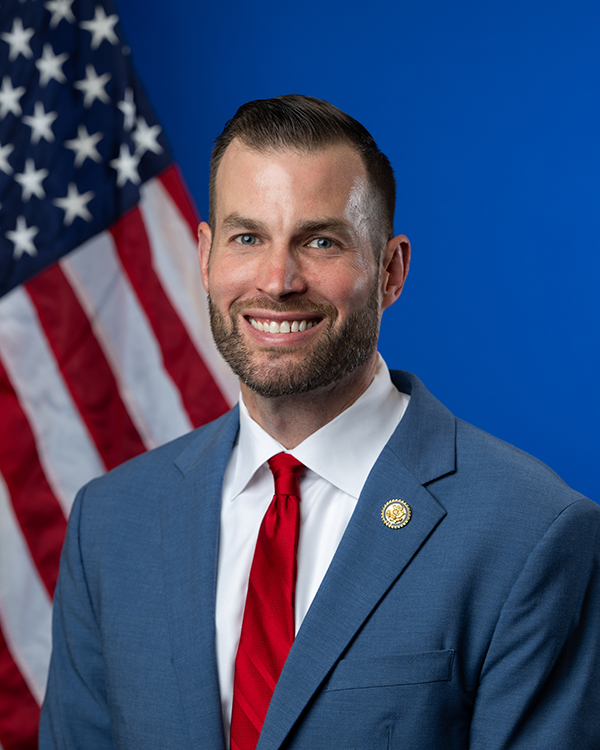
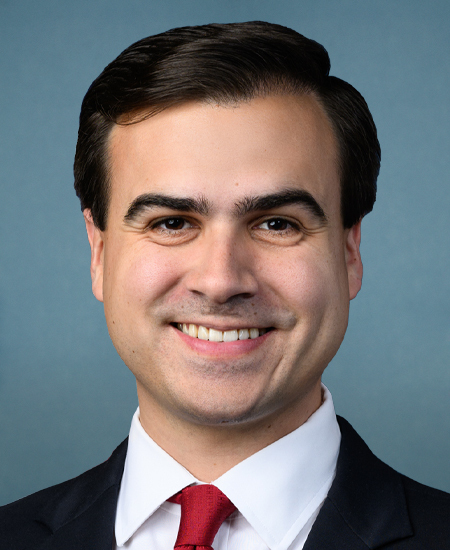
Clay Fuller
87% support rate
Top opponent
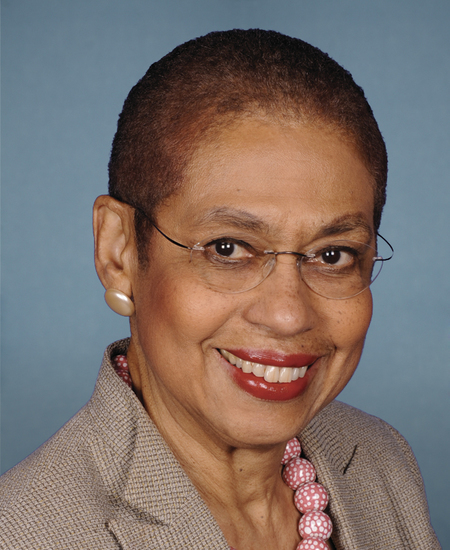
Eleanor Holmes Norton
0% support rate
Ranked legislators
10
5 support · 5 oppose
Key legislators

Who's moving budget & taxes in United States

Legislators moving budget & taxes in United States
Legislator Party Stance Support rate Decisive votes
Clay Fuller
Clay Fuller House · District 14
R
Strong +
87% 46
Tina Smith
Tina Smith Senate
D
Strong +
83% 77
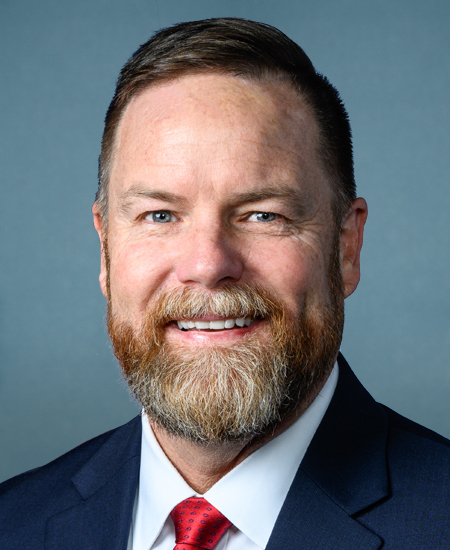
Andrew Ogles
Andrew Ogles House · District 5
R
Strong +
83% 65
Aaron Bean
Aaron Bean House · District 4
R
Strong +
83% 69
Ben Cline
Ben Cline House · District 6
R
Strong +
83% 69
Eleanor Holmes Norton
Eleanor Holmes Norton House · District At-Large
D
Strong −
0% 26
Pablo José Hernández
Pablo José Hernández House · District At-Large
D
Strong −
7% 28
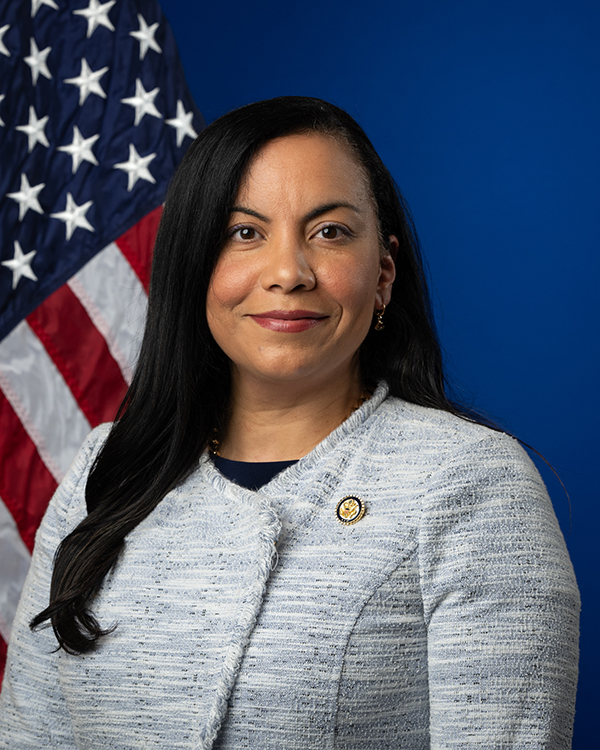
Analilia Mejia
Analilia Mejia House · District 11
D
Strong −
13% 45
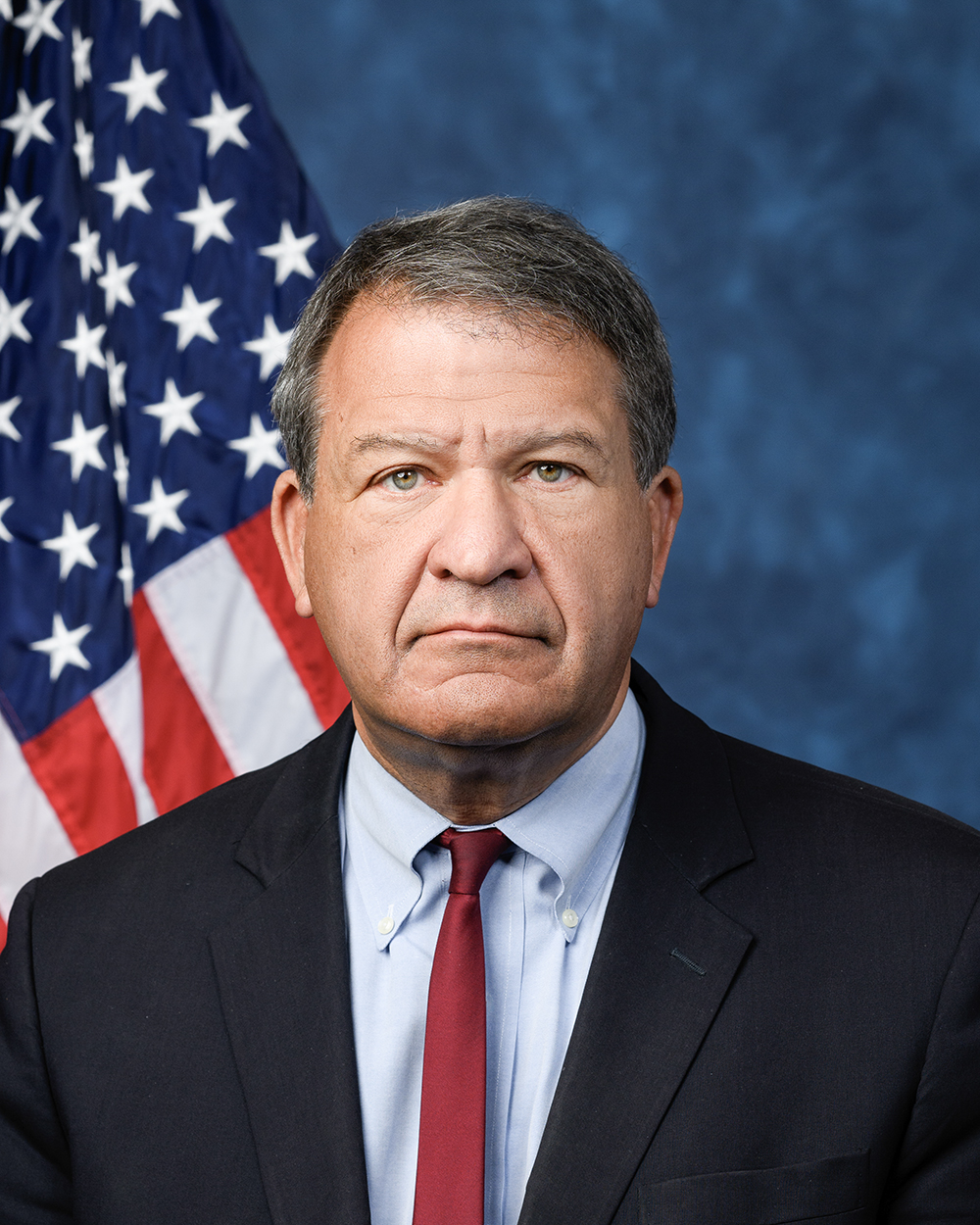
George Latimer
George Latimer House · District 16
D
Strong −
13% 67
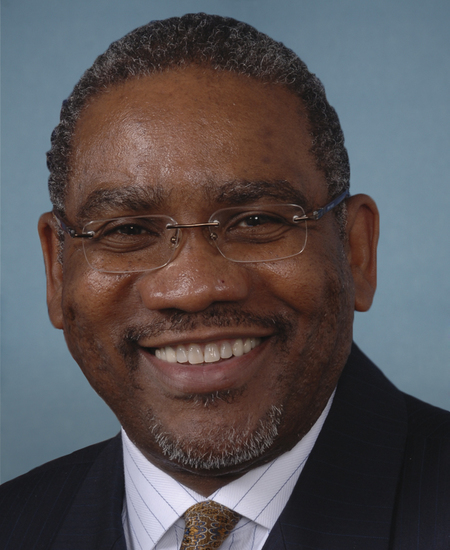
Gregory W. Meeks
Gregory W. Meeks House · District 5
D
Strong −
14% 66
Showing 1,711–1,720 of 2,374 bills

All budget & taxes bills

in committee · United States · Senate May 12, 2025

S 1718: Invest America Act

The Invest America Act (S.1718) creates new tax-advantaged accounts for children, directly affecting U.S. citizens born after July 4, 2026, with at least one U.S. citizen parent. It establishes "Invest America accounts" that must invest exclusively in S&P 500 index funds, limit annual contributions to $5,000 (adjusted for inflation), and prohibit distributions before age 18. The federal government will automatically contribute $1,000 per eligible child to these accounts, with the contribution excluded from taxable income. These accounts are exempt from income tax but subject to unrelated business income tax, and must be administered by qualified financial institutions.
Sub-Topics Income Tax
in committee · United States · Senate Apr 10, 2025

S 1438: Disaster Related Extension of Deadlines Act

This bill extends tax filing and payment deadlines for individuals and businesses affected by federally declared disasters, such as hurricanes or wildfires. It modifies the tax code to automatically treat disaster-related delays as extensions for both filing tax returns and making payments, preventing penalties during declared emergencies. Key provisions include amending IRS rules to apply these extensions to tax credit claims and collection notices issued after the bill's enactment. The law directly benefits taxpayers in disaster-impacted areas by providing relief during recovery periods.
Sub-Topics Tax Credits
in committee · United States · Senate Apr 3, 2025

S 1300: Project Safe Neighborhoods Reauthorization Act of 2025

The Project Safe Neighborhoods Reauthorization Act of 2025 extends funding for the nationwide Project Safe Neighborhoods program through fiscal year 2030, supporting collaboration between federal, state, local, and tribal law enforcement agencies across all 50 states and territories. It expands allowable uses of grant funds to include hiring crime analysts, covering overtime for officers and support staff, and purchasing technology for violent crime reduction. The bill adds specific funding for multi-jurisdictional task forces and requires the Attorney General to annually report to Congress on fund allocation, community outreach efforts, and violent crime statistics (including murder, robbery, and aggravated assault). These changes update the program’s funding structure and transparency requirements without altering its core focus on reducing violent crime through community-based strategies.
in committee · United States · Senate May 5, 2025

S 1590: Aviation Workforce Development Act

This bill expands the use of 529 college savings plans to cover tuition and related costs for specific aviation training. It allows students to use 529 funds for qualified aviation maintenance courses at FAA-approved Part 147 schools and qualified commercial pilot courses at FAA-approved flight schools (Part 61 or Part 141). The change directly affects students pursuing careers as aircraft maintenance technicians or commercial pilots by making these training costs eligible for tax-advantaged savings. The provision amends the Internal Revenue Code to include these specific aviation programs under existing 529 plan rules, effective after the bill's enactment.
in committee · United States · Senate Mar 26, 2025

S 1160: LEDGER Act

The LEDGER Act (S 1160) requires the Treasury Department to create a system tracking every federal government disbursement within 180 days of enactment. It mandates that all departments, agencies, and offices across the executive, legislative, and judicial branches report spending details, including the availability period of each funding source. This affects all federal entities that receive or spend government funds by requiring granular tracking of where money comes from and how it’s used. The law aims to improve transparency in federal spending by making expenditure data systematically accessible.
in committee · United States · Senate Jul 15, 2025

S 2295: Child Care for Working Families Act

This bill creates a federal program providing child care assistance to working families with children under age 6 through direct child care certificates that parents can use to pay for high-quality child care services. States must develop plans with payment rates covering provider costs and wages, sliding fee scales based on family income (with no copayment for families earning under 85% of state median income), and policies prioritizing vulnerable children including those with disabilities, experiencing homelessness, or from low-income families. The program requires providers to meet quality standards, prohibit suspensions/expulsions, and implement quality improvement activities while ensuring accessibility for underserved populations. It is funded through significant federal appropriations for fiscal years 2026-2031.
Tags Children
in committee · United States · Senate Apr 5, 2025

S 1311: Clear Communication for Veterans Claims Act of 2025

This bill requires the Department of Veterans Affairs (VA) to hire an independent research center to assess the clarity and paper use of notices sent to veterans filing claims. The assessment must determine how to make notices clearer, better organized, and more concise while reducing paper consumption and government costs. The VA must implement approved recommendations within one year and report the findings to Congress. This directly affects veterans receiving claims notices and the VA’s communication processes, focusing on improving written communication without changing benefit eligibility or amounts.
in committee · United States · Senate Jun 3, 2025

S 1927: HERITAGE Act

The HERITAGE Act (S 1927) increases the estate tax deduction limit for farmland inherited by rural landowners. It raises the maximum deduction from $750,000 to $15 million for farmland actively used for farming, while keeping the $750,000 limit for other qualified uses. This change directly affects heirs of family farms who would otherwise face higher estate taxes on inherited land. The bill modifies Internal Revenue Code Section 2032A to provide greater tax relief for farmland preservation, effective after enactment.
in committee · United States · House May 20, 2025

HR 3517: Social Security Enhancement and Protection Act of 2025

The Social Security Enhancement and Protection Act of 2025 increases benefits for low-wage workers based on years of work, with minimum benefits ranging from 36.7% for 11 years of work to 100% for 30+ years. It creates a new benefit for beneficiaries with 16+ years of coverage after eligibility, with increases from 20% to 100% based on years covered. The bill extends child benefits for full-time post-secondary students up to age 26 (previously 19), changes how high earnings are taxed with decreasing taxable percentages from 90% in 2026 to 0% after 2035, and increases Social Security tax rates for employees, employers, and self-employed individuals.
Sub-Topics Retirement Benefits
in committee · United States · House Jan 13, 2025

HR 374: DIRECT Act

HR 374, the DIRECT Act, redirects unused funds originally allocated to the IRS for enforcement under the Inflation Reduction Act toward border security. It rescinds unobligated IRS enforcement funds and appropriates the exact same amount to U.S. Customs and Border Protection (CBP) for hiring new border agents. This bill directly affects the IRS by reducing its enforcement budget and CBP by increasing its funding for border personnel. The key mechanism is a simple transfer of existing, unspent funds without creating new spending. The bill makes no changes to tax law or policy, only reallocating previously authorized resources.
Showing 1,711 to 1,720 of 2,374 bills