Issue · Budget & Taxes

Budget & Taxes

Every budget & taxes bill, vote, and legislator stance in United States, automatically classified by Maddy, our AI policy reader.

Total bills
2,374
119th Congress
Top supporter
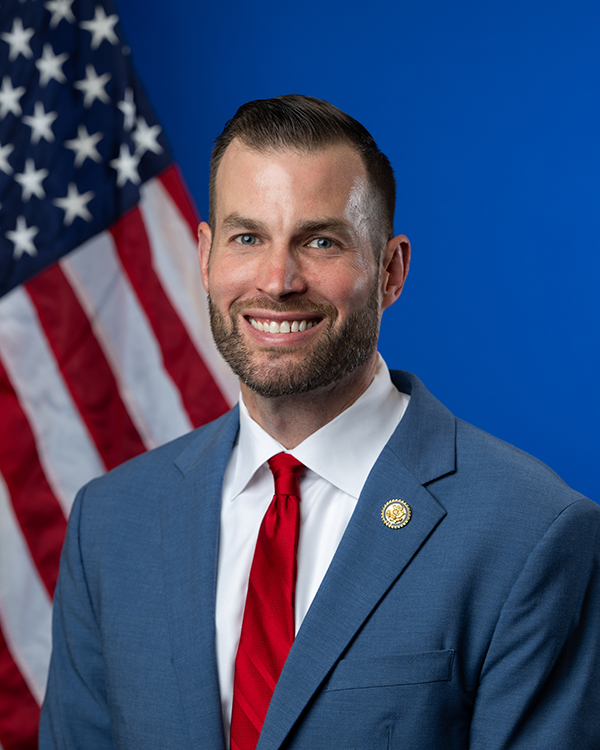
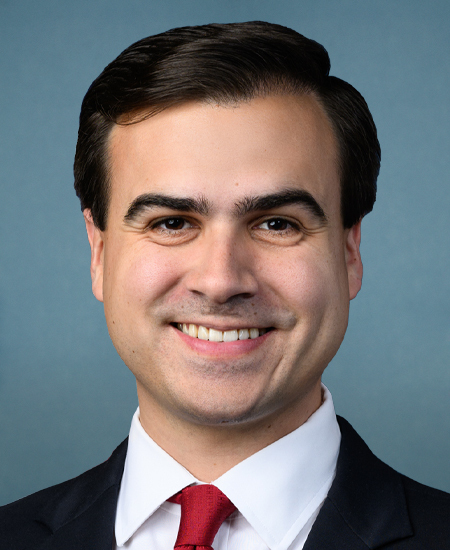
Clay Fuller
87% support rate
Top opponent
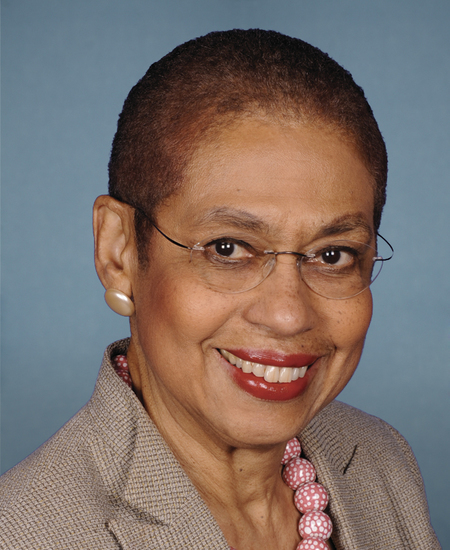
Eleanor Holmes Norton
0% support rate
Ranked legislators
10
5 support · 5 oppose
Key legislators

Who's moving budget & taxes in United States

Legislators moving budget & taxes in United States
Legislator Party Stance Support rate Decisive votes
Clay Fuller
Clay Fuller House · District 14
R
Strong +
87% 46
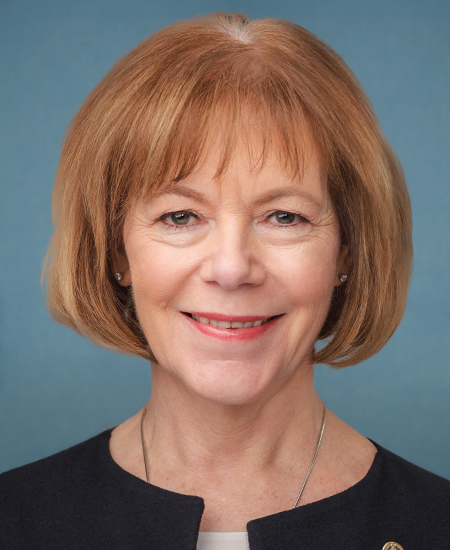
Tina Smith
Tina Smith Senate
D
Strong +
83% 77
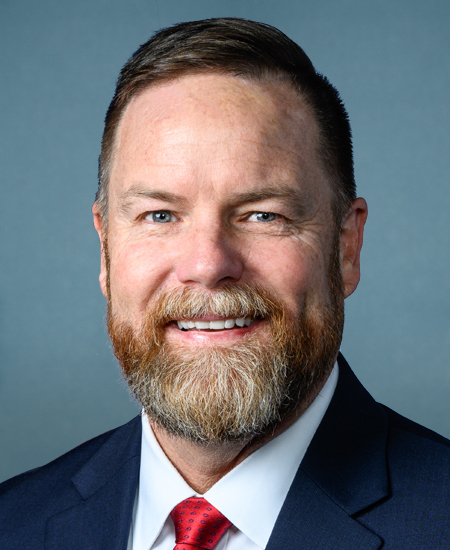
Andrew Ogles
Andrew Ogles House · District 5
R
Strong +
83% 65
Aaron Bean
Aaron Bean House · District 4
R
Strong +
83% 69
Ben Cline
Ben Cline House · District 6
R
Strong +
83% 69
Eleanor Holmes Norton
Eleanor Holmes Norton House · District At-Large
D
Strong −
0% 26
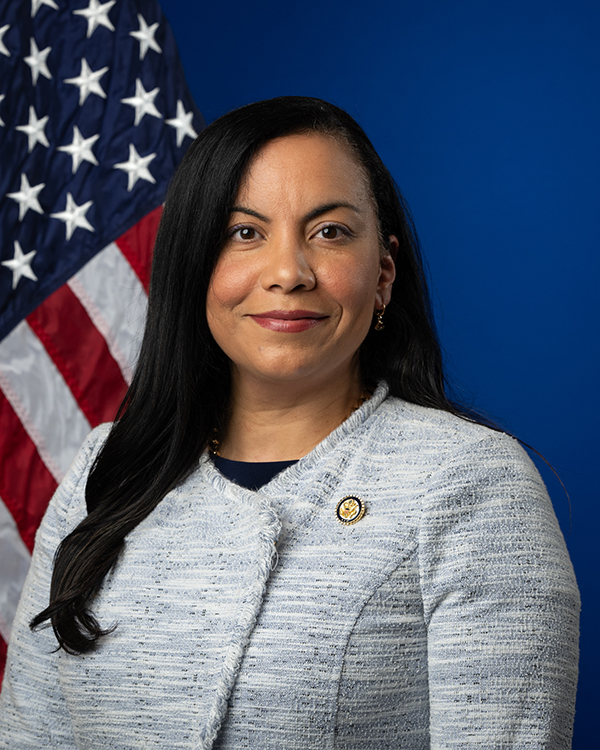
Pablo José Hernández
Pablo José Hernández House · District At-Large
D
Strong −
7% 28
Analilia Mejia
Analilia Mejia House · District 11
D
Strong −
13% 45
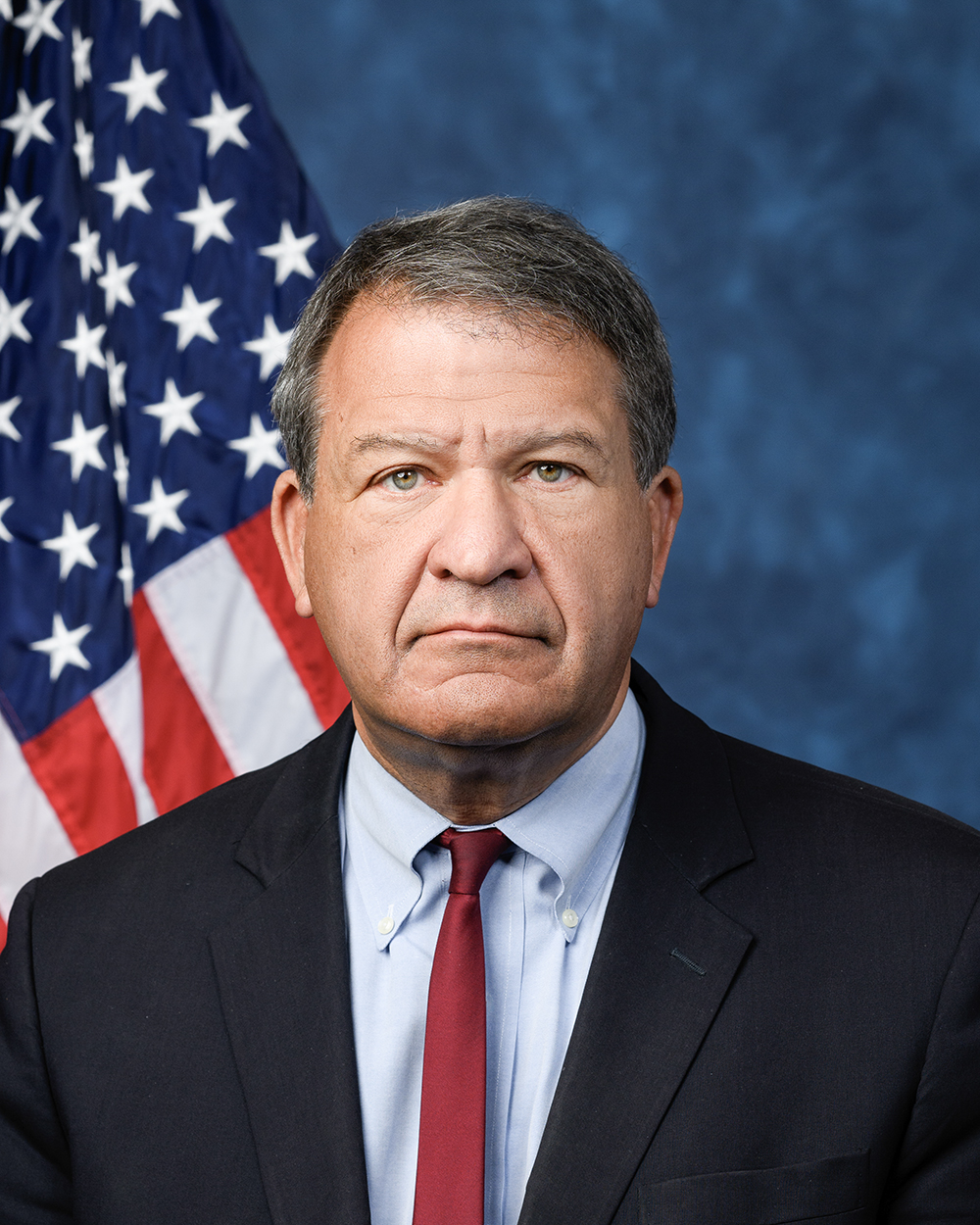
George Latimer
George Latimer House · District 16
D
Strong −
13% 67
Gregory W. Meeks
Gregory W. Meeks House · District 5
D
Strong −
14% 66
Showing 1,701–1,710 of 2,374 bills

All budget & taxes bills

in committee · United States · Senate May 8, 2025

S 1693: FARMER Act of 2025

This bill increases government support for crop insurance premiums for certain farm insurance plans. It raises the government's share to 77% for higher coverage levels and 68% for lower coverage levels under revenue or yield protection plans using enterprise or whole-farm units - up from previous rates. It also adjusts coverage requirements (lowering the minimum from 14% to 10% for some options) and increases premium subsidies for supplemental coverage from 65% to 80%. The bill requires a study on expanding supplemental coverage to larger counties, with a report due within a year of enactment.
Tags Agriculture
in committee · United States · House Mar 4, 2025

HR 1822: ACRE Act of 2025

This bill adds a new tax provision (Section 139J) to the Internal Revenue Code, excluding interest income from certain rural and agricultural loans from taxable income for qualifying lenders. It directly affects banks, insurance companies, and farm credit entities that provide loans secured by rural or agricultural property (including qualifying single-family homes in rural areas), while excluding loans to foreign adversary entities (like those linked to China, Russia, or Iran). The law requires lenders to report on how this tax exclusion impacts loan interest rates, with a Treasury report due to Congress within five years. The policy change aims to reduce lenders' tax burden on these specific loans, potentially lowering costs for borrowers in rural communities.
Tags Rural Communities
in committee · United States · Senate Oct 16, 2025

S 3015: AWRC Act of 2025

This bill amends the Water Resources Research Act of 1984 to include the "growing artificial intelligence industry" in its definition of private sector collaboration. It authorizes $16 million annually for fiscal years 2026-2029 for water research institutes, with 20% of these funds required for research on interstate water issues. The bill specifies that research must address regional or interstate water problems, align with joint priorities of the Secretary and institutes, or respond to Congress-identified interstate water concerns. It directly affects federal water research institutes, the Department of the Interior (via the Secretary), and federal funding allocations for water-related scientific projects. The changes focus on structuring funding distribution and expanding research scope to include emerging sectors like AI.
in committee · United States · Senate May 22, 2025

S 1903: A bill to prohibit changes to Medicare and Medicaid in reconciliation.

This bill amends the Congressional Budget Act to explicitly prohibit changes to Medicare and Medicaid through the budget reconciliation process. It modifies Section 310(g) to add specific references to Medicare (Title XVIII) and Medicaid (Title XIX) of the Social Security Act, ensuring these programs are excluded from reconciliation considerations. The key mechanism prevents Congress from using the fast-track budget reconciliation procedure to alter Medicare or Medicaid funding, benefits, or structure. This directly affects congressional budget procedures, not the programs themselves, by restricting how lawmakers can make changes to these healthcare programs.
Sub-Topics Medicaid Medicare
in committee · United States · House Jul 16, 2025

HR 4457: Housing Is a Human Right Act of 2025

The Housing Is a Human Right Act of 2025 creates new federal programs to address homelessness and housing instability. It establishes a CDBG Plus program to fund permanent affordable housing, supportive services, and basic infrastructure like public bathrooms and rest areas for homeless individuals. The bill prohibits criminalizing homelessness (such as sleeping in public) and requires jurisdictions to adopt "Housing First" approaches that connect people to housing without preconditions like sobriety requirements. It also creates new taxes on luxury real estate sales and large landlords to fund these programs, and includes provisions to help homeless people vote by removing barriers like ID requirements. The bill directly affects people experiencing homelessness, housing instability, and those who are cost-burdened (spending over 22% of income on housing), as well as local governments and housing providers.
in committee · United States · Senate Jan 15, 2026

S 3681: Keep Our Border Agents Paid Act

This bill ensures that U.S. Customs and Border Protection (CBP) and U.S. Immigration and Customs Enforcement (ICE) border agents, officers, and certain contractors continue receiving pay and benefits during government funding gaps. It specifically covers "excepted employees" (those required to work during shutdowns) and "covered contractors" supporting border operations, including Border Patrol, Air and Marine Operations, and enforcement units. The bill appropriates funds from the Treasury to pay salaries and cover specific benefits like disability compensation, death benefits, and funeral expenses until regular appropriations are enacted. It applies to all border and immigration enforcement personnel directly affected by funding lapses, without creating new programs or altering existing work requirements.
in committee · United States · Senate Mar 25, 2025

S 1111: A bill to amend the Internal Revenue Code of 1986 to allow for payments to certain individuals who dye fuel, and for other purposes.

This bill creates a new tax reimbursement program for businesses that properly dye certain diesel fuel or kerosene. It requires the IRS to pay back the tax previously paid on "eligible indelibly dyed" fuel (defined as fuel with tax paid under Section 4081 but not refunded, and exempt under Section 4082(a)) when removed from a terminal. The payment applies only to fuel dyed for off-road use, preventing misuse of lower-taxed fuel. The bill amends tax code sections to include this new reimbursement process and takes effect 180 days after enactment.
in committee · United States · House Jan 15, 2026

HR 7087: Grave Injustice Parity Act

HR 7087, the "Grave Injustice Parity Act," expands tax deductions for estates and gifts transferred to qualifying non-profit cemetery entities. It allows deductions for transfers to cemetery companies owned exclusively for members or non-profit burial corporations that operate solely for burial purposes, have no private profit motive, and direct all earnings toward cemetery operations (not private shareholders). This applies to both estate tax (Section 2055) and gift tax (Sections 2522) deductions, as well as private foundation distributions (Sections 4942/4945). The bill directly affects donors and estates/gifts made to such cemetery organizations, with changes effective after enactment.
in committee · United States · House Feb 27, 2025

HR 1754: FARM Act of 2025

HR 1754, the FARM Act of 2025, blocks tax credits for renewable energy projects on agricultural land. It amends the tax code to deny credits under Sections 48 (solar) and 45 (wind) for public utilities installing solar or wind facilities on agricultural land as defined by existing law (Food Security Act of 1985). The bill directly affects public utilities seeking tax incentives for new renewable energy installations on farmland. The provisions apply to property placed in service after the bill's enactment date. This is a tax code change, not a new program, and does not impact individual farmers or non-public utility projects.
Sub-Topics Renewable Energy Solar Tags Agriculture
in committee · United States · House May 15, 2025

HR 3439: Defund Cities that Defund the Police Act of 2025

HR 3439, the "Defund Cities that Defund the Police Act of 2025," blocks certain federal grants from going to states or cities that significantly reduce police funding without a revenue shortfall. It defines a "defunding locality" as an urban city that disbands its police department or cuts its budget substantially (without prior revenue loss), and a "defunding state" similarly for state law enforcement agencies. The bill specifically denies eligibility for Economic Development Administration grants (like public works and planning funds) and Community Development Block Grants to these jurisdictions. If a recipient becomes a "defunding jurisdiction" during a grant period, it must return all funds received for that period.
Sub-Topics Revenue Law Enforcement Policing Tags Economic Development Public Safety
Showing 1,701 to 1,710 of 2,374 bills