Issue · Budget & Taxes

Budget & Taxes

Every budget & taxes bill, vote, and legislator stance in United States, automatically classified by Maddy, our AI policy reader.

Total bills
2,411
119th Congress
Top supporter
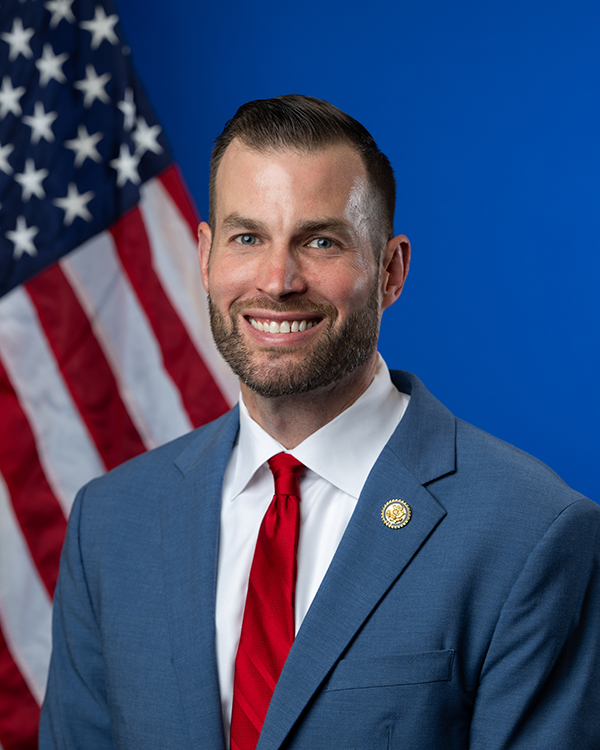
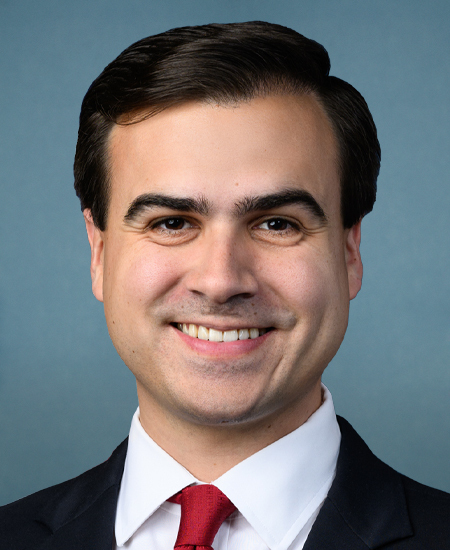
Clay Fuller
87% support rate
Top opponent
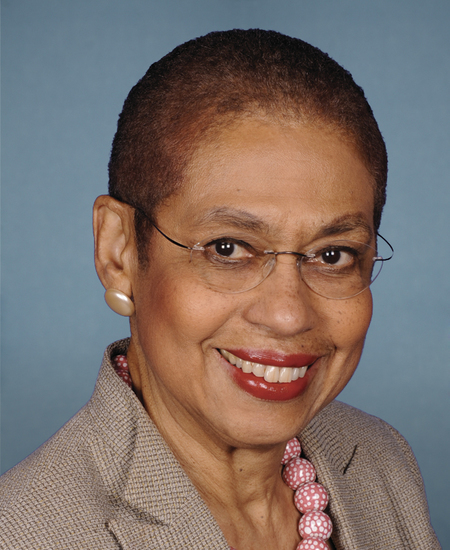
Eleanor Holmes Norton
0% support rate
Ranked legislators
10
5 support · 5 oppose
Key legislators

Who's moving budget & taxes in United States

Legislators moving budget & taxes in United States
Legislator Party Stance Support rate Decisive votes
Clay Fuller
Clay Fuller House · District 14
R
Strong +
87% 46
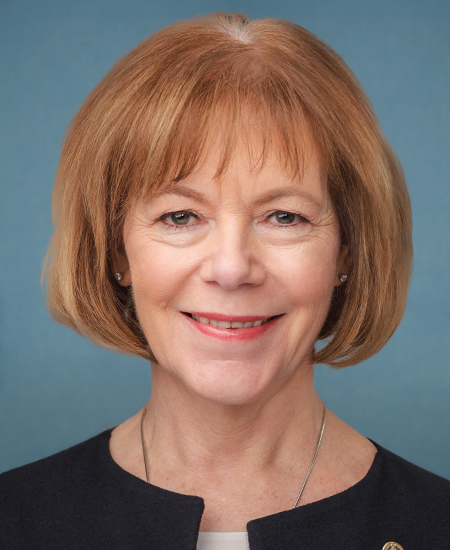
Tina Smith
Tina Smith Senate
D
Strong +
83% 77
Andrew Ogles
Andrew Ogles House · District 5
R
Strong +
83% 65
Aaron Bean
Aaron Bean House · District 4
R
Strong +
83% 69
Ben Cline
Ben Cline House · District 6
R
Strong +
83% 69
Eleanor Holmes Norton
Eleanor Holmes Norton House · District At-Large
D
Strong −
0% 26
Pablo José Hernández
Pablo José Hernández House · District At-Large
D
Strong −
7% 28
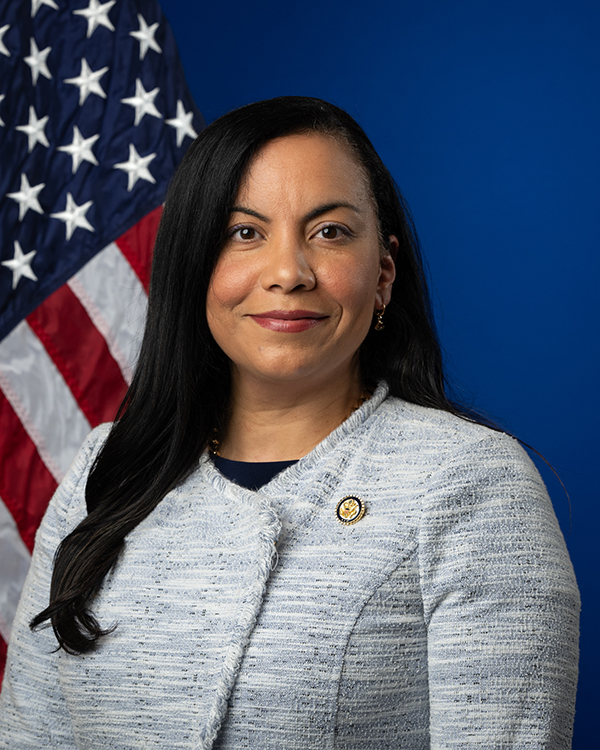
Analilia Mejia
Analilia Mejia House · District 11
D
Strong −
13% 45
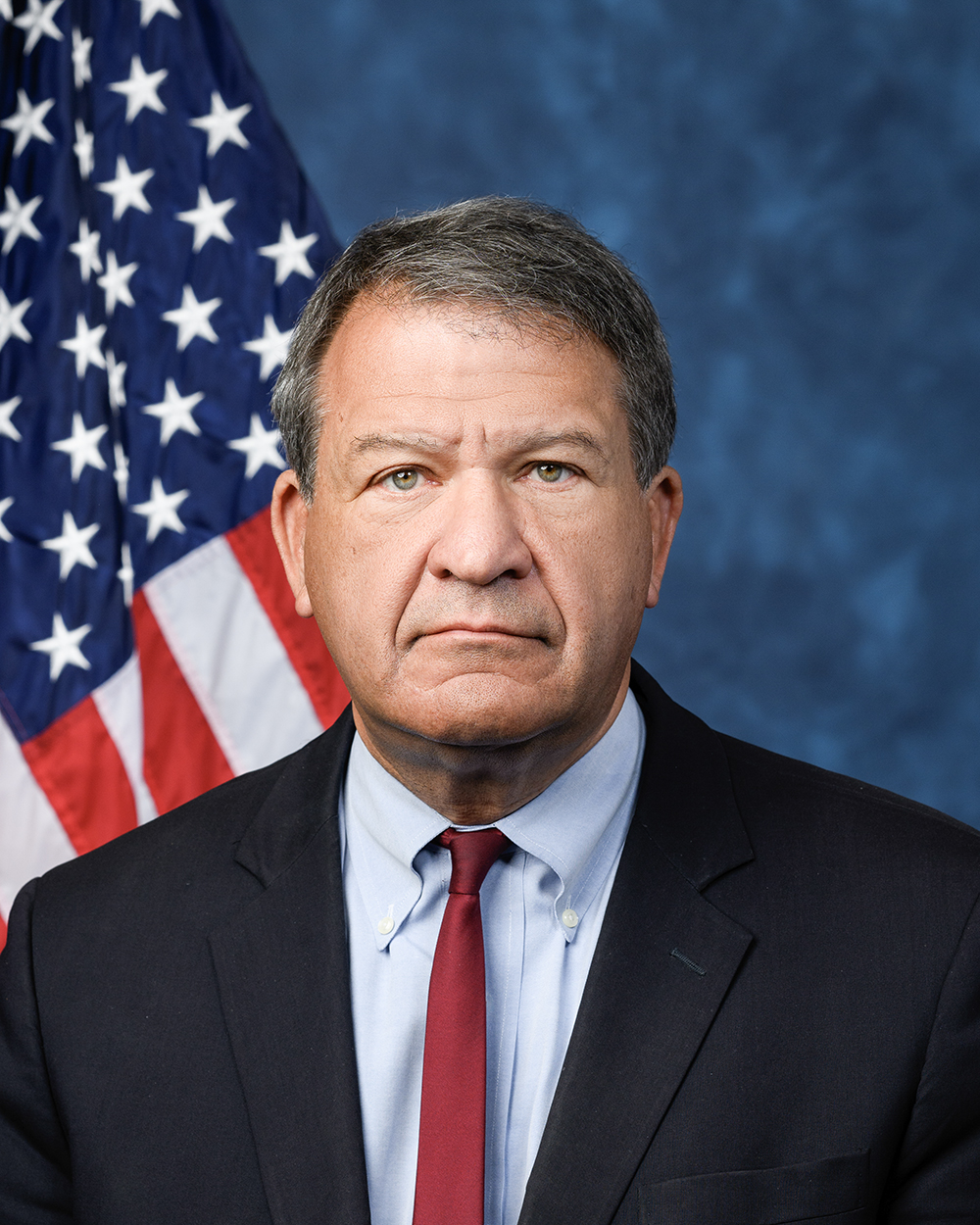
George Latimer
George Latimer House · District 16
D
Strong −
13% 67
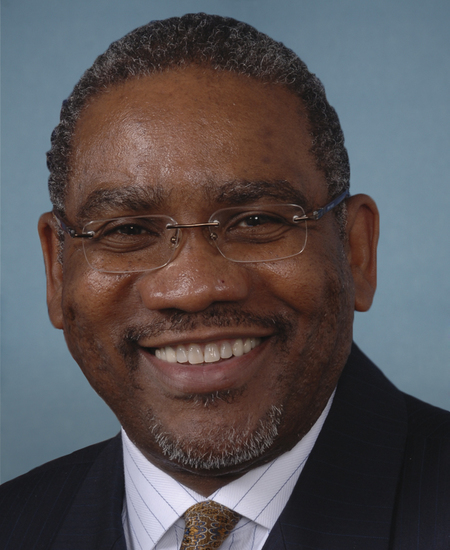
Gregory W. Meeks
Gregory W. Meeks House · District 5
D
Strong −
14% 66
Showing 1,571–1,580 of 2,411 bills

All budget & taxes bills

in committee · United States · House Jan 13, 2026

HR 7034: To amend the Internal Revenue Code of 1986 to eliminate the dollar limitations on the exclusion of gain from sales of principal residences, and for other purposes.

HR 7034 would remove the current $250,000 (single filers) and $500,000 (married couples) tax exclusion limit for capital gains when selling a primary residence. This change would allow all homeowners to exclude their full profit from federal income tax upon selling their main home, regardless of the sale price. The bill amends Section 121 of the Internal Revenue Code to eliminate the dollar caps and adjusts related provisions to reflect this change. It directly affects homeowners who sell their primary residence, making the tax exclusion fully unlimited for qualifying sales after the bill's enactment.
Sub-Topics Income Tax
in committee · United States · House Feb 9, 2026

HR 7453: CLEAN Act

This bill denies tax credits for health insurance under the Affordable Care Act and Medicaid medical assistance to individuals convicted of sex offenses (as defined by the Adam Walsh Act). Specifically, it amends tax law to block refundable health care credits for sex offenders and adds a Medicaid provision allowing states to exclude sex offenders from receiving government-funded medical coverage. The policy directly affects sex offenders who would otherwise qualify for these federal benefits. The changes apply to tax years and Medicaid enrollments starting after the bill's enactment.
Sub-Topics Insurance Medicaid
in committee · United States · House Feb 5, 2026

HR 7409: Defend Rural Health Act of 2026

HR 7409, the Defend Rural Health Act of 2026, prevents rural hospitals from being reclassified as urban Medicare facilities after October 1, 2029, unless they met specific criteria before October 1, 2026. The bill amends Medicare rules to block hospitals from retaining rural status beyond 2029, even if they applied for reclassification earlier. It also prohibits the Medicare Geographic Classification Review Board from approving new reclassification requests for hospitals already treated as rural under current rules for fiscal years starting after October 1, 2026. This directly affects rural hospitals that rely on higher Medicare payments tied to their geographic classification. The law aims to maintain stable funding for rural hospitals by restricting future reclassifications.
Sub-Topics Hospitals Medicare Tags Rural Communities
in committee · United States · House Feb 3, 2026

HR 7327: Empowering Young Readers Act of 2026

HR 7327, the Empowering Young Readers Act of 2026, creates a $10 million pilot program to fund book access initiatives for children under 19. It authorizes the Education Secretary to award competitive grants (max $200,000 per grant for two years) to eligible nonprofits and nongovernmental organizations for activities like purchasing books, hosting reading events, or donating to public libraries. Grant applications must be reviewed using viewpoint-neutral criteria, and recipients must report on book distribution numbers and community impact. The program runs through fiscal year 2027, with a final report due to Congress six months after completion.
Sub-Topics Procurement Libraries
in committee · United States · House Dec 24, 2025

HR 6923: Jobs for a Carbon Free Transportation System Act

This bill creates a federal grant program to fund "low carbon corridors" connecting different transportation systems (like public transit, bike lanes, and electric vehicle infrastructure) to reduce emissions and improve connectivity. It establishes value capture financing mechanisms through tax increment districts to fund transportation infrastructure and expands tax-exempt bonds for transit-oriented development. The bill also creates a grant program to help workers transition from fossil fuel industries to sustainable jobs and establishes a National Employment Corps to guarantee employment for those displaced by the energy transition. Local governments, transit agencies, and communities near transportation hubs would directly benefit from these provisions, while requiring projects to follow prevailing wage laws.
in committee · United States · House Feb 20, 2026

HR 7603: O&C Renewal Act of 2026

This bill reaffirms permanent timber production as the primary purpose of federal O&C (Oregon & California) lands, requiring revenue generation to support county government services in Oregon. It mandates the federal government meet or exceed Oregon's fire safety standards for these lands, enter agreements with Oregon and forest associations for fire protection, and compensate for services provided. The bill also clarifies that "timberlands" include parcels capable of producing at least 300,000 board feet of timber per 40-acre section. Within two years of enactment, the Secretary of the Interior must revise resource management plans to align with these changes.
Sub-Topics Forestry Public Lands
in committee · United States · House Feb 12, 2026

HR 7555: Audit the Pentagon Act of 2026

This bill requires the Department of Defense to obtain a clean audit opinion for its financial statements or face automatic spending reductions. If the Pentagon fails to achieve this by fiscal year 2026, non-exempt programs would lose 0.5% of funding in the first year of failure and 1% annually thereafter, with cuts applied across all programs within the affected department. Military personnel, reserve, National Guard, and Defense Health Program accounts are exempt from these reductions. Any funds saved through these cuts would be deposited into the General Fund for deficit reduction, not redirected to military operations.
in committee · United States · House Jan 20, 2026

HR 7161: No Private Bounty Hunters for Immigration Enforcement Act

HR 7161, the "No Private Bounty Hunters for Immigration Enforcement Act," prohibits the Department of Homeland Security (DHS) from using private contractors for immigration enforcement tasks like tracking individuals (skip tracing), surveillance, or location verification. It bans DHS from entering new contracts for these purposes after enactment, terminates existing contracts allowing them, and amends others to prohibit them. The bill also blocks federal funds from paying private entities per-person or via bonuses for locating individuals under immigration detainers, except for limited government-supervised data tools. DHS must audit all relevant contracts within 30 days of the bill's enactment to ensure compliance.
in committee · United States · House Jan 16, 2026

HR 7131: Middle Class Home Tax Elimination Act

This bill removes the current $250,000 (single filers) and $500,000 (married couples) limit on tax-free profit when selling a primary residence. It directly affects homeowners who sell their homes by eliminating these dollar caps under Internal Revenue Code Section 121. The key provision amends the tax code to allow full exclusion of capital gains from principal residence sales without the previous monetary limits. The change would apply to home sales occurring after the bill's enactment date.
in committee · United States · House Jan 16, 2026

HR 7138: Stop Wall Street Landlords Act of 2026

HR 7138 disallows tax deductions for mortgage interest and depreciation on single-family homes (1-4 units) owned by large investment entities with over $100 million in assets, while imposing a 100% excise tax on sales or transfers of such properties. The bill directly affects institutional landlords (e.g., large real estate investment firms), excluding government entities, nonprofits, and federally assisted housing. Revenue from the tax will fund low-income housing programs via the Housing Trust Fund. It also prohibits Fannie Mae, Freddie Mac, and Ginnie Mae from purchasing or guaranteeing mortgages for these properties. The provisions apply 18 months after enactment.
Showing 1,571 to 1,580 of 2,411 bills