Issue · Budget & Taxes

Budget & Taxes

Every budget & taxes bill, vote, and legislator stance in United States, automatically classified by Maddy, our AI policy reader.

Total bills
2,411
119th Congress
Top supporter
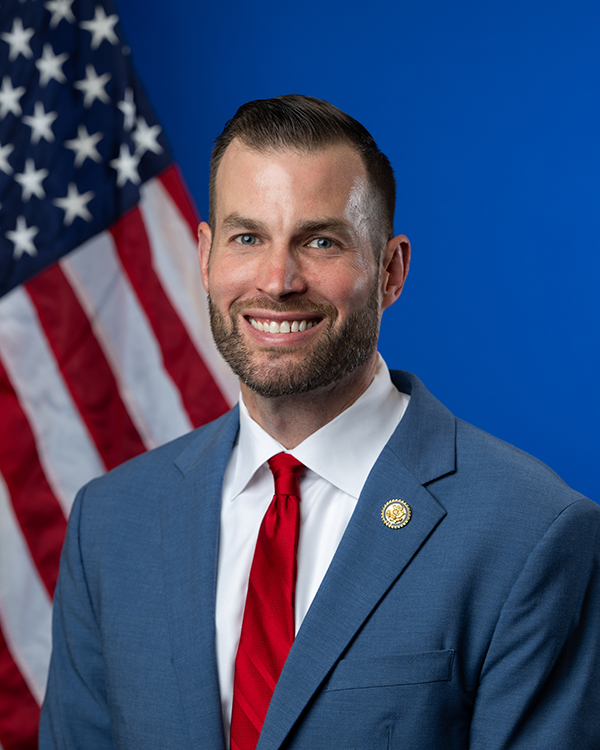
Clay Fuller
87% support rate
Top opponent
Eleanor Holmes Norton
0% support rate
Ranked legislators
10
5 support · 5 oppose
Key legislators

Who's moving budget & taxes in United States

Legislators moving budget & taxes in United States
Legislator Party Stance Support rate Decisive votes
Clay Fuller
Clay Fuller House · District 14
R
Strong +
87% 46
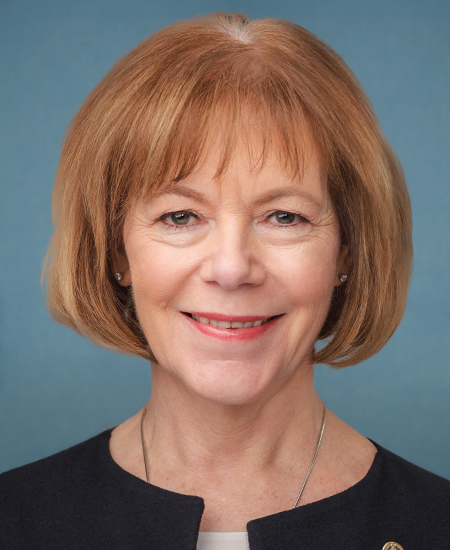
Tina Smith
Tina Smith Senate
D
Strong +
83% 77
Andrew Ogles
Andrew Ogles House · District 5
R
Strong +
83% 65
Aaron Bean
Aaron Bean House · District 4
R
Strong +
83% 69
Ben Cline
Ben Cline House · District 6
R
Strong +
83% 69
Eleanor Holmes Norton
Eleanor Holmes Norton House · District At-Large
D
Strong −
0% 26
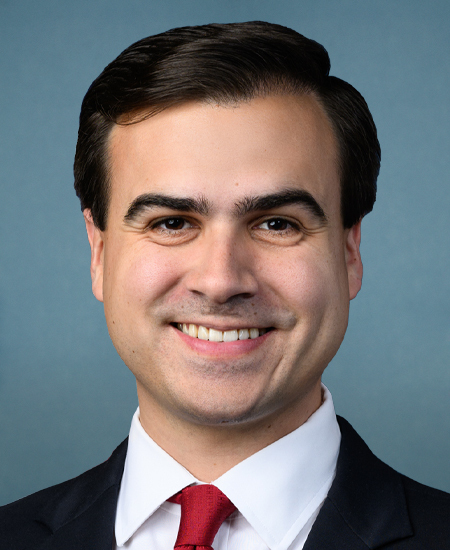
Pablo José Hernández
Pablo José Hernández House · District At-Large
D
Strong −
7% 28
Analilia Mejia
Analilia Mejia House · District 11
D
Strong −
13% 45
George Latimer
George Latimer House · District 16
D
Strong −
13% 67
Gregory W. Meeks
Gregory W. Meeks House · District 5
D
Strong −
14% 66
Showing 1,561–1,570 of 2,411 bills

All budget & taxes bills

in committee · United States · House Jan 7, 2026

HR 6970: To amend the Internal Revenue Code of 1986 to exclude from gross income the earnings from certain overseas deployments of members of the Armed Forces.

This bill makes earnings tax-free for military members serving overseas in temporary assignments, expanding an existing tax exclusion beyond just combat zones. It covers both enlisted personnel and commissioned officers who serve outside the U.S. in non-combat deployments, excluding service under permanent change of station orders. The exclusion applies to taxable years beginning after December 31, 2025, directly affecting active-duty service members on temporary overseas duty. This policy change simplifies tax treatment for military pay during overseas temporary assignments without altering permanent station service rules.
in committee · United States · Senate Mar 11, 2025

S 925: Credit for Caring Act of 2025

S. 925 (Credit for Caring Act of 2025) creates a 30% tax credit for eligible family caregivers incurring qualified expenses to care for a certified relative with long-term care needs. It directly affects caregivers who earn over $7,500 annually and pay expenses exceeding $2,000 per year for care recipients certified by a healthcare professional as needing at least 180 days of care during the tax year. The credit covers costs like human assistance, home modifications, transportation, and respite care, with a maximum annual credit of $5,000 (adjusted for inflation). The credit phases out for taxpayers with modified adjusted gross income above $75,000 ($150,000 for joint filers). The bill applies to taxable years beginning after December 31, 2024.
in committee · United States · House Dec 17, 2025

HR 6784: Home Lead Safety Tax Credit Act of 2025

HR 6784 creates a federal tax credit allowing homeowners to claim 50% of costs for removing lead hazards in homes built before 1978, directly affecting owners of older properties. The credit covers certified lead abatement (up to $3,000 per home) or interim safety measures (up to $1,000), with a lifetime cap of $4,000 per residence. Homeowners must use certified professionals, provide documentation of completed work meeting federal standards, and cannot double-dip with state/local credits. The credit expires after December 31, 2028, and applies to costs incurred after December 31, 2024.
in committee · United States · Senate Jan 9, 2025

S 62: America First Act

The America First Act would restrict eligibility for numerous federal benefit programs based on immigration status. It requires verification of citizenship or lawful immigration status for programs including Medicaid, Medicare, Head Start, school meals, WIC, the Child Tax Credit, Earned Income Tax Credit, and housing assistance. The bill specifically would deny benefits to individuals who are unlawfully present in the U.S. or who have certain immigration statuses including parolees, Temporary Protected Status (TPS) recipients, DACA recipients, and asylum seekers. These provisions would directly affect millions of immigrants and their families who currently qualify for these programs. The bill would also prohibit use of FEMA assistance for certain non-citizens and limit access to postsecondary financial aid based on immigration status.
in committee · United States · Senate Jan 9, 2025

S 64: A bill to direct the United States Postal Service to designate a single, unique ZIP Code for Fairlawn, Virginia, and for other purposes.

This bill directs the U.S. Postal Service to assign a unique ZIP code specifically for Fairlawn, Virginia - a community located in Pulaski County but not part of any city. It aims to resolve a tax misallocation issue where online sales taxes collected in Fairlawn are incorrectly sent to the nearby independent city of Radford due to shared ZIP codes. The change would ensure Fairlawn’s tax revenue stays local for community services, directly affecting residents and local government funding in Fairlawn. The USPS must complete this designation within 180 days of the bill’s enactment.
Sub-Topics Revenue
in committee · United States · House Jan 15, 2026

HR 7118: Genomic Answers for Children’s Health Act of 2026

HR 7118, the Genomic Answers for Children’s Health Act of 2026, requires Medicaid to cover whole genome and whole exome sequencing for Medicaid-eligible children with specific medical needs, including genetic disorders, rare diseases, congenital anomalies, developmental delays, or intellectual disabilities. It mandates that this testing be ordered as a first-tier test by a physician and paid separately, not bundled with other services. The bill also requires the Department of Health and Human Services to convene stakeholders, conduct outreach to raise awareness, and publish a report within two years detailing state payment rates and usage data. Additionally, it directs a Comptroller General report assessing implementation barriers, workforce challenges, and payment alignment with market costs. The changes take effect January 1, 2027.
in committee · United States · House Feb 20, 2026

HR 7636: To amend the Internal Revenue Code of 1986 to establish the individual tariff refund credit.

HR 7636 creates a new tax credit for individuals affected by unlawfully imposed tariffs. It allows eligible individuals (excluding non-residents, those with dependents claimed by others, and estates/trusts) to receive a refundable credit equal to their household's share of total tariff revenues repaid by the government after a court orders repayment of unlawfully collected tariffs (imposed after January 20, 2025). The credit amount is calculated by dividing total repaid tariff revenues by the number of eligible households, with household size including the individual plus dependents. The credit applies to taxable years ending before the court order date, with refunds processed rapidly and without interest. A separate provision also imposes a 100% excise tax on corporate tariff refunds not passed to consumers.
Sub-Topics Sales Tax Tax Credits
in committee · United States · House Feb 13, 2026

HR 7576: AI Workforce Training Act

HR 7576, the AI Workforce Training Act, creates a 30% tax credit for businesses covering qualified AI training costs for their employees. It directly affects businesses that pay for employees to attend accredited AI training programs (such as courses on machine learning or AI ethics), cover wages during training, or develop in-house AI training. The credit is capped at $2,500 per employee per year, adjusted for inflation after 2026. The bill also requires federal agencies to launch a public outreach campaign promoting the credit and submit annual reports to Congress on its implementation.
in committee · United States · House Feb 11, 2026

HR 7493: Stop Corporate Inversions Act of 2026

The Stop Corporate Inversions Act of 2026 modifies U.S. tax rules to prevent corporations from avoiding U.S. taxes by restructuring as foreign entities. It targets foreign corporations that acquired U.S. businesses after May 8, 2014, by treating them as domestic corporations if they meet specific thresholds: either over 50% of their stock is held by former U.S. shareholders or management/control is primarily based in the U.S. with significant U.S. business activities (at least 25% of employees, compensation, assets, or income located in the U.S.). This applies to taxable years ending after May 8, 2014, and aims to ensure such corporations pay U.S. taxes on their U.S. operations.
passed · United States · House Jul 13, 2026

HR 7128: TRIA Program Reauthorization Act of 2026

The TRIA Program Reauthorization Act of 2026 extends the Terrorism Risk Insurance Act (TRIA) through 2034, replacing its previous 2027 expiration date. It raises the financial threshold requiring federal assistance for terrorism-related insurance losses from $5 million to $25 million per incident. The bill also mandates that the Treasury Secretary publish a Federal Register notice within 30 days of starting a terrorism certification review and requires certification to be completed within 90 days of that notice. Additionally, it updates the program's official name from "Terrorism Insurance Program" to "Terrorism Risk Insurance Program" and adjusts related expiration dates in the law.
Showing 1,561 to 1,570 of 2,411 bills