Issue · Budget & Taxes

Budget & Taxes

Every budget & taxes bill, vote, and legislator stance in United States, automatically classified by Maddy, our AI policy reader.

Total bills
2,101
119th Congress
Top supporter
Clay Fuller
87% support rate
Top opponent
Eleanor Holmes Norton
0% support rate
Ranked legislators
10
5 support · 5 oppose
Key legislators

Who's moving budget & taxes in United States

Legislators moving budget & taxes in United States
Legislator Party Stance Support rate Decisive votes
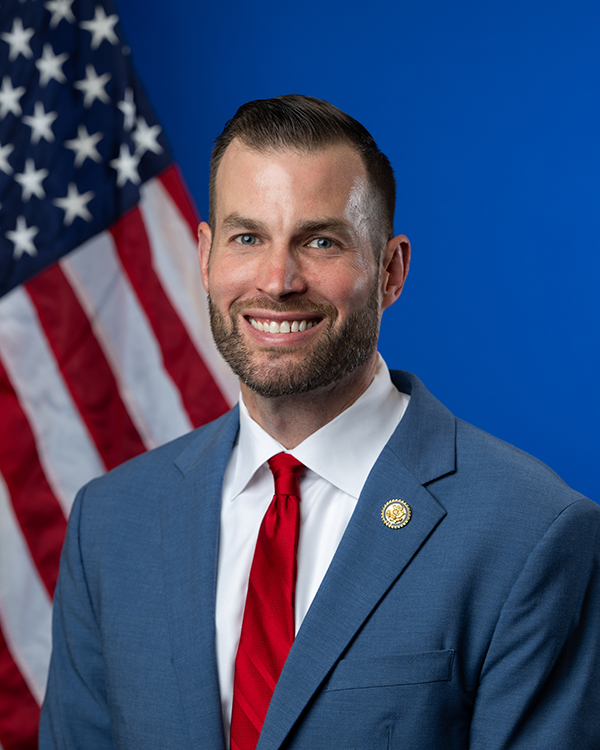
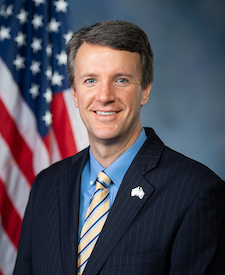
Clay Fuller
Clay Fuller House · District 14
R
Strong +
87% 46
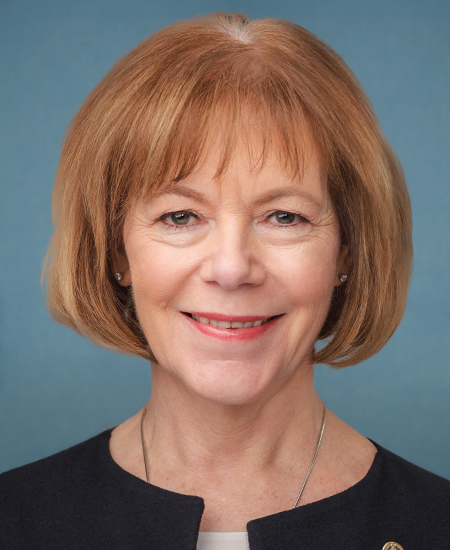
Tina Smith
Tina Smith Senate
D
Strong +
83% 77
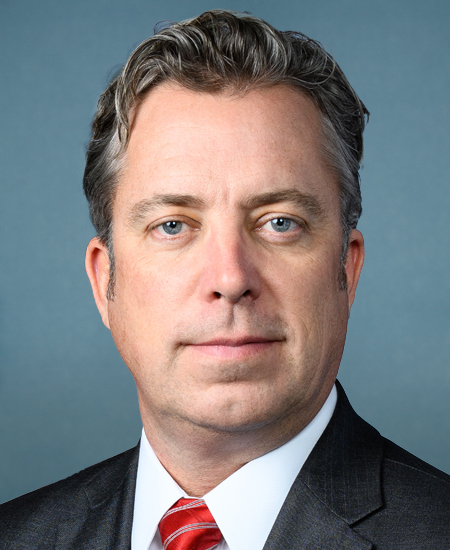
Andrew Ogles
Andrew Ogles House · District 5
R
Strong +
83% 65
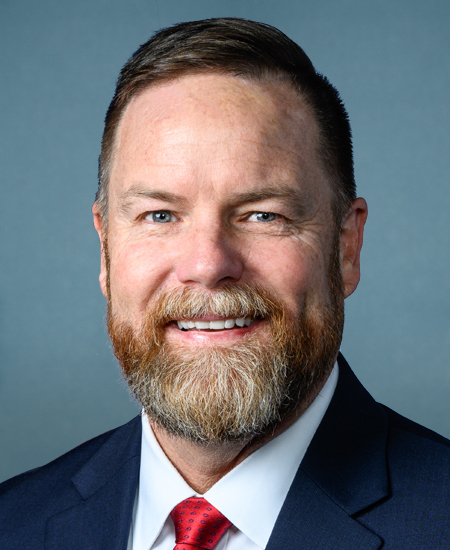
Aaron Bean
Aaron Bean House · District 4
R
Strong +
83% 69
Ben Cline
Ben Cline House · District 6
R
Strong +
83% 69
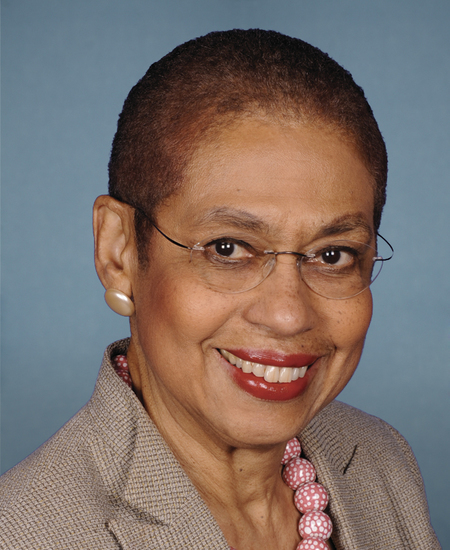
Eleanor Holmes Norton
Eleanor Holmes Norton House · District At-Large
D
Strong −
0% 26
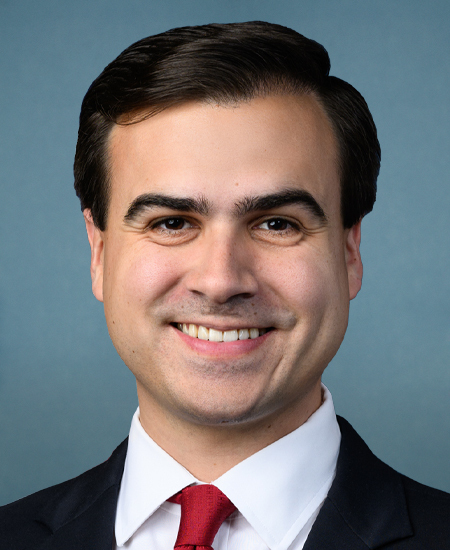
Pablo José Hernández
Pablo José Hernández House · District At-Large
D
Strong −
7% 28
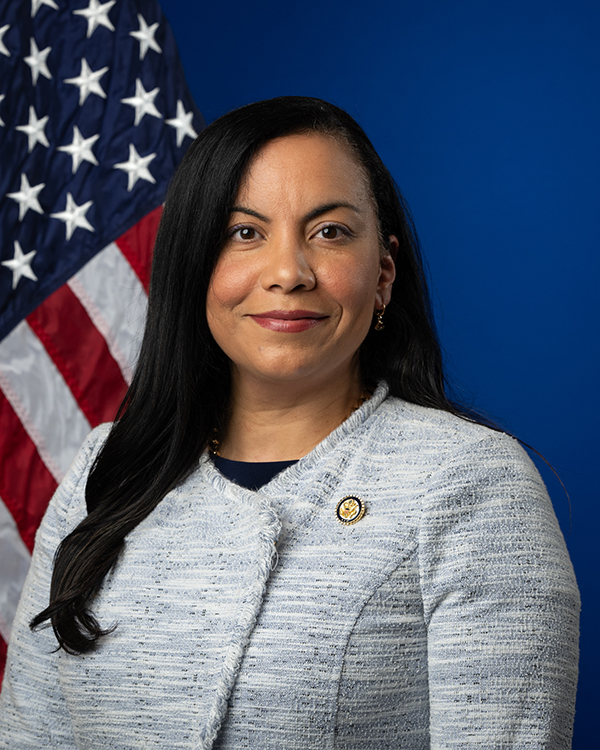
Analilia Mejia
Analilia Mejia House · District 11
D
Strong −
13% 45
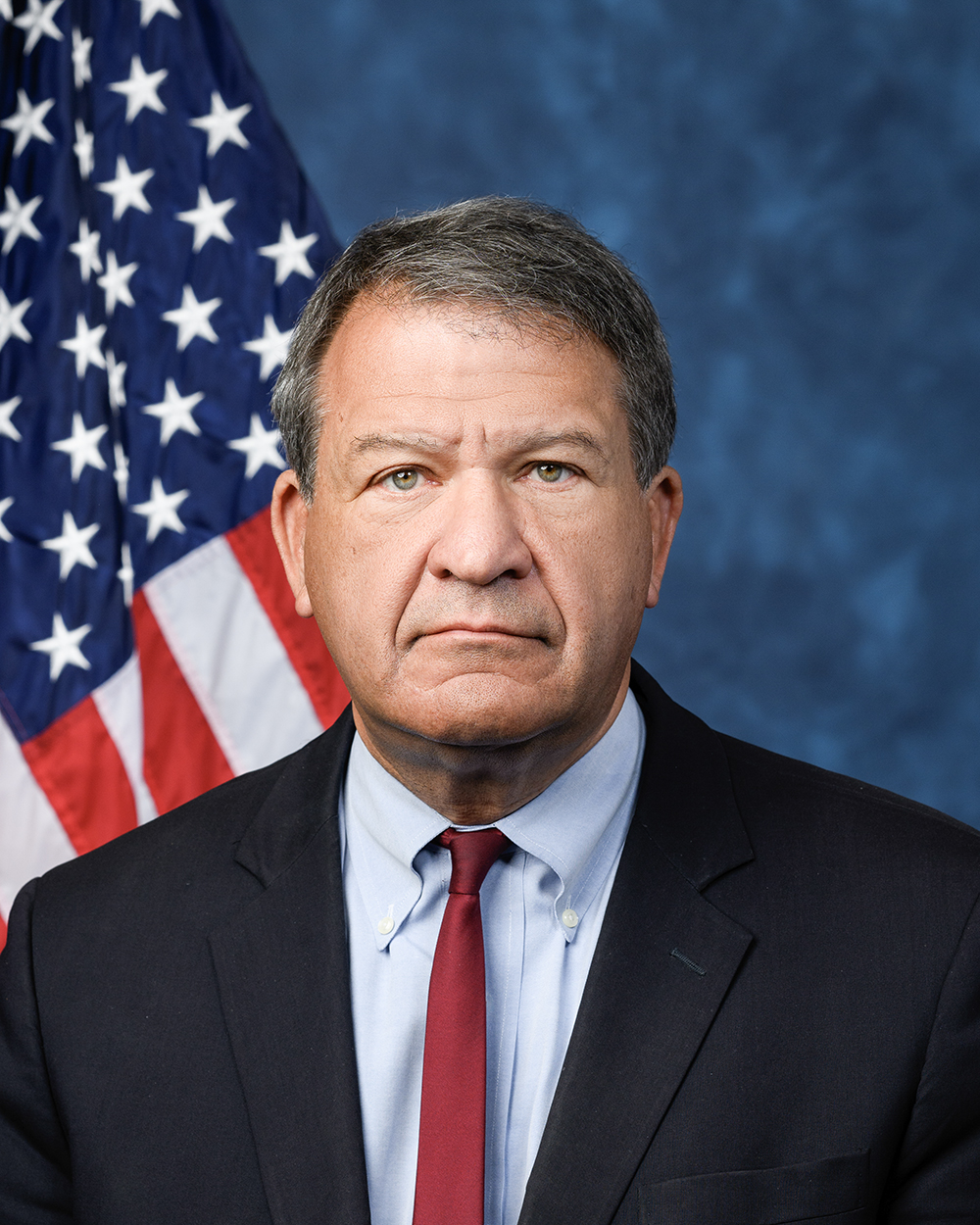
George Latimer
George Latimer House · District 16
D
Strong −
13% 67
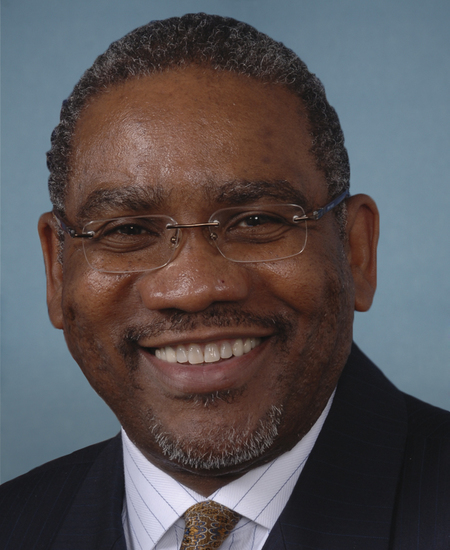
Gregory W. Meeks
Gregory W. Meeks House · District 5
D
Strong −
14% 66
Showing 1,501–1,510 of 2,101 bills

All budget & taxes bills

in committee · United States · Senate May 8, 2025

S 1687: Fair Accounting for Condominium Construction Act

This bill amends the Internal Revenue Code to change how contractors account for tax purposes on certain residential construction projects. It specifically replaces "home construction contract" with "residential construction contract" and extends the allowed accounting period from 2 years to 3 years for non-single-family residential projects like condominiums. The change directly affects contractors building multi-unit residential properties, allowing them to spread income recognition over a longer timeframe for tax calculations. The amendment applies only to new contracts signed after the bill becomes law.
in committee · United States · Senate Feb 27, 2025

S 772: Employer Participation in Repayment Act

This bill permanently removes an expiration date for tax-free treatment of employer-paid student loan repayments under certain educational assistance programs. It affects employers who offer student loan repayment benefits as part of their employee benefits package and the employees who receive this assistance. The key provision amends the tax code to make the exclusion from taxable income permanent, eliminating the previous deadline of January 1, 2026. This change means employers can continue to provide tax-free student loan repayment help to employees without the benefit expiring.
in committee · United States · Senate Feb 6, 2025

S 454: Gambling Addiction Recovery, Investment, and Treatment Act

The Gambling Addiction Recovery, Investment, and Treatment Act establishes federal grants to help states address gambling addiction and funds research on the issue. States will receive grants based on the same allocation method used for existing substance abuse prevention and treatment programs, with unclaimed funds redistributed to applying states. The bill authorizes funding from 37.5% of annual gambling tax revenue for state programs and 12.5% for research through the National Institute on Drug Abuse, covering fiscal years 2025-2034. It requires a congressional report on program effectiveness within three years of enactment.
in committee · United States · Senate Mar 6, 2025

S 876: Pay Our Military Act of 2025

This bill ensures military personnel, including active-duty members, reserve components, and their support staff (such as civilian employees and contractors working with the Department of Defense or Coast Guard) receive pay during fiscal year 2025 if Congress fails to pass a full budget. It sets aside funds from the Treasury to cover pay and allowances for these groups during any gap in regular appropriations. The funding remains available until Congress passes a full budget, the budget deadline passes, or January 1, 2026 - whichever occurs first. The bill directly affects service members, military support staff, and contractors dependent on timely pay during budget transitions.
in committee · United States · Senate Feb 27, 2025

S 786: Public Health Funding Restoration Act

S 786, the Public Health Funding Restoration Act, restores annual funding for the Prevention and Public Health Fund under the Affordable Care Act to $2 billion starting in fiscal year 2026. This bill directly affects federal health programs at the Department of Health and Human Services (HHS), as well as state, local, tribal, and territorial health departments. The key provision amends the Affordable Care Act to set this specific funding level, reversing prior cuts and ensuring resources for evidence-based prevention programs like immunizations, tobacco cessation, chronic disease prevention, and pandemic preparedness. The restored funding aims to support community health initiatives that have demonstrated cost savings - such as $16.50 saved per $1 spent on childhood vaccines - while strengthening public health infrastructure nationwide.
in committee · United States · Senate Feb 6, 2025

S 448: CIRCUIT Act

The CIRCUIT Act (S 448) expands a federal tax credit for advanced manufacturing to include distribution transformers, which are critical components in electrical power distribution systems. It provides a 10% tax credit for the production costs of these transformers, directly benefiting manufacturers that produce them. The bill defines "distribution transformer" using an existing term from the Energy Policy and Conservation Act and sets the credit to apply to transformers produced and sold 90 days after enactment. This policy change creates a new financial incentive for companies manufacturing these essential electrical infrastructure components.
in committee · United States · Senate Mar 31, 2025

S 1203: Housing Vouchers Fairness Act

The Housing Vouchers Fairness Act (S 1203) directs the federal government to provide additional rental voucher funding annually to public housing agencies (PHAs) serving the fastest-growing U.S. areas. It targets PHAs managing housing assistance in regions with populations over 100,000 that ranked among the top 25 U.S. areas for population growth between 2012 and 2022. The bill authorizes $2 billion for fiscal year 2025 (and subsequent years until expended) to be distributed equitably based on each PHA’s population size, current voucher shortages relative to housing needs, and historical underfunding due to population growth. This funding aims to address gaps in housing affordability for tenants in high-growth communities by adjusting the existing voucher allocation formula.
in committee · United States · Senate Mar 4, 2025

S 300: DLARA

This bill, the Disaster Loan Accountability and Reform Act (DLARA), requires the Small Business Administration (SBA) to improve transparency and oversight of disaster loans. Key provisions include mandating monthly reports on loan funding status (e.g., notifying Congress when unobligated funds drop below 10% of the latest appropriation), requiring detailed budget explanations for disaster loan costs, and prohibiting loan forgiveness without congressional authorization. It also restricts the SBA from issuing rules that increase program costs and mandates reviews by the GAO and SBA Inspector General into recent loan program changes and funding shortfalls. The bill directly affects SBA operations and reporting to Congress, focusing on accountability rather than altering loan eligibility or benefits for borrowers.
Sub-Topics Appropriations
in committee · United States · Senate Jan 23, 2025

S 213: Main Street Tax Certainty Act

S 213, the Main Street Tax Certainty Act, makes the qualified business income deduction permanent for small business owners. It directly affects pass-through business owners (like sole proprietors and small partnerships) who currently benefit from this tax break. The bill removes the temporary expiration of Section 199A of the tax code, providing long-term certainty for these taxpayers by ensuring they can continue deducting up to 20% of their qualified business income.
Sub-Topics Business Taxes Tax Incentives Tags Small Business
in committee · United States · Senate May 13, 2025

S 1723: Equitable Access to School Facilities Act

S 1723, the Equitable Access to School Facilities Act, provides federal funding to help states create or improve programs that support charter schools' access to facilities. It authorizes $100 million annually (2026-2030) for competitive grants to state education agencies, prioritizing states that expand charter school access to public buildings, provide tax-exempt financing, or grant charter schools first rights to purchase surplus public property. States using these funds must focus on reducing facility funding gaps between charter schools and traditional public schools, particularly in low-income and rural communities, while supplementing (not replacing) existing state funding. The bill also includes provisions for technical assistance and grants to help charter schools meet building codes and secure facilities.
Showing 1,501 to 1,510 of 2,101 bills