Issue · Budget & Taxes

Budget & Taxes

Every budget & taxes bill, vote, and legislator stance in United States, automatically classified by Maddy, our AI policy reader.

Total bills
2,411
119th Congress
Top supporter
Clay Fuller
87% support rate
Top opponent
Eleanor Holmes Norton
0% support rate
Ranked legislators
10
5 support · 5 oppose
Key legislators

Who's moving budget & taxes in United States

Legislators moving budget & taxes in United States
Legislator Party Stance Support rate Decisive votes
Clay Fuller
Clay Fuller House · District 14
R
Strong +
87% 46
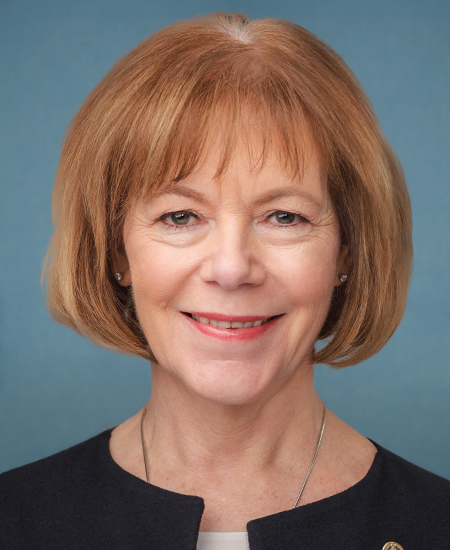
Tina Smith
Tina Smith Senate
D
Strong +
83% 77
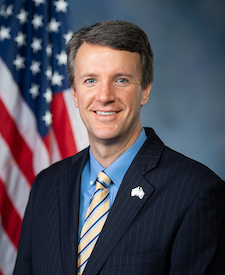
Andrew Ogles
Andrew Ogles House · District 5
R
Strong +
83% 65
Aaron Bean
Aaron Bean House · District 4
R
Strong +
83% 69
Ben Cline
Ben Cline House · District 6
R
Strong +
83% 69
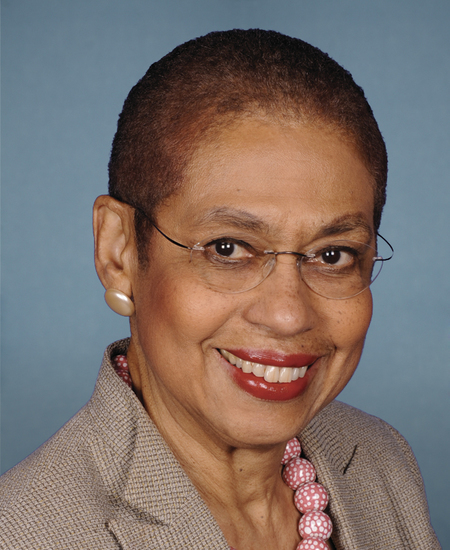
Eleanor Holmes Norton
Eleanor Holmes Norton House · District At-Large
D
Strong −
0% 26
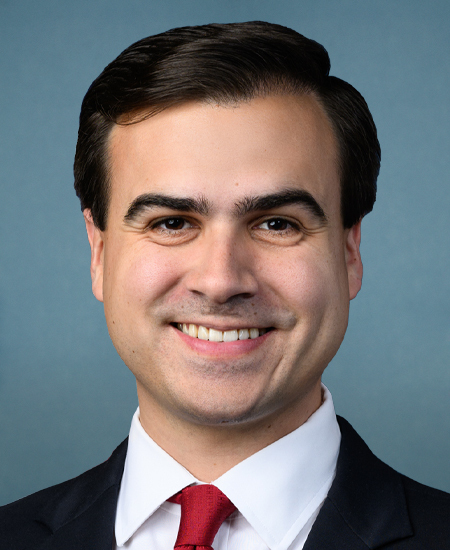
Pablo José Hernández
Pablo José Hernández House · District At-Large
D
Strong −
7% 28
Analilia Mejia
Analilia Mejia House · District 11
D
Strong −
13% 45
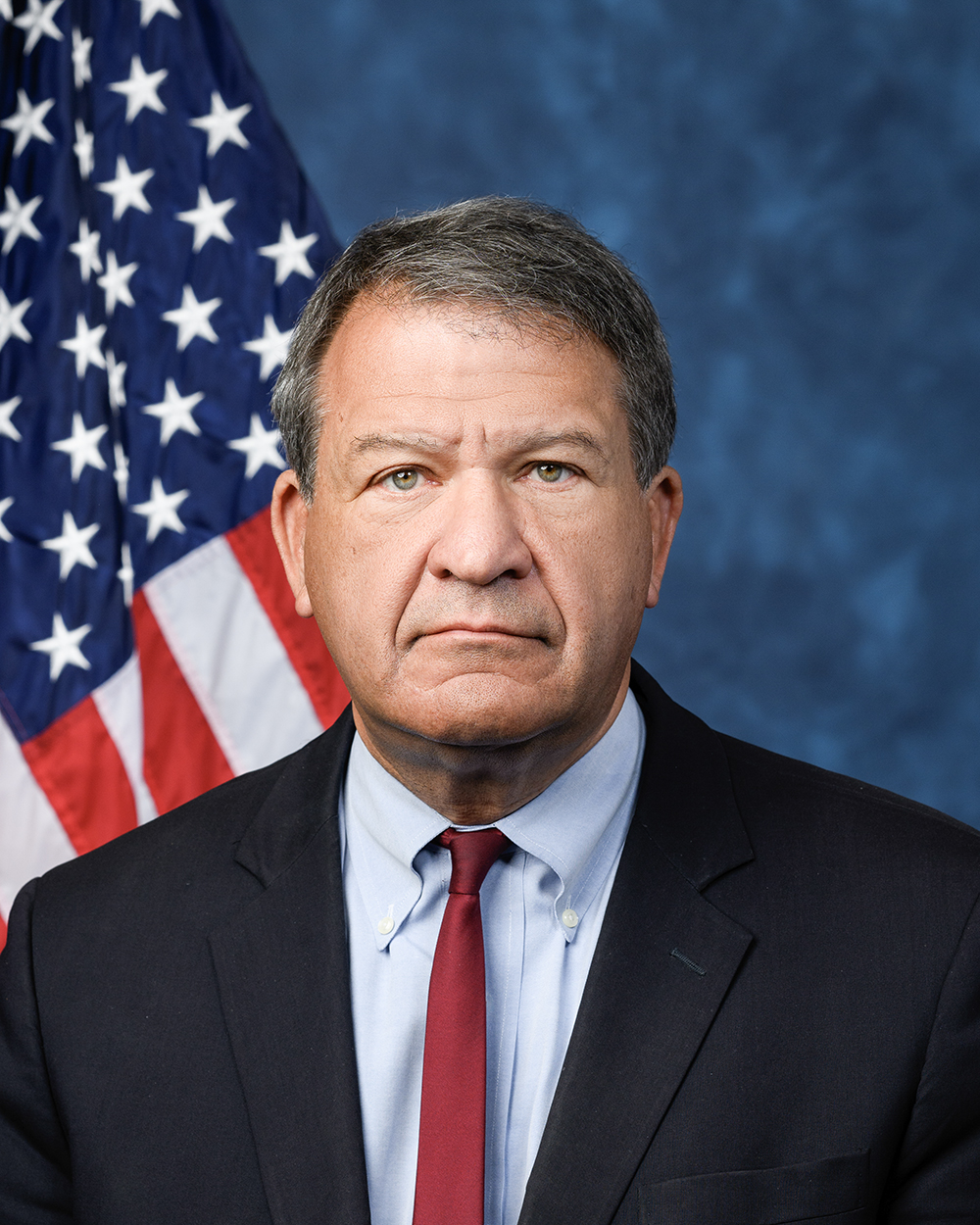
George Latimer
George Latimer House · District 16
D
Strong −
13% 67
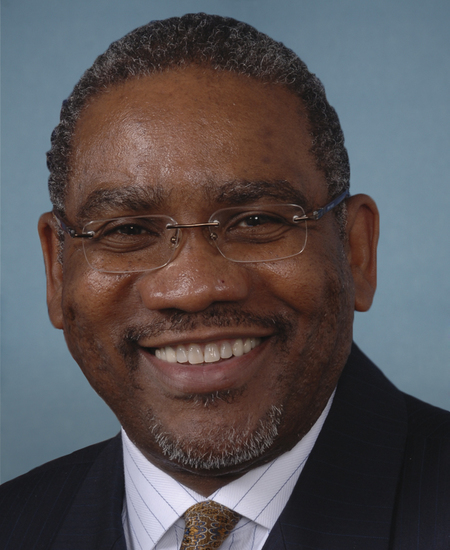
Gregory W. Meeks
Gregory W. Meeks House · District 5
D
Strong −
14% 66
Showing 1,401–1,410 of 2,411 bills

All budget & taxes bills

in committee · United States · House Jul 23, 2025

HR 4666: Baby Clothing Tax Relief Act

HR 4666, the Baby Clothing Tax Relief Act, eliminates tariffs (duties) on specific baby clothing items by prohibiting the President from imposing or maintaining such taxes under emergency powers laws. The bill specifically covers baby garments, socks, shoes, shirts, pants, swimsuits, sweaters, dresses, onesies, and hats. It requires the immediate removal of existing tariffs on these items and invalidates any similar tariffs imposed under other authorities. This directly benefits parents and caregivers who purchase baby clothing, as well as retailers selling these items, by reducing associated costs. The policy change is limited to the listed baby clothing products and does not affect other goods or tax policies.
in committee · United States · House Aug 12, 2025

HR 4968: Protecting and Preserving Social Security Act

This bill would change how Social Security cost-of-living adjustments are calculated by creating a new Consumer Price Index for Elderly Consumers (CPI-E) that tracks spending patterns specific to seniors aged 62 and older. It would also modify tax calculations for high earners by applying declining percentages of income above the Social Security tax cap (from 86% in 2026 down to 0% after 2031) for both wages and self-employment income. Additionally, the bill would adjust benefit calculations to include "surplus earnings" above the tax cap for individuals with high lifetime earnings. These changes would primarily affect Social Security beneficiaries and high-earning workers, particularly those becoming eligible for benefits after 2025.
Tags Seniors
in committee · United States · House Sep 26, 2025

HR 5568: Funding Small Businesses During Shutdown Act

HR 5568, the "Funding Small Businesses During Shutdown Act," ensures certain Small Business Administration (SBA) loan programs continue during government shutdowns by appropriating specific funds from the Treasury. It allocates $500,000 for section 7(m) loans, $2.9 billion for section 7(a) loans, $1.25 billion for Small Business Investment Act loans, and $13.775 million for administrative costs related to section 7(m) loans. These funds cover salaries and expenses to maintain loan servicing during any 30-day shutdown period (or pro-rated for shorter lapses), directly affecting small businesses relying on SBA loans. The bill creates a targeted funding mechanism to prevent program interruptions without requiring new appropriations during shutdowns.
Sub-Topics Appropriations Tags Small Business
in committee · United States · House Sep 16, 2025

HR 5397: HEALING Mothers and Fathers Act

HR 5397, the HEALING Mothers and Fathers Act, expands paid leave under the Family and Medical Leave Act (FMLA) to cover "spontaneous loss of an unborn child" (unplanned pregnancy loss not from a purposeful act). This affects private-sector employees and federal workers, allowing them to take up to 12 weeks of job-protected leave for this reason, with provisions for intermittent leave when medically necessary. The bill also creates a refundable tax credit for individuals who experienced a stillbirth (defined as spontaneous fetal death before delivery), equal to the amount of the existing section 24 credit, to help offset related expenses. These changes directly impact employees seeking leave for pregnancy loss and taxpayers who suffered stillbirths, adding specific eligibility criteria and certification requirements to both provisions.
passed · United States · House Jul 21, 2026

HR 5160: Stem Cell Therapeutic and Research Reauthorization Act of 2025

This bill reauthorizes funding for the C.W. Bill Young Cell Transplantation Program, setting $31 million for fiscal year 2025 and $33 million annually for fiscal years 2027-2031. It also extends the deadline for the national cord blood inventory program from 2026 to 2031. The legislation directly affects stem cell research programs and cord blood banks by maintaining federal funding levels and prolonging the inventory program’s timeline. These provisions ensure continuity for existing research infrastructure and blood bank operations without introducing new policy changes.
in committee · United States · House Oct 10, 2025

HR 5742: BOPEN Act of 2025

HR 5742 (BOPEN Act of 2025) ensures continuous funding for Bureau of Prisons (BOP) staff salaries during gaps in annual appropriations, specifically covering periods before fiscal year 2026 or 2027 budgets are finalized. It directly affects BOP employees by guaranteeing pay through temporary appropriations, excluding senior officials requiring presidential appointment with Senate confirmation. The bill’s key mechanism is authorizing funds from general Treasury reserves to prevent payment disruptions during federal budget transitions. This is a procedural funding measure with no direct impact on inmates or public policy.
Sub-Topics Appropriations
in committee · United States · House Oct 3, 2025

HR 5687: Keep the Heat On Act of 2025

The Keep the Heat On Act of 2025 ensures low-income households continue receiving home energy assistance during a federal government shutdown in fiscal year 2026. It directs the use of unused Treasury funds to maintain the same payment rates for the home energy assistance program as in fiscal year 2025, preventing service interruptions. This applies specifically to any shutdown period during the 2026 fiscal year, guaranteeing consistent support for vulnerable families. The bill addresses a funding gap without altering existing program eligibility or requirements.
Sub-Topics Appropriations
in committee · United States · House Sep 18, 2025

HR 5450: Continuing Appropriations and Extensions and Other Matters Act, 2026

This bill, the Continuing Appropriations and Extensions and Other Matters Act, 2026, would continue government funding for fiscal year 2026 by extending existing appropriations for programs that would otherwise expire. It allocates specific funding amounts for various programs, including $8.2 billion for the WIC program, $30 million for courthouse security, and $23 million for Federal judicial security missions. The bill extends deadlines for Medicare programs, veterans' benefits, community health centers, and telehealth services through October 31, 2025, ensuring continuity for these services. It maintains current funding levels for these programs without making new policy changes, preventing interruptions to government operations and critical services.
in committee · United States · House Sep 16, 2026

HR 5439: Medically Tailored Home-Delivered Meals Program Pilot Act

This bill creates a 6-year Medicare pilot program providing medically tailored home-delivered meals and nutrition counseling to specific high-risk Medicare patients after hospital discharge. It targets individuals with diet-impacted conditions (like diabetes or heart failure) who live at home, have limited mobility, and are at high risk of hospital readmission. Selected hospitals must meet quality standards, screen patients using approved tools, and deliver at least two meals daily meeting nutritional needs while respecting cultural/religious dietary requirements, all without patient cost-sharing. The program requires hospitals to submit data for the Secretary to evaluate health outcomes, readmission rates, and cost savings compared to non-participants. Funding comes from the Medicare Hospital Insurance Trust Fund, offset by reductions to other hospital payments to maintain budget neutrality.
in committee · United States · House Oct 14, 2025

HR 5754: Government Accountability Office District of Columbia Home Rule Act

This bill repeals federal laws that gave the Government Accountability Office (GAO) oversight authority over the District of Columbia government. It removes the District from GAO's annual audit requirements, reporting obligations to Congress, and evaluations of District programs. The bill also deletes DC-specific reporting duties from the District's Home Rule Act, including provisions requiring the mayor to address GAO recommendations. These changes directly affect the District government by eliminating federal oversight mechanisms previously applied to its operations.
Showing 1,401 to 1,410 of 2,411 bills