Issue · Budget & Taxes

Budget & Taxes

Every budget & taxes bill, vote, and legislator stance in United States, automatically classified by Maddy, our AI policy reader.

Total bills
2,411
119th Congress
Top supporter
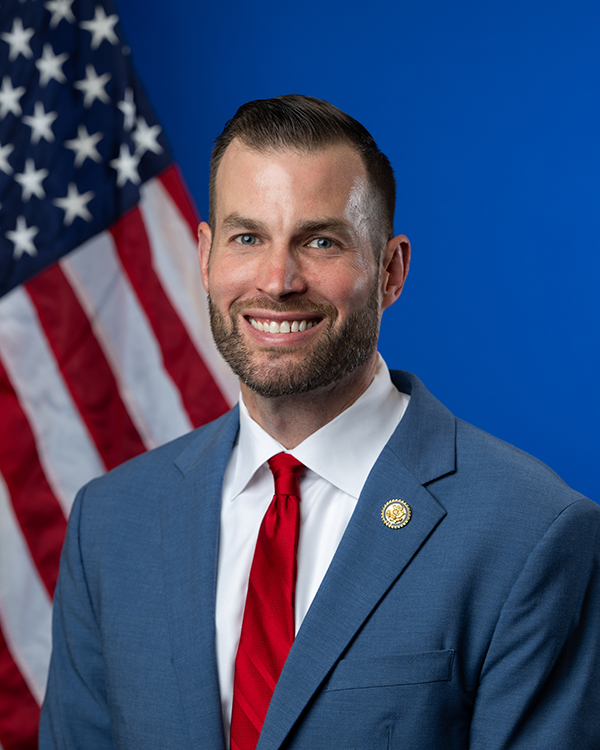
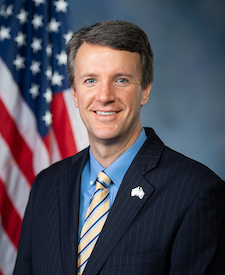
Clay Fuller
87% support rate
Top opponent
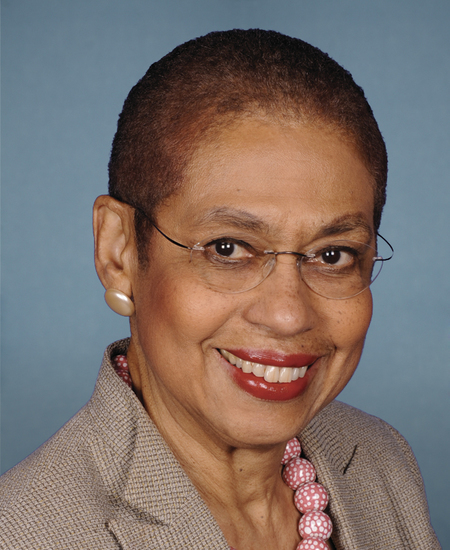
Eleanor Holmes Norton
0% support rate
Ranked legislators
10
5 support · 5 oppose
Key legislators

Who's moving budget & taxes in United States

Legislators moving budget & taxes in United States
Legislator Party Stance Support rate Decisive votes
Clay Fuller
Clay Fuller House · District 14
R
Strong +
87% 46
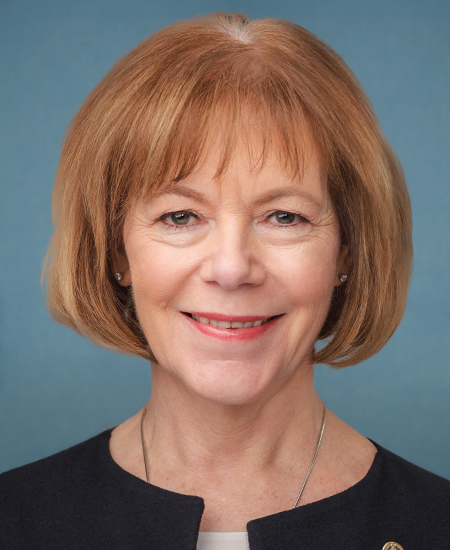
Tina Smith
Tina Smith Senate
D
Strong +
83% 77
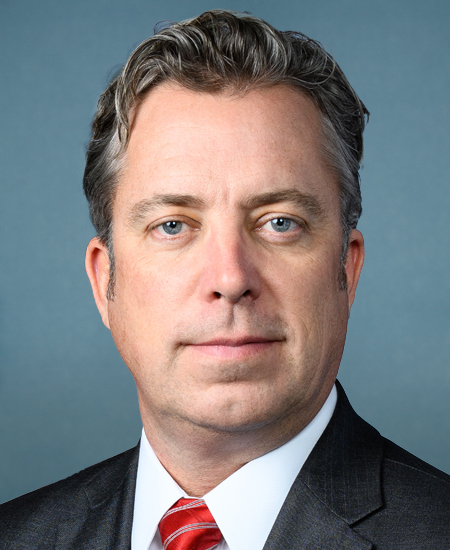
Andrew Ogles
Andrew Ogles House · District 5
R
Strong +
83% 65
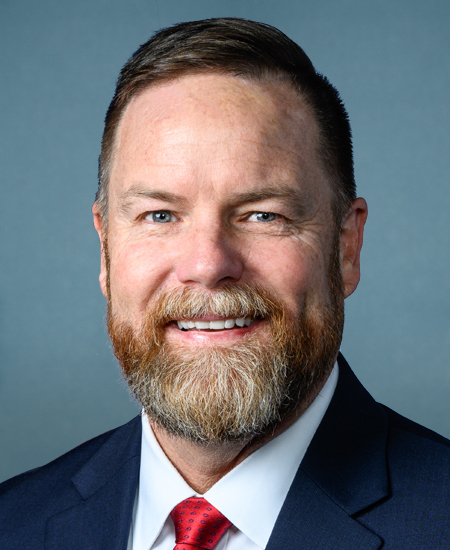
Aaron Bean
Aaron Bean House · District 4
R
Strong +
83% 69
Ben Cline
Ben Cline House · District 6
R
Strong +
83% 69
Eleanor Holmes Norton
Eleanor Holmes Norton House · District At-Large
D
Strong −
0% 26
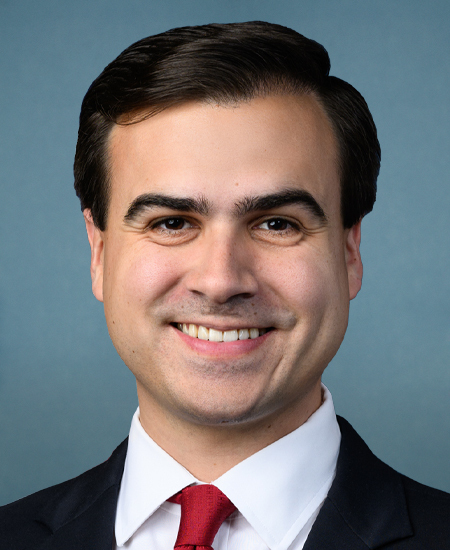
Pablo José Hernández
Pablo José Hernández House · District At-Large
D
Strong −
7% 28
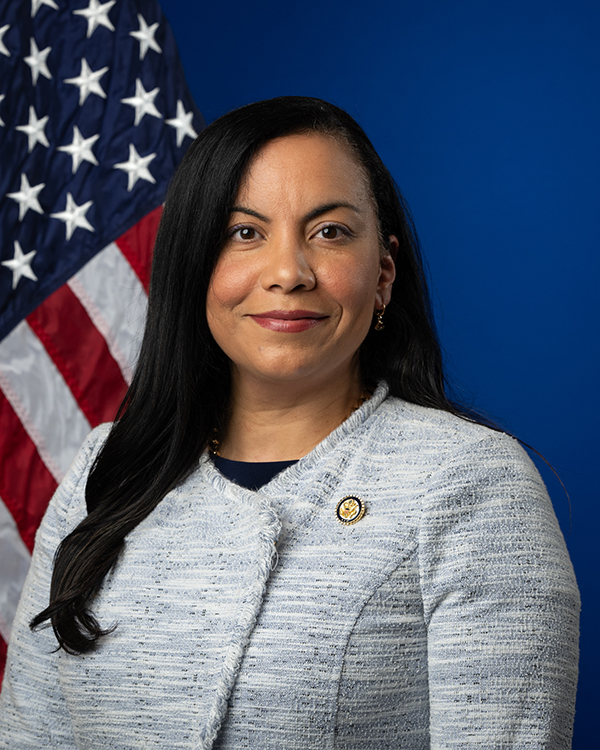
Analilia Mejia
Analilia Mejia House · District 11
D
Strong −
13% 45
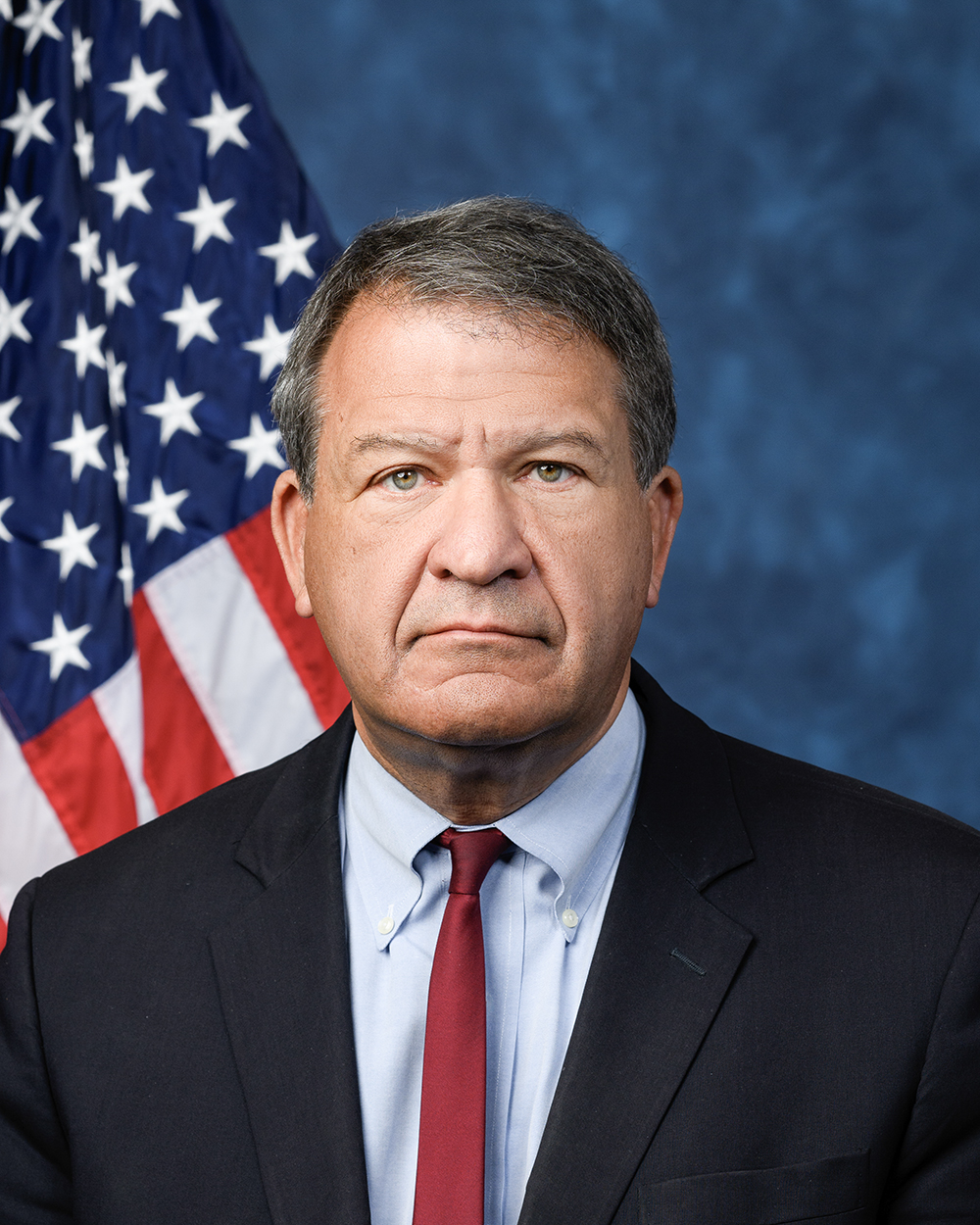
George Latimer
George Latimer House · District 16
D
Strong −
13% 67
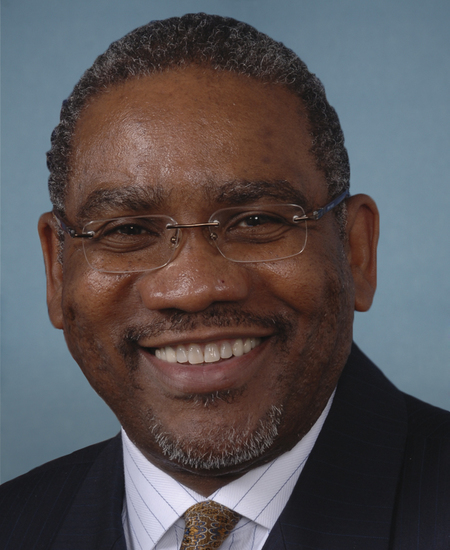
Gregory W. Meeks
Gregory W. Meeks House · District 5
D
Strong −
14% 66
Showing 1,391–1,400 of 2,411 bills

All budget & taxes bills

in committee · United States · House Sep 11, 2025

HR 5336: Equal Tax Act

The Equal Tax Act (HR 5336) changes how capital gains are taxed on inherited property and gifts. It treats property transferred by gift or death as if sold at fair market value on the date of transfer, creating a taxable event for most transfers. The bill limits preferential tax rates on dividends and capital gains to incomes of $1 million or less, and provides a $1 million exclusion for capital gains from transfers at death, with special rules for qualifying family farms or businesses. It also eliminates carryover basis for gifts after 2025 and allows for 5-year installment payments for the tax on these gains.
in committee · United States · House Sep 9, 2025

HR 5225: Protect Innocent Victims of Taxation After Fire Extension Act

This bill adds a new tax exclusion to the Internal Revenue Code, allowing individuals to exclude certain wildfire relief payments from their taxable income. It directly affects wildfire victims who receive compensation for losses like property damage, additional living expenses, or emotional distress from federally declared wildfires (after 2014), but only if the payments aren’t covered by insurance. The exclusion prevents double tax benefits by disallowing deductions for expenses already covered by the excluded payments, and it expires for payments received after December 31, 2032. The provision applies to payments received after December 31, 2025.
in committee · United States · House Jul 23, 2025

HR 4674: Baby Hygiene Tax Relief Act

HR 4674, the Baby Hygiene Tax Relief Act, removes existing tariffs and prohibits future tariffs on 11 specific baby hygiene items, including diapers, baby wipes, baby soap, shampoo, and changing tables. The bill requires the President to terminate all current tariffs on these items imposed under the International Emergency Economic Powers Act and invalidates any similar tariffs from other authorities. This directly affects parents and caregivers who purchase these products, as it eliminates cost-increasing import duties. The key mechanism is a legal prohibition on tariff imposition and a mandate to end existing tariffs on the listed items.
in committee · United States · House Jul 23, 2025

HR 4654: Baby Sleep Tax Relief Act

The Baby Sleep Tax Relief Act (HR 4654) prohibits the President from imposing or continuing tariffs on specific baby sleep products under emergency economic powers. It directly affects parents, caregivers, and retailers by removing existing and preventing future tariffs on cribs, toddler beds, mattresses/bedding, bassinets, cradles, and baby monitors. The bill mandates the termination of all current tariffs on these items and invalidates any similar duties imposed under other authorities. This is a concrete policy change that eliminates a specific cost burden on essential baby sleep equipment. The legislation focuses solely on removing these tariffs, with no additional provisions or funding.
in committee · United States · House Jan 13, 2026

HR 5068: MORE Act

The MORE Act (HR 5068) would remove cannabis from the federal list of controlled substances, effectively decriminalizing it at the federal level while establishing a new tax on cannabis products. The bill creates an Opportunity Trust Fund that would distribute tax revenues to support communities disproportionately impacted by cannabis prohibition, including funding for expungement programs, job training, and equitable licensing initiatives for minority business owners. It also includes provisions to prevent discrimination based on cannabis use in federal programs, immigration proceedings, and workplace policies. The bill would require federal courts to expunge non-violent cannabis convictions and establish a process for resentencing individuals currently serving time for such offenses. These provisions aim to address racial disparities in cannabis enforcement and create more equitable opportunities in the legal cannabis industry.
in committee · United States · House Sep 18, 2025

HR 5461: Special Diabetes Program Reauthorization Act of 2025

This bill reauthorizes federal funding for diabetes programs targeting Type 1 diabetes. It extends annual funding of $160 million for fiscal years 2026 through 2030, continuing existing support for research, treatment, and prevention initiatives. The funds remain available until expended, directly supporting programs serving people with Type 1 diabetes and the organizations delivering these services. The bill makes no changes to program eligibility or structure, only extending current funding levels.
in committee · United States · House Sep 18, 2025

HR 5445: Federal-State Partnership for Clean Water Act of 2025

This bill increases federal funding for state and tribal wetlands programs under the Clean Water Act. It authorizes $300 million annually for fiscal years 2026-2030 (up from $75 million previously), with at least $100 million each year specifically dedicated to state, tribal, and municipal wetlands protection, management, and restoration programs. Additionally, it allocates $500 million annually for state management assistance starting in 2026. The bill directly affects states, tribes, and municipalities by providing new funding streams for wetlands initiatives.
Sub-Topics Drinking Water Water Quality Tags Tribal Nations
in committee · United States · House Sep 5, 2025

HR 5166: Financial Services and General Government Appropriations Act, 2026

# Summary of the Financial Services and General Government Appropriations Act, 2026 This Act provides funding for various federal agencies and departments under the Financial Services and General Government Appropriations category for fiscal year 2026. The legislation contains over 750 sections with detailed provisions governing how funds may be used, restrictions on certain activities, and requirements for transparency and reporting. Key provisions include: 1. **Restrictions on Healthcare Coverage**: Prohibits funds for gender-affirming care in the Federal Employees Health Benefits program (Section 761) and limits abortion coverage except in cases where the mother's life is endangered or the pregnancy resulted from rape or incest (Sections 809, 818). 2. **Executive Compensation Limits**: Imposes restrictions on pay increases for senior executive positions, including Executive Schedule positions (Sections 737-746), with specific provisions preventing pay rate increases for certain positions during calendar year 2026. 3. **District of Columbia Provisions**: Contains numerous restrictions on how District of Columbia funds may be spent, including prohibitions on: - Enforcing certain abortion-related laws (Section 818) - Implementing certain voting rights or criminal justice reforms (Sections 825, 827) - Legalizing recreational marijuana (Section 830) - Enforcing certain environmental regulations (Section 821) 4. **Prohibitions on Certain Activities**: - Bans implementation of certain executive orders related to voting access (Section 756) - Prohibits funds for vaccine or mask mandates (Section 757) - Restricts funding for entities that engage in "fact-checking" or credibility rating of news outlets (Section 758) - Prohibits funding for certain types of research or medical procedures 5. **Transparency Requirements**: Mandates detailed reporting on conference costs, travel expenses, and other expenditures (Section 738). The Act serves as a comprehensive funding measure for financial services and general government operations while embedding numerous policy restrictions on how those funds may be used across federal agencies and the District of Columbia.
in committee · United States · House Jul 29, 2025

HR 4821: Gun Violence Prevention Research Act of 2025

This bill authorizes $50 million annually for the Centers for Disease Control and Prevention (CDC) to conduct research on firearms safety and gun violence prevention, beginning in fiscal year 2026 through 2031. The funding is in addition to existing CDC appropriations and would support studies under the Public Health Service Act. It does not create new regulations or directly affect individuals, but aims to expand research into causes and prevention strategies for gun violence. The bill focuses solely on enabling CDC research, without proposing policy changes or restrictions.
Sub-Topics Public Health
in committee · United States · House Jul 23, 2025

HR 4665: Loggers Economic Assistance and Relief Act

This bill provides financial assistance to timber harvesting and hauling businesses that suffer significant revenue losses due to major disasters like wildfires or insect infestations. It authorizes payments equal to 10% of lost gross revenue during a 30-day period or quarter, but only if the loss exceeds 10% compared to the same period the previous year. Funds must be used solely for operating expenses, and the program is funded at $50 million annually for 2026-2029. The Secretary of Agriculture will administer the program and report recipient details to Congress each year.
Showing 1,391 to 1,400 of 2,411 bills