Issue · Budget & Taxes

Budget & Taxes

Every budget & taxes bill, vote, and legislator stance in United States, automatically classified by Maddy, our AI policy reader.

Total bills
2,349
119th Congress
Top supporter
Clay Fuller
86% support rate
Top opponent
Eleanor Holmes Norton
0% support rate
Ranked legislators
10
5 support · 5 oppose
Key legislators

Who's moving budget & taxes in United States

Legislators moving budget & taxes in United States
Legislator Party Stance Support rate Votes
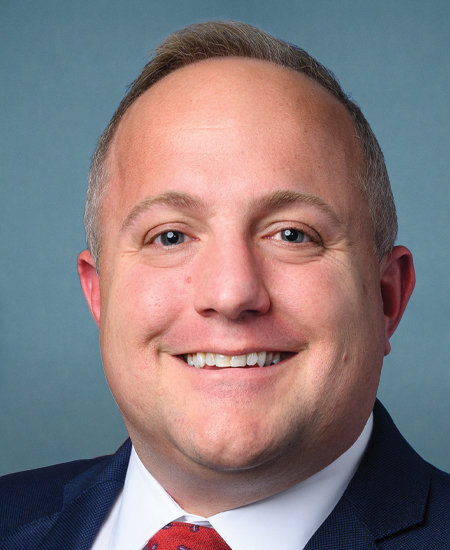
Clay Fuller
Clay Fuller House · District 14
R
Strong +
86% 55
Tina Smith
Tina Smith Senate
D
Strong +
83% 251
Andrew Ogles
Andrew Ogles House · District 5
R
Strong +
83% 175
Russell Fry
Russell Fry House · District 7
R
Strong +
82% 186
John Joyce
John Joyce House · District 13
R
Strong +
82% 185
Eleanor Holmes Norton
Eleanor Holmes Norton House · District At-Large
D
Strong −
0% 46
Pablo José Hernández
Pablo José Hernández House · District At-Large
D
Strong −
7% 46
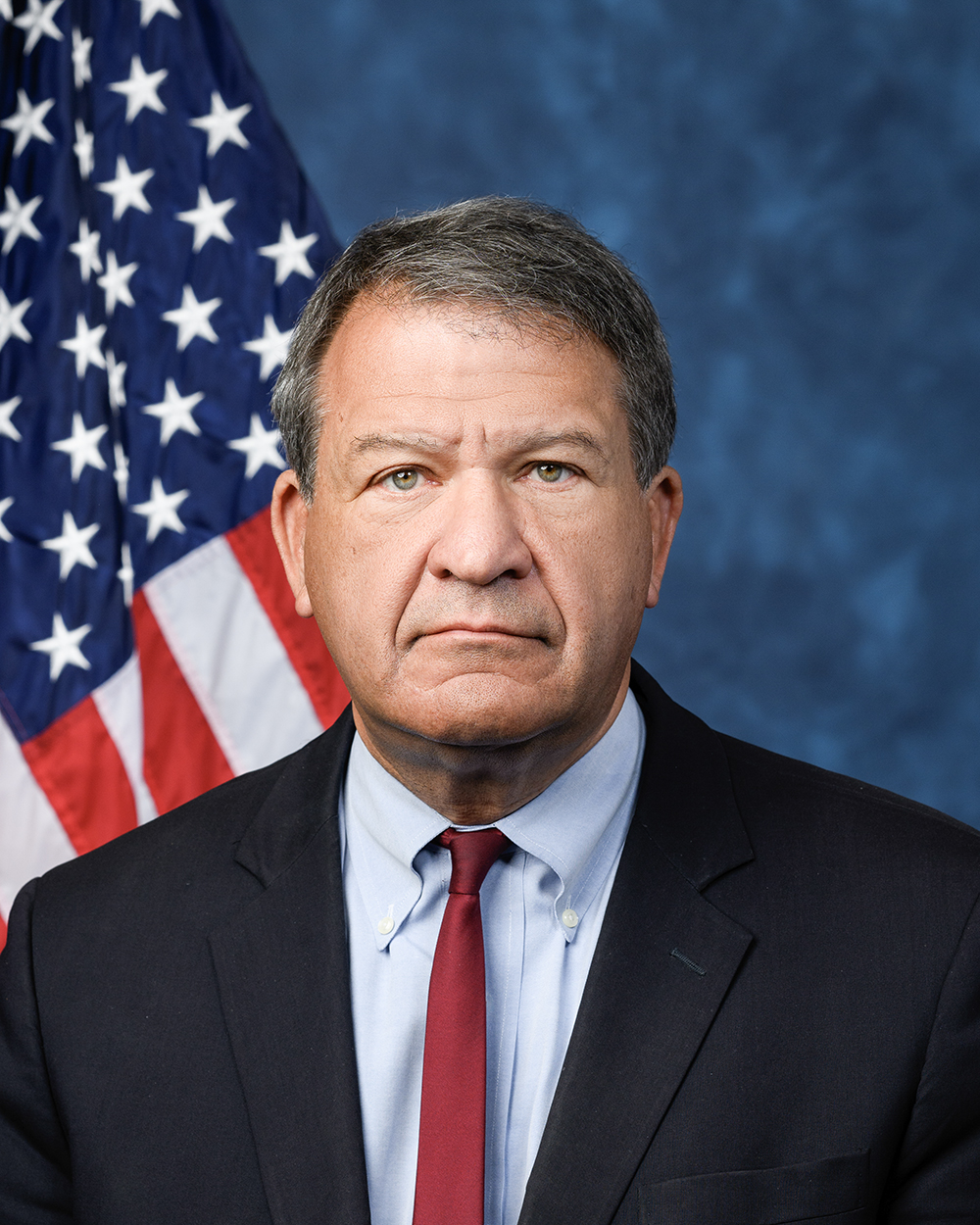
George Latimer
George Latimer House · District 16
D
Strong −
14% 181
Analilia Mejia
Analilia Mejia House · District 11
D
Strong −
14% 52
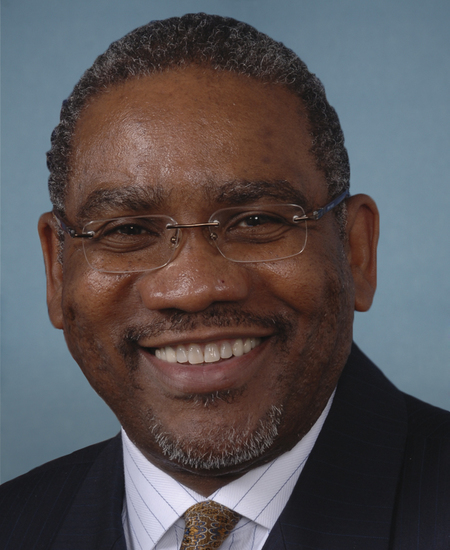
Gregory W. Meeks
Gregory W. Meeks House · District 5
D
Strong −
14% 181
Showing 131–140 of 2,349 bills

All budget & taxes bills

in committee · United States · Senate Jul 14, 2026

S 4964: Protecting Innocent Taxpayers from Endless Assessments Act

The Protecting Innocent Taxpayers from Endless Assessments Act limits the time the government has to collect unpaid taxes when a tax preparer commits fraud. Specifically, it prevents the statute of limitations from being extended if the taxpayer did not intentionally cause the error. This change directly benefits individuals who were victims of fraudulent tax filing practices by ensuring their tax liability cannot be pursued indefinitely. The law applies to any tax assessments or legal proceedings that begin after the bill is enacted.
in committee · United States · House Jul 16, 2026

HR 9764: HONOR Act

The HONOR Act prohibits U.S. taxpayers from claiming foreign tax credits for taxes paid to the Russian Federation for a specific period following the law's enactment. This restriction remains in effect until the United States resumes normal trade relations with Russia, at which point standard tariff rates will be restored. The provision explicitly overrides any conflicting international tax treaties to ensure the penalty applies regardless of existing agreements.
Sub-Topics Tax Credits
passed · United States · House Jul 22, 2026

HR 9770: Continuing Appropriations Act, 2027

Continuing Appropriations Act, 2027 This bill provides continuing FY2027 appropriations for federal agencies and extends various expiring programs and authorities. Specifically, the bill provides continuing FY2027 appropriations to federal agencies through the earlier of December 4, 2026, or the enactment of the applicable appropriations act. It is known as a continuing resolution (CR) and prevents a government shutdown that would otherwise occur if the FY2027 appropriations bills have not been enacted when FY2027 begins on October 1, 2026. The CR funds most programs and activities at the FY2026 levels with several exceptions that provide funding flexibility or additional appropriations for various programs. For example, the bill includes exceptions for the Special Supplemental Nutrition Program for Women, Infants, and Children (WIC); Small Business Administration loan programs; the Federal Emergency Management Agency’s Disaster Relief Fund; the Indian Health Service; and wildfire suppression activities. In addition, the bill extends several expiring programs, authorities, and restrictions, including the Department of Agriculture’s livestock mandatory price reporting program, the National Flood Insurance Program, limits on pay increases for the Vice President and certain senior political appointees, the Temporary Assistance for Needy Families (TANF) program, the authority to waive certain pay limitations that apply to wildland firefighters and other wildland fire personnel,  the authority for the District of Columbia to spend local funds, and the freeze on cost-of-living adjustments for Members of Congress.  The bill also provides the customary payments to the beneficiaries of the late Representative David Scott and the late Senator Lindsey Graham.
Sub-Topics Appropriations
in committee · United States · Senate Jul 15, 2026

S 4994: ONSHORE Manufacturing Act

The ONSHORE Manufacturing Act creates three new tax credits to financially encourage the domestic production of essential medical supplies and equipment. The first credit provides a percentage of a company's taxable income based on wages paid to workers manufacturing specific drugs, devices, and ingredients listed as critical for national security or defense. The second and third credits offer tax breaks for businesses that purchase and install advanced machinery or environmental compliance equipment used to produce these same medical products within the United States. These incentives are designed to support companies that manufacture specified medical goods in whole or significant part domestically, with the benefits applying to taxable years beginning after December 31, 2026. Additionally, the bill requires several federal agencies to submit annual reports to Congress starting in 2027 to track how these credits affect supply chain resiliency and adherence to domestic procurement laws.
Sub-Topics Procurement
in committee · United States · House Jul 16, 2026

HR 9768: Tariff Refund Act of 2026

The Tariff Refund Act of 2026 directs the IRS to issue refunds or credits to eligible U.S. citizens who meet specific income and residency criteria. To qualify, an individual must have an adjusted gross income below $200,000, $300,000 for heads of household, or $400,000 for joint filers, and cannot be incarcerated or claimed as a dependent on another's tax return. The bill treats these eligible taxpayers as having already paid a fixed amount of tax toward their 2025 liability, effectively refunding that sum if they have not yet paid it. Payments will be processed electronically to existing bank accounts or Treasury-sponsored accounts, with no interest applied to the refunds. The legislation also includes provisions to prevent duplicate payments and allows dependents of incarcerated individuals to receive funds if the primary earner is ineligible.
Sub-Topics Income Tax Tax Credits
in committee · United States · House Jul 16, 2026

HR 9760: National Coordination on Adaptation and Resilience for Security Act of 2026

The National Coordination on Adaptation and Resilience for Security Act of 2026 establishes a new Chief Resilience Officer within the National Security Council to lead federal efforts in preparing for natural hazards like wildfires, sea level rise, and drought. This official will create interagency working groups and a Partners Council on Resilience to coordinate with state, local, tribal, and private sector partners, ensuring that funding and resources prioritize the most vulnerable communities. The bill mandates the development of a National Resilience Strategy within two years, which must outline how federal agencies will reduce redundancies, improve disaster mitigation, and support infrastructure that can withstand environmental changes. Additionally, the act requires the creation of a central clearinghouse to share data and technical assistance, with all requirements set to expire after 10 years or upon the submission of a third assessment report.
in committee · United States · House Jul 21, 2026

HR 9801: ABLE MATCH (Making Able a Tool to Combat Hardship) Act

This bill, known as the ABLE MATCH Act, aims to help individuals with disabilities save money by providing a federal tax credit that is automatically deposited into their ABLE savings accounts. The program targets low-income earners by offering a 100% match on up to $2,000 of annual contributions, provided their income falls below 200% of the federal poverty limit, with the credit amount gradually decreasing for higher incomes. To support wider adoption, the legislation also authorizes the Treasury to award $5 million annually in grants to states for promoting these accounts and includes a requirement for collecting demographic data on account holders. These changes are designed to increase financial security for people with disabilities by encouraging savings without jeopardizing their eligibility for other government benefits.
Sub-Topics Tax Credits
in committee · United States · House Jul 20, 2026

HR 9792: Employee Ownership Fairness Act of 2026

The Employee Ownership Fairness Act of 2026 modifies tax rules for Employee Stock Ownership Plans (ESOPs) to help workers better manage their retirement savings. Currently, money contributed to ESOPs counts toward annual contribution limits, which can prevent employees from making additional contributions to other retirement accounts or receiving full employer matches. This bill changes those limits so that stock contributions and loan repayments for ESOPs do not count toward the caps, allowing employees to diversify their savings more easily. The changes apply to plan years starting after the law is enacted and affect companies that use ESOPs to provide employee ownership.
Sub-Topics Retirement Benefits
in committee · United States · House Jul 16, 2026

HR 9747: Welcome Back to the Health Care Workforce Act

The Welcome Back to the Health Care Workforce Act establishes a grant program to help internationally educated health care professionals integrate into the U.S. health care system. Under this bill, the Secretary of Health and Human Services would award funds to eligible groups, such as hospitals, universities, and government agencies, after consulting with the Labor and Education departments. Recipients must use at least 20 percent of the money for system-wide improvements like mentoring networks and employer education, while the remaining funds can support individual needs such as licensing fees, language training, and living expenses. Priority is given to projects that address workforce shortages in rural areas or communities with significant gaps in health care staffing. The act also requires annual reporting on the number of professionals supported and their employment outcomes, with funding authorized through fiscal year 2031.
in committee · United States · Senate Jul 16, 2026

S 5019: Disclosure of Tax Havens and Offshoring Act

The Disclosure of Tax Havens and Offshoring Act requires large multinational companies to publicly report their financial performance in every country where they operate. Specifically, it mandates that these firms submit detailed reports to the Securities and Exchange Commission showing revenues, profits, taxes paid, and employee counts for each jurisdiction. The law also requires this data to be provided in a machine-readable format and made available online for public access. Companies must follow specific rules for defining which entities and locations are included in these reports, with the Commission expected to issue final regulations within a year of the bill's enactment.
Showing 131 to 140 of 2,349 bills
Previous 1 13 14 15 235 Next