Issue · Budget & Taxes

Budget & Taxes

Every budget & taxes bill, vote, and legislator stance in United States, automatically classified by Maddy, our AI policy reader.

Total bills
2,411
119th Congress
Top supporter
Clay Fuller
87% support rate
Top opponent
Eleanor Holmes Norton
0% support rate
Ranked legislators
10
5 support · 5 oppose
Key legislators

Who's moving budget & taxes in United States

Legislators moving budget & taxes in United States
Legislator Party Stance Support rate Decisive votes
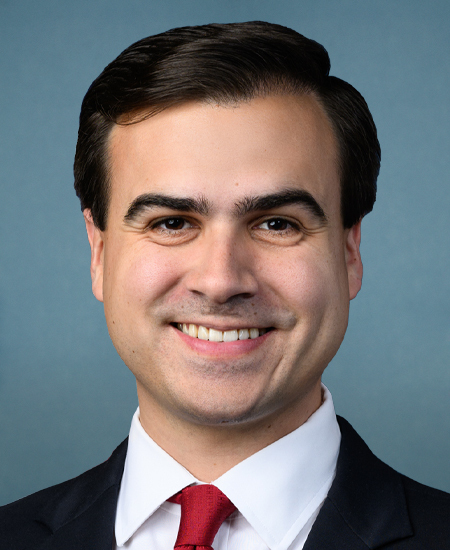
Clay Fuller
Clay Fuller House · District 14
R
Strong +
87% 46
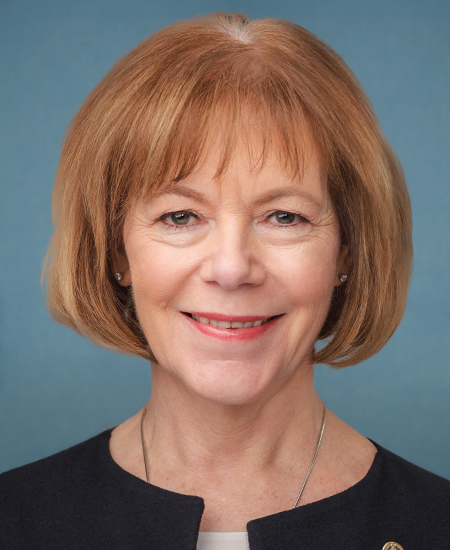
Tina Smith
Tina Smith Senate
D
Strong +
83% 77
Andrew Ogles
Andrew Ogles House · District 5
R
Strong +
83% 65
Aaron Bean
Aaron Bean House · District 4
R
Strong +
83% 69
Ben Cline
Ben Cline House · District 6
R
Strong +
83% 69
Eleanor Holmes Norton
Eleanor Holmes Norton House · District At-Large
D
Strong −
0% 26
Pablo José Hernández
Pablo José Hernández House · District At-Large
D
Strong −
7% 28
Analilia Mejia
Analilia Mejia House · District 11
D
Strong −
13% 45
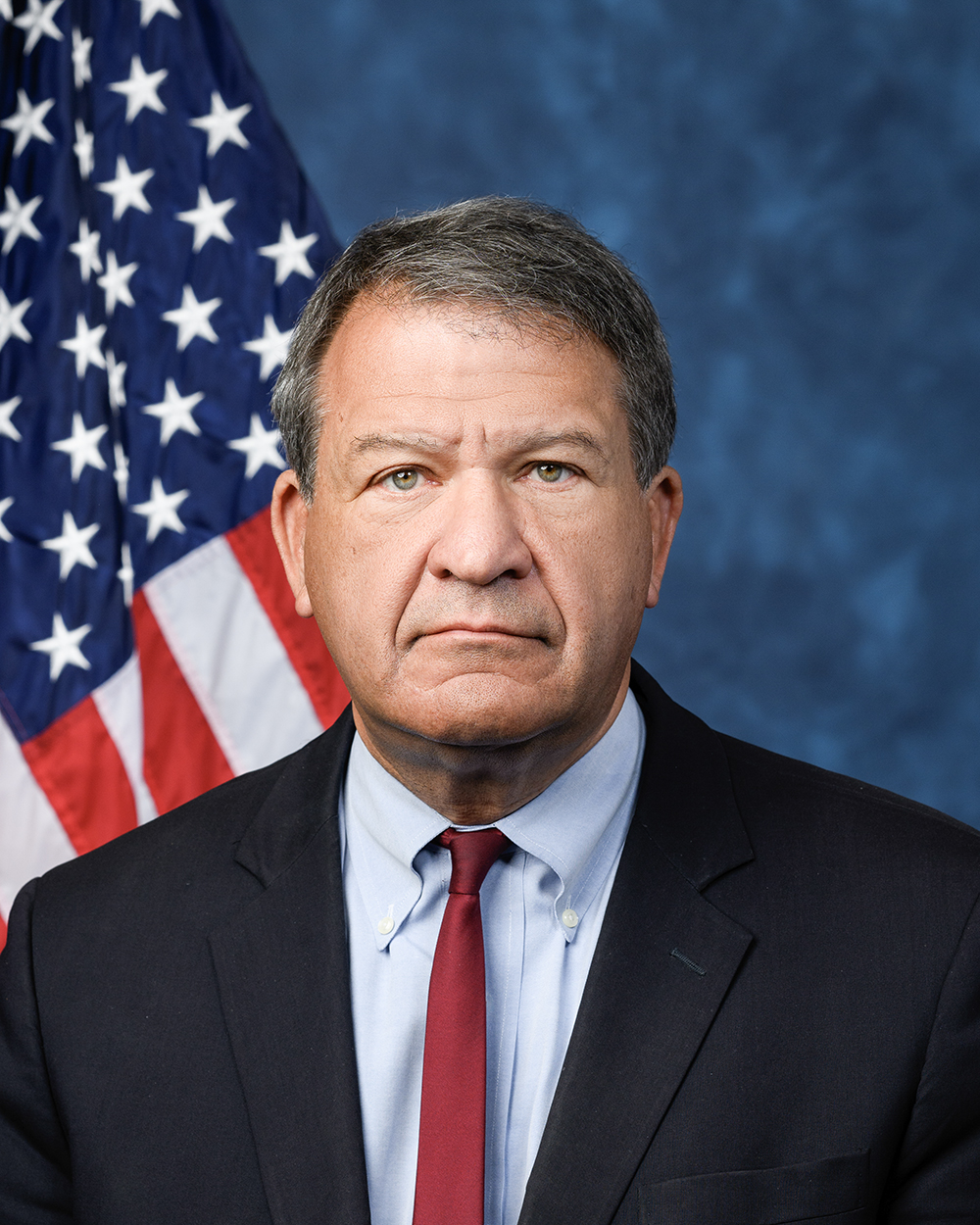
George Latimer
George Latimer House · District 16
D
Strong −
13% 67
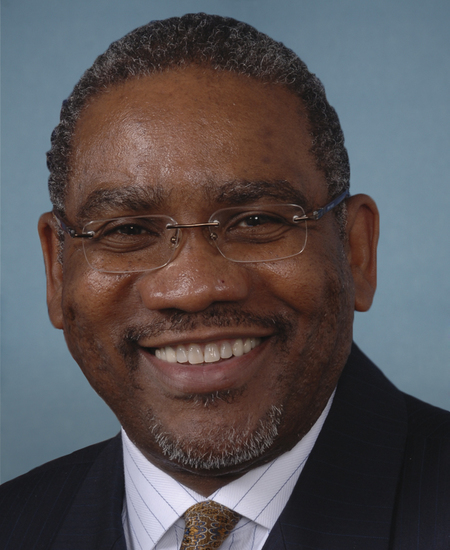
Gregory W. Meeks
Gregory W. Meeks House · District 5
D
Strong −
14% 66
Showing 1,321–1,330 of 2,411 bills

All budget & taxes bills

in committee · United States · House Sep 11, 2025

HR 5328: Indian Programs Advance Appropriations Act of 2025

This bill establishes advance funding for key tribal programs starting in fiscal year 2026. It requires the Department of the Interior and Indian Health Service to include in each year's budget request sufficient funding for the *next* fiscal year's operations, specifically for accounts like "Operation of Indian Programs," "Contract Support Costs," and "Indian Health Services." The bill mandates annual reports by July 31 each year, assessing resource sufficiency and including workload estimates for the following fiscal year. These changes directly affect tribal programs administered by the Bureau of Indian Affairs, Bureau of Indian Education, and Indian Health Service, ensuring funding for future needs is planned and requested in advance.
Tags Tribal Nations
in committee · United States · House Sep 10, 2025

HR 5089: Weather Act Reauthorization Act of 2025

# Summary of the Weather Act Reauthorization Act of 2025 This comprehensive legislation reauthorizes and modernizes the National Oceanic and Atmospheric Administration's (NOAA) weather and climate programs through 2030, with several key focuses: ## Core Program Reauthorizations - **Commercial Data Program** ($100M annually): Establishes a formal program to acquire weather/environmental data from private sector entities, including standards, prioritization, and data assimilation practices - **Commercial Data Pilot Program** (15% of Commercial Data Program funds): Tests and evaluates private sector data for use in NOAA operations - **Advanced Weather Interactive Processing System**: Requires transition to cloud-based operations by 2030 to enable more flexible workforce ## Hazard Communication Improvements - **Hazardous Weather Risk Communication Program**: Focuses on simplifying and improving communication of weather hazards through social, behavioral, and risk science research - **Post-Storm Surveys**: Requires systematic surveys after significant weather events, with emphasis on vulnerable populations - **NOAA Weather Radio Modernization**: Expands coverage, enhances reliability, and transitions to internet protocol-based communications ## Operational Modernization - **National Weather Service Workforce**: Includes hiring assessments, health/morale evaluations, and designation of service hydrologists - **Aviation Weather Program**: Enhances turbulence forecasting, data acquisition, and coordination with the Federal Aviation Administration - **Data Management**: Establishes consistent data standards, infrastructure, and sharing practices across NOAA ## Specialized Programs - **Atmospheric Rivers Forecast Improvement Program**: Focuses on improving forecasts of atmospheric rivers that impact the western U.S. - **Coastal Flooding and Storm Surge Program**: Improves coastal inundation forecasting and warning systems - **National Integrated Drought Information System**: Enhances drought monitoring and forecasting capabilities - **National Mesonet Program**: Expands environmental observation networks across the U.S., with 15% of funds for financial assistance to state/local entities - **National Coordinated Soil Moisture Monitoring Network**: Supports soil moisture monitoring for agricultural and drought management - **Precipitation Forecast Improvement Program**: Aims to improve precipitation forecasting across all timescales ## Funding The bill authorizes significant funding across these programs, with annual appropriations ranging from $10M to $70M depending on the program, for fiscal years 2026-2030. The legislation represents a major effort to modernize NOAA's infrastructure, improve weather communication to the public, and better integrate commercial data sources while maintaining NOAA's leadership in weather and climate science.
in committee · United States · House Jul 29, 2025

HR 4792: Protecting Air Ambulance Services for Americans Act of 2025

This bill amends Medicare rules to improve payment for air ambulance services. It requires air ambulance providers to submit detailed cost and revenue data every three years (including fixed costs per base, utilization rates, and revenue) to the Medicare Secretary. The Secretary must then revise fee schedules based on this data and stakeholder input, aiming to better align payments with actual costs. A separate provision mandates the GAO to study average operating costs, payment adequacy, geographic variations, and make recommendations within one year of data collection starting. The bill directly affects Medicare beneficiaries using air ambulances and the providers operating those services.
in committee · United States · House Jul 25, 2025

HR 4769: Foster Youth Mentoring Act of 2025

The Foster Youth Mentoring Act of 2025 authorizes federal grants to fund structured mentoring programs for children in foster care (under 18) and youth with foster care experience (up to age 26). It requires grantees to provide trained mentors (adult or peer), ensure cultural competence, conduct background checks, and match mentors with mentees for at least one year to support academic, social, and emotional needs. Programs must prioritize input from youth, recruit diverse mentors reflecting foster youth demographics, and coordinate with child welfare and education systems. The bill allocates $50 million annually for fiscal years 2026-2027, mandating annual reports on program reach, mentor demographics, and outcomes like school attendance and college enrollment. This directly affects over 390,000 foster youth annually by expanding access to evidence-based mentoring.
Sub-Topics Higher Education Tags Children
in committee · United States · House Jul 23, 2025

HR 4738: Baby Safety Tax Relief Act

HR 4738, the Baby Safety Tax Relief Act, removes import tariffs on specific baby safety products. It prohibits the President from imposing or continuing tariffs on baby carriages, strollers, baby carriers, and baby car seats under emergency economic powers or similar authorities. The bill requires the immediate termination of any existing tariffs on these items as of its enactment date. This directly affects importers and retailers of these products by reducing their import costs.
in committee · United States · House Aug 12, 2025

HR 4949: Apprenticeships for Small Businesses Act of 2025

This bill creates a new tax credit for small businesses to support workforce training. It allows eligible small businesses to claim a credit equal to 50% of qualified wages paid to employees under 21 or enrolled in approved apprenticeships, community college programs, or career training related to the business, plus qualified workmen’s compensation expenses, capped at $10,000 per year. The credit applies to taxable years beginning after December 31, 2025, and is designed to directly benefit small businesses seeking to train young workers through structured educational programs. It does not change existing labor laws but provides a financial incentive to invest in employee development.
in committee · United States · House Sep 11, 2025

HR 5298: Tax Excessive CEO Pay Act of 2025

This bill imposes a corporate tax penalty on large companies where CEO pay exceeds 50 times the average worker's pay. Specifically, corporations with a pay ratio above 50:1 face a tax rate increase of 0.5% to 5% (depending on how high the ratio is), effective for taxable years starting after 2025. It applies only to corporations with average annual revenue of at least $100 million over the prior three years, exempting smaller businesses. The penalty is calculated using a 5-year average of compensation data from SEC filings, and the Treasury will issue rules to prevent avoidance tactics like shifting to contractor workforces.
in committee · United States · House Sep 4, 2025

HR 5145: Bipartisan Premium Tax Credit Extension Act

HR 5145, the Bipartisan Premium Tax Credit Extension Act, extends enhanced federal subsidies for health insurance premiums through 2026. It directly affects individuals purchasing coverage through health insurance marketplaces who qualify for premium tax credits. The bill extends the period for increased credit amounts (through 2026 instead of 2025) and maintains the rule allowing tax credits for households earning above 400% of the federal poverty level. These changes apply to tax years beginning after December 31, 2025.
in committee · United States · House Jul 25, 2025

HR 4772: Critical Minerals Investment Tax Modernization Act of 2025

The Critical Minerals Investment Tax Modernization Act of 2025 modifies the federal tax code to allow mining companies extracting specific critical minerals - including the 15 lanthanide elements and scandium - to claim a 22% tax deduction (known as percentage depletion) on their mining operations. This deduction reduces taxable income for qualifying companies, directly affecting firms focused on these minerals used in technologies like electronics and clean energy infrastructure. The change applies to tax years beginning after the bill's enactment date. The legislation targets a narrow tax provision without altering broader tax policy or funding mechanisms.
Sub-Topics Renewable Energy
in committee · United States · House Jul 23, 2025

HR 4739: SHARE Plan Act

This bill creates a tax incentive for U.S. corporations to distribute company stock to employees. To qualify, corporations must have 500+ full-time U.S. employees, be U.S.-domiciled, and meet specific share distribution requirements (e.g., distributing at least 1% of shares to employees or maintaining a 5% "SHARE ratio" of shares granted). Eligible corporations receive a 3% reduction in corporate income tax and can deduct the fair market value of distributed stock. Employee stock received under these plans is excluded from taxable income, directly benefiting workers at qualifying companies while lowering tax liability for the corporations.
Showing 1,321 to 1,330 of 2,411 bills