

Issue · Budget & Taxes
Budget & Taxes
Every budget & taxes bill, vote, and legislator stance in United States, automatically classified by Maddy, our AI policy reader.
Total bills
2,411
119th Congress
Top supporter
Clay Fuller
87% support rate
Top opponent
Eleanor Holmes Norton
0% support rate
Ranked legislators
10
5 support · 5 oppose
Key legislators
Who's moving budget & taxes in United States
| Legislator | Party | Stance | Support rate | Decisive votes |
|---|---|---|---|---|

Clay Fuller
House · District 14
|
R |
Strong +
|
87% | 46 |

Tina Smith
Senate
|
D |
Strong +
|
83% | 77 |

Andrew Ogles
House · District 5
|
R |
Strong +
|
83% | 65 |

Aaron Bean
House · District 4
|
R |
Strong +
|
83% | 69 |
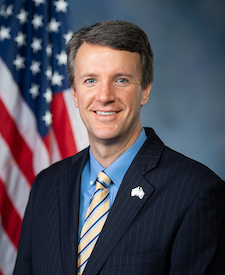
Ben Cline
House · District 6
|
R |
Strong +
|
83% | 69 |

Eleanor Holmes Norton
House · District At-Large
|
D |
Strong −
|
0% | 26 |

Pablo José Hernández
House · District At-Large
|
D |
Strong −
|
7% | 28 |

Analilia Mejia
House · District 11
|
D |
Strong −
|
13% | 45 |
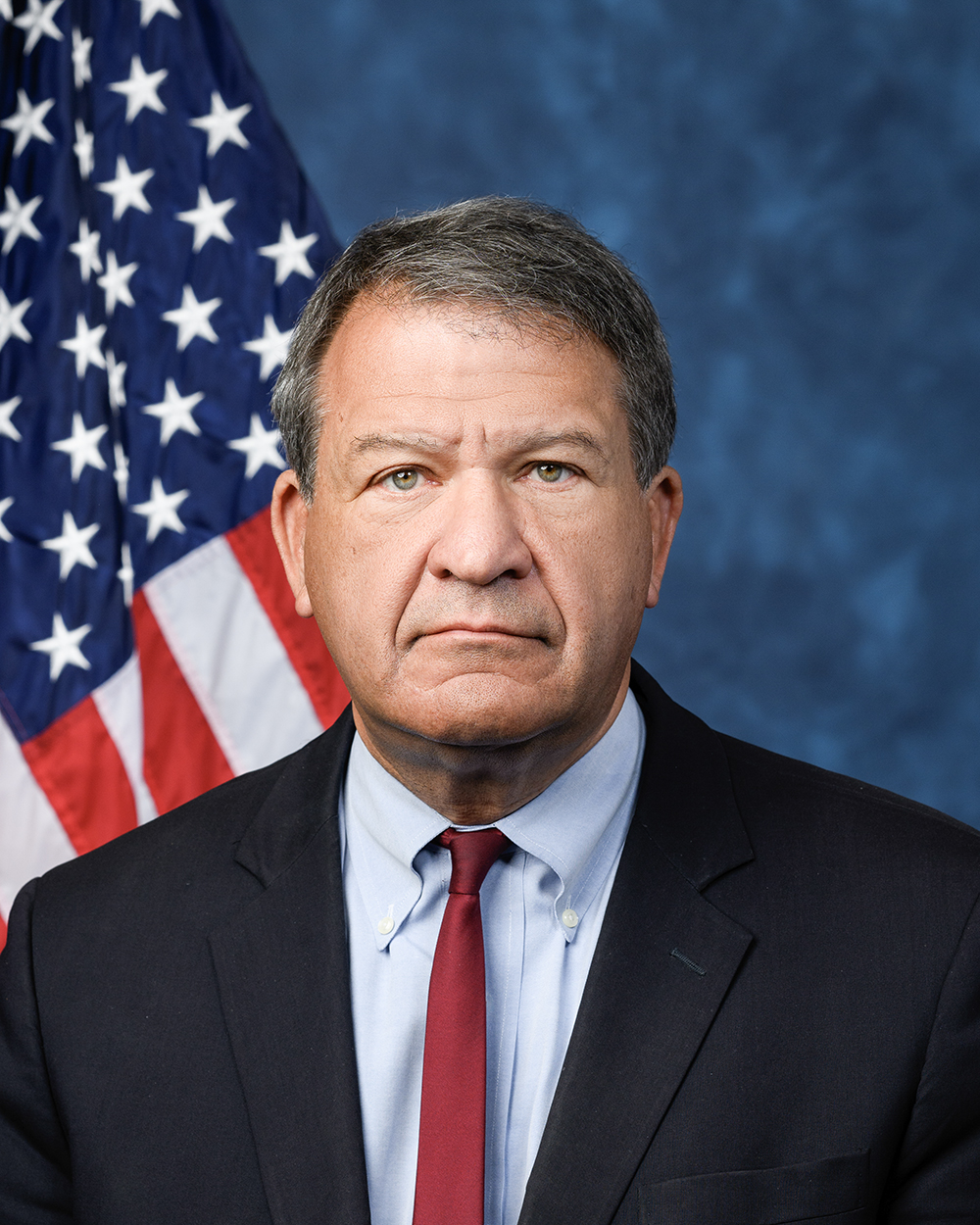
George Latimer
House · District 16
|
D |
Strong −
|
13% | 67 |
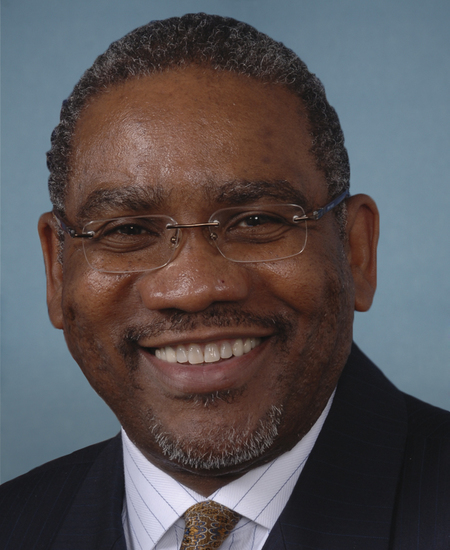
Gregory W. Meeks
House · District 5
|
D |
Strong −
|
14% | 66 |
Showing 1,131–1,140 of 2,411
bills
All budget & taxes bills
HR 2994: Child and Dependent Care Tax Credit Enhancement Act of 2025
Topics
✓ Budget & TaxesSupports Budget & TaxesEnhances tax credit for childcare, providing relief to families and strengthening tax support for dependents through increased credit rates and amounts.
✓ Labor & EmploymentSupports Labor & EmploymentBill expands tax credit for childcare, reducing a key barrier to workforce participation and supporting working families' financial stability.
Sub-Topics
Tax Credits
HR 2940: Advancing Water Reuse Act
Topics
✓ Budget & TaxesSupports Budget & TaxesCreates 30% tax credit for water recycling investments, providing direct tax relief to businesses, aligning with tax policy support
✓ EnvironmentSupports EnvironmentPromotes water conservation by incentivizing industrial recycling systems, reducing freshwater demand and supporting resource sustainability through tax credits.
HR 2900: PACE Act
Topics
✓ Budget & TaxesSupports Budget & TaxesIncreases refundable childcare tax credit, providing direct tax relief to lower-income families through expanded benefits and refundability.
✓ Labor & EmploymentSupports Labor & EmploymentIncreases refundable tax credit for childcare expenses, directly supporting workers' ability to afford care while working or job searching, advancing employment access and financial stability.
Sub-Topics
Tax Credits
HR 2294: To reauthorize the Integrated Coastal and Ocean Observation System Act of 2009.
Topics
✓ Budget & TaxesSupports Budget & TaxesBill establishes $56 million annually for ocean observation system operations, directly funding a federal program under government spending.
✓ EnvironmentSupports EnvironmentFunds $56M annually for ocean/coastal observation system, requiring federal data sharing to support environmental monitoring and protection efforts.
Sub-Topics
Coastal & Flood Protection
HR 2832: Defend American Manufacturing Act
HR 2748: First Time Homeowner Savings Plan Act
Topics
✓ Budget & TaxesSupports Budget & TaxesIncreases tax-free withdrawal limit for first-time homebuyers, providing tax relief for middle-income individuals accessing retirement savings.
✓ HousingSupports HousingIncreases access to retirement funds for first-time homebuyers, reducing down payment barriers and advancing affordable housing access.
Sub-Topics
Homeownership
HR 2391: Strengthening Supply Chains Through Truck Driver Incentives Act of 2025
Topics
✓ Budget & TaxesSupports Budget & TaxesCreates targeted tax credit ($7,500-$10,000) for middle-income truck drivers earning under $135k, reducing taxable income and aligning with tax relief support indicators.
✓ Labor & EmploymentSupports Labor & EmploymentBill provides direct financial incentives to truck drivers through tax credits, improving compensation and supporting employment in the transportation sector.
✓ TransportationSupports TransportationBill provides $7,500-$10,000 tax credits for truck drivers to strengthen supply chains, directly supporting transportation workforce stability and infrastructure reliance on commercial freight.
HR 3270: Air Traffic Control Workforce Development Act of 2025
Topics
✓ Budget & TaxesSupports Budget & TaxesBill allocates $20M annually (2026-2031) for air traffic controller training programs, directly funding workforce development under state budget priorities.
✓ EducationSupports EducationFunds $20M annually for colleges to develop specialized curricula and equipment, directly supporting higher education workforce training initiatives.
✓ Labor & EmploymentSupports Labor & EmploymentFunds specialized training programs and noncompetitive hiring for air traffic controllers, strengthening workforce development and retention within employment standards.
✓ TransportationSupports TransportationBill allocates $20M annually for air traffic controller training programs, directly strengthening aviation workforce infrastructure within transportation sector.