

Issue · Budget & Taxes
Budget & Taxes
Every budget & taxes bill, vote, and legislator stance in United States, automatically classified by Maddy, our AI policy reader.
Total bills
2,411
119th Congress
Top supporter
Clay Fuller
87% support rate
Top opponent
Eleanor Holmes Norton
0% support rate
Ranked legislators
10
5 support · 5 oppose
Key legislators
Who's moving budget & taxes in United States
| Legislator | Party | Stance | Support rate | Decisive votes |
|---|---|---|---|---|

Clay Fuller
House · District 14
|
R |
Strong +
|
87% | 46 |

Tina Smith
Senate
|
D |
Strong +
|
83% | 77 |

Andrew Ogles
House · District 5
|
R |
Strong +
|
83% | 65 |

Aaron Bean
House · District 4
|
R |
Strong +
|
83% | 69 |
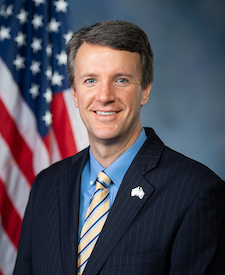
Ben Cline
House · District 6
|
R |
Strong +
|
83% | 69 |

Eleanor Holmes Norton
House · District At-Large
|
D |
Strong −
|
0% | 26 |
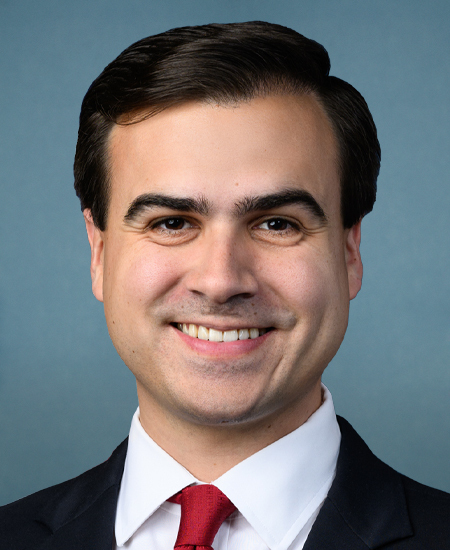
Pablo José Hernández
House · District At-Large
|
D |
Strong −
|
7% | 28 |

Analilia Mejia
House · District 11
|
D |
Strong −
|
13% | 45 |
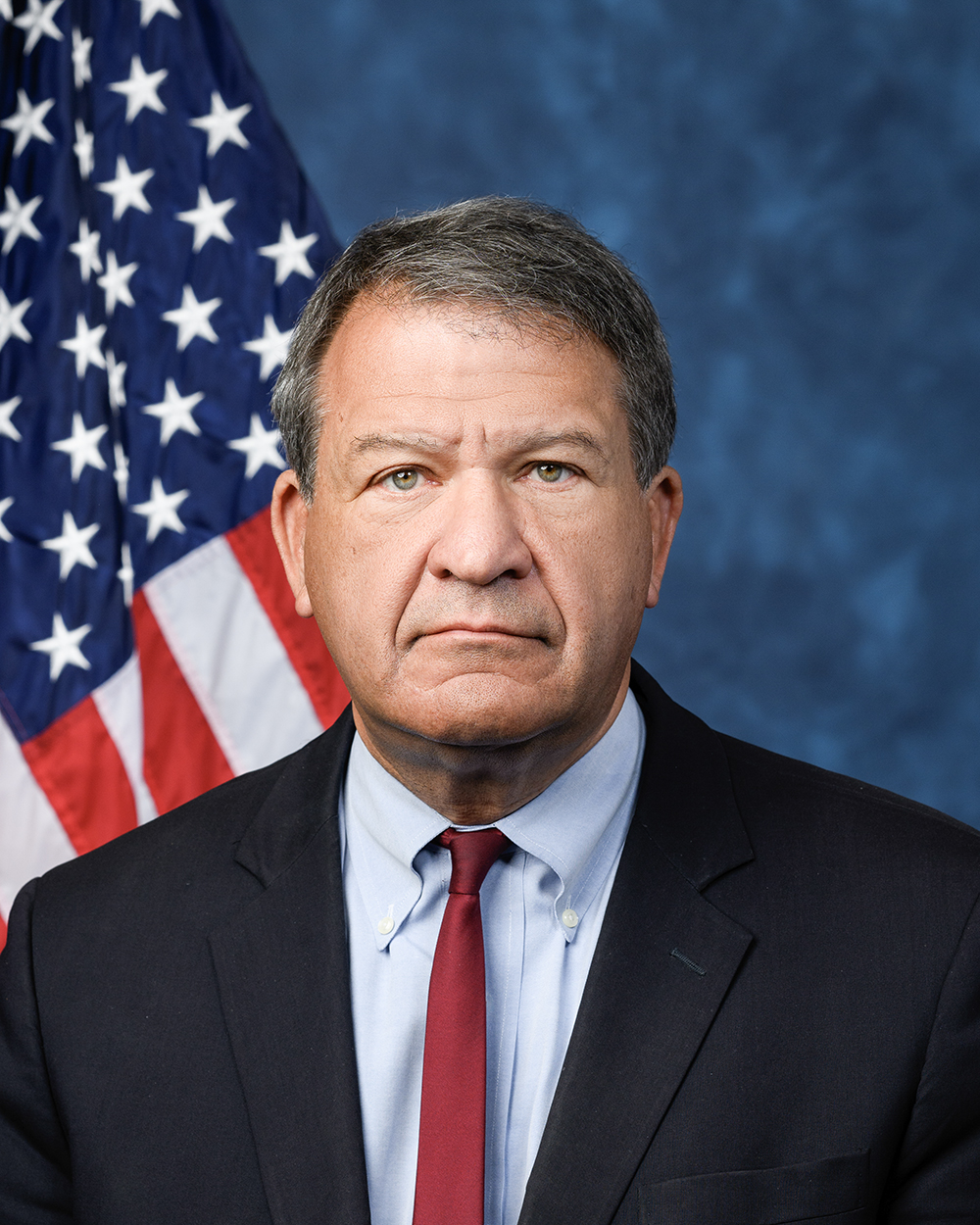
George Latimer
House · District 16
|
D |
Strong −
|
13% | 67 |
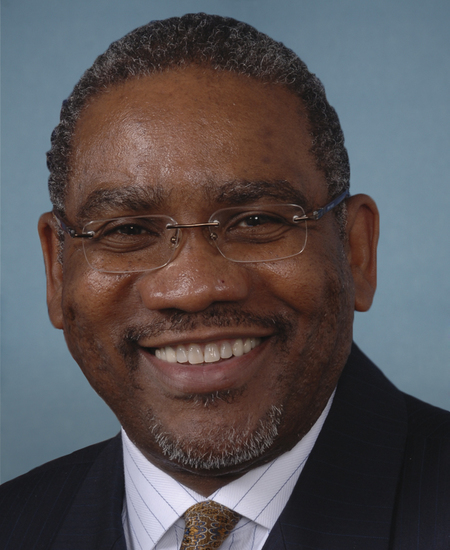
Gregory W. Meeks
House · District 5
|
D |
Strong −
|
14% | 66 |
Showing 1,121–1,130 of 2,411
bills
All budget & taxes bills
HR 3232: Federal-State Partnership for Intercity Passenger Rail Reauthorization Act
Topics
✓ Budget & TaxesSupports Budget & TaxesAuthorizes $7.5B annually for state rail projects, increasing federal spending on transportation infrastructure as a public service.
✓ TransportationSupports TransportationAuthorizes $7.5B annually for intercity rail projects, directly funding transportation infrastructure and passenger rail services.
HR 3262: NURSE Act
Topics
✓ Budget & TaxesSupports Budget & TaxesBill allocates federal grants to fund school nurse hiring, increasing public service funding through government spending.
✓ EducationSupports EducationCreates federal grants to fund school nurse hiring in high-need K-12 schools, directly advancing student health access and educational support through targeted funding.
✓ HealthcareSupports HealthcareFunds school nurse hiring in high-need schools, expanding access to health services for students, directly aligning with healthcare funding and access indicators.
✓ Labor & EmploymentSupports Labor & EmploymentFunds hiring of school nurses in high-need schools, directly supporting employment opportunities in healthcare sector through federal grants.
HR 3145: Nurse Corps Tax Parity Act of 2025
Topics
✓ Budget & TaxesSupports Budget & TaxesBill makes nurse Corps payments tax-exempt, providing tax relief to healthcare workers under existing tax parity rules.
✓ HealthcareSupports HealthcareEliminates tax burden on nurse loan repayments/scholarships, supporting healthcare workforce retention in public health programs.
HR 2925: Maritime Fuel Tax Parity Act
Topics
✓ Budget & TaxesSupports Budget & TaxesExtends existing tax exemption for small maritime businesses, providing tax relief by aligning their excise tax rate with qualifying vessels under Internal Revenue Code.
✓ EnergySupports EnergyExtends tax exemption for alternative motorboat fuels, promoting renewable energy adoption by ensuring parity with qualifying vessels.
HR 2603: Small Business Tax Fairness and Compliance Simplification Act
HR 3155: Child Care for American Families Act
Topics
✓ Budget & TaxesSupports Budget & TaxesIncreases employer tax credits (25%→40%) for child care, providing tax relief and incentivizing business investment in family services, aligning with tax relief indicators for support.
✓ Labor & EmploymentSupports Labor & EmploymentBill increases tax credits for employers providing child care, directly supporting workers' ability to maintain employment through expanded benefits and workplace support services.
HR 3154: Medicaid Improvement for Insular Areas Act of 2025
Topics
✓ Budget & TaxesSupports Budget & TaxesRemoves federal Medicaid funding cap for territories, enabling full federal matching funds for Medicaid programs, thus increasing public service funding.
✓ HealthcareSupports HealthcareRemoves Medicaid funding cap for territories, enabling full federal matching funds and expanding access to healthcare coverage in underserved areas.
Sub-Topics
Medicaid
HR 2565: No Tax on Bonuses Act of 2025
Topics
✓ Budget & TaxesSupports Budget & TaxesExempts military bonuses from federal income tax, providing direct tax relief under IRS code amendments.
✓ VeteransSupports VeteransExempts military enlistment/re-enlistment bonuses from federal tax, directly increasing financial benefits for service members transitioning to veteran status.
HR 2338: WRCR Act of 2025
Topics
✓ Budget & TaxesSupports Budget & TaxesExpands EITC to include qualifying students (lower income), lowers age requirement, and increases credit percentages, providing tax relief for lower-income individuals.
✓ Labor & EmploymentSupports Labor & EmploymentExpands EITC to include students (age 18+), treats care-giving/learning as 'compensated work', and increases credit percentages. Directly strengthens worker benefits and income support for low-income earners.