

Maddy summaryHR 1266, the Combating Illicit Xylazine Act, adds xylazine - a veterinary sedative increasingly found in illicit drug mixtures - to Schedule III of the Controlled Substances Act, regulating its use and trafficking. It directly affects veterinarians, animal owners, and manufacturers by allowing xylazine to be legally dispensed for animal use under specific veterinary prescriptions, while prohibiting non-veterinary human use. The bill includes transition periods (60 days for practitioners, 1 year for labeling) to ease compliance for manufacturers and practitioners, and requires the DEA and FDA to expedite necessary applications. It also mandates two congressional reports on xylazine's illicit use and trafficking patterns, and directs the Sentencing Commission to review penalties for offenses involving xylazine.
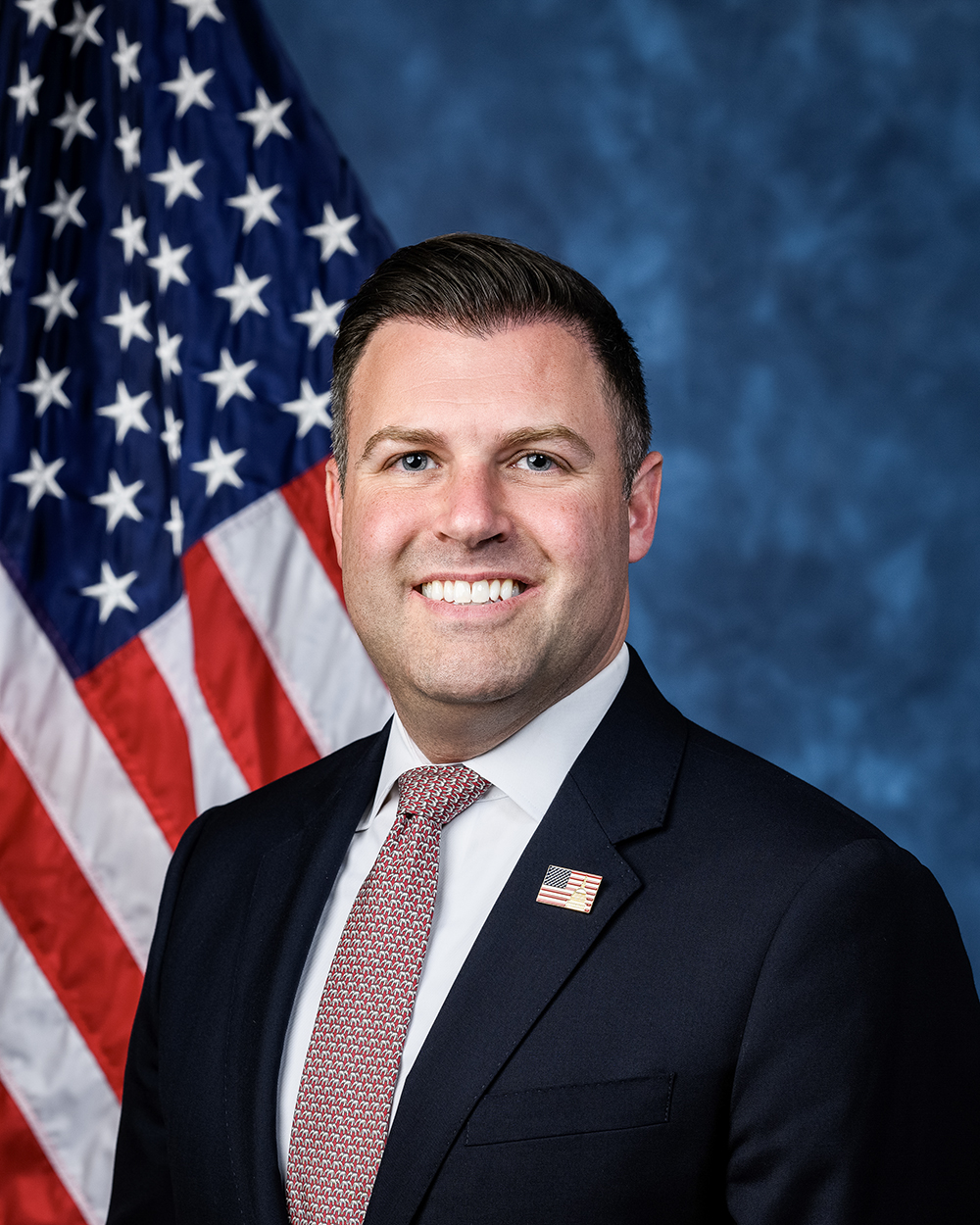
Rep. Ryan Mackenzie
Sponsored bills
Maddy summaryThe General Aviation Protection Act strengthens national security oversight of the U.S. general aviation industry by requiring mandatory reviews of foreign investments in specific aviation companies and facilities. It expands the authority of the Committee on Foreign Investment in the United States to scrutinize acquisitions of businesses that make aircraft engines, avionics, or pilot training services, particularly those owned by Chinese military-linked entities. The bill also mandates a review of existing foreign ownership in these sectors, requires security audits of equipment from foreign-controlled companies, and restricts federal funding for entities with significant foreign ties. Additionally, the legislation imposes new disclosure requirements for foreign ownership on aviation certificates and federal contracts while prohibiting the export of certain dual-use aviation technologies without a license.
Maddy summaryThis bill requires Medicare Advantage plans to implement electronic pre-approval systems for medical services by 2028 and meet transparency reporting standards starting in 2027. Plans must publicly report data on approval/denial rates, appeal outcomes, response times, and technology use for pre-approval requests, including details on how denials relate to clinical criteria. It establishes a 24-hour response timeframe for certain requests and mandates annual reviews of pre-approval requirements based on data and input from seniors and providers. The law directly affects Medicare Advantage plans, seniors enrolled in these plans, and healthcare providers who submit pre-approval requests. These changes aim to make the pre-approval process faster, more transparent, and more accountable for seniors seeking covered medical services.
Maddy summaryThe Sunshine Protection Act of 2025 would make daylight saving time permanent across the United States, ending the current practice of changing clocks twice yearly. It repeals the 1966 law requiring seasonal time changes and adjusts time zone offsets to reflect permanent daylight saving time (e.g., shifting from "4 hours" to "3 hours" in historical references). States that currently opt out of daylight saving time (like Arizona and Hawaii) would retain their existing arrangements, while all other states would adopt permanent daylight saving time unless they choose to stay on standard time. This change would directly affect all U.S. residents by eliminating the need to reset clocks in spring and fall.
Maddy summaryThe Improving Travel for American Families Act directs the Transportation Security Administration to create a two-year pilot program at five airports. This initiative aims to make travel easier for families by testing alternative security screening lanes specifically designed for passengers traveling with children twelve years old and younger. When choosing which airports to include, the program will prioritize locations with high numbers of families and ensure there is enough space and staff to handle these new lanes without slowing down other security lines. The Transportation Security Administration must report the results of this pilot program to Congress within one year of the law's enactment.
Maddy summaryThe SAFEGUARDS Act of 2026 directs that money collected from the 9/11 Security Fee must be used exclusively for aviation security improvements rather than other government purposes. Starting in fiscal year 2027, the law creates two separate funds: one to cover general security operations and another specifically for purchasing and installing new checkpoint technology at airports. The Transportation Security Administration will manage these funds to pay for screening upgrades, security equipment, and related personnel support, ensuring the fee directly benefits aviation safety.
Maddy summaryThis resolution expresses support for designating July 10th as Journeyman Lineworkers Recognition Day to honor the workers who maintain the nation's electrical grid. The bill specifically recognizes the dangerous conditions these employees face, such as working at heights near live power lines and responding to disasters like hurricanes and wildfires. It also commemorates Henry Miller, the first president of the International Brotherhood of Electrical Workers, who died on July 10, 1896, while performing his duties. Ultimately, the measure encourages the public to observe this day with reflection on the contributions of lineworkers.
Maddy summaryThe BILL Drivers Act requires the Energy Information Administration to publish a standardized analysis breaking down electricity bills for residential and small business customers into specific cost components like generation, transmission, distribution, taxes, and state policies. This report will track how these individual costs have changed over the previous seven years across all states using existing public data without altering current utility rates or assigning blame to specific companies. The results will be released in a consumer-friendly format on government websites to help the public and policymakers better understand what drives their energy bills.
Maddy summaryThe Jewish American Security Act aims to combat antisemitism by strengthening protections for Jewish students, securing Jewish communities, and increasing transparency regarding online hate speech. For educational institutions receiving federal funds, the bill mandates the creation of specific coordinators to handle discrimination complaints, requires annual training on handling antisemitism, and establishes a new federal clearinghouse to share best practices for campus safety. To support physical security, the legislation expands grant funding for nonprofit organizations and directs the Attorney General to provide resources for law enforcement agencies protecting houses of worship. Additionally, the act requires major online platforms with over 50 million monthly users to submit detailed reports to the Federal Trade Commission on how they detect, remove, and moderate antisemitic content.
Maddy summaryThe Federal Jobs for STARs Act of 2026 aims to increase hiring opportunities for individuals in the federal workforce who have gained skills through alternative routes like military service, apprenticeships, or community colleges rather than traditional four-year degrees. It requires the Office of Personnel Management to restrict agencies from mandating bachelor's degrees unless absolutely necessary and to create a specific section on federal job websites dedicated to these candidates. Additionally, the bill mandates a study to explore funding options, such as scholarships and tuition assistance, to help current federal employees with these backgrounds pursue further education.